



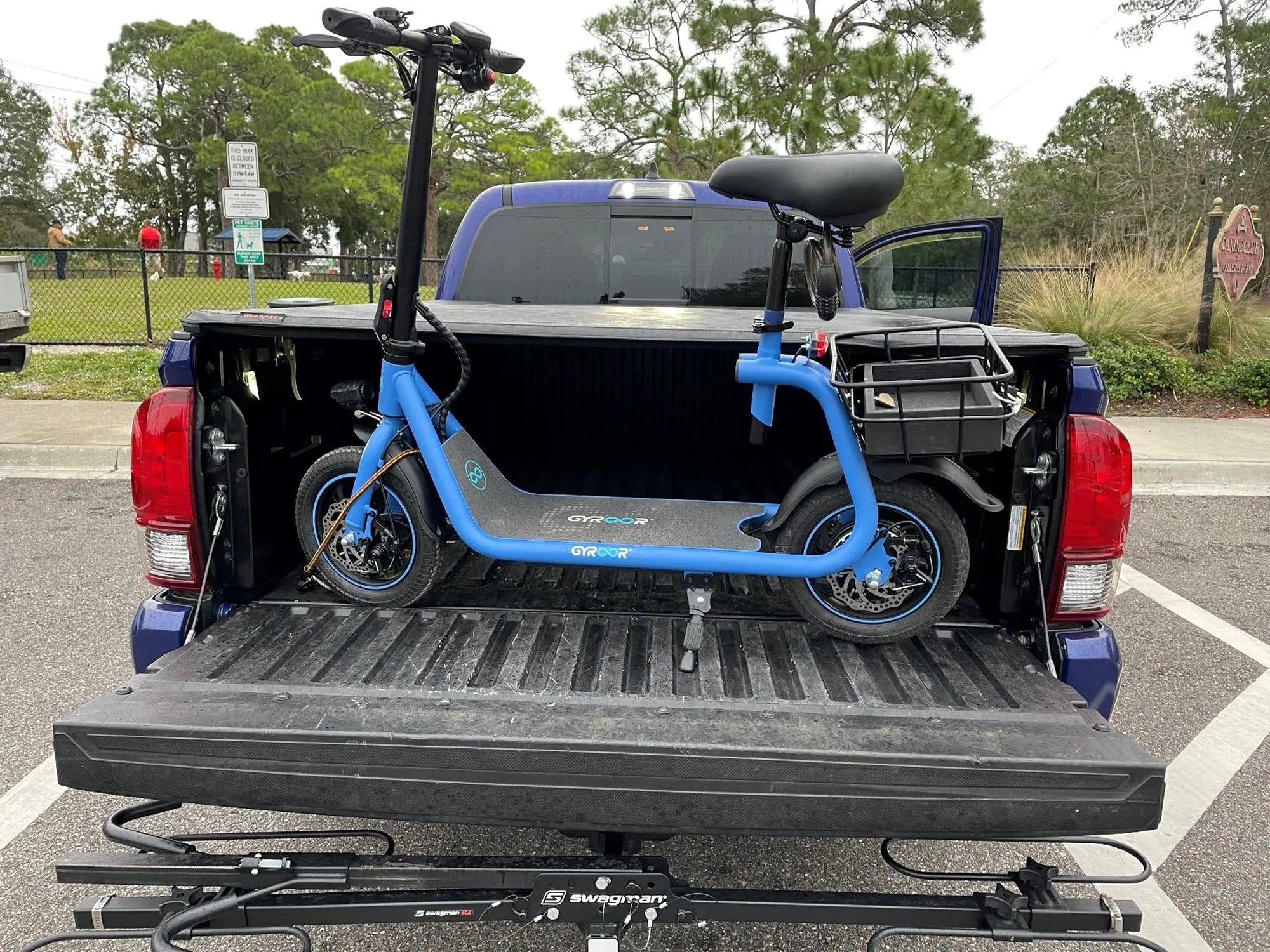
Introduction: The Growing Trend of E-Scooters for Teens
Electric scooters for 14 year olds represent a significant shift in how teenagers experience mobility, independence, and fun. For many families, they are no longer just toys but practical tools for short commutes to school, friends' houses, or local activities. This guide provides a detailed, safety-first framework for parents navigating this purchase. You will learn how to balance the undeniable appeal of an e-scooter with non-negotiable safety standards, legal requirements, and responsible usage practices. We will dissect specifications, compare essential features, and outline the habits that transform a thrilling ride into a reliable mode of transport.
The core question is not just about finding a fun scooter, but about selecting a vehicle that prioritizes your teen's safety above all. This involves understanding speed controls, braking systems, and battery certifications. It also requires a commitment to proper gear and education. By the end of this guide, you will be equipped to make an informed decision that grants your 14-year-old a new level of independence while giving you genuine peace of mind. The goal is to ensure that electric scooters for 14 year olds live up to their promise as a safe and fun way to get around.
Understanding Safety and Legal Considerations
Before any purchase, understanding the legal landscape is paramount. Laws governing electric scooters for teenagers vary dramatically by state, county, and city. There is no universal rule. Some municipalities set a minimum age of 16, while others allow riding at 14 or even younger. Many areas prohibit riding on sidewalks, restricting use to bike lanes or roads with speed limits under 25 mph. Helmet laws are equally varied, with some states mandating them for all riders under 18.
Ignorance of local ordinances is not a valid defense and can result in fines or confiscation of the scooter. Your first step must be to contact your local Department of Motor Vehicles or police department's non-emergency line for specific regulations. This research is as crucial as checking the scooter's specs. Furthermore, even if not legally required, establishing strict family rules regarding helmet use and riding zones is essential for safety. The legal framework provides the baseline; your family's rules should build a higher standard of safety upon it.
Essential Safety Gear Non-Negotiables
Safety gear is not optional equipment; it is a critical component of the scooter itself. The most important piece is a properly fitted helmet certified by CPSC (Consumer Product Safety Commission) or ASTM. Head injuries are a leading cause of serious e-scooter accidents, and a certified helmet can reduce the risk of severe brain injury by nearly 70%. It should sit level on the head, with the strap snug under the chin.
Beyond the helmet, protective gear should include knee and elbow pads. Wrist guards are particularly vital, as falls often result in instinctive attempts to break the fall with hands, leading to fractures or severe abrasions. High-visibility clothing or reflective accessories are mandatory for any riding during dawn, dusk, or overcast days. Investing in a complete gear set establishes a culture of safety from the very first ride. It signals to your teen that responsible riding is the foundation of the freedom they are being granted.
What to Look for in a 14-Year-Old's First E-Scooter
Selecting the right model involves filtering marketing claims through a lens of safety, durability, and age-appropriateness. The ideal electric scooter for a 14 year old is not the fastest or most powerful, but the one that offers the best combination of controlled performance and robust construction. Key decision points include speed limiters, motor power, frame material, and braking systems. The goal is to find a scooter that grows with the rider's skill but never outpaces their judgment or the law's limits.
Durability is another critical factor. A scooter built with a lightweight aluminum alloy frame offers a good balance of strength and manageability. Components like the stem latch, folding mechanism, and deck should feel solid, with no excessive wobble or play. Remember, this is a vehicle that will encounter curbs, potholes, and varied weather. A flimsy build compromises safety and leads to frequent, costly repairs. Prioritizing reputable brands known for quality control, like Gyroor, which serves over 100,000 riders, is a prudent strategy for long-term satisfaction and safety.
Prioritizing Speed and Power Control
For a 14-year-old, a top speed between 10 and 15 miles per hour is the recommended sweet spot. This range is fast enough for practical commuting and fun, yet slow enough to allow for reaction time and control in unexpected situations. Many quality scooters feature multiple speed modes, often accessible via a smartphone app or a sequence of button presses on the display. A beginner mode, limiting speed to 6-8 mph, is an invaluable feature for the initial learning period.
Motor power is directly linked to speed and hill-climbing ability. A 250-watt motor is typically sufficient for flat to moderately sloped terrain and a rider within the scooter's weight limit. A 350-watt motor provides more torque for hills but requires greater rider discipline. Avoid high-powered motors (500W+) for a first scooter, as they encourage excessive speed and reduce battery efficiency. The philosophy should be "adequate, not excessive"—providing enough power for real-world use without introducing unnecessary risk.
Build Quality, Weight, and Portability
A scooter's weight impacts both its portability and its stability. A weight between 25 and 30 pounds is ideal for a 14-year-old. It's heavy enough to feel sturdy and stable at speed, resisting being tossed by wind or minor pavement imperfections, yet light enough to carry up a flight of stairs or lift onto a school bus if needed. The folding mechanism should be robust and intuitive, with a secure locking latch to prevent accidental collapse during a ride.
The deck should be long and wide enough for a comfortable, stable stance, with a textured, non-slip surface. Handlebars should adjust to a height that allows a slight bend in the elbows for optimal control. Check the quality of welds and fasteners; rough edges or loose bolts are red flags. A well-built scooter from a trusted brand is an investment that pays off in safety and longevity, avoiding the pitfalls and dangers associated with poorly constructed alternatives.
Battery Safety and Weather Resistance
This is arguably the most critical technical specification for parents. The battery must be UL-certified. This certification means the battery pack has undergone rigorous independent testing for electrical, mechanical, and fire safety. It is a non-negotiable feature that mitigates the risk of battery fires—a concern with any lithium-ion device. Brands like Gyroor prioritize this, using UL-certified battery packs tested for over 500 charge cycles.
Weather resistance is equally important for real-world durability. Look for an IP rating. An IPX4 rating means the scooter is protected against water splashes from any direction, while IPX5 can handle low-pressure water jets from a nozzle. This means it can safely ride through puddles or in light rain. A scooter with no official IP rating should be considered for dry conditions only. Combining a UL-certified battery with a solid IP rating (like Gyroor's IPX5 standard) creates a fundamentally safer and more reliable product for a teenager's unpredictable use.
Top Recommended Features for Peace of Mind
Beyond the core specs, several features significantly enhance safety, usability, and parental oversight. These "peace of mind" features often distinguish a well-designed scooter from a basic one. They address real concerns like visibility in traffic, stopping power in emergencies, and the ability to monitor or limit usage remotely. When evaluating models, use this list as a checklist to identify which brands have invested in thoughtful, safety-oriented engineering.
Features like GPS tracking (via Bluetooth or cellular) can be invaluable for knowing your teen's location, while app-based speed limiters allow you to set a maximum speed remotely. Although not all scooters have these, the core mechanical and electrical features discussed here are universally important. Prioritizing scooters that include these elements demonstrates a manufacturer's commitment to safe, responsible riding, aligning with a parent's primary concern when considering electric scooters for 14 year olds.
Reliable Braking Systems and Stable Tires
A responsive, redundant braking system is essential. The best practice is a dual-brake system combining two different types. A common and effective setup is a front electronic regenerative brake and a rear disc or drum brake. The regenerative brake slows the scooter by converting kinetic energy back into battery charge, while the mechanical brake provides strong, consistent stopping power. A foot fender brake is a common but less reliable backup and should not be the primary stopping method.
Tire choice greatly affects ride comfort and traction. Air-filled (pneumatic) tires provide superior shock absorption, making for a smoother ride over bumps and better grip on wet surfaces. However, they require maintenance and can puncture. Solid (airless) tires are maintenance-free and puncture-proof but offer a harsher ride and less traction, especially on wet pavement. For a 14-year-old's general use, pneumatic tires are often the preferred choice for their safety and comfort benefits, provided you teach basic tire pressure checks.
Lights, Reflectors, and Visibility
Being seen is a fundamental aspect of safety. A quality scooter must have integrated, bright LED lights: a white headlight on the front and a red taillight on the rear. These should be always-on while the scooter is powered, not just optional settings. The headlight should illuminate the path ahead sufficiently for the scooter's speed, while the taillight should be highly visible to traffic from behind.
Supplemental reflectors on the sides, wheels, and deck are crucial. Many scooters also feature deck lighting, which makes the rider more visible from the side—a key angle at intersections. For added safety, consider purchasing after-market LED wheel lights or a high-visibility vest. Visibility features are not just for night riding; they are critical during dusk, dawn, fog, or rainy days when visibility is reduced for drivers.
The Importance of a Strong Warranty and Support
The warranty is a direct reflection of the manufacturer's confidence in their product. A comprehensive warranty should cover the frame, motor, battery, and electronic controller for at least one year. A strong warranty, like the 1-year standard coverage offered by Gyroor, protects your investment and indicates the use of quality components. Be wary of warranties that are difficult to claim or brands with no accessible customer service.
Research the brand's reputation for customer support before buying. Are there clear channels for technical help? Are replacement parts like inner tubes, brake pads, and chargers readily available? A scooter is a mechanical device that will require maintenance. Choosing a brand with a proven track record of supporting its customers ensures that minor issues don't render the scooter unusable for weeks. This support network is a key part of the product's long-term value and safety.
Teaching Responsible Riding Habits
Purchasing the scooter is only the first step. The most critical phase is the education that follows. Your teen needs to transition from seeing the scooter as a toy to treating it as a vehicle. This requires structured training and clear, consistent rules. Start in a completely safe, controlled environment like an empty parking lot. Practice starting, stopping, turning, and using the brakes gently and progressively to avoid skidding.
Emphasize that riding is a privilege tied directly to demonstrating responsibility. Set clear boundaries about where they can ride, with whom, and under what weather conditions (e.g., no riding in the rain or after dark without specific permission). This foundation of habit and respect is what ultimately makes electric scooters for 14 year olds a safe and fun way to get around. It transforms the hardware you bought into a tool for teaching maturity and situational awareness.
Pre-Ride Checklists and Maintenance Basics
Instill the habit of a pre-ride safety check. This 60-second routine should become as automatic as putting on a seatbelt. Teach your teen to check: Tire pressure and for any obvious damage; Brake function (squeeze the levers to ensure they engage firmly); Light operation (front and rear); and that the folding mechanism and stem are securely locked. Also, confirm the battery has sufficient charge for the intended trip.
Basic maintenance extends the scooter's life and ensures safety. Show them how to keep the scooter clean, especially the braking surfaces and deck. Explain proper battery care: avoiding total discharge, not leaving it fully charged for weeks on end, and storing it in a cool, dry place. For scooters with pneumatic tires, demonstrate how to use a pressure gauge. These simple tasks foster ownership and a deeper understanding of how their vehicle works.
Rules of the Road and Situational Awareness
Drill the essential rules of the road. These include: Obeying all traffic signals and signs as if they were driving a car; Riding in the same direction as traffic when in the bike lane or road; Using hand signals for turns and stops; Yielding right-of-way to pedestrians at all times; and Never wearing headphones while riding, as hearing is a crucial sense for detecting traffic.
Teach constant situational awareness. This means scanning the path ahead for hazards like potholes, gravel, wet leaves, or sewer grates. It means being hyper-aware of cars—especially at intersections and driveways—and making eye contact with drivers when possible. Discuss the dangers of "dooring" (a car door opening into their path) and the importance of riding outside the "door zone" of parked cars. This proactive mindset is the best defense against accidents.
Comparing Key Scooter Specifications
The table below compares typical specifications across three categories of electric scooters relevant to a 14-year-old rider: Entry-Level/Starter, Mid-Range/Recommended, and High-Power/Advanced. This illustrates the progression of features and why the mid-range category often offers the best balance for a teenager's first serious scooter.
| Feature Category | Entry-Level / Starter | Mid-Range / Recommended | High-Power / Advanced |
|---|---|---|---|
| Top Speed | 10-12 mph | 12-15 mph (with modes) | 18-25+ mph |
| Motor Power | 200W-250W | 250W-350W | 500W+ |
| Battery Safety | Varies (Seek UL) | Often UL-Certified | Often UL-Certified |
| Braking System | Electronic + Foot Brake | Dual System (e.g., Disc + Electronic) | Advanced Dual Hydraulic |
| Tire Type | Solid / Airless | Pneumatic (Air-Filled) | Large Pneumatic |
| Weight | ~20-25 lbs | ~25-30 lbs | 35-50+ lbs |
| Ideal For | Very casual, short rides | Daily commuting & reliable fun | Experienced adult riders |
As shown, the Mid-Range/Recommended category provides controlled speed, adequate power for small hills, a higher likelihood of crucial battery certification, a safer braking system, and more comfortable tires. This aligns perfectly with the needs of a 14-year-old seeking a genuine transportation tool, not just a toy. The High-Power category is excessive, introducing unnecessary risk and weight, while Entry-Level models may lack the durability and safety features for daily use.
Frequently Asked Questions (FAQ)
Q: Are electric scooters legal for 14-year-olds?
A: Legality is entirely dependent on your local city and state laws. Some areas permit it, some have a minimum age of 16, and others restrict where they can be ridden (e.g., no sidewalks). Always check with your local authorities before purchasing or riding.
Q: What is a safe speed for a teenager's e-scooter?
A: A top speed of 10-15 mph is widely considered a safe and practical range for a 14-year-old. It allows for meaningful travel while maintaining a speed where the rider can react to obstacles and stop effectively. Scooters with beginner speed modes (6-8 mph) are excellent for initial learning.
Q: How important is a UL-certified battery?
A> It is critically important. A UL certification means the lithium-ion battery pack has passed rigorous safety tests for overheating, short-circuiting, and fire risk. Given that the battery is the most sensitive component, this certification is a primary indicator of a responsibly manufactured scooter and a key parent's peace of mind.
Q: Can my child ride it to school?
A> This depends on two factors: school policy and safe storage. Many schools have specific rules against personal electric vehicles on campus due to safety and liability. You must check first. Secondly, you need a secure plan for where the scooter will be stored and locked during the school day to prevent theft.
Q: What makes Gyroor scooters a suitable choice for teens?
A> Gyroor models are engineered with features that directly address parental concerns for a teen's first scooter. This includes multiple speed modes for controlled learning, UL-certified battery packs for proven safety, IPX5 water resistance for durability in varied conditions, and a reliable 1-year warranty. Their focus on certified safety and robust build in their 20+ model range makes them a trustworthy option for empowering a teen's independence responsibly.
Q: How much should I budget for a good quality scooter?
A> For a reliable, safe scooter with the features outlined in this guide (UL battery, good brakes, pneumatic tires), expect to invest between $300 and $500. While cheaper options exist, they often compromise on critical safety components like battery certification and braking systems, representing a false economy and increased risk.
Conclusion: Empowering Independence with Responsibility
Choosing the right electric scooter for your 14-year-old is a meaningful decision that blends the gift of independence with the duty of protection. By prioritizing certified safety features like UL-approved batteries, investing in full protective gear, and dedicating time to thorough rider education, you create a framework for safe exploration. The ideal scooter acts as a partner in this process, offering controlled performance, durable construction, and reliable components from a brand that stands behind its product.
This journey transforms a simple purchase into a teachable moment about responsibility, mechanics, and navigating the world independently. When selected and used correctly, an electric scooter provides unparalleled freedom, fosters physical activity, and reduces reliance on car trips for short distances. The combination of a well-chosen vehicle from a reputable brand like Gyroor and a foundation of safe habits ensures that the experience is overwhelmingly positive. Ready to explore models that put safety and controlled fun first? Browse the full Gyroor collection at gyroorboard.com to find a scooter designed for the real-world needs of a growing teen.
Electric Scooters USA: The Future of Urban Mobility and Convenience
Can Electric Scooters Be Used in the Rain? Safety and Performance Guide