



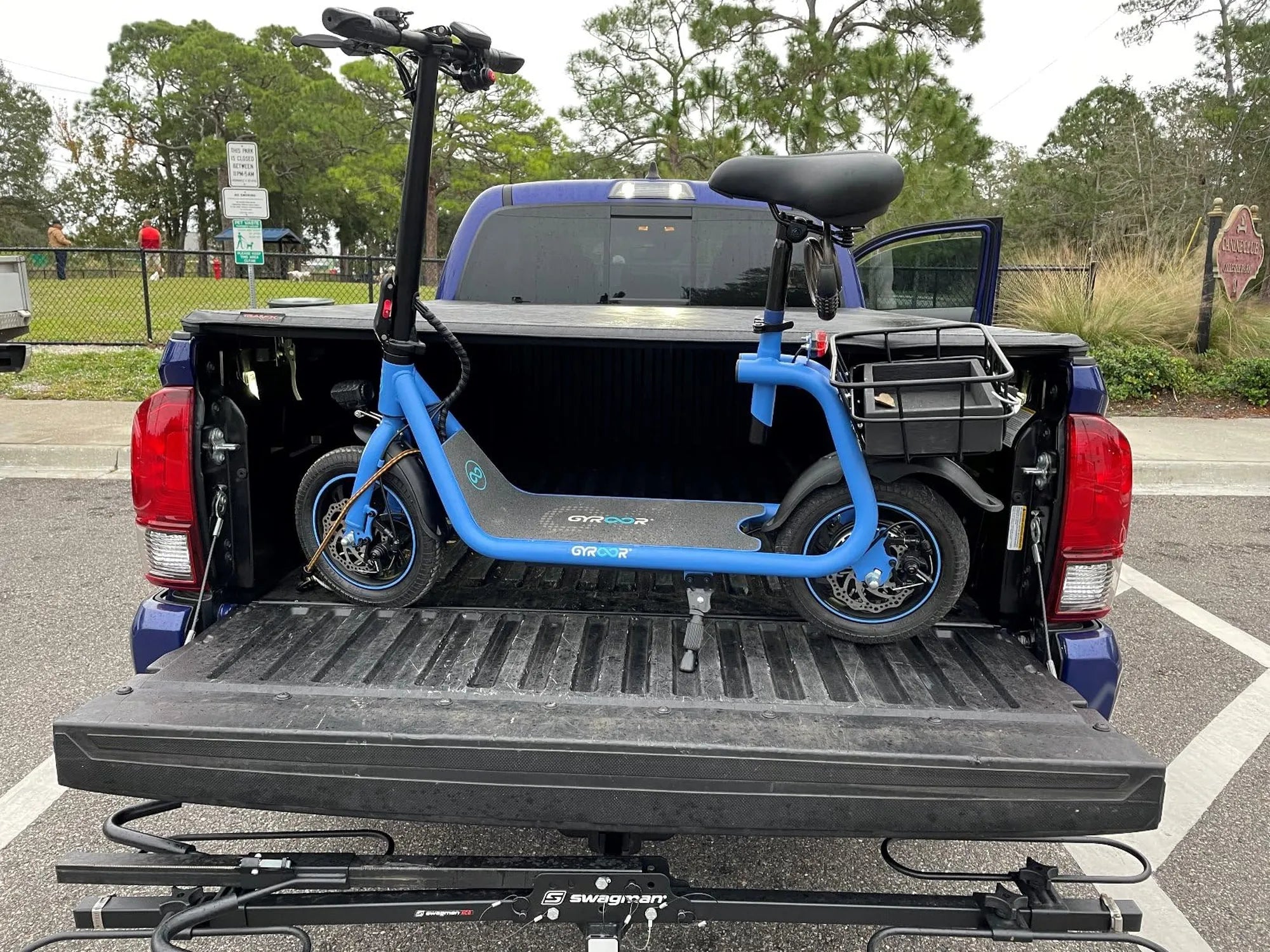
Introduction: The Rise of Two-Person Electric Scooters
Urban mobility is evolving from solitary commutes to shared, social experiences. The electric scooter market has responded with robust models engineered specifically for two adults, transforming a personal vehicle into a practical tandem transport solution. These scooters are not merely modified single-rider versions; they are built with enhanced motors, fortified frames, and superior braking systems to handle the demands of double the weight and dynamic forces.
This guide, Electric Scooters for 2 Adults: The Ultimate Guide to Shared Rides, is your comprehensive resource. We will dissect the critical engineering specs that matter, navigate the practical benefits and legal considerations, and provide a masterclass in safe tandem operation. Whether for a couple's daily commute, friends exploring a city, or efficient weekend errands, choosing the right shared scooter requires informed analysis beyond marketing claims.
What to Look for in a 2-Person Electric Scooter: 5 Non-Negotiable Features
Selecting a scooter for two is a serious engineering decision. The following five features are absolute prerequisites for safety, performance, and longevity when carrying a combined adult load.
Motor Power & Hill Climb Ability
A motor powerful enough for one rider will struggle and overheat with two. For flat terrain, a minimum sustained power of 500W is essential. For cities with inclines or for maintaining speed with a combined weight of 350+ lbs, look for dual-motor configurations or single motors in the 800W to 1000W range.
Torque, the motor's rotational force, is more critical than top speed. High torque ensures the scooter can accelerate smoothly from a stop and maintain momentum on a grade without straining the battery. A scooter that claims a 25 mph top speed for one rider may only achieve 18-20 mph with two, and its hill-climbing ability can drop by over 50%.
Deck Size, Foot Placement & Weight Capacity
The deck is your shared platform, and its dimensions directly impact stability and comfort. A true two-adult deck should measure at least 20 inches in length and 8 inches in width. This allows for a staggered stance or side-by-side footing, which is crucial for balance during turns and stops.
Manufacturer-stated weight capacity is the most critical number on the spec sheet. Never purchase a scooter with a maximum weight capacity under 400 lbs. This provides a safe margin for two average adults (approx. 320-350 lbs combined) plus bags or gear. Exceeding the limit risks catastrophic failure of the frame, stem, or wheels.
Braking System & Stability
Doubling the mass exponentially increases kinetic energy. Stopping safely requires a premium, redundant braking system. A single electronic brake or foot brake is insufficient. The gold standard is dual mechanical brakes—typically a disc brake in the front and a drum or second disc in the rear.
Stability is further enhanced by larger wheel diameter (9-10 inches minimum) and a functional suspension system, either spring or hydraulic. These features absorb road imperfections, keeping both tires in contact with the pavement for better control and braking efficacy under heavy load.
Battery Range (Real-World vs. Claimed)
Range is the first specification to degrade under load. Manufacturers' range estimates are typically based on a 165-lb rider on flat, ideal terrain. With two riders, expect only 60-70% of the advertised solo range. A scooter claiming 40 miles for one rider may realistically deliver 24-28 miles for two.
Therefore, prioritize scooters with high-capacity batteries, measured in Amp-hours (Ah). Look for a minimum of 15Ah, with 18Ah or higher being ideal for practical shared commutes. This ensures you won't be stranded and reduces the depth of discharge per cycle, prolonging overall battery life.
Build Quality, Warranty & Safety Certifications
The repeated stress of carrying heavy loads demands superior build quality. Examine the construction: the stem should have minimal flex, and weld points should be clean and robust. A comprehensive warranty is a sign of manufacturer confidence. For instance, Gyroor offers a reliable 1-year warranty on its electric scooters, covering key components.
The most critical safety certification is for the battery pack. Insist on UL certification (UL 2271 or UL 2849). This independent testing verifies the battery's resilience against electrical, mechanical, and environmental failures, drastically reducing fire risk. Brands like Gyroor utilize UL-certified battery packs tested for over 500 charge cycles as a core safety standard.
The Benefits and Practical Considerations of a Shared E-Scooter
Beyond the specifications, owning a two-person electric scooter offers tangible lifestyle and economic advantages, balanced by important logistical considerations.
Cost-Effectiveness & Eco-Friendly Commuting
While the upfront cost is higher than a single scooter, the per-person cost of ownership plummets. You share one charging cost, one insurance policy (if applicable), and one maintenance schedule. Compared to using two cars, ride-sharing services, or even two separate scooters, the tandem model offers significant savings over time.
Environmentally, it represents a highly efficient form of urban transport. Replacing even a fraction of short car trips with a zero-direct-emission electric scooter reduces traffic congestion and your carbon footprint. It's a practical step towards sustainable mobility for two.
Navigating Local Laws & Regulations
Legality is paramount and varies wildly by jurisdiction. Many cities and states have not yet updated micro-mobility laws to explicitly address tandem riding on stand-up scooters. You must proactively research your local ordinances.
Key questions to answer: Is riding with a passenger explicitly prohibited or permitted? Are there age restrictions for the operator or passenger? Are helmet laws for adults in effect? On which roads or bike lanes are scooters allowed? Assuming it's legal everywhere is a fast track to fines or confiscation.
Ideal Use Cases: From Commuting to Leisure
The versatility of a two-person scooter unlocks numerous scenarios. Couples can commute to work together or run errands without needing a car. It's perfect for leisurely weekend exploration of parks, beachfront boardwalks, or large campuses.
It also serves as an efficient "last-mile" solution from a transit station. Two people can cover that final 1-2 miles from the train or bus stop quickly and enjoyably, eliminating a tedious walk or an expensive rideshare split.
Spotlight: Key Specifications Comparison for Top Models
To make an informed choice, compare models based on the critical metrics for two riders. The table below illustrates the spectrum of capabilities available in the market. Note: These are representative examples based on common configurations.
| Model Type | Motor Power | Max Weight Capacity | Deck Size (LxW) | Battery & 2-Person Range* | Brake System | Key Feature |
|---|---|---|---|---|---|---|
| Commuter Focus | 600W Single | 440 lbs | 22" x 8.5" | 15Ah / ~22 miles | Front Disc + Rear Drum | Integrated Lights & Horn |
| Performance Focus | 800W Dual | 500 lbs | 24" x 9" | 18Ah / ~30 miles | Dual Hydraulic Disc | Adjustable Suspension |
| All-Terrain Focus | 1000W Dual | 550 lbs | 26" x 10" | 21Ah / ~35 miles | Dual Mechanical Disc | 10" Pneumatic Tires |
| Brand Example: Gyroor | 700W Peak | 440 lbs | 21" x 8" | 15Ah / ~23 miles | Front Disc + E-ABS | IPX5 Water Resistance, UL-Certified Battery |
*Estimated real-world range with two riders (approx. 350 lbs combined) under mixed conditions.
Riding Safely with a Passenger: Essential Tips & Etiquette
Operating a scooter with a passenger changes the physics entirely. These practices are essential for safety and enjoyment.
Pre-Ride Check & Communication
Conduct a tandem-specific inspection. Check tire pressure (crucial for load-bearing), test brake lever responsiveness, and ensure all bolts (especially on the stem and folding mechanism) are tight. Before moving, establish clear hand signals or verbal cues for "slowing down," "stopping," and "tight turn ahead." The passenger must agree to keep movements minimal and predictable.
Positioning, Balance, and Starting/Stopping
The operator should always stand at the front of the deck. The passenger stands directly behind, both facing forward with feet staggered for stability. To start, the operator should power on gently, and both riders should lean forward slightly together during acceleration. For stopping, both should prepare to shift weight slightly back. The passenger must never dismount until the scooter is fully stopped and stable.
Adapting to Road Conditions
Assume all reaction times and stopping distances are doubled. Begin braking earlier for intersections and obstacles. Take turns wider and at significantly reduced speed to counter the increased centrifugal force. Avoid wet surfaces, gravel, and uneven pavement whenever possible, as traction loss is more dangerous and harder to correct with extra weight. Always obey traffic laws—you are more visible but less maneuverable.
Maintenance Demands for a Heavier-Duty Scooter
Scooters carrying maximum loads require more vigilant maintenance to ensure safety and component longevity.
Tire Care and Pressure Monitoring
Under-inflated tires are the leading cause of premature wear and pinch flats under heavy loads. Check tire pressure weekly and inflate to the maximum PSI indicated on the tire sidewall. For air-filled (pneumatic) tires, consider using tire sealant as a preventative measure against small punctures.
Brake Inspection and Adjustment
Brake pads will wear faster. Inspect them monthly for thickness. Listen for grinding sounds that indicate the pads are worn out. Mechanical disc brakes will need periodic cable tension adjustment as the pads wear to maintain a firm brake lever feel. Lubricate moving brake parts as per the manufacturer's instructions.
Bolt Tightening and Frame Integrity
Vibration from riding can loosen critical bolts over time. Every few weeks, use the provided tools to check the tightness of the stem clamp, handlebar clamp, and wheel axle bolts. Periodically inspect the frame, especially near weld points and the folding mechanism, for any signs of stress cracks or metal fatigue.
Frequently Asked Questions (FAQ)
Are two-person electric scooters legal everywhere?
No, they are not. Micro-mobility laws are local. Many jurisdictions' regulations are based on single-rider device definitions. You must check your specific city and state laws. Some areas explicitly ban passengers on stand-up e-scooters for safety reasons.
Can we both ride if our combined weight is slightly over the limit?
It is strongly discouraged. The weight limit is an engineering safety threshold, not a suggestion. Exceeding it stresses the frame, motors, brakes, and battery, leading to premature failure, reduced performance, and a significantly higher risk of accident. Always choose a scooter with a capacity that exceeds your combined weight.
How much slower will we go with two riders?
Expect a 15-25% reduction in top speed on flat ground, depending on motor power. Acceleration will feel noticeably slower. The most significant impact is on hill climb; a hill a solo rider ascends at 10 mph might reduce your speed to 3-5 mph or become impassable with two riders on an underpowered scooter.
Is the IPX5 water resistance on Gyroor scooters sufficient for rain?
IPX5 rating means the scooter can withstand water jets from any direction, making it resistant to heavy rain and puddle splashes. It is sufficient for getting caught in a storm or riding on wet roads. However, it is not waterproof for submersion. You should never intentionally ride through deep standing water, and always dry the scooter after wet use.
What's the most important maintenance tip for a scooter carrying heavier loads?
Consistently maintaining correct tire pressure is the single most important task. Properly inflated tires ensure optimal load-bearing, improve range, provide better shock absorption, and reduce the risk of flats and rim damage. Neglecting tire pressure puts undue stress on every other component.
Conclusion: Finding Your Perfect Tandem Ride
Choosing an electric scooter for two adults is an investment in shared mobility, requiring a focus on robust engineering over flashy extras. Prioritize verified motor power, a strict 400+ lb weight capacity, dual mechanical brakes, and a high-capacity battery for realistic range. Safety certifications, particularly UL for the battery, are non-negotiable. Brands that build for this demand, like Gyroor with its UL-certified batteries and IPX5 water-resistant designs, offer the reliability needed for daily shared use. By matching these specifications to your local laws and riding habits, you transform a shared ride from a novelty into a dependable, efficient, and genuinely enjoyable transportation solution for two. Ready to explore models built for the long haul? Browse the full Gyroor collection at gyroorboard.com.
Electric Scooters in Stock: The Ultimate Guide to Finding Your Perfect Ride
Electric Scooters on Bike Paths: Safety, Regulations, and Future Trends