



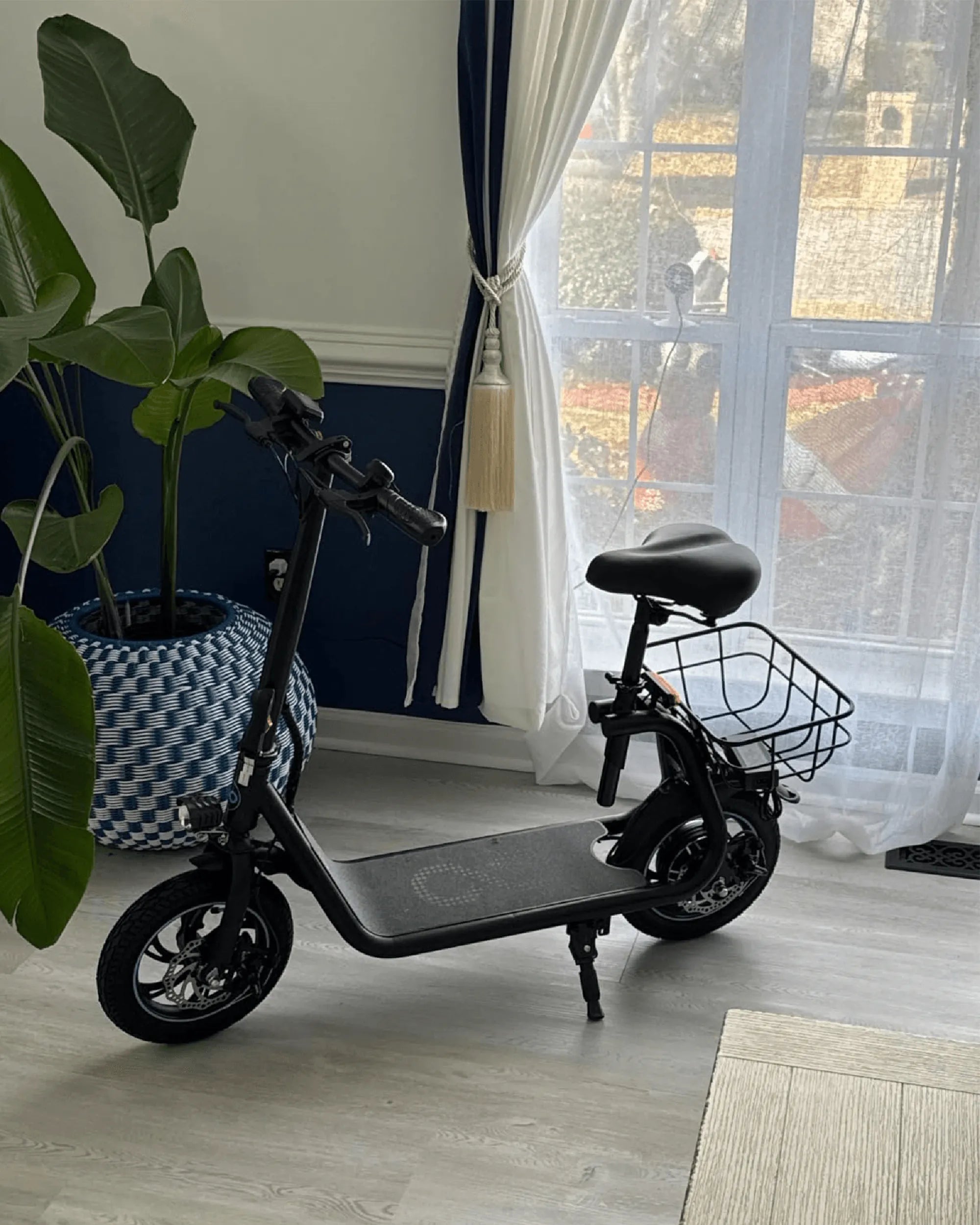
Introduction: The Joy of First Rides – Are Electric Scooters Right for Your 6-Year-Old?
Watching your child experience the thrill of their first independent ride is a milestone. Electric scooters for 6 year olds offer a unique blend of excitement, skill development, and outdoor activity. The key to a positive experience lies in selecting a scooter engineered for safety first.
This guide will help you navigate the critical features that separate a safe, durable product from a risky toy. We will analyze speed controls, braking systems, build quality, and essential safety certifications. Our goal is to empower you with the knowledge to choose a scooter that provides fun without compromising on security.
By focusing on data-driven specifications and reputable engineering, you can find an electric scooter that is a safe and fun way to ride for your young adventurer. Let's explore what makes a scooter truly appropriate for a six-year-old's capabilities and your peace of mind.
Understanding the Basics: What Makes a Scooter "Kid-Safe"?
A kid-safe electric scooter is defined by a specific set of engineering and design principles. These principles prioritize controlled power, inherent stability, and predictable handling over raw speed or performance. The core features work together to build a rider's confidence gradually.
For a 6-year-old, the scooter must be an extension of their developing motor skills, not a challenge to them. This means every component, from the deck height to the brake lever tension, must be designed with a young user in mind. Safety is not an add-on; it is the foundational design philosophy.
Speed and Power Control: The Foundation of Safety
The single most important feature is a configurable speed limiter. A maximum speed of 10 mph (16 km/h) is widely considered the safe upper limit for this age group. Look for models with multiple speed modes, often a beginner mode capped at 3-4 mph and a standard mode reaching the max speed.
This allows your child to master balance and steering at a walking pace before progressing. Parental controls, such as a PIN code to unlock higher speeds or a physical key, are invaluable. They ensure you decide when your child is ready for more speed, not the scooter's default settings.
Stability and Build: Confidence from the Ground Up
Stability is achieved through a low deck, a wide wheelbase, and a low center of gravity. A deck height of 3-4 inches from the ground makes mounting, dismounting, and foot-braking much easier and safer. The frame should be constructed from aircraft-grade aluminum—durable enough to withstand bumps but lightweight for a child to maneuver.
Wider, air-filled or honeycomb rubber tires (typically 6-8 inches) provide better shock absorption and traction on uneven surfaces compared to small, solid plastic wheels. This design significantly reduces the risk of tipping over from hitting a small crack or pebble.
Braking Systems: Controlled and Predictable Stopping
Braking is a critical safety moment. For young riders, a combination of electronic (e-brake) and rear foot brakes is ideal. The electronic brake, often engaged via a hand lever, provides smooth, progressive stopping power and is the primary brake.
A rear foot fender brake serves as a reliable backup and teaches a fundamental scooter skill. Disc brakes are generally too abrupt for young children. The goal is predictable deceleration that won't cause the rider to be thrown forward.
Key Features to Look for in a 6-Year-Old's Electric Scooter
Beyond the basic safety architecture, specific features enhance usability, durability, and parental control. These elements transform a simple vehicle into a long-lasting tool for adventure and growth. Prioritizing these features ensures your investment is sound.
Each component should contribute to a cohesive, reliable riding experience. From the battery management system to the texture on the deck, details matter. Let's examine the non-negotiable specs that define a high-quality electric scooter for 6 year olds.
Safety First: UL-Certified Batteries and Build Quality
The battery is the heart of the scooter and its most critical safety component. Insist on a UL 2271 or UL 2843 certified battery pack. This certification means the battery has undergone rigorous testing for electrical, mechanical, and environmental safety, drastically reducing fire risk.
Brands like Gyroor use these UL-certified batteries, tested for over 500 charge cycles, as a standard. The scooter's overall build should feel solid, with no sharp edges, wobbly parts, or flimsy plastic on critical stress points. A robust frame protects the internal components during the inevitable learning-curve tumbles.
Ride Confidence: Adjustable Handlebars and Deck Design
Children grow quickly. Height-adjustable handlebars (typically ranging from 24 to 32 inches) allow the scooter to fit your child properly for years, promoting better control and posture. The handlebar grips should be ergonomic and made from a non-slip material.
The deck must be wide enough for both feet to stand comfortably side-by-side and feature a pronounced, abrasive non-slip surface. This textured deck is essential for maintaining footing during acceleration, braking, and when navigating slight turns.
Parental Peace of Mind: Remote Controls and Learning Modes
Advanced parental controls offer an unparalleled layer of safety. A 2.4GHz remote control allows you to limit speed, activate cruise control, or trigger an emergency stop from a distance. This is invaluable in crowded areas or if your child becomes hesitant.
Dedicated learning modes often combine a speed cap with a gentler acceleration curve, preventing sudden jerky starts. Some models also offer app connectivity for tracking ride history and adjusting settings, though a simple physical remote is often more reliable and immediate for parents.
Top Safety Tips and Riding Rules for Young Riders
The safest scooter is only as safe as the rider's habits and environment. Establishing clear rules and consistent practices from day one is essential. Safety is a partnership between the right equipment and responsible behavior.
These guidelines are not suggestions; they are the foundational rules for preventing accidents. Reinforce them before every ride until they become second nature to both you and your child.
Essential Gear is Non-Negotiable
A properly fitted CPSC-certified bicycle helmet is mandatory for every single ride. It should sit level on the head, snug but not tight. Supplement this with knee pads, elbow pads, and durable gloves. These protect the most commonly injured areas in a fall.
For visibility, choose bright-colored gear or add reflective stickers to the helmet and scooter. If riding near dusk, ensure the scooter has functioning front and rear LED lights, and consider a reflective vest for the rider.
Choosing the Right Environment
Initial practice must occur in a controlled, car-free environment. An empty school parking lot, a smooth basketball court, or a wide paved path is ideal. The surface should be clean, dry, and free of major cracks, gravel, or sand.
Only after demonstrating mastery of starting, stopping, turning, and speed control in this safe zone should supervised rides on quiet, smooth sidewalks be considered. Never allow a young child to ride an electric scooter on or near roads with vehicular traffic.
Supervision and Boundaries
Direct adult supervision is required for all riders aged 6. This means being present, attentive, and close enough to intervene verbally or physically if needed. Set absolute boundaries regarding where the scooter can be ridden, the maximum distance from the parent, and the duration of the ride.
Establish rules like "always stop at driveways" and "slow down when you see people." Consistent supervision and clear boundaries are the most effective tools for preventing accidents and building responsible riding habits.
Comparison: Key Specifications for 6-Year-Old Riders
Evaluating models based on concrete data helps cut through marketing claims. The table below compares essential specifications you should verify before purchasing an electric scooter for a 6-year-old.
| Feature | Minimum/Safe Standard | Why It Matters |
|---|---|---|
| Max Speed | 10 mph (with lower modes) | Prevents loss of control; allows progressive learning. |
| Motor Power | 100W - 150W | Provides adequate power for small inclines without excessive torque. |
| Battery Certification | UL 2271 or UL 2843 | Ensures battery safety, reducing risk of fire or failure. |
| Weight Limit | 120 lbs (54 kg) minimum | Ensures frame and components have a safe performance margin. |
| Tire Type | 6-8" Air-Filled or Honeycomb | Provides crucial shock absorption and traction for stability. |
| Braking System | E-Brake + Foot Brake | Dual-system redundancy for reliable stopping in all conditions. |
| Handlebar Height | Adjustable (24" - 32") | Ensures proper ergonomics for control and allows for growth. |
| Water Resistance | IPX5 Rating or higher | Protects electronics from puddles and light rain, enhancing durability. |
Why Trust Matters: The Importance of Brand Reputation and Warranty
In a market flooded with options, the brand's reputation is a primary indicator of safety and quality. Established brands invest in engineering, certifications, and customer support that generic or unknown manufacturers often skip. This investment directly impacts your child's safety.
Choosing a trusted brand is an investment in reliability and long-term value. It means access to replacement parts, actionable customer service, and a product built to a verifiable standard. Let's examine what that trust looks like in practical terms.
The Value of a Comprehensive Warranty
A clear, accessible warranty of at least one year on the frame, motor, and battery demonstrates a manufacturer's confidence in its product. It protects you from costly repairs due to manufacturing defects. Gyroor, for example, backs its scooters with a reliable 1-year warranty, ensuring support is available if needed.
Always read the warranty terms to understand what is covered. A strong warranty is often paired with accessible customer service, making it a useful tool rather than just a marketing promise.
Certifications as a Safety Benchmark
Safety certifications are earned, not claimed. UL certification for the battery system is the most critical. For overall water and dust resistance, an IP rating (e.g., IPX5) is a standardized measure of protection. These are not mere checkboxes; they are the result of independent laboratory testing.
Brands that submit their products for this testing are committing to a higher standard of safety and quality control. This commitment is a key differentiator from unbranded or non-compliant products.
Accessible Customer Support and Community Trust
Before purchasing, test the brand's customer support. Are there clear contact channels? Is there a US-based or responsive service team? A brand with a large, established customer base—like Gyroor, trusted by over 100,000 riders—has a proven track record.
This community trust is built on consistent performance and positive user experiences. It also means a wealth of real-world feedback and shared knowledge is available to new parents.
Frequently Asked Questions (FAQs)
What is the appropriate speed for a 6-year-old?
The maximum safe speed for a 6-year-old is 10 mph (16 km/h). However, the scooter must have a beginner mode that limits speed to 3-4 mph for initial learning. Parental control over switching between these modes is essential for a safe, progressive learning curve.
How long does the battery last, and is it safe to charge indoors?
A quality scooter for this age group typically offers 40-60 minutes of continuous ride time on a full charge, depending on terrain and speed mode. It is safe to charge indoors only if the battery is UL-certified. Always charge on a hard, non-flammable surface, away from bedding or curtains, and do not leave it charging unattended for extended periods.
Can the scooter handle small bumps or slight inclines?
Yes, a well-built scooter with a 150W motor and air-filled or honeycomb tires can handle small pavement cracks, grass edges, and slight inclines (up to 10-15% grade). However, it is not an all-terrain vehicle. Avoid gravel, sand, steep hills, and large obstacles which can cause loss of control.
What is the typical weight limit for these scooters?
A robust electric scooter for 6 year olds should have a minimum weight limit of 120 lbs (54 kg). This provides a significant safety margin above the average weight of a child this age, ensuring the frame, wheels, and brakes perform reliably and durably over time.
How do I maintain the scooter to ensure its longevity and safety?
Regular maintenance is simple but crucial. Keep tires properly inflated (if air-filled). Check and tighten bolts (especially on handlebars and stem) every few rides. Clean the scooter with a damp cloth; avoid high-pressure water. Store it in a dry place. Regularly inspect the brakes for responsiveness and check for any unusual sounds or frame damage.
Conclusion: Empowering Safe Adventures
Choosing an electric scooter for your 6-year-old is about balancing exhilarating fun with unwavering safety. The right model, defined by speed limiters, UL-certified batteries, stable construction, and parental controls, becomes a powerful tool for building confidence, coordination, and a love for the outdoors.
This journey requires an active partnership. Your role in selecting quality protective gear, teaching responsible habits, and providing consistent supervision is just as important as the scooter's specifications. When these elements align, the electric scooter transforms into a safe and fun way to ride, creating cherished memories of childhood independence.
For parents ready to explore a range of youth models built with these rigorous safety principles, consider brands that prioritize certified components and thoughtful design. Browse the full Gyroor collection at gyroorboard.com to discover electric scooters engineered for safety, durability, and the joy of a first ride.
Electric Scooters Seattle: The Ultimate Guide to Riding in the Emerald City
Best Electric Scooters for Adults Under $300: Affordable and Reliable Rides