



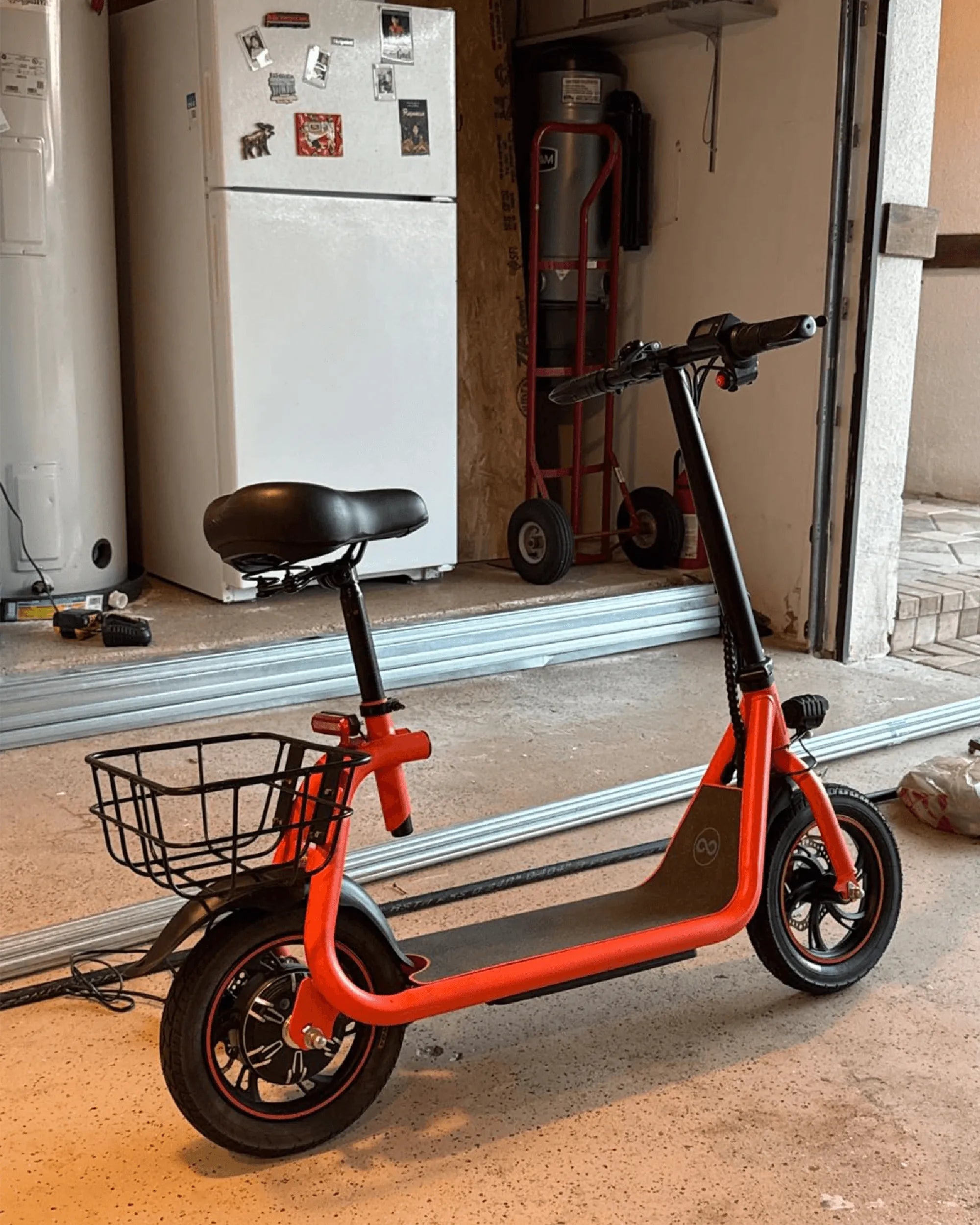
Introduction: Redefining the Adult Commute with 25 mph Electric Scooters
Urban transportation is undergoing a quiet revolution, led by a new class of personal electric vehicles designed specifically for adults. At the forefront are electric scooters for adults 25 mph, which have evolved from recreational gadgets into legitimate, efficient commuting machines. These scooters address the core challenges of city travel: traffic congestion, high fuel costs, and the inefficiency of public transit for short-to-medium distances.
This shift represents more than a trend; it's a practical solution for millions seeking reliable daily transportation. The 25 mph speed threshold is particularly significant, as it represents the optimal balance between getting places quickly and maintaining a high degree of safety and legal compliance. For the modern urban adult, a well-engineered scooter at this speed isn't a toy—it's a transformative tool for reclaiming time and freedom.
Leading this charge is Gyroor, a brand trusted by over 100,000 riders across North America and Europe. With a focus on UL-certified battery safety, robust IPX5 water-resistant designs, and reliable performance, Gyroor exemplifies the engineering required for a scooter to be a true urban commuting solution. This guide will explore why the 25 mph electric scooter category is ideal for adults and what you need to know to choose the right model for your daily life.
The 25 mph Sweet Spot: Why This Speed is Ideal for Urban Adults
The choice of a 25 mph top speed is a deliberate engineering and regulatory sweet spot. In most urban and suburban environments, the average traffic flow on local roads ranges from 25 to 35 mph. A scooter capable of a sustained 25 mph allows a rider to keep pace with this flow safely in a designated bike lane, dramatically reducing speed differentials and increasing predictability for both the rider and surrounding drivers.
From a regulatory standpoint, 25 mph is a critical threshold. In many jurisdictions across the United States and Europe, electric scooters with a maximum speed under 20-28 mph (varies by region) are classified as "low-speed electric bicycles" or similar, which often exempts them from licensing, registration, and insurance requirements mandated for motorcycles or mopeds. This makes a 25 mph scooter a true "grab-and-go" vehicle with minimal bureaucratic hassle.
Psychologically and practically, this speed is optimal for distances between 2 and 8 miles—the classic "last-mile" or full urban commute. At 25 mph, a 5-mile commute takes just 12 minutes of ride time, compared to 30+ minutes on a bus with stops or 60 minutes walking. This efficiency is the core value proposition. It's fast enough to be a genuine time-saver but not so fast that it requires specialized riding gear or presents excessive risk on shared pathways.
Furthermore, a scooter designed to capably handle 25 mph is typically built with higher-grade components than slower models. It requires a more powerful motor, a larger battery for range at that speed, and more robust brakes and suspension. Therefore, targeting this performance tier often means investing in a more durable, safer, and longer-lasting vehicle overall, making it a smarter long-term purchase for an adult commuter.
Key Features to Prioritize in a 25 mph Commuter Scooter
Not all electric scooters labeled as 25 mph are created equal. For an adult relying on it for daily transportation, certain features transition from nice-to-have to non-negotiable. These components ensure not just speed, but also safety, reliability, and comfort over hundreds of commutes.
Motor Power & Battery Performance: The Heart of Reliable Speed
The motor is the engine of your commute. To reliably achieve and maintain 25 mph, especially with an adult rider and potential inclines, a continuous motor power rating of at least 500W is essential, with 600W-800W being ideal for consistent performance. Peak power ratings will be higher, but the continuous rating determines sustained speed under load.
Equally critical is the battery. Speed drains energy quickly. A scooter must have a high-capacity battery (typically 48V 10.4Ah or larger, equating to roughly 500 Watt-hours or more) to provide a useful range while traveling at top speed. More importantly, the battery's safety and longevity are paramount. This is where Gyroor's commitment to UL-certified battery packs becomes a major differentiator.
UL certification involves rigorous testing for overcharge protection, short-circuit prevention, and thermal stability. Gyroor batteries are tested for over 500 charge cycles, ensuring they retain significant capacity over years of daily use. For the commuter, this means peace of mind against potential fire hazards and confidence that the scooter's range won't degrade precipitously after a single season.
Build Quality & Safety Systems: Confidence at Every Turn
At 25 mph, braking and stability are not optional. A premium commuter scooter must have a dual or triple braking system. A combination of a front disc brake (for powerful, modulated stopping) and a rear electronic or drum brake is standard for effective, balanced braking power that works in all weather conditions.
The frame should be constructed from aerospace-grade aluminum or reinforced steel, capable of supporting riders up to 265 lbs or more without flex. Wide, pneumatic (air-filled) tires, typically 8.5 or 10 inches in diameter, provide crucial shock absorption and maintain traction on imperfect city streets. A full suspension system—often a combination of front spring or hydraulic suspension and a rear shock—is vital for handling potholes and curb cuts comfortably.
Finally, ingress protection is key for a vehicle used daily. Gyroor models feature an IPX5 water-resistant rating, meaning they can withstand water jets from any direction. This allows you to ride confidently in light rain or on wet roads without worrying about immediate damage to electrical components, a fundamental requirement for a reliable urban commuting solution.
Comfort & Practicality for Daily Use
Comfort directly impacts usability. A wide, textured deck provides stable footing. An intuitive control panel with a clear display showing speed, battery level, and riding mode is essential. Bright LED headlights and taillights, along with side reflectors, are mandatory for visibility during dawn, dusk, or night rides.
The folding mechanism must be robust and simple to operate with one hand, allowing for easy storage under a desk or on public transit. Portability is also influenced by weight; models in this class typically weigh 35-50 lbs. While not ultra-light, this weight contributes to stability at speed and allows for manageable carrying over short distances.
Data-Driven Comparison: What 25 mph Really Means for Your Commute
To understand the tangible impact of a 25 mph electric scooter, it helps to look at the data. The time savings compared to other modes of transport are substantial for typical urban trip lengths.
| Commute Distance | Walking (20 min/mile) | City Bus (Avg. 12 mph) | E-Scooter @ 25 mph (Inc. stops) | Time Saved vs. Bus |
|---|---|---|---|---|
| 3 miles | 60 minutes | ~20 minutes | ~10 minutes | 10 minutes |
| 5 miles | 100 minutes | ~30 minutes | ~15 minutes | 15 minutes |
| 8 miles | 160 minutes | ~45 minutes | ~25 minutes | 20 minutes |
Range is another critical data point. Manufacturers often advertise a "maximum range," but this is usually tested at a constant, lower speed (e.g., 15 mph) with a lightweight rider on flat ground. Real-world range at a sustained 25 mph is typically 60-70% of the advertised maximum. For example, a scooter advertised with a 40-mile range might deliver 25-28 miles at full speed. Factors like rider weight, wind, hills, and temperature further influence this.
For an adult commuter, the key is to choose a scooter with a battery capacity that provides at least double your one-way commute distance at 25 mph. This accounts for range degradation over time, colder weather, and the need to make errands without range anxiety. The efficiency of electric scooters for adults 25 mph also translates to cost: the electricity to charge a 500Wh battery costs less than 10 cents, making a 5-mile commute cost a fraction of a penny per mile.
Navigating Regulations and Riding Safely as an Adult
The legal landscape for electric scooters is evolving but generally favorable for 25 mph models. In most U.S. states, they are permitted on roads with speed limits up to 35 mph and in bicycle lanes. They are almost universally prohibited on sidewalks for safety reasons. Key regulations often include a minimum rider age (usually 16+), a prohibition on passenger riding, and requirements for lights and reflectors if riding at night.
Helmet laws vary, but from a safety perspective, a certified bicycle or multi-impact helmet is an absolute necessity for any adult riding at 25 mph. Responsible riding is the cornerstone of this mobility solution. This means:
- Always assume cars do not see you. Ride defensively and predictably.
- Use hand signals for turns and stops.
- Obey all traffic signals and signs.
- Do not ride under the influence of alcohol or drugs.
- Perform a quick pre-ride check of tires, brakes, and lights.
By adopting the mindset and practices of a vehicle operator—not a pedestrian on wheels—riders of electric scooters for adults 25 mph integrate safely into the urban transportation ecosystem and help ensure the long-term acceptance of this efficient mode of travel.
Maintenance and Long-Term Ownership Costs
Owning a quality electric scooter involves minimal but crucial maintenance. Regular upkeep ensures safety, performance, and longevity. The primary wear components are tires, brake pads, and the battery.
Pneumatic tires should be checked weekly for proper pressure (PSI listed on the tire sidewall) to maximize range, comfort, and puncture resistance. Brake pads should be inspected monthly for wear; disc brake pads are typically easy to replace. Keeping the brake calipers and rotors clean ensures consistent stopping power.
The battery requires the most care. For optimal lifespan, avoid regularly draining it to 0%. Try to recharge when it reaches 20-30% capacity. Store the scooter in a cool, dry place, and avoid leaving it at full charge for extended periods (weeks) if not in use. Gyroor's UL-certified packs and built-in Battery Management Systems (BMS) handle much of this protection automatically, but user habits still play a role.
Beyond consumables, the main cost is electricity, which is negligible. Compared to the annual costs of fuel, insurance, parking, and maintenance for a car, or even a monthly public transit pass, a reliable electric scooter presents extraordinary value. The one-year comprehensive warranty offered by brands like Gyroor provides critical protection for the electrical and mechanical systems, safeguarding your investment.
Why Gyroor Stands Out in the 25 mph Commuter Category
In a market with many options, Gyroor establishes itself as a leader for the discerning adult commuter through a focus on core engineering principles and rider trust. The foundation is safety: the use of UL-certified batteries across their lineup addresses the single greatest concern with electric micro-mobility. This certification is not ubiquitous in the industry and represents a significant commitment to quality and risk mitigation.
The IPX5 water-resistant rating is another practical differentiator. Commuting is a daily activity, and weather is unpredictable. The ability to ride without panic through a puddle or a sudden rain shower transforms the scooter from a fair-weather option into a dependable primary vehicle. This durability is backed by a robust 1-year warranty and accessible customer support, a necessity for a product used in demanding daily conditions.
Gyroor designs its scooters, like those in its commuter-focused series, with the adult rider in mind. This means appropriate weight capacity, ergonomic handlebars, intuitive controls, and a focus on stable, confident riding dynamics at 25 mph. The combination of these factors—certified safety, weather resilience, reliable performance, and strong support—creates a value proposition centered on peace of mind, which is the ultimate luxury for any daily commuter.
Frequently Asked Questions (FAQ)
Q1: Do I need a driver's license or insurance to ride a 25 mph electric scooter?
A: In most U.S. states and many European countries, a driver's license is not required for scooters under 28 mph. Insurance is also typically not mandatory, but it's wise to check your local and state regulations, as laws can vary by city and are subject to change.
Q2: How far can I really go on a single charge at 25 mph?
A: Real-world range at top speed is typically 60-70% of the advertised maximum range. For a scooter advertised at 40 miles, expect 24-28 miles at a sustained 25 mph. Factors like rider weight, hills, and headwinds will affect this. Always choose a scooter with a range rating significantly longer than your longest regular trip.
Q3: Are 25 mph electric scooters safe?
A> Safety is a combination of vehicle design and rider behavior. A well-built scooter with dual brakes, suspension, bright lights, and a UL-certified battery (like Gyroor's) provides a safe platform. The rider must then wear a helmet, obey traffic laws, and ride defensively. At 25 mph, proper safety gear and awareness are non-negotiable.
Q4: Can I ride in the rain?
A: Scooters with a high water resistance rating (IPX5 or higher, like Gyroor models) are designed to withstand rain and wet roads. However, you should always reduce speed, avoid deep puddles that could submerge the deck, and dry the scooter off after riding in the wet. Avoid torrential downpours.
Q5: What is the most important feature to look for?
A> For an adult commuter, the most critical feature is a combination of a reliable, safe battery system (UL-certification is a strong indicator) and effective dual braking systems. Speed is meaningless without the ability to stop safely and the confidence that the energy source is secure.
Embracing a Smarter, Faster Urban Mobility
The electric scooter for adults 25 mph has proven itself as more than a passing fad; it is a logical, efficient, and enjoyable response to the challenges of modern urban life. It represents a personal transportation solution that saves time, reduces environmental impact, and lowers commuting costs dramatically. The 25 mph specification is the key, offering a Goldilocks zone of speed that is practical, permissible, and powerful enough for serious travel.
Choosing the right scooter means looking beyond top speed to the underlying engineering that guarantees safety, durability, and day-in, day-out reliability. It demands a focus on certified battery technology, all-weather capability, and robust construction. For over 100,000 riders, Gyroor has delivered on this promise with a focus on these fundamental principles, earning a 4.5/5 average rating from a growing community of commuters.
The future of urban mobility is personal, electric, and intelligent. By selecting a well-engineered 25 mph electric scooter, you are not just buying a product; you are investing in a faster, more flexible, and more sustainable way of navigating your city. Experience the difference that purpose-built, reliable engineering makes.
Ready to transform your commute? Explore Gyroor's collection of high-performance, UL-certified electric scooters designed for the adult rider. Find the perfect model to match your distance, terrain, and lifestyle at gyroorboard.com.
Are Electric Scooters Water Resistant? What You Need to Know for Safe Riding
How Do Electric Scooters Charge: A Complete Guide to Powering Your Ride