



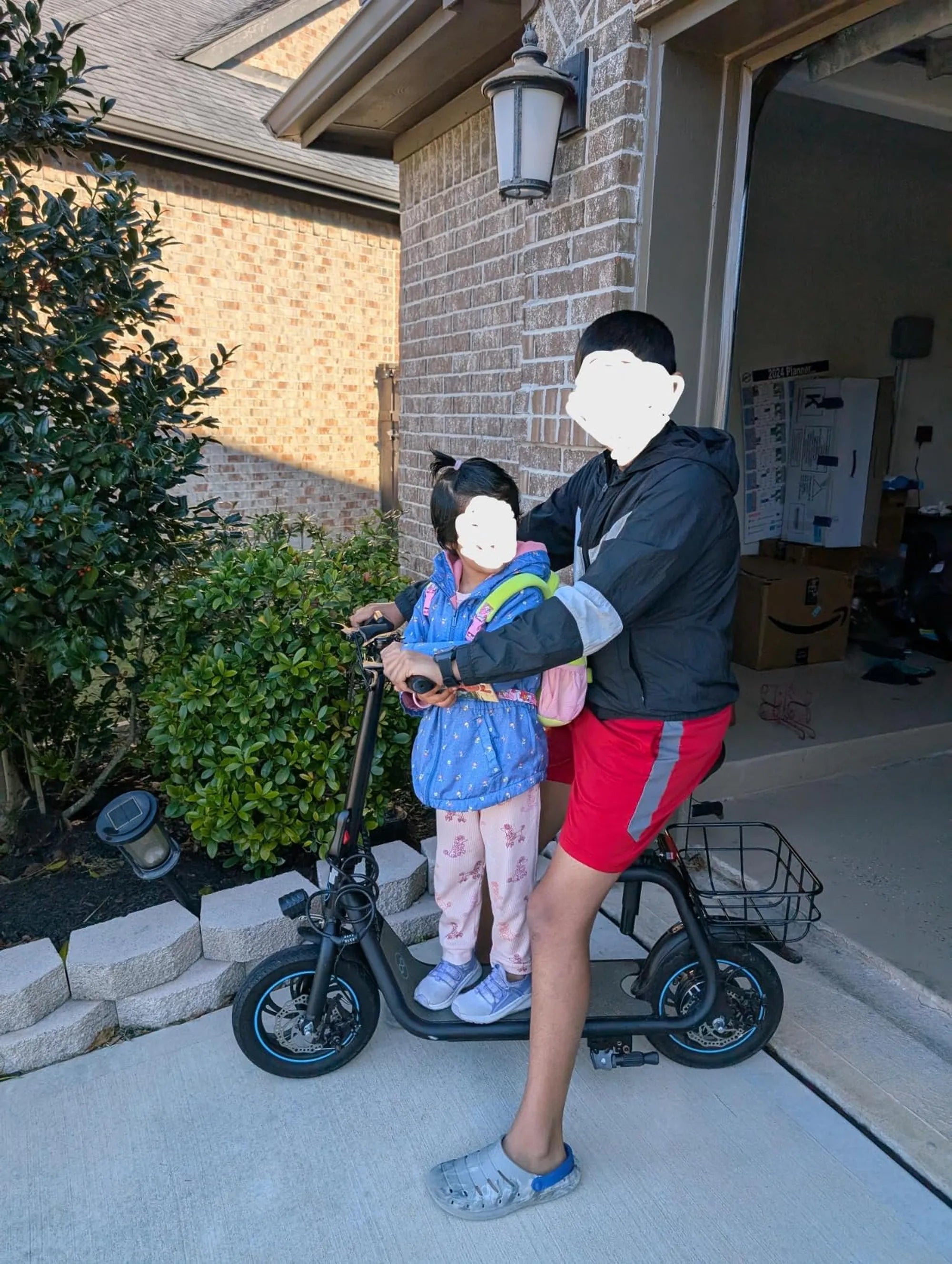
Introduction: Finding a Durable and Affordable Electric Scooter for Heavier Riders
For adults weighing over 100kg (220lbs), the search for an electric scooter often hits a frustrating wall. Many popular, budget-friendly models cap their weight capacity just below this threshold, leaving heavier riders with limited, often expensive options. This guide is dedicated to solving that exact problem. We will define what "cheap" truly means in this context—not as the lowest possible price, but as the best value for a robust, safe, and powerful ride that won't fail under load.
Finding Electric Scooters for Adults Over 100kg Cheap requires a shift in perspective. It's about identifying which engineering specifications non-negotiably support a heavier rider and which brands build durability into their affordable segments. Compromising on key components for a lower upfront cost leads to poor performance, safety risks, and a scooter that breaks down quickly, becoming an expensive mistake.
You will learn how to interpret spec sheets for real-world performance, prioritize features that ensure longevity, and discover models that balance power with price. The goal is a safe, reliable scooter that delivers on its promises, offering true affordability through durability and smart design.
Why Weight Capacity Matters: Beyond the Number on the Spec Sheet
A scooter's maximum weight rating is not just a suggestion; it's a critical safety and performance benchmark derived from stress testing its core components. Exceeding this limit, even slightly, can have cascading effects on the scooter's integrity and your safety.
For a rider over 100kg, every aspect of the scooter works harder. The motor demands more current to provide acceleration, the battery depletes faster, and the frame, brakes, and tires endure greater kinetic forces. A model rated for 120kg is engineered with thicker aluminum alloys, more robust weld points, and a sturdier deck to handle these constant stresses.
Choosing a scooter with a generous weight capacity provides a vital safety margin. It means the scooter operates within its designed parameters, reducing wear on components, preventing premature failure of the stem or deck, and ensuring braking systems can handle the momentum. This margin is the foundation of both safety and long-term value.
Ultimately, the weight capacity is a proxy for overall build quality. Manufacturers that cater to heavier riders typically reinforce other areas, leading to a more dependable product overall. Ignoring this spec to save money is the riskiest compromise you can make.
Key Features to Prioritize for Riders Over 100kg
Once you've filtered for a sufficient weight capacity (we recommend a minimum of 120kg for a 100kg rider), these core features become the differentiators between a scooter that merely works and one that excels.
Motor Power and Torque: The Heart of Performance
Motor wattage is crucial, but understanding the difference between peak and continuous power is key. A 500W peak motor might struggle on a hill if its continuous output is only 250W. For riders over 100kg, seek a minimum of 350W of continuous power for flat urban commuting.
For any inclines or varied terrain, 500W continuous or higher is advisable. Torque, the rotational force that gets you moving from a stop, is equally important. A high-torque motor ensures snappy acceleration even under load, preventing the scooter from feeling sluggish at intersections.
Dual-motor configurations offer the most power but consume battery rapidly and are often found in higher-priced performance models. For most heavier riders seeking value, a single, robust rear-wheel-drive motor with high continuous wattage provides the best balance of power, range, and cost.
Battery & Range Realities: Managing Expectations
Advertised range is almost always based on a 75kg rider on perfect, flat terrain. For a rider over 100kg, real-world range can be 30-40% less. A scooter claiming 25 miles might deliver 15-17 miles. Always plan your purchase with this significant discount in mind.
Battery quality is paramount. Look for packs using name-brand, UL-certified lithium-ion cells. These ensure safer, more stable operation, better performance in varied temperatures, and longer lifespan (often 500+ charge cycles). A cheap scooter with a no-name battery is a fire risk and will degrade quickly, stranding you with a short range in a matter of months.
Voltage (V) and amp-hour (Ah) capacity together determine total energy (Wh). A higher Wh rating generally means more potential range. For a heavier rider, a 36V 10Ah (360Wh) battery is a practical minimum for short commutes, with 48V systems offering superior performance for longer distances.
Frame Build and Suspension: Ensuring Stability and Comfort
The frame is the scooter's skeleton. For heavier riders, a rigid, aerospace-grade aluminum alloy frame is essential to prevent flexing, which causes wobble at speed and metal fatigue over time. Inspect the design: reinforced welding at the stem joint and a wide, long deck provide a stable platform.
Suspension is not a luxury; it's a critical component for control and durability. It absorbs impacts from cracks and bumps, reducing stress transferred to the frame, handlebars, and, most importantly, the rider. A good suspension system—whether spring or hydraulic—improves tire contact with the road, enhancing braking safety.
For a rider over 100kg, a dual suspension system (front and rear) is highly recommended. It manages the increased force during impacts, provides a smoother ride, and helps prevent damage to the scooter's internal electronics from constant vibration.
Braking System and Tire Choice: Safety First
Stopping power is non-negotiable. Heavier mass carries more momentum, requiring stronger brakes. A combination braking system is ideal. Look for a scooter with at least one reliable mechanical brake—a disc brake or drum brake—paired with an electronic regen brake.
Disc brakes, especially hydraulic ones, offer the most consistent and powerful stopping performance in all weather conditions. While drum brakes are lower maintenance, they can overheat on long descents. Never rely solely on electronic or foot fender brakes when riding at or near the weight limit.
Tire choice is a trade-off. Pneumatic (air-filled) tires offer superior shock absorption and traction, greatly improving comfort for a heavier rider. The downside is puncture risk. Solid (airless) tires are maintenance-free but provide a harsher ride and less grip, especially on wet surfaces. For urban use, pneumatic tires with a good sealant are often the preferred comfort choice.
Top Contenders: Affordable Electric Scooters Built for Heavier Riders
Based on the criteria above, we've identified models that offer a strong blend of high weight capacity, key performance features, and value-focused pricing. These are contenders known for robust construction rather than being mere budget options.
Model Comparison: Specs at a Glance
| Model Name | Max Weight Capacity | Motor Power (Continuous) | Advertised Range | Brake Type | Suspension | Key Value Proposition |
|---|---|---|---|---|---|---|
| Gyroor GX1 | 120 kg / 265 lbs | 350W | Up to 18 miles | Front Disc + Rear E-ABS | Front Spring | UL-certified battery, IPX5 waterproof, 1-year warranty. |
| Model B (Generic Competitor) | 125 kg / 275 lbs | 500W (Peak) | Up to 22 miles | Dual Drum Brakes | Dual Spring | High peak power, dual suspension. |
| Model C (Generic Competitor) | 150 kg / 330 lbs | 600W (Peak) | Up to 20 miles | Rear Disc + Foot | Front Spring | Very high weight limit, powerful motor. |
Note: Advertised range is under ideal conditions. Real-world range for a 100kg+ rider will be lower, as discussed.
Spotlight on Value: Gyroor's Durable Design Philosophy
The Gyroor GX1 exemplifies how a brand can build an affordable scooter without cutting critical corners for heavier riders. Its 120kg capacity is backed by a reinforced frame and a 350W motor tuned for reliable torque. The inclusion of a front mechanical disc brake provides confident stopping power that a drum-only system can lack.
True value is defined by longevity and safety. The GX1's use of a UL-certified battery pack is a major differentiator, ensuring safe, consistent power delivery and long-term cell health. Combined with an IPX5 water-resistant rating, this scooter is built to handle daily commutes and occasional weather, reducing long-term failure risk.
This approach protects your investment. Gyroor's comprehensive 1-year warranty on the scooter, backed by a brand trusted by over 100,000 riders, offers peace of mind that cheaper, off-brand options simply cannot match. For the rider seeking Electric Scooters for Adults Over 100kg Cheap in terms of total cost of ownership, this focus on certified safety and warranty support is where real affordability is found.
Smart Shopping Tips for the Budget-Conscious Heavy Rider
Your purchasing decisions directly impact the safety, performance, and lifespan of your scooter. Here’s how to shop wisely.
Always buy from authorized retailers or the brand's official website. Marketplaces can host third-party sellers offering outdated models, counterfeit parts, or invalid warranties. Purchasing from Gyroor or their authorized partners guarantees you receive a genuine product with full warranty support.
Scrutinize customer reviews, but read them strategically. Filter for reviews from verified purchasers who mention their weight. Look for comments on long-term durability, hill performance, and real-world range after several months of use. A pattern of complaints about stem wobble, brake failure, or rapid battery degradation is a major red flag.
Understand the warranty in detail. What does it cover (frame, motor, battery, electronics)? What is the process for a claim? A strong warranty, like Gyroor's 1-year coverage, is a sign of manufacturer confidence and your best protection against defects. A short or non-existent warranty often signals disposable construction.
Factor in the cost of essential safety gear—a helmet rated for cycling or skateboarding is mandatory—and any potential accessories like a better tire sealant or a phone mount. The true cost of your scooter is the purchase price plus these necessary additions.
Maintenance and Safety Checklist for Heavier Loads
Increased weight accelerates wear. A proactive maintenance routine is essential for safety and to extend your scooter's life.
Weekly Checks: Inspect tire pressure (for pneumatic tires). Under-inflated tires increase rolling resistance, kill range, and risk pinch flats. Visually check brake pads for wear and test brake lever firmness. Ensure all bolts, especially those on the stem and folding mechanism, are tight.
Monthly Checks: Listen for new creaks or rattles that may indicate loose components. Examine the deck and stem for any hairline cracks. Clean the scooter with a damp cloth, avoiding direct water spray on electronic ports even with water-resistant ratings.
Riding Safety: Always respect the scooter's limits. Avoid potholes and curbs that can cause impact damage. Allow for longer braking distances, especially in wet conditions. Distribute your weight centrally on the deck for optimal stability and control.
Battery Care: Follow the charging guidelines. Avoid draining the battery to 0% regularly. Store the scooter in a cool, dry place. Proper care of the UL-certified battery is the easiest way to preserve your scooter's value and performance over years.
Frequently Asked Questions (FAQ)
Q1: Can I modify a scooter to increase its weight limit?
A: Absolutely not. Modifications like adding a more powerful motor or reinforcing the frame yourself void the warranty and create extreme safety hazards. The weight limit is based on the entire system's engineering. Tampering can lead to catastrophic failure of the stem, forks, or brakes while riding.
Q2: Is the advertised range at all accurate for my weight?
A: As a rule of thumb, riders over 100kg should expect to achieve 60-70% of the advertised range under similar conditions (speed, terrain, temperature). Always buy a scooter with a battery capacity (Wh) that meets your minimum needed range after applying this discount.
Q3: Are solid tires better than pneumatic for heavier riders?
A: It's a trade-off. Solid tires eliminate puncture worries but offer a much harsher, less comfortable ride and can have less grip, particularly on wet roads. For comfort and traction, high-quality pneumatic tires with proper pressure are generally recommended, with the use of tire sealant as a preventative measure.
Q4: What's more important: a higher wattage motor or a higher voltage battery?
A: They work together. A higher wattage motor provides more power for acceleration and hills. A higher voltage battery (e.g., 48V vs. 36V) allows that motor to deliver its power more efficiently, often resulting in better torque and higher top speeds. For heavy riders, a combination of both is ideal.
Q5: How crucial is water resistance for an urban commuter?
A: Very. An IPX5 rating (like on the Gyroor GX1) means the scooter can withstand water jets from any direction. This protects the electronics from puddle splashes, wet roads, and light rain. It's a critical feature for real-world reliability and preventing costly water damage, making it a key value feature.
Conclusion: Investing in a Ride That Lasts
The journey to find capable Electric Scooters for Adults Over 100kg Cheap redefines affordability. True value isn't the lowest sticker price; it's the cost of ownership over years of reliable service. For a heavier rider, this means prioritizing a robust motor for confident acceleration, a quality UL-certified battery for safe range, a rigid frame for stability, and reliable brakes for essential safety.
Brands that invest in these fundamentals, like Gyroor with its certified components and strong warranty, offer genuine peace of mind. They build scooters designed to handle the demands of a 100kg+ rider day after day, turning an affordable purchase into a long-term transportation solution. Compromising on these pillars to save money upfront inevitably leads to disappointment, repair costs, and an unsafe ride.
Your weight requires a tool, not a toy. Choose a scooter engineered to be that tool. Assess the specs, trust in verified durability, and invest in a model that empowers your mobility without compromise. Start your search with brands that transparently support heavier riders with robust designs and clear warranties.
Ready to explore a range built for durability? Browse the full Gyroor collection, including models like the GX1 designed for powerful, reliable performance, at gyroorboard.com.
Electric Scooters Panama City Beach: Your Ultimate Guide to Fun & Convenience
Cheap Electric Scooters for Adults Under $50: Are They Worth It?