

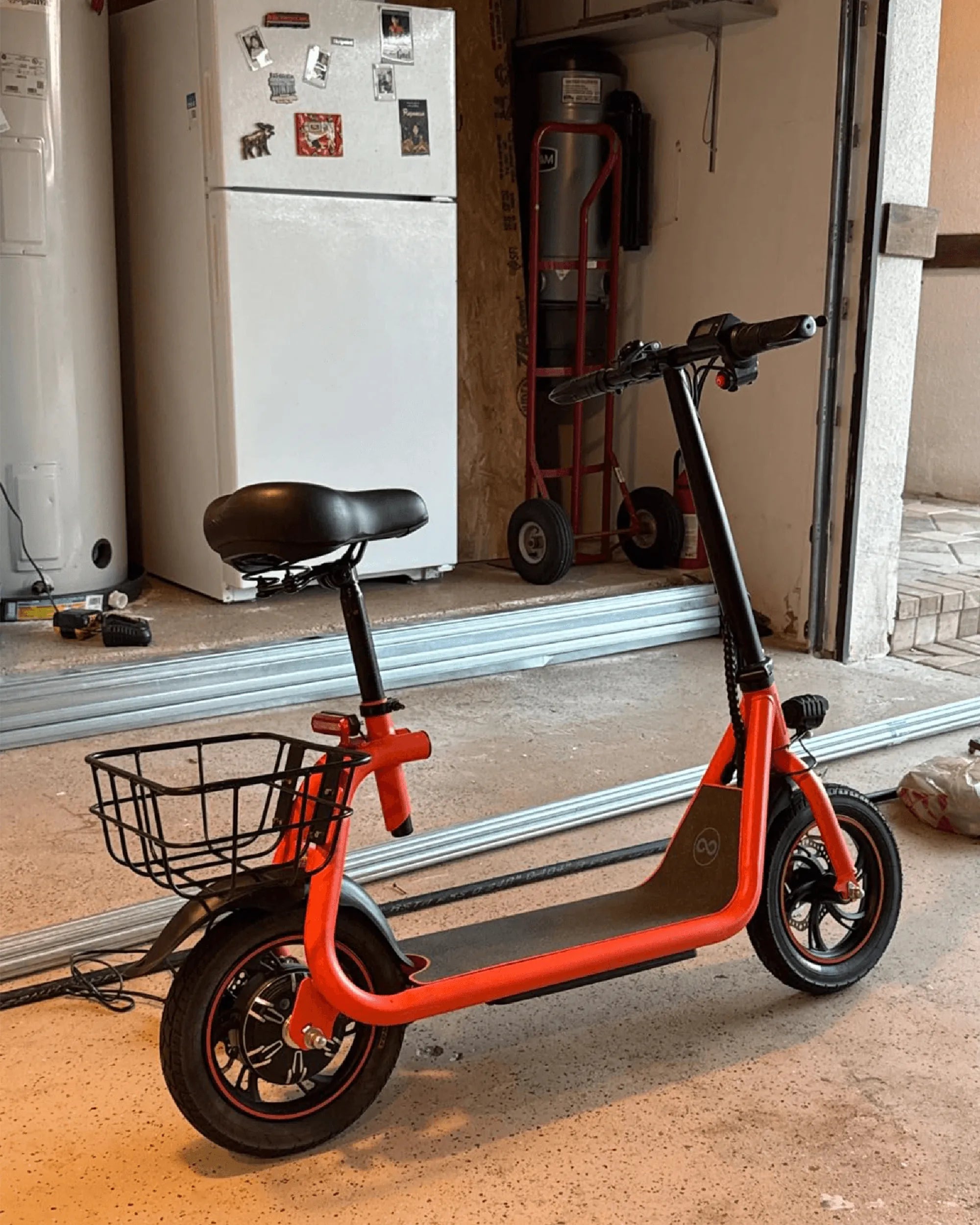
Introduction: The Rise of Electric Scooters for Kids
Electric scooters have transformed from niche gadgets into a mainstream mode of transport and recreation for children. They offer an exhilarating blend of freedom, fun, and practical mobility. For parents, navigating this new landscape requires balancing excitement with essential safety considerations. This guide provides a complete framework for understanding, choosing, and safely using electric scooters for children: a safe and fun way to ride. We will cover critical benefits, non-negotiable safety gear, a detailed selection checklist, and the engineering standards that separate trustworthy brands from the rest.
The appeal is clear. These scooters provide an active, outdoor alternative to screen time, helping kids develop physical coordination and a sense of independence. However, the market varies widely in quality and safety. A well-chosen scooter from a reputable manufacturer, paired with proper supervision and gear, creates a positive experience. The goal is to empower fun while building confidence—for both the child and the parent.
This article is structured to answer every question a parent might have. We move from the "why" to the "how," focusing on factual data and practical advice. You will learn how to interpret specifications, why certain safety certifications are crucial, and how to establish riding rules that stick. The journey toward finding the perfect electric scooter for children starts with informed decision-making.
Why Choose an Electric Scooter for Your Child?
Selecting an electric scooter for children: a safe and fun way to ride is about more than just purchasing a toy. It's an investment in your child's development and enjoyment. The primary benefit is the promotion of sustained outdoor physical activity. Unlike passive entertainment, riding requires balance, core engagement, and coordination, turning exercise into an adventure.
These scooters also foster incremental independence and decision-making. Operating a vehicle, even a simple one, teaches children about spatial awareness, speed judgment, and basic mechanics. It's a practical lesson in cause and effect, all within the controlled parameters you set as a parent. This controlled freedom is invaluable for building confidence.
From a practical family standpoint, electric scooters serve as efficient tools for short-distance travel. They are perfect for trips to the local park, scooting alongside parents on a walk, or navigating large campgrounds or parking lots. This reduces reliance on the car for micro-mobility, offering an eco-friendly alternative and saving time.
Finally, the social and fun factor cannot be overstated. Riding becomes a shared activity with friends and siblings, encouraging social interaction and cooperative play. The joy and sense of achievement a child gets from mastering their scooter contribute positively to their emotional well-being. It’s a hobby that gets them outside, active, and engaged with their environment.
Safety First: Essential Gear and Riding Rules
Safety is the absolute foundation for enjoying an electric scooter for children. This begins with mandatory protective gear. A properly fitted, CPSC-certified bicycle helmet is non-negotiable for every single ride. It is the most critical piece of equipment for preventing serious head injuries.
Beyond the helmet, knee and elbow pads are highly recommended, especially for beginners. They protect against scrapes and bruises during the inevitable learning-curve tumbles. Sturdy, closed-toe shoes (never sandals or flip-flops) and gloves can also protect hands in a fall. Making gear a non-debatable part of the "riding uniform" establishes a vital safety habit.
Equally important are clear, consistently enforced riding rules. These should include: riding only under direct adult supervision, strictly avoiding public roads and vehicular traffic, and staying away from wet, oily, or sandy surfaces that compromise traction. Riders must always keep both hands on the handlebars and be alert to pedestrians and obstacles.
Parents should also set and enforce speed limits appropriate to the child's skill level and environment. Using the scooter's speed modes (often beginner, medium, and advanced) allows for controlled progression. A fundamental rule is one rider per scooter; carrying passengers drastically alters balance and braking capability. Establishing these rules before the first ride sets clear expectations for safety.
The Gyroor Safety Standard: Built-in Protections
While rider behavior is paramount, the scooter's inherent design is the first layer of defense. Reputable brands like Gyroor engineer safety into their products from the ground up. This proactive approach addresses parental concerns before the scooter even leaves the box.
The most critical component is the battery. Gyroor uses exclusively UL-certified battery packs, which have undergone rigorous independent testing for electrical, fire, and casualty hazards. This certification is a benchmark for safety, offering peace of mind that the power source is reliable and stable through 500+ charge cycles.
Operational safety features are equally vital. All Gyroor scooters for younger riders include speed limiters and multiple speed modes, allowing parents to cap maximum velocity. Responsive braking systems, often combining electronic and mechanical disc brakes, ensure reliable stopping power. A wide, textured deck provides stable footing, and bright LED lights enhance visibility during dusk rides.
This integrated safety philosophy means protection isn't an afterthought—it's the core design principle. When evaluating any electric scooter for children: a safe and fun way to ride, scrutinize these built-in features. They are the difference between a product that merely moves and one that prioritizes your child's well-being.
How to Choose the Right Electric Scooter for Your Child
Selecting the ideal model requires a methodical approach based on your child's age, size, and skill level. The goal is to find a scooter that fits them now but offers some room to grow, ensuring longevity and value. This decision framework focuses on four pillars: capacity, control, range, and durability.
Ignoring specifications and buying based on looks alone can lead to a poor fit, which can be frustrating for the child and unsafe. A scooter that is too powerful or too large will be difficult to control, while one that is underpowered will be quickly outgrown. The following subsections break down each key selection criterion.
Parents should always cross-reference the manufacturer's recommended age range with the more concrete metric of weight capacity. A scooter operating near or above its maximum weight limit will suffer from reduced battery life, slower acceleration, and strained components. The right fit optimizes both performance and safety.
Consider the typical riding environment. Will it be used primarily on smooth pavement in a driveway, or on slightly rougher paths in a park? This influences decisions about wheel type, suspension, and water resistance. Investing time in this selection process is the first step toward ensuring the scooter is a source of joy, not headaches.
Age and Weight Capacity: Matching the Scooter to the Rider
Manufacturer age recommendations are a starting point, but weight capacity is the definitive metric. A scooter's motor, battery, and frame are engineered to perform optimally within a specific weight range. Exceeding this capacity stresses the motor, drains the battery rapidly, and can compromise structural integrity.
For younger children (ages 6-9), look for models with a weight capacity of 120-150 lbs. These typically have lower top speeds (around 10 mph) and smaller deck sizes. For tweens and teens (ages 10+), capacities often range from 150 lbs to 220 lbs, with more powerful motors and higher speed potentials that can be managed through mode settings.
It is advisable to choose a scooter with a maximum weight capacity at least 20-30% greater than your child's current weight. This buffer accounts for growth, the weight of a backpack, and ensures the scooter isn't operating at its limit. A properly sized scooter provides more stable handling and a longer usable lifespan.
Always verify this spec on the product's official specifications sheet. A clear weight limit is a hallmark of a transparent and responsible manufacturer. It demonstrates they have engineered the product for a specific use case, which is central to providing electric scooters for children: a safe and fun way to ride.
Speed and Control: Managing the Power
Speed is a major attraction for kids but a primary concern for parents. The solution lies in scooters with adjustable speed modes. A standard three-mode system (e.g., 5 mph, 10 mph, 15 mph) allows a child to start slowly and graduate to higher speeds as their skill and confidence grow under supervision.
The throttle control mechanism is crucial for precise operation. A thumb-operated throttle on the handlebar is generally considered safer and more intuitive for children than a twist-grip throttle, as it allows for a firmer grip on the handlebars. The acceleration should be smooth, not jerky, to prevent sudden lurches that could cause a loss of balance.
Effective braking is the counterpart to speed. Look for a system that offers confidence-inspiring stopping power. Many quality scooters use a dual-brake system, such as an electronic brake (activated by the throttle release) combined with a manual disc or foot brake. This redundancy is a key safety feature, ensuring a backup method is always available.
Finally, check for a speed limiter function. Some parental control apps or physical keys allow you to permanently cap the maximum speed, regardless of which mode is selected. This feature is invaluable for ensuring the scooter remains in "beginner" mode until you decide your child is ready for more power.
Battery Life and Range: Planning for Adventure
Battery specifications determine how far and how long your child can ride. Key terms are voltage (V) and amp-hours (Ah). Voltage relates to power, while amp-hours indicate capacity. A higher Ah number generally means a longer range. However, the advertised "max range" is usually a lab-test ideal.
Real-world range is affected by rider weight, terrain, frequent stops and starts, and ambient temperature. A scooter advertised for 10 miles might reliably deliver 6-8 miles for an average child rider. It's wise to mentally discount the advertised range by 25-30% for practical planning. This prevents stranding a disappointed child far from home.
Charge time is another practical consideration. Most children's scooter batteries charge fully in 3-5 hours. Teaching children to plug in the scooter after use ensures it's always ready for the next adventure. Most importantly, the battery must have proper safety certifications. As mentioned, Gyroor's use of UL-certified packs is a critical differentiator for charge safety and long-term reliability.
Consider your child's typical riding patterns. If they take short, frequent rides, a standard range is sufficient. For longer weekend adventures, prioritizing a model with extended range becomes important. Remember, battery performance will gradually decrease over years of use, so starting with a reliable battery from a known brand is a long-term investment.
Build Quality and Durability: Withstanding Kid-Tested Use
Children are not gentle users. A scooter must be built to withstand jumps off curbs, occasional bumps into walls, and the general rigors of play. Build quality starts with the frame material. Aircraft-grade aluminum alloy is the industry standard for a reason: it offers an excellent strength-to-weight ratio, resisting bends and cracks.
Wheels and tires are critical for ride comfort and safety. Larger, air-filled (pneumatic) tires provide better shock absorption on rough surfaces but can puncture. Solid or airless honeycomb tires are virtually maintenance-free and puncture-proof but offer a slightly firmer ride. For most kids, the durability of airless tires often outweighs the minor comfort trade-off.
The scooter's water resistance rating is vital for real-world conditions. An IPX5 rating, like those found on Gyroor scooters, means the scooter can withstand water jets from any direction. This protects against puddle splashes, wet grass, and light rain, preventing water damage to electronics and motors. It is a essential feature for a product meant for outdoor use.
Finally, inspect the overall finish. Bolts and fasteners should be recessed or covered. Folding mechanisms should lock securely with no wobble. The deck should have a pronounced, grippy texture. These details signal thoughtful engineering and predict how well the scooter will hold up over time, ensuring your investment lasts.
Comparison: Key Features for Different Age Groups
The table below provides a clear, at-a-glance comparison of typical scooter specifications tailored to different age groups. This data-driven approach helps parents quickly identify the category relevant to their child and understand the corresponding feature set.
| Feature / Age Group | Ages 6-9 | Ages 10-13 | Teens 14+ |
|---|---|---|---|
| Typical Max Speed | 8 - 10 mph | 10 - 15 mph | 15 - 20 mph |
| Weight Capacity | 120 - 150 lbs | 150 - 200 lbs | 200 - 250 lbs |
| Wheel Size | 6 - 7.5 inches | 8 - 8.5 inches | 8.5 - 10 inches |
| Motor Power | 150W - 250W | 250W - 350W | 350W - 500W |
| Key Safety Focus | Speed limiter, low deck, beginner modes | Dual braking, wider deck, brighter lights | Advanced suspension, robust frame, enhanced brakes |
| Ideal Use Case | Supervised driveway/park play | Neighborhood paths, longer park rides | Commuting to school/friends, varied terrain |
The Gyroor Advantage: Engineered for Young Riders
With over 100,000 riders across North America and Europe, Gyroor has established itself as a leader in personal electric mobility by focusing on safety, reliability, and thoughtful design. This brand-centric approach directly addresses the core concerns of parents looking for electric scooters for children: a safe and fun way to ride.
The commitment begins with power system safety. Every Gyroor scooter uses a UL-certified lithium-ion battery pack. This independent certification is a concrete assurance of quality, reducing risks associated with charging and long-term use. It’s a feature often found only in premium adult models but is non-negotiable in Gyroor’s youth lineup.
Durability for real-world play is engineered in. An IPX5 water-resistance rating means the scooter is protected against splashes from all directions, so a ride through a damp park or an unexpected puddle doesn’t end the fun or damage the electronics. This practical feature extends the scooter's usable life and maintains reliability.
Gyroor supports its products with a comprehensive 1-year warranty and accessible customer support. This warranty covers the motor, battery, and controller, providing a significant safety net for your investment. The combination of certified safety components, rugged design, and strong post-purchase support creates a complete package that allows parents to feel confident in their choice.
Parent’s Checklist: Before the First Ride and Ongoing Care
Proper preparation and maintenance are key to sustained safety and enjoyment. Use this actionable checklist to establish good habits from day one.
Pre-Ride Inspection (Every Time):
1. Gear Check: Helmet is securely fastened. Knee/elbow pads and gloves are on.
2. Tire Check: Tires are properly inflated (if pneumatic) and show no significant wear or cracks.
3. Brake Test: Squeeze the hand brake to ensure it engages firmly and stops the wheel. Test in a safe, stationary position.
4. Bolt Check: Quickly visually inspect handlebar stem, folding mechanism, and wheel axles for any obvious looseness.
5. Light Function: Test headlight and taillight if riding near dusk.
First Ride Protocol:
* Choose a wide-open, flat, paved area free of traffic (empty parking lot, smooth driveway).
* Start with the scooter powered OFF. Let the child practice kicking and coasting to get a feel for balance.
* Power on the scooter, ensuring it is in the slowest beginner mode.
* Demonstrate the throttle and brake, emphasizing smooth, gradual inputs.
* Practice starting, stopping, and gentle turns for the entire first session.
Ongoing Maintenance:
* Charging: Follow the manufacturer's instructions. Do not leave the battery to charge unattended for extended periods or overnight routinely. Store the scooter in a cool, dry place.
* Cleaning: Wipe down with a damp cloth. Avoid high-pressure hoses which can force water into electronics despite water resistance.
* Periodic Checks: Every few weeks, use a wrench to check and tighten key bolts. Listen for new rattles or grinding noises that might indicate a need for service.
Frequently Asked Questions (FAQ)
Q1: What is the right age for a child to start using an electric scooter?
A: Most manufacturers recommend ages 6-8 as a starting point, but readiness depends more on the individual child's coordination, maturity, and ability to follow safety rules. The key factors are physical size (meeting the weight minimum) and the child's demonstrated responsibility. Always start with a model designed for younger riders with strict speed limits.
Q2: Are electric scooters safe for kids?
A: With the right precautions, they can be a safe activity. Safety is a three-part equation: 1) A quality scooter from a reputable brand with built-in safety features (like speed limiters and UL-certified batteries), 2) Mandatory, proper safety gear (helmet, pads), and 3) Consistent adult supervision and enforced riding rules. Neglecting any of these three components increases risk.
Q3: How long does the battery last on a single charge, and how long does it take to charge?
A: Real-world range for children's models is typically 6-10 miles per charge, depending on the factors discussed. Charging time is usually between 3 to 5 hours for a full charge from empty. It's best practice to recharge after the ride so the scooter is always ready, and to avoid consistently draining the battery to 0%.
Q4: Can it handle hills or rough pavement?
A: Capability varies by model. Scooters with more powerful motors (300W+) can handle mild inclines. For rough pavement, look for models with larger wheels (8"+) and some form of suspension or air-filled tires. However, these are not all-terrain vehicles. Steep hills, gravel, and off-road trails should be avoided as they can overtax the motor, drain the battery quickly, and cause loss of control.
Q5: What does the warranty cover, and how do I get support if something goes wrong?
A: A reputable brand like Gyroor offers a comprehensive 1-year warranty covering defects in materials and workmanship for the motor, battery, and controller. Support is typically accessed through the brand's official website, where you can find contact forms, email addresses, or phone numbers for customer service. Always purchase from authorized retailers to ensure warranty validity.
Conclusion: Empowering Fun with Confidence
A well-chosen electric scooter represents a gateway to outdoor adventure, physical development, and pure joy for a child. The journey to finding that perfect electric scooter for children: a safe and fun way to ride hinges on informed choices. By prioritizing verified safety certifications like UL for batteries, robust construction with features like IPX5 water resistance, and a brand that stands behind its product with a solid warranty, parents can mitigate risks.
The fun is unlocked when safety is foundational. Pairing a reliable scooter with consistent safety habits—gear, rules, and supervision—creates an environment where confidence can grow. This balance allows children to explore their independence while giving parents the assurance they need.
Remember, the goal is to create lasting positive memories. The investment in a quality product and time spent teaching safe habits pays dividends in smiles, laughter, and the sight of your child mastering a new skill. The world of personal electric mobility offers incredible possibilities for young riders when approached with care and knowledge.
Ready to explore models that combine thrilling performance with uncompromising safety standards? Browse the full Gyroor collection, featuring UL-certified batteries, IPX5 water-resistant designs, and a reliable 1-year warranty, at gyroorboard.com.
Best Electric Scooters for Teenagers: Top Picks for Safety and Fun
When Were Electric Scooters Invented: A Journey Through Time