



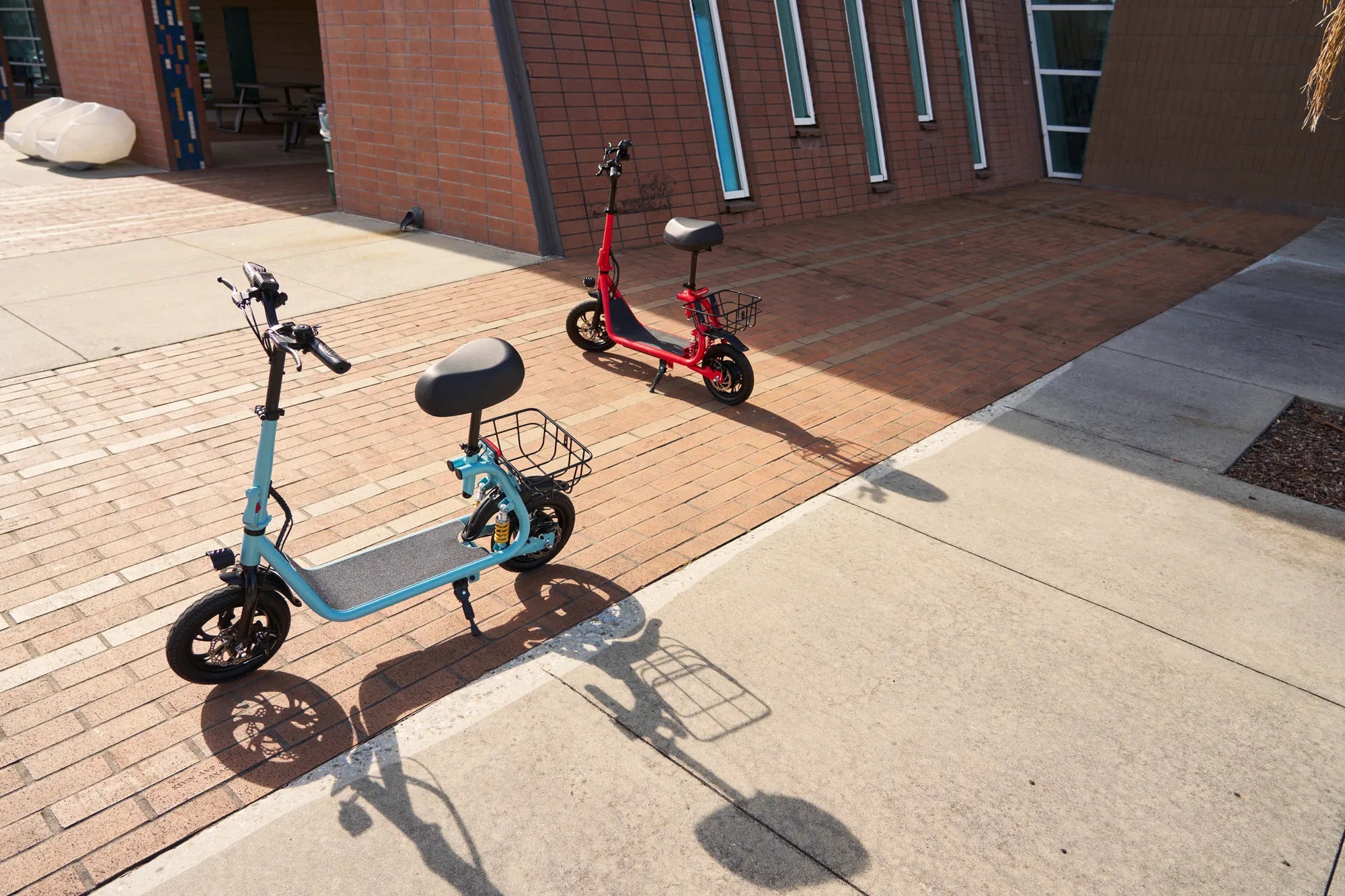
Introduction: The World of Electric Scooters for Young Riders
Finding the right electric scooter for an eight-year-old blends excitement with serious responsibility. It's a gateway to outdoor fun, developing coordination, and a sense of independence, but only if safety is the foundation. The market offers many options, making it crucial for parents to distinguish between basic toys and properly engineered youth mobility devices.
This guide focuses on Electric Scooters for Eight Year Olds: A Safe and Fun Way to Ride. We will provide the data and criteria you need to make an informed choice. You'll learn to prioritize key safety specifications, understand the importance of certified components, and see how a reputable brand's design philosophy directly impacts your child's riding experience.
Brands like Gyroor, trusted by over 100,000 riders, design specifically for this balance. Their models for young riders incorporate speed governors, stable frames, and industry-leading battery safety. This isn't just about a fun gift; it's about investing in a product that supports safe exploration and skill development.
Key Safety Features to Prioritize for an 8-Year-Old
Safety is not a single feature but a system of interconnected design choices. For an eight-year-old, whose judgment and reaction times are still developing, the scooter's engineering must provide inherent safeguards. Parents should treat these specifications as non-negotiable benchmarks during their research.
The core safety system comprises speed control, stable geometry, and reliable stopping power. Ignoring any one of these areas significantly increases risk. A scooter built for adults or even older teens will not possess the appropriate safety profile for a younger child, regardless of their confidence level.
Speed Limiters and Adjustable Settings
A speed limiter is the most critical electronic safety feature for a child's e-scooter. For most eight-year-olds, especially beginners, a maximum speed of 10 mph (16 km/h) is a prudent limit. This speed allows for thrilling fun while keeping the scooter manageable and reducing the severity of potential falls.
Advanced models offer multiple speed modes (e.g., Beginner: 5 mph, Intermediate: 7.5 mph, Advanced: 10 mph). This allows the scooter to grow with your child's skill. Parental controls, often via a companion app or a physical key, can lock the scooter into a specific mode, ensuring your child doesn't access higher speeds before they're ready.
Stable Design: Wheel Size, Deck, and Braking
Stability originates from the scooter's physical footprint. Larger wheels (8 inches or more in diameter) roll over cracks and small obstacles more smoothly than tiny plastic wheels, providing a safer, less jarring ride. Air-filled (pneumatic) or wide, honeycomb-style tires offer better shock absorption and grip.
The deck should be wide enough for both feet to stand comfortably side-by-side, with a pronounced, textured grip tape surface to prevent slipping. Braking is a two-fold system: a primary brake (often a rear disc or electronic regenerative brake) for strong stopping power, and a secondary fender or foot brake for redundancy and instinctive use.
Durability and Build Quality
A durable scooter is a safe scooter. Flimsy components can fail under stress, leading to loss of control. The frame should be constructed from aircraft-grade aluminum alloy, which provides an excellent strength-to-weight ratio. Check the weight limit of the scooter; a robust model will have a limit well above your child's current weight, indicating a sturdy build.
All fasteners, the folding mechanism (if present), and the stem should feel solid with no play or wobble. Brands like Gyroor emphasize this robust construction, ensuring the scooter can withstand the learning process and typical bumps without compromising structural integrity.
Why a Gyroor Kids' Scooter is a Smart Choice
Choosing a brand with a proven track record in youth mobility transforms the purchase from a gamble into a confident decision. Gyroor's design principles for kids' models directly address the core safety concerns outlined above, adding layers of reliability and parental control that define a smart choice.
The brand's commitment extends beyond the point of sale, with warranties and support acting as a long-term safety net. When you select a scooter engineered with these priorities, you're not just buying a product; you're investing in a platform for safe adventure.
UL-Certified Battery: Peace of Mind in Power
The battery is the heart of an electric scooter, and its safety cannot be compromised. Gyroor uses UL-certified battery packs in all its models. UL certification means the battery cells, housing, and management system have undergone rigorous independent testing for hazards like overcharging, short-circuiting, and thermal runaway.
This certification is the gold standard for consumer electronics and is essential for a device your child will use. It eliminates the primary worry of battery-related fire risk, providing tangible peace of mind. These batteries are also rated for 500+ charge cycles, ensuring long-term reliability.
IPX5 Water Resistance: Built for Real-World Play
Children ride in the real world, where puddles, wet pavement, and light rain are inevitable. An IPX5 water-resistant rating means the scooter's electrical components are protected against low-pressure water jets from any direction. This engineering prevents water damage from everyday conditions, drastically increasing the scooter's durability and reducing maintenance issues.
Without this protection, a ride through a puddle or an unexpected drizzle could lead to corrosion or electrical failure. Gyroor's IPX5 design ensures the scooter is built for actual play, not just fair-weather use, making it a more practical and longer-lasting investment.
Warranty and Support: Your Safety Net
A comprehensive warranty reflects a manufacturer's confidence in its product. Gyroor offers a 1-year warranty on its electric scooters, covering defects in materials and workmanship. This warranty acts as your financial and functional safety net during the critical first year of use.
Coupled with accessible customer support, it means any concerns you have about performance or maintenance can be addressed promptly. This support structure is a key component of the overall safety and ownership experience, ensuring you're not alone after the purchase.
Practical Considerations: Matching the Scooter to Your Child
Even the safest scooter must be the right physical fit for your child. An improperly sized scooter can be difficult to control and diminish the fun. This involves checking hard specifications like weight and height limits and understanding the learning process.
Consider your child's personality and coordination level. A cautious beginner will benefit from different features than a naturally athletic child. The goal is to match the scooter's capabilities to your child's current skills, with room to grow.
Weight Limit and Size Recommendations
Always adhere to the manufacturer's maximum rider weight limit. Exceeding it can stress the frame, motors, and brakes, leading to premature wear or failure. For most eight-year-olds, a scooter with a limit of 120-150 lbs provides a significant safety margin. The handlebar height should be around your child's waist when they are standing on the deck, allowing for a comfortable, slightly bent-arm riding posture.
| Model Type | Recommended Rider Weight | Recommended Rider Height | Key Consideration |
|---|---|---|---|
| Beginner E-Scooter | 44-120 lbs (20-55 kg) | 3'9" - 4'5" (114-135 cm) | Lower max speed (≤10 mph), very stable deck. |
| Intermediate E-Scooter | 66-150 lbs (30-68 kg) | 4'0" - 4'9" (122-145 cm) | Adjustable speed modes, more power for growth. |
Learning Curve and Parental Controls
Most eight-year-olds can learn the basics of riding an electric scooter in a few supervised sessions. Start in a large, empty, paved area like a parking lot. Focus first on balancing, gentle acceleration, and using the brakes to stop. The beginner speed mode is essential for this phase.
Parental controls are crucial. Whether it's a physical key to toggle modes or a Bluetooth app that lets you set a geofence and speed limit remotely, these tools allow you to manage the experience as your child gains competence. They provide a digital layer of safety alongside physical supervision.
Where to Ride: Environment and Supervision
The ideal environment is smooth, paved, and free of car traffic. Bike paths, empty tennis courts, or quiet cul-de-sacs are perfect. Never allow riding on roads, near pools, or on steep hills. Always insist on full protective gear: a properly fitted CPSC-certified bicycle helmet is mandatory, and knee and elbow pads are highly recommended.
Supervision is non-negotiable for eight-year-olds. An adult should be present to enforce rules, monitor traffic, and assist if needed. As your child demonstrates consistent responsibility and skill over months, you can gradually extend privileges, but always within pre-defined safe zones.
Electric Scooter vs. Traditional Options: A Parent's Comparison
Parents often weigh electric scooters against classic kick scooters and bicycles. Each option offers different benefits for development, fun, and practicality. Understanding these differences helps align your choice with your family's goals for your child's activity.
The following comparison highlights how a modern electric scooter like those from Gyroor provides a unique blend of controlled excitement, skill development, and convenience that differs from traditional toys.
| Feature | Electric Scooter (e.g., Gyroor) | Traditional Kick Scooter | Bicycle |
|---|---|---|---|
| Fun & Effort | Thrilling, motor-assisted ride. Less physical exertion, allowing for longer exploration. | Active fun, entirely powered by the child's kicking. Can be tiring over distance. | Active, cardiovascular exercise. Requires significant pedaling effort. |
| Skill Development | Balance, coordination, throttle control, responsible speed management. | Balance, coordination, leg strength, and propulsion timing. | Advanced balance, steering, pedaling coordination, and often gear shifting. |
| Range & Use | Limited by battery (typically 6-10 miles). Consistent speed without fatigue. | Limited by the child's stamina. Speed and range are variable. | Virtually unlimited range with child's energy. Speed is variable. |
| Safety Features | Engineered speed limiters, reliable braking systems, stable low-speed design. | Speed is child-controlled; simple braking (often foot/fender). | Speed is child-controlled; hand brakes require practice and strength. |
| Parental Peace of Mind | High. Direct control over max speed via modes/app, UL-certified battery, warranty. | Moderate. Speed is self-limited by child's ability, but no electronic controls. | Lower initially (learning to ride), then moderate. No electronic speed controls. |
Frequently Asked Questions (FAQs)
What is the appropriate speed for an 8-year-old's e-scooter?
For most eight-year-olds, a maximum speed of 10 mph (16 km/h) is appropriate. Beginners should start in a mode limited to 5-7 mph. The ability to adjust and lock the maximum speed via parental controls is a vital feature, allowing you to increase the limit only as your child's skill and judgment mature.
How long does the battery last, and what's the charge time?
Battery life (range) varies by model and rider weight but typically ranges from 6 to 10 miles on a full charge for youth models. Charge time is usually between 3 to 5 hours. Teaching your child to check the battery indicator and to charge the scooter after it cools down promotes good ownership habits.
Is assembly difficult?
Most kids' electric scooters require minimal assembly, often just attaching the handlebar to the stem and tightening a few bolts with the provided tools. The process usually takes 10-15 minutes. Always follow the manufacturer's instructions precisely and double-check all fasteners before the first ride.
Can my child ride it to school or in our neighborhood?
This depends entirely on local laws, school policies, and the safety of the route. Many municipalities prohibit e-scooters on sidewalks and restrict them to bike lanes for riders under a certain age. Even if legal, a route must be entirely free of road crossings and have minimal pedestrian traffic. For most eight-year-olds, recreational riding in fully supervised, controlled environments is recommended over commuting.
What maintenance does it require?
Regular maintenance is simple but crucial for safety. Key tasks include: checking and inflating tires to the recommended PSI, ensuring all bolts (especially on the stem and handlebars) are tight, testing brake function before each ride, and cleaning the deck and frame with a damp cloth. Avoid high-pressure water sprays. Store the scooter in a dry place and avoid leaving the battery fully depleted for extended periods.
Conclusion: Empowering Safe Adventures
Selecting the right electric scooter for your eight-year-old is a meaningful decision that opens a door to outdoor adventure, physical activity, and growing independence. The cornerstone of this positive experience is an unwavering focus on safety: speed limiters, stable construction, UL-certified batteries, and proper protective gear are not optional extras—they are the essential framework.
Brands that prioritize these elements, like Gyroor with its IPX5 water resistance and robust one-year warranty, build products that earn parental trust. By matching the scooter to your child's size and skill level, and committing to active supervision, you create the perfect conditions for fun and learning.
Ultimately, a well-chosen electric scooter is more than a toy; it's a tool that teaches responsibility, rewards caution, and builds confidence. It encourages kids to explore their world with a smile, all within the safe boundaries you establish. Ready to explore models designed with these principles? Browse the full Gyroor collection at gyroorboard.com to find the perfect ride for your young adventurer.
New Rules on Electric Scooters: What You Need to Know for 2024
Electric Scooters Malaga: The Ultimate Guide to Exploring the City on Two Wheels