



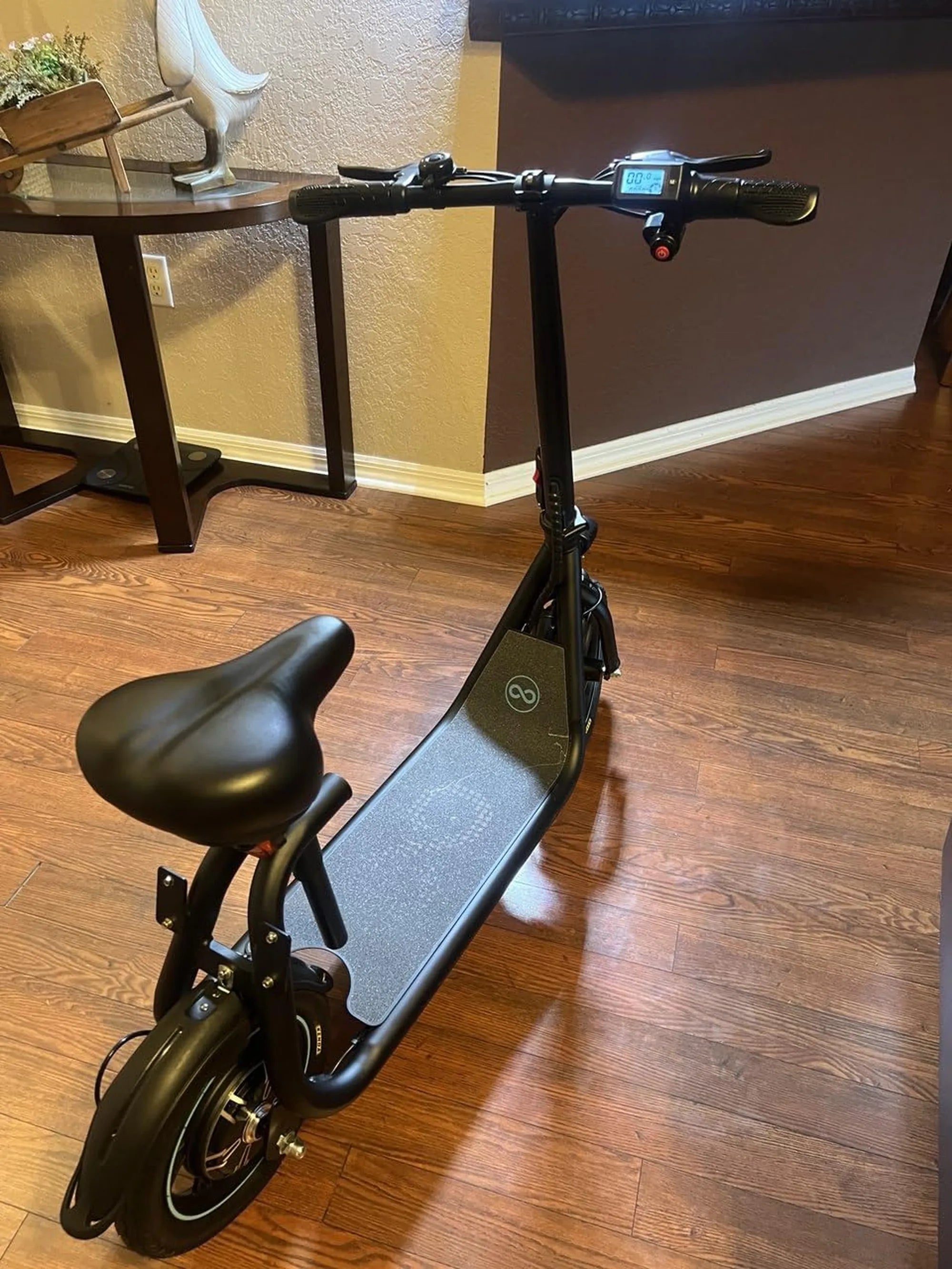
Redefining Mobility for Active Seniors
For many older adults, maintaining independence and staying connected to their community is paramount. Traditional mobility aids can sometimes feel limiting or stigmatizing. Electric scooters for elderly individuals have emerged not as mere toys, but as a legitimate, empowering transportation tool. They bridge the gap between walking and driving, offering a safe and convenient mobility solution for short trips to the store, park, or friend's house.
This article will provide a comprehensive, data-driven guide to selecting and using an electric scooter for elderly riders. You will learn the critical safety features that are non-negotiable, understand the engineering behind reliable models, and receive practical tips for riding and maintenance. The goal is to empower seniors and their families with the knowledge to make an informed choice that enhances freedom without compromising safety.
Brands like Gyroor have recognized this need, designing scooters with features that prioritize stability, intuitive use, and long-term reliability. With over 100,000 riders trusting their products, the focus is on creating vehicles that are as practical as they are enjoyable to ride. The right electric scooter can effectively turn errands into adventures and isolation into engagement.
Key Considerations: What Makes an E-Scooter "Senior-Friendly"?
Not all electric scooters are created equal, especially for older riders. A senior-friendly model must prioritize safety and ease of use above raw speed or aggressive styling. The core design philosophy should center on stability, intuitive operation, and robust construction to inspire confidence from the first ride.
The ideal electric scooter for elderly users acts as an extension of their mobility, not a challenge to it. Key metrics include a lower center of gravity, manageable weight, and controls that require minimal dexterity or strength. These features collectively reduce the risk of accidents and make the scooter a practical tool for daily life.
When evaluating options, it is crucial to look beyond marketing claims and examine the specifications and certifications that guarantee performance. A true safe and convenient mobility solution is built on a foundation of thoughtful engineering, not just aesthetics. The following sections break down the essential elements that define this category.
Stability and Design: The Foundation of Safety
The physical architecture of the scooter is the first line of defense against falls. A low, step-through deck is essential, allowing riders to mount and dismount easily without lifting their legs high. This design minimizes the risk of losing balance during these transitional moments, which are critical for safety.
Wheel size and type are equally important. Larger wheels, typically 8.5 inches or 10 inches in diameter, roll over cracks, pebbles, and minor pavement imperfections more smoothly than smaller wheels. Air-filled (pneumatic) tires offer superior shock absorption compared to solid tires, providing a more comfortable and stable ride on uneven surfaces.
The frame material must balance strength and weight. Aircraft-grade aluminum is a standard for quality models, offering a sturdy platform without being excessively heavy. A wider deck provides a more secure footing, and a handlebar with an appropriate height and grip angle prevents hunching or straining during rides.
Intuitive Controls and Display
Complex controls can be a significant barrier. Senior-friendly electric scooters feature simple, thumb-operated throttles that require minimal pressure. The brake levers should be within easy reach and not require a strong grip to engage effectively; many models combine an electronic brake with a mechanical (disc or drum) brake for balanced stopping power.
The display panel must be clear, uncluttered, and readable in direct sunlight. A large, backlit LCD that shows only essential information—speed, battery level, and riding mode—is ideal. Avoid models with complicated menus or tiny indicators. The goal is glanceable information that doesn't distract from the path ahead.
Additional controls, such as a power button, headlight switch, and bell, should be logically placed and tactile. This intuitive layout ensures the rider can operate all functions without fumbling, keeping their focus on the environment. This simplicity is a core component of a convenient mobility solution.
Safety Features You Shouldn't Compromise On
Active lighting is non-negotiable for visibility. A bright front headlight (200 lumens or more) and integrated brake lights are mandatory. Reflectors on the sides, front, and rear further enhance visibility to other road users during dawn, dusk, or overcast days. This lighting suite is a critical safety system.
The braking system must be redundant and reliable. A dual-braking system, such as electronic regeneration plus a mechanical disc brake, provides consistent stopping power in various conditions and offers a backup if one system were to fail. Effective brakes are the most important active safety feature on any vehicle.
Finally, battery safety is paramount. This is where certifications matter most. A UL-certified battery pack has undergone rigorous independent testing for safety regarding overheating, short-circuiting, and electrical fire risk. For a device that will be charged indoors, often overnight, this certification is not a luxury—it is an essential requirement for peace of mind.
The Gyroor Advantage: Engineered for Confidence and Comfort
Gyroor designs its electric scooters with a clear understanding of what senior riders need: reliability above all. By focusing on certified safety, real-world durability, and strong customer support, Gyroor scooters translate the general principles of senior-friendly design into tangible products. This approach has built trust with a large community of riders.
The brand's philosophy centers on creating a safe and convenient mobility solution that users can depend on for daily errands and leisure. This means engineering features that address common concerns head-on, from battery anxiety to handling wet pavement. The result is a scooter that feels like a reliable companion for urban and suburban exploration.
With a product range developed through feedback from thousands of users, Gyroor models incorporate the nuances that make a real difference in daily use. The following advantages highlight how specific technologies and policies directly benefit the elderly rider seeking a trustworthy electric scooter.
Unmatched Safety with UL-Certified Battery Technology
The heart of any electric scooter is its battery. Gyroor uses exclusively UL-certified lithium-ion battery packs in its scooters. This certification from Underwriters Laboratories means the battery's design, construction, and performance have been tested to meet stringent safety standards, significantly reducing risks associated with charging and long-term use.
For seniors and their families, this translates to profound peace of mind. These batteries are engineered to manage heat effectively, prevent overcharging, and maintain cell integrity over more than 500 charge cycles. This focus on foundational safety allows riders to focus on the joy of mobility rather than worrying about potential hazards.
This commitment is a core part of providing a truly safe electric scooter for elderly users. It's an investment in long-term reliability and risk mitigation that cheaper, uncertified alternatives simply cannot match. When evaluating scooters, the UL mark is one of the most important specifications to verify.
Built for Real-World Conditions: The IPX5 Water-Resistant Rating
Weather should not be a constant source of anxiety. Gyroor designs its scooters with an IPX5 water-resistant rating. This engineering standard means the scooter's electrical components are protected against water jets from any direction, making it resistant to splashes from puddles, wet roads, and light rain.
This practical feature ensures that a sudden shower or a damp route doesn't end the outing or damage the scooter. It adds a layer of durability and everyday usability that is crucial for a device meant for regular transportation. Riders can confidently navigate to the grocery store or pharmacy without constantly checking the sky.
This rating is a testament to the scooter's build quality. It indicates sealed connectors, protected ports, and thoughtful casing that guards the vital electronics. For a senior relying on their scooter, this durability means fewer worries about maintenance and a longer functional lifespan for the vehicle.
Support You Can Rely On: The 1-Year Comprehensive Warranty
A warranty is a promise. Gyroor backs its electric scooters with a robust 1-year comprehensive warranty on the frame, motor, battery, and electronic components. This coverage reflects confidence in the product's quality and provides a clear safety net for the customer.
For elderly riders, accessible and responsive customer support is as important as the product itself. Knowing that help is available from a US-based team for any questions or issues removes a significant barrier to adoption. This support structure ensures that the scooter remains a convenient mobility solution, not a source of technical frustration.
This warranty and support model fosters long-term trust. It aligns the brand's interests with the rider's, ensuring that any manufacturing defects are promptly addressed. This level of after-purchase care is a critical differentiator for seniors seeking a dependable partner in their mobility journey.
Practical Guide: Choosing and Using Your E-Scooter Safely
Knowledgeable selection and safe practices are the final pieces of the puzzle. This practical guide moves from theory to action, providing a step-by-step framework for finding the right scooter and integrating it into daily life safely. The goal is to ensure the first ride and every ride thereafter is confident and secure.
Taking the time to properly evaluate options, understand local laws, and adopt safe riding habits maximizes the benefits of an electric scooter for elderly users. This process empowers the rider, giving them control over their mobility decisions. Safety is an ongoing practice, not a one-time checkbox.
The following sections offer a pre-purchase checklist, essential gear recommendations, and straightforward maintenance tips. Following this advice will help any senior rider build competence and comfort, turning the scooter from a novel device into a trusted, everyday tool for independence.
Finding the Right Fit: A Pre-Purchase Checklist
Before purchasing, conduct a personal assessment. First, consider weight: can you comfortably lift the scooter if you need to navigate a curb or step? While many models are foldable, a weight under 40 lbs is generally more manageable for seniors. The scooter's own weight impacts its portability significantly.
Next, check dimensions. Stand on the deck—is it wide and long enough for your feet to rest comfortably side-by-side? Adjust the handlebar to a natural height; your arms should be slightly bent, not fully extended. Verify the maximum load capacity of the scooter exceeds your weight with a margin for groceries or a bag.
If possible, arrange a test ride. Feel the acceleration from the throttle—it should be smooth, not jerky. Test the brakes at a slow speed; they should bring the scooter to a controlled, straight stop. Assess the overall stability and comfort. This hands-on test is the most reliable way to gauge if a model is the right safe and convenient mobility solution for you.
Essential Safety Gear and Riding Etiquette
Always wear a helmet. For electric scooter riding, a bicycle or multi-sport helmet certified by CPSC (Consumer Product Safety Commission) is essential. It is the single most effective piece of safety gear for preventing head injuries in the event of a fall. Make it a non-negotiable part of your riding routine.
Consider additional protective gear like knee and elbow pads, especially during the learning phase. Wear bright, visible clothing during the day and reflective gear or vests at night. Proper gear significantly reduces the risk and potential severity of injury, allowing you to ride with greater confidence.
Practice good riding etiquette. Use bike lanes where available. On shared paths, ride at a moderate speed, signal your intentions, and always yield to pedestrians. Avoid riding on sidewalks in busy areas unless local laws specifically permit it. Be predictable, courteous, and aware of your surroundings—this protects both you and others.
Maintenance Tips for Longevity and Performance
Simple, regular maintenance keeps your scooter safe and extends its life. Weekly, check the tire pressure if you have pneumatic tires; proper inflation ensures a smooth ride and good battery range. Visually inspect the brakes for wear and listen for any unusual rubbing or grinding noises.
Keep the scooter clean. Wipe down the deck and frame with a damp cloth to prevent dirt buildup. Avoid using a high-pressure hose, as forced water can compromise seals even on water-resistant models. Store the scooter in a dry place, away from extreme temperatures, when not in use.
Follow proper battery care. Avoid letting the battery fully deplete. Charge it after use or when it drops to about 20-30% capacity. Use only the manufacturer-provided charger. If storing the scooter for an extended period, charge the battery to about 60% and check it every few months. This care maximizes the lifespan of the UL-certified battery pack.
Comparing Senior-Friendly Electric Scooter Features
The table below compares key specifications and features across different types of electric scooters, highlighting how dedicated senior-friendly models prioritize specific attributes over raw performance. This comparison helps contextualize the trade-offs involved in choosing a safe and convenient mobility solution.
| Feature / Specification | Performance Scooter | Standard Commuter Scooter | Senior-Optimized Scooter (e.g., Gyroor Focus) |
|---|---|---|---|
| Primary Focus | Speed & Power | Balance of Range & Portability | Stability, Safety, & Ease of Use |
| Typical Wheel Size | 8.5" - 10" Solid/Air | 8.5" Air-Filled | 10" Air-Filled Tires |
| Deck Design | Narrow, Performance-oriented | Moderate Width | Wide, Low, Step-Through |
| Throttle Control | Often Trigger-style | Thumb or Trigger | Simple, Linear Thumb Throttle |
| Braking System | High-performance Disc | Electronic + Drum/Disc | Dual Braking (Electronic + Disc) |
| Battery Certification | Varies | Varies | UL-Certified (Essential) |
| Water Resistance | IPX4 (Splash-proof) | IPX4 | IPX5 (Water Jet Resistant) |
| Ideal User | Experienced Enthusiast | Daily Urban Commuter | Older Adult Seeking Reliable Mobility |
This comparison clearly shows that a senior-optimized electric scooter makes deliberate choices. It sacrifices top speed for smoother acceleration, prioritizes a stable deck over a sleek profile, and invests in certified safety features. For an elderly rider, these are the correct priorities to ensure the scooter is a safe and convenient mobility solution.
Frequently Asked Questions (FAQs) for Senior Riders & Families
Q: Is it difficult to learn to ride an electric scooter for elderly individuals?
A: Modern senior-friendly models are designed for a gentle learning curve. The controls are intuitive, with a simple thumb throttle and easy-to-squeeze brake levers. Most new riders become comfortable after 15-30 minutes of practice in a safe, open area like an empty parking lot. The key is starting slowly and building confidence gradually.
Q: What is the typical range, and is it sufficient for daily errands?
A: Most commuter-focused electric scooters offer a range of 15 to 25 miles on a single charge. This is typically more than enough for multiple local trips in a day—such as to the grocery store, pharmacy, library, or park. For perspective, a 3-mile round trip for errands uses only a small fraction of the battery, making an electric scooter a highly convenient mobility solution for local travel.
Q: How do electric scooters handle hills or uneven pavement?
A: Handling depends on motor power and wheel size. For moderate hills, a motor with at least 350 watts of continuous power is recommended; 500 watts or more provides more confident climbing ability. Larger (10-inch) air-filled tires are crucial for uneven pavement, as they absorb shocks from cracks and bumps far better than small, solid tires, providing a stable and comfortable ride.
Q: Are electric scooters allowed on sidewalks and bike paths?
A: Laws vary significantly by city, state, and country. As a general rule, electric scooters are typically permitted on bicycle paths and lanes. Riding on roads with speed limits under 25-35 mph is often allowed. Sidewalk riding is frequently restricted or prohibited for safety reasons, as scooters move faster than walking pace. It is essential to check your specific local regulations before riding.
Q: What is the most important safety feature for an elderly rider?
A: While lights, brakes, and stability are all critical, the most fundamental safety feature is a UL-certified battery. This certification ensures the battery pack is manufactured to the highest safety standards, drastically reducing fire risk—especially important for a device charged indoors. Following that, a reliable dual-braking system and a stable, step-through frame design are paramount for creating a safe electric scooter for elderly users.
Embracing Freedom with Confidence
The journey toward sustained independence is profoundly personal, and the right tools can make all the difference. A well-chosen electric scooter for elderly adults is more than a vehicle; it is a key to autonomy, social connection, and joyful exploration. By prioritizing certified safety features, intuitive design, and reliable support, seniors can reclaim their mobility on their own terms.
The data and guidelines presented here underscore a clear path: focus on stability from large wheels, demand safety from UL-certified batteries, value the durability of water-resistant construction, and choose a brand that stands behind its product with a strong warranty. This approach transforms the purchase from a simple transaction into an investment in quality of life.
Brands like Gyroor have built their reputation by engineering scooters that meet these exacting standards, providing over 100,000 riders with a dependable safe and convenient mobility solution. The result is not just transportation, but a renewed sense of freedom. The open path awaits—equipped with the right knowledge and the right scooter, it's time to explore it with confidence.
Ready to explore models built for safety and reliability? Browse the full Gyroor collection of UL-certified, senior-friendly electric scooters at gyroorboard.com.
Lightweight Electric Scooters: The Future of Urban Mobility
Are Electric Scooters Allowed on Sidewalks? The Ultimate Legal & Safety Guide