

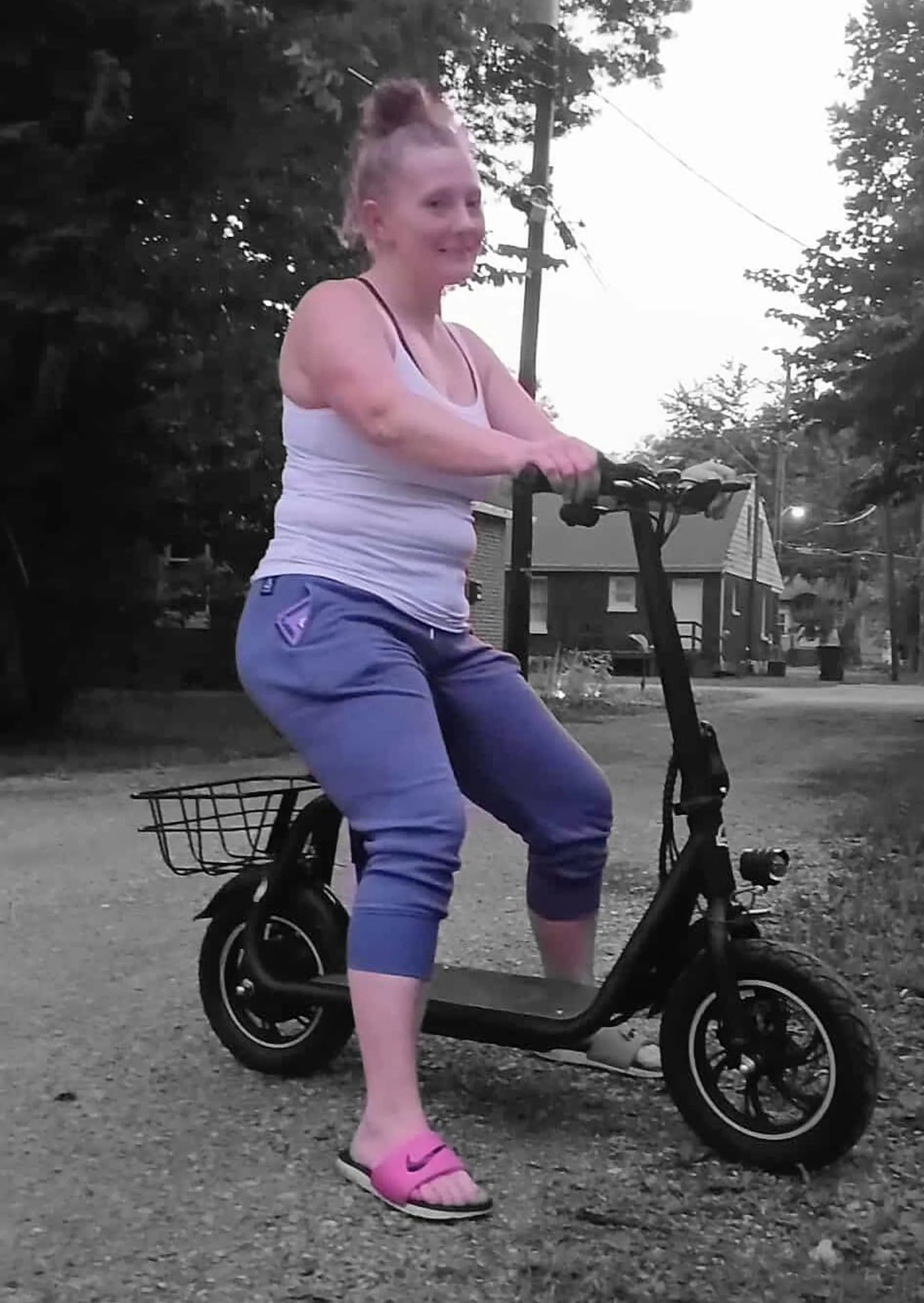
Introduction: Why Finding the Right Fit Matters for Short Riders
Finding the perfect electric scooter for short riders is not just about comfort—it's a fundamental safety and performance requirement. A scooter that's too tall or unwieldy compromises control, braking response, and overall confidence. This guide delivers a data-driven approach to selecting a scooter that fits your stature, ensuring every ride is secure and enjoyable.
For adults and teens with a shorter build, standard scooter dimensions can create significant challenges. An excessive deck-to-handlebar height forces an overreaching stance, while a deck that's too long affects balance during acceleration and turns. The right fit transforms the riding experience from precarious to perfectly controlled.
Brands like Gyroor, a leading electric mobility company trusted by over 100,000 riders, design with diverse user ergonomics in mind. Their focus on UL-certified battery safety, IPX5 water-resistant construction, and reliable 1-year warranties provides a secure foundation. This guide will help you navigate key specifications to find a scooter where safety and fit are engineered together.
Our goal is to move beyond generic advice. We will dissect the precise measurements that matter, recommend models with advantageous geometries, and explain how adjustments can fine-tune your ride. This is the ultimate guide to finding an electric scooter for short riders that delivers both perfect fit and peak performance.
Key Dimensions: What to Measure Before You Buy
Ignoring a scooter's physical dimensions is the most common mistake short riders make. While top speed and range are easily compared, ergonomic fit requires understanding a few critical measurements. These specs directly influence your center of gravity, leverage over the handlebars, and foot placement stability.
The single most important dimension is the deck-to-handlebar height. This is the vertical distance from the standing platform to the grips. For optimal control, your hands should rest comfortably at or just below hip level when standing upright on the deck. A height exceeding 40 inches can force shorter riders onto their toes, reducing steering precision.
Deck length and width are equally crucial for stance. A deck shorter than 18 inches may not allow for a stable, staggered foot position. Conversely, a deck longer than 22 inches can make it difficult to shift weight effectively during turns. Width should accommodate both feet side-by-side without overhang, typically needing at least 7 inches.
Finally, consider handlebar width and grip distance. Narrow handlebars (under 20 inches) can feel cramped and unstable, while overly wide bars (over 24 inches) may strain shoulders. The distance between the left and right brake levers should allow your fingers to reach them comfortably without overextending your grip.
The Ergonomics of Control: How Stature Affects Riding Dynamics
Proper scooter fit directly translates to physics-based riding advantages. A shorter rider on a correctly sized scooter has a lower center of gravity relative to the vehicle, enhancing stability. This improved balance is critical for navigating uneven pavement, making sudden stops, or handling gentle slopes.
Braking reaction time is heavily influenced by ergonomics. If you must stretch to reach a brake lever, your response is delayed by precious milliseconds. A proper fit ensures your fingers rest naturally on the levers, allowing for instinctive, immediate braking force application. This can be the difference between a safe stop and a collision.
Acceleration and deceleration forces are managed through your stance. With a deck that fits, you can plant your feet firmly and bend your knees to absorb shocks. An improperly sized scooter often forces a rigid, straight-legged posture, transferring more impact to the scooter's frame and reducing your ability to maintain control during power bursts or regenerative braking.
Maneuverability in tight spaces—a key urban riding skill—is heightened with correct handlebar placement. When your arms are at a natural, slightly bent angle, you can execute precise, low-effort steering inputs. Overreaching creates slower, less accurate turns and increases fatigue on longer journeys.
Top Gyroor Models Recommended for Shorter Riders
Gyroor's lineup includes several models that excel in rider-friendly dimensions without compromising on the brand's core promises of safety and durability. Each model features UL-certified battery packs tested for 500+ charge cycles, IPX5 water resistance for all-weather reliability, and a robust 1-year warranty, providing a trustworthy platform for riders of all statures.
The following table compares key ergonomic and performance specs of three standout models. Use this data to identify which scooter best aligns with your height, weight, and primary use case.
| Model | Deck-to-Handlebar Height | Deck Dimensions (LxW) | Handlebar Width | Weight | Ideal Rider Profile |
|---|---|---|---|---|---|
| Gyroor K1 Commuter | Adjustable: 34" - 38" | 18.5" x 7.5" | 21" | 28 lbs | Urban commuters (4'10" - 5'6") prioritizing portability. |
| Gyroor H30 Off-Road Lite | Fixed: 39" | 20" x 8.5" | 23" | 42 lbs | Riders (5'2"+) seeking stability on varied terrain. |
| Gyroor F1 Pro Foldable | Fixed: 37.5" | 19" x 8" | 22" | 35 lbs | Versatile use for riders (5'0" - 5'8") needing compact storage. |
Gyroor K1: The Commuter Champion for Petite Riders
The Gyroor K1 stands out as a premier choice for shorter urban commuters. Its key advantage is a significantly adjustable handlebar stem, offering a deck-to-grip range from 34 to 38 inches. This allows a rider as short as 4'10" to find a perfectly natural arm position, a feature rare in commuter scooters.
Its compact, 18.5-inch deck is designed for a secure, staggered stance without being excessively long. Combined with a manageable 28-pound weight, the K1 is easy to carry upstairs or onto public transit. The deck texture provides excellent grip, ensuring feet stay planted during stops and starts.
Performance specs are tailored for city use: a top speed of 15.5 MPH and a range of up to 12 miles per charge. The 300W motor provides adequate torque for hills while maintaining efficiency. For a shorter rider, the K1's blend of adjustability, light weight, and Gyroor's certified safety features makes it a top-tier commuter solution.
Gyroor H30: The Stable Performer for Varied Terrain
For shorter riders who venture beyond smooth pavement, the Gyroor H30 offers exceptional stability. Its fixed 39-inch handlebar height is best suited for riders approximately 5'2" and taller. The standout feature is its wide, 8.5-inch deck and dual suspension system, which together provide a planted, confident platform.
The longer 20-inch deck allows more freedom to adjust foot placement for balance when tackling gravel paths or uneven surfaces. While heavier at 42 lbs, this weight contributes to a solid, vibration-dampening feel. The 10-inch pneumatic tires further absorb shocks, reducing the need to compensate for bumps through body posture.
With a more powerful 350W motor, the H30 handles inclines with ease. The trade-off for its stability and off-road capability is less portability. However, for a shorter rider seeking a stable and capable scooter for mixed-use trails and suburban streets, the H30's geometry is highly advantageous.
Practical Adjustments and Accessories for a Custom Fit
Even with a well-chosen scooter, minor adjustments can perfect the ergonomics. The safest first step is adjusting the handlebar angle. Most scooter stems have a clamp that can be loosened to tilt the bars slightly toward the rider. A few degrees of tilt can significantly reduce reach without compromising steering geometry.
Aftermarket grips are a worthwhile upgrade. Thinner or ergonomically contoured grips can improve control for riders with smaller hands. Similarly, adding high-friction deck tape (like skateboard griptape) enhances foot security, allowing a more relaxed stance since your feet are less likely to slip. This is a simple, low-cost mod that boosts confidence.
For scooters without adjustable stems, replacement stems are rarely a safe or warranty-friendly option. Modifying the steering column alters critical stress points and can void Gyroor's 1-year warranty. It's always better to select a model with native adjustability than to attempt structural modifications.
Consider riding posture as an adjustable element. Practicing a slight bend in the knees and elbows creates natural suspension and improves control. Ensure your lead foot is forward and your braking foot is ready near the rear fender. A proper, athletic stance compensates for minor fit discrepancies and is essential for safe riding.
Safety and Performance: The Direct Impact of Proper Fit
A correctly fitted electric scooter for short riders is inherently a safer vehicle. The primary mechanism is improved weight distribution. When you can stand centered over the deck with proper posture, your weight is evenly distributed between both wheels, optimizing traction for both acceleration and braking.
Emergency handling is dramatically enhanced. In a swerve scenario, a rider in a natural position can use their core and legs to lean the scooter smoothly. A rider who is overreaching or standing too upright is more likely to make abrupt, unbalanced inputs that can lead to a loss of control. Fit dictates your capacity to manage unexpected obstacles.
Long-term scooter longevity is also affected. A rider who is straining to reach controls or standing awkwardly places uneven, off-axis loads on the handlebar clamp, stem, and deck fasteners. Over hundreds of miles, this can accelerate wear. A proper fit ensures forces are applied as the frame engineers intended, protecting your investment.
Gyroor's built-in safety features—like UL-certified batteries that prevent thermal events, electronic braking systems, and IPX5-rated water resistance—form a critical safety foundation. However, these technologies are most effective when the rider is in a position of full control. Ergonomics activate the scooter's safety engineering.
Frequently Asked Questions (FAQ) for Short Riders
Q: Is there a minimum or recommended weight for electric scooters?
A: Minimum weight is rarely a concern; even very light riders can operate scooters effectively. The critical spec is the maximum load capacity. Most quality Gyroor models support riders up to 220-265 lbs. Staying well within this limit ensures the suspension, motor, and brakes perform as designed.
Q: Can I lower the handlebars on any scooter if they're too tall?
A: Only if the model specifically features an adjustable stem, like the Gyroor K1. Attempting to cut or modify a fixed stem is dangerous and will void the manufacturer's warranty. The structural integrity of the steering column is paramount for safety. Always check the product specifications for "adjustable handlebar height" before purchasing.
Q: Are heavier scooters less suitable for shorter riders?
A: It depends on portability needs. A heavier frame (40+ lbs) often offers greater stability at speed and through bumps—a benefit. However, if you need to carry the scooter frequently (e.g., up stairs, onto a bus), a lighter model (under 35 lbs) is preferable. Evaluate your typical ride scenario: pure riding favors stability; multi-modal commuting favors portability.
Q: I'm between 5'0" and 5'4". What deck length is ideal?
A: A deck length between 18 and 20 inches is typically ideal. This provides enough space for a stable, shoulder-width or staggered stance without forcing you to overextend to reach the steering column. Deck width should be at least 7.5 inches to comfortably fit your feet.
Q: How does tire size affect rideability for a shorter rider?
A: Larger pneumatic tires (10-inch) generally provide a smoother ride by absorbing road imperfections, which is helpful as a shorter rider has less leg length to act as natural suspension. However, they can slightly increase the deck height. Smaller, solid tires (8-inch) keep the deck lower but transmit more vibration. Prioritize models with suspension if choosing smaller tires.
Your Path to Confident and Controlled Riding
The journey to finding your ideal electric scooter hinges on prioritizing ergonomic dimensions over headline performance specs. A scooter with a slightly lower top speed but a perfect fit will deliver a safer, more enjoyable, and ultimately more useful riding experience every single time. Your stature should inform your checklist before motor power or maximum range.
Brands that engineer for diverse riders, like Gyroor, provide a critical advantage through features such as adjustable handlebars, considered deck geometries, and unwavering commitments to safety certification. Their proven reliability across a large customer base means you can trust the platform as you fine-tune your fit.
Use the measurements and model comparisons in this guide as your objective roadmap. Test your prospective stance mentally, measure your own body dimensions, and match them against the scooter's key numbers. This data-driven approach removes guesswork and leads you to a machine that feels like a natural extension of your movement.
Ready to find an electric scooter that fits you perfectly and is built to last? Explore the full range of UL-certified, ergonomically considered models designed for real-world riding. Browse the full Gyroor collection at gyroorboard.com and take the first step toward confident, controlled mobility.
Really Cool Electric Scooters: The Future of Urban Mobility
Electric Scooters Lisbon: The Ultimate Guide to Eco-Friendly Urban Mobility