



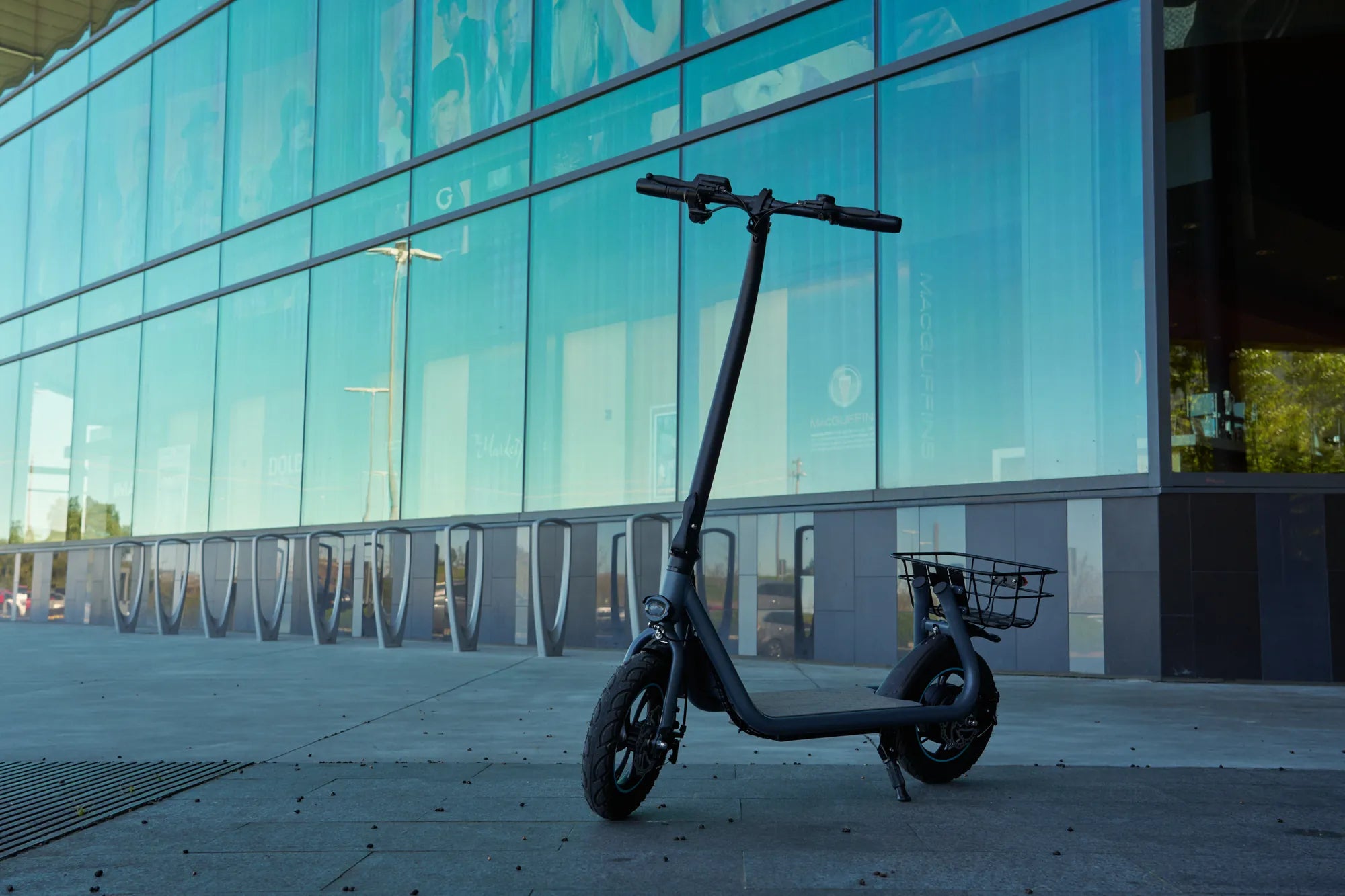
Imagine zipping through city streets with zero emissions, leaving behind nothing but a whisper-quiet hum. Electric scooters aren't just trendy gadgets - they're powerful tools in the fight against climate change, offering urban dwellers an eco-friendly alternative to gas-guzzling vehicles.
The Environmental Impact of Traditional Transportation
Conventional gasoline-powered vehicles contribute significantly to air pollution and greenhouse gas emissions. Studies show that transportation accounts for nearly 30% of total carbon emissions in developed nations. The internal combustion engine's inefficiency means most energy is wasted as heat rather than used for propulsion.
How Electric Scooters Reduce Carbon Footprints
Electric scooters operate on rechargeable batteries, producing no tailpipe emissions. Their energy efficiency surpasses traditional vehicles by converting over 75% of electrical energy into motion. When charged using renewable energy sources, their environmental impact becomes negligible.
Key Environmental Benefits:
- Zero direct emissions during operation
- Reduced noise pollution in urban areas
- Lower energy consumption per mile than cars
- Decreased demand for fossil fuels
- Smaller manufacturing footprint than automobiles
Energy Efficiency Compared to Other Vehicles
An electric scooter typically requires 10-30 watt-hours per kilometer, while even the most efficient electric cars need 150-200 watt-hours. This dramatic difference makes scooters the clear winner in energy conservation. Their lightweight design and smaller battery requirements further enhance their eco-friendly profile.
Urban Space Optimization
Electric scooters help solve the urban parking crisis, requiring 90% less space than cars. This reduction in parking demand can lead to more green spaces and pedestrian areas in cities. Their compact size also reduces traffic congestion, which indirectly lowers emissions from idling vehicles.
Lifecycle Analysis and Sustainability
While manufacturing any vehicle has environmental costs, electric scooters have a shorter payback period than cars. Their batteries, though containing rare earth metals, are smaller and more easily recycled than automotive batteries. Proper disposal programs are making scooters increasingly sustainable throughout their lifecycle.
Maintenance Advantages:
- Fewer moving parts mean less lubricant waste
- No oil changes required
- Regenerative braking systems extend battery life
- Longer-lasting components reduce replacement frequency
The Role in Smart City Development
Forward-thinking urban planners are incorporating electric scooters into sustainable transportation networks. When integrated with public transit, they provide first/last-mile solutions that reduce reliance on personal cars. Many cities are creating dedicated micro-mobility lanes to encourage scooter use while improving safety.
Changing Commuter Habits for the Better
The convenience of electric scooters is convincing many commuters to leave their cars at home. Surveys show that 30% of scooter trips replace what would have been car journeys. This shift in behavior creates a compounding environmental benefit as adoption increases.
Overcoming Challenges for Greater Impact
While electric scooters offer clear environmental advantages, challenges remain in battery technology, charging infrastructure, and rider education. Advances in swappable battery systems and solar-powered charging stations are addressing these issues, paving the way for even greener operations.
As cities worldwide grapple with pollution and climate change, electric scooters emerge as silent heroes in the urban landscape. These nimble vehicles aren't just changing how we move - they're helping rewrite the future of sustainable transportation one emission-free ride at a time.
Commuter Electric Scooter for Adults Price: What You Need to Know Before Buying
E-Scooter Safety Regulations: What You Need to Know Before Riding