



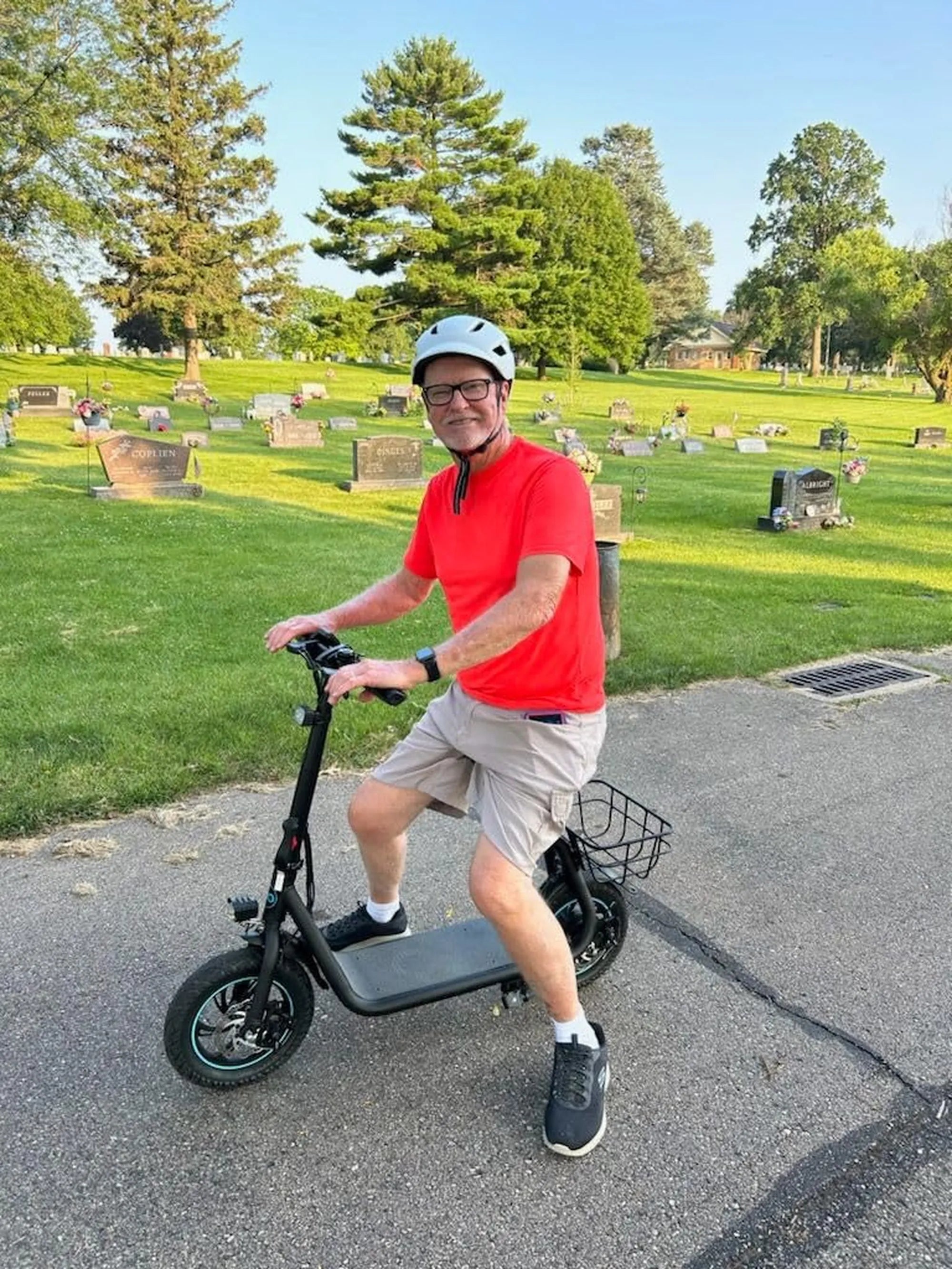
Hull is a city of contrasts, where the narrow lanes of the historic Old Town meet the expansive, regenerated Humber Street waterfront. This unique urban fabric, combined with daily commutes across the Humber Bridge and congestion around Princes Quay, creates distinct mobility challenges. Electric scooters in Hull are emerging as a timely, efficient solution, offering a practical key to unlocking the city. This article provides a comprehensive, data-driven guide to how e-scooters can redefine urban mobility in Hull, from selecting the right model for local conditions to understanding the legal framework. We’ll demonstrate why the shift to electric personal transport is not just a trend but a logical evolution for the city’s commuters, students, and residents, with a focus on the safety and reliability offered by leading brands like Gyroor, trusted by over 100,000 riders.
Hull's Urban Landscape and the E-Scooter Solution
Kingston upon Hull presents a compelling case study for micro-mobility adoption. The city centre, with its compact historic core and major retail hubs like St. Stephen's, suffers from predictable traffic congestion and expensive, limited parking. Simultaneously, regeneration projects along the River Hull and Humber have created attractive destinations that are often just beyond convenient walking distance from transport nodes.
Electric scooters directly address these pain points. They bridge the 'first and last mile' gap between home, bus stops, and Paragon Interchange, or between the train station and offices in the Fruit Market area. For students commuting to the University of Hull campus or Hull College, they eliminate long walks and unreliable bus wait times. The economic argument is powerful, replacing rising fuel costs, parking fees, and public transport fares with a low-cost-per-mile alternative.
Environmentally, the impact aligns with Hull's green ambitions. A shift from short car trips to zero-direct-emission e-scooters can significantly reduce local air pollution and carbon footprint. This is crucial for a port city keen on sustainable development. The convenience factor is undeniable: the ability to weave through static traffic, fold and carry your vehicle into a shop or office, and travel door-to-door without transfers.
Adopting this technology requires trust in the vehicle's safety and durability. This is where specifications from established brands become critical. Gyroor, for instance, builds its reputation on UL-certified battery packs and robust construction, offering the peace of mind necessary for daily use in an urban environment like Hull.
Navigating Historic Centres and Modern Waterfronts
The practical benefits of an electric scooter are magnified by Hull's specific geography. In the Old Town's narrow lanes and around Hull Minster, a compact, agile scooter is far more practical than a car or even a bicycle for quick errands. The portability means you can easily dismount and walk through the most crowded pedestrian areas before resuming your ride.
For the regenerated Humber Street district and the path to The Deep, e-scooters transform accessibility. What might be a 25-minute walk from the city centre becomes a swift, enjoyable 8-minute glide along the waterfront. This encourages exploration of local businesses and cultural sites without the hassle of finding parking, directly supporting the local economy.
The mixed-use paths and cycle lanes along the River Hull corridor provide ideal, relatively safe infrastructure for e-scooter use. Riders can enjoy a scenic commute from areas like Victoria Dock to the city centre, avoiding main road traffic entirely. This integration with active travel infrastructure is key to their successful adoption.
Ultimately, the electric scooter becomes a tool for rediscovering and efficiently connecting the disparate parts of the city, from the historic heart to its modern waterfront aspirations, in a way that traditional transport modes cannot match.
Critical Features for a Hull-Ready Electric Scooter
Not all electric scooters are created equal, especially for the demands of a UK port city. Selecting the right model involves matching specifications to Hull's commuting geography, weather patterns, and road surfaces. Key performance metrics include motor power, range, build quality, and safety features, which directly impact reliability and total cost of ownership.
Motor power, measured in watts, determines hill-climbing ability. While Hull is largely flat, a motor of 350W or more ensures confident acceleration from stops and easy handling of inclines like those near Pearson Park or the approach to the Humber Bridge. Dual-motor models offer maximum torque for all scenarios.
Suspension and tyre type are vital for comfort. Pneumatic (air-filled) tyres provide superior shock absorption on Hull's cobbled streets and uneven tarmac, compared to solid tyres. A scooter with front or dual suspension further smooths out the ride, reducing fatigue on longer commutes from places like Cottingham or Anlaby.
Portability, defined by weight and foldability, is a major convenience factor. A model weighing around 15-18kg that folds compactly is ideal for carrying onto a bus during poor weather, storing under a desk, or taking into a flat. This feature maximises the scooter's utility as a true multi-modal tool.
Finally, intuitive controls, effective braking systems (disc or electronic), and bright lighting (front, rear, and side) are non-negotiable safety features for navigating Hull's streets at dusk or in overcast conditions, which are frequent. These elements form the foundation of a safe, practical riding experience.
Battery Range and Hull's Commuting Geography
Battery range is the most critical specification for practical use. Manufacturers often advertise a maximum range under ideal conditions, but real-world factors like rider weight, temperature, hills, and stop-start riding reduce this figure. For Hull residents, range must be matched to actual travel needs.
A typical commute from Cottingham to Hull City Hall is approximately 3.5 miles (5.6 km) one-way. A return trip with some extra errands requires a real-world range of at least 10 miles. A commute from Hessle to the Hull Marina area is around 4 miles (6.4 km) one-way. Therefore, a scooter with a reliable 15-20 mile real-world range comfortably covers most daily needs with a safety margin.
Battery safety and longevity are paramount. High-quality, UL-certified battery packs, like those used in Gyroor scooters, undergo rigorous testing for stability and are designed for 500+ charge cycles. This ensures the battery remains safe and retains significant capacity over years of use, a crucial investment protection in a daily commute vehicle.
Charging time and location are practical considerations. Most scooters charge fully in 4-6 hours. Planning to charge at home or the office is essential. The ability to easily remove the battery for charging can be a major convenience for those without ground-floor access, adding another layer of practicality for Hull's diverse housing stock.
Build Quality for Humber Weather
Hull's climate, with its damp air, frequent rain, and road spray, demands an electric scooter built to withstand the elements. The Ingress Protection (IP) rating is the key metric here. It defines a product's resistance to dust and water.
An IPX5 rating, which Gyroor models feature, means the scooter can withstand water jets from any direction. This is essential for handling sudden showers, riding on damp roads, and navigating through the puddles that commonly form on Hull's streets and waterfront paths. It protects the sensitive electronics and battery from water damage, which is a primary cause of failure in lower-quality models.
Frame construction is equally important. A scooter made from aerospace-grade aluminium or reinforced steel offers the durability needed for daily use. Welds should be clean and robust, and the folding mechanism should feel solid and secure. This build quality ensures the scooter can handle the vibrations and minor impacts of urban riding over time.
Corrosion resistance on components like bolts, brake discs, and the stem is vital in a coastal city. Quality manufacturers use coated or stainless-steel fittings to prevent rust. Regular maintenance, such as drying the scooter after a wet ride and checking for debris, will extend its life significantly, making it a reliable partner for Hull's weather year-round.
The Legal Framework and Safe Riding in Hull
The legal status of privately owned electric scooters in the UK is currently clear: they are classified as Powered Transporters and are not legal for use on public roads, cycle lanes, or pavements. They can only be used on private land with the landowner's permission. This is a crucial point of law that all potential riders in Hull must understand.
This differs from government-approved rental e-scooter trials, which have operated in some UK cities under specific regulations, including mandatory insurance, speed limiters, and helmet use. As of now, Hull has not hosted such an official rental trial scheme. Therefore, the use of a privately purchased e-scooter on public land in Hull is illegal and can result in a fine, penalty points, or seizure of the vehicle.
The government is actively reviewing this legislation, and future changes are anticipated to create a new vehicle category for safe, legal private e-scooter use. Prospective buyers should stay informed on legislative updates from the Department for Transport. Responsible ownership means understanding and adhering to the current law while advocating for sensible, safety-focused reform.
When used on private land, or in anticipation of future legalisation, adopting a safety-first mindset is non-negotiable. Safety protects not only the rider but also pedestrians and other road users, and it builds a positive case for the integration of this technology into Hull's transport ecosystem.
Gearing Up for a Safe Ride
If and when riding becomes legal on designated infrastructure, personal protective equipment (PPE) is essential. A certified bicycle helmet is the absolute minimum. For higher-speed models or added protection, a full-face mountain bike helmet or a certified e-scooter helmet is advisable.
Visibility is critical, especially during Hull's long, grey winters. Reflective clothing, vests, or bands are highly recommended. Many riders add extra LED lights to their person or backpack. Ensuring your scooter's built-in lights are always functional and used in low-light conditions is a legal and safety must.
Riding etiquette is paramount for sharing space. On cycle paths, ride predictably and at a controlled speed, using a bell or polite vocal cue to alert pedestrians and cyclists before overtaking. Always yield to pedestrians, and be extra cautious in crowded areas like Queen Victoria Square or the entrance to St. Stephen's.
Defensive riding techniques should be second nature. Assume car drivers may not see you. Avoid riding in a driver's blind spot. Be prepared for sudden door openings from parked cars. Keep both hands on the handlebars and maintain a safe distance from other vehicles. Mastering these practices ensures safety for yourself and others.
Data-Driven Analysis: E-Scooter vs. Traditional Commute
To objectively assess the value proposition of an electric scooter in Hull, we must compare it against traditional modes of transport. The following table analyses a common 4-mile (6.4 km) one-way commute from the Anlaby area to the University of Hull campus, based on average 2024 costs and conditions.
| Transport Mode | Avg. Time (One-Way) | Estimated Cost (Return Trip) | CO2 Emissions (kg) | Key Notes for Hull |
|---|---|---|---|---|
| Car | 15-30 min | £3.50 - £5.00 | ~1.8 kg | Time varies hugely with congestion on A1079/Beverley Rd. Includes fuel, parking permit/fees. |
| Bus | 25-40 min | £3.00 - £4.00 | ~0.9 kg | Subject to traffic delays and wait times. Requires walk to/from stops. |
| Bicycle | 20-25 min | Negligible | 0 kg | Great exercise, but arrival may require changing. Weather-dependent. |
| Electric Scooter | 18-22 min | ~£0.10 (electricity) | 0 kg (direct) | Door-to-door, avoids traffic. Assumes legal use on cycle paths. Upfront cost amortized. |
This comparison reveals the e-scooter's core strengths: competitive door-to-door time, extremely low operational cost, and zero direct emissions. While the bicycle matches on cost and emissions, the e-scooter offers consistent speed with less physical exertion and sweat, making it more practical for work attire. It decouples the commute from traffic congestion and bus schedules, providing reliable, predictable travel time.
The upfront cost of a quality e-scooter (typically £400-£800) is offset over time. For the sample commute, the savings versus a daily bus fare could pay for the scooter within 6-12 months. Against car costs, the payback period is even shorter when factoring in insurance, tax, maintenance, and depreciation on the vehicle itself.
From a city-wide perspective, a modal shift from cars to e-scooters for short trips reduces traffic volume, easing congestion on key arteries like Holderness Road and Spring Bank. It lowers demand for parking in the city centre, freeing up space for other uses. The environmental benefit, while indirect (depending on grid electricity), is a clear positive for local air quality.
Long-Term Value and Investment Protection
The decision to purchase an electric scooter is an investment in personal mobility. Protecting that investment requires choosing a product from a brand that stands behind its build quality and offers reliable customer support. This is where warranty and service become critical differentiators.
A comprehensive warranty, such as Gyroor's 1-year warranty covering the frame, motor, battery, and electronics, provides essential peace of mind. It signals the manufacturer's confidence in their product's durability. For a vehicle used daily in variable conditions, this coverage is invaluable, protecting against unforeseen manufacturing defects.
Accessible customer support is equally important. Brands with dedicated support teams in-region, like Gyroor's US and European support, can provide timely advice, troubleshooting, and spare parts. This contrasts with generic brands that may only offer support via distant email, leaving riders stranded if an issue arises.
Total Cost of Ownership (TCO) includes the purchase price, maintenance, and potential repairs. A slightly higher initial investment in a scooter with UL-certified batteries, IPX5 water resistance, and a robust warranty typically results in a lower TCO. It minimises the risk of premature failure, expensive battery replacement, or the need for a premature new purchase, making it the financially smarter choice for Hull residents.
Frequently Asked Questions for Hull Riders
Q1: Can I legally ride my private electric scooter to St. Stephen's shopping centre or along the Humber waterfront paths?
A1: Currently, no. Under UK law, privately owned e-scooters are not legal for use on public roads, cycle lanes, pavements, or waterfront paths. They can only be used on private land with permission. Riding to St. Stephen's or along public paths is illegal and could result in penalties. Always check for updates from the Department for Transport regarding law changes.
Q2: How do I maintain my e-scooter in Hull's often damp and salty air?
A2: Regular maintenance is key. After riding on damp days, wipe down the scooter with a dry cloth, especially the stem, deck, and wheel areas. Check and clean the brake discs/pads regularly. Periodically inspect all bolts for tightness and check for signs of corrosion. Store it in a dry place. Choosing a model with a high IP rating (like IPX5) from the start provides the best inherent protection.
Q3: Where are safe, legal places to practice riding an e-scooter in Hull?
A3> The only legal places are on private property. This could be a private driveway, a quiet car park on private land (with the owner's explicit permission), or other private estates. Do not practice in public parks, on school grounds without authorisation, or on empty public roads, as this remains illegal. Some community centres or private sports facilities may allow use indoors.
Q4: What is the real-world range I need for commuting from Cottingham to Hull city centre?
A4> The distance is roughly 3.5 miles each way. For a return trip (7 miles), you should aim for a scooter with a manufacturer-stated range of at least 15 miles to account for real-world factors like rider weight, temperature, and inclines. This provides a comfortable buffer. A model with a 20+ mile advertised range would be ideal, allowing for extra errands without range anxiety.
Q5: Are electric scooters safe to use in Hull's rainy weather?
A5> Safety depends on the scooter's build quality and rider caution. A scooter with a high water resistance rating (IPX5 or higher) is designed to handle rain and road spray. However, even with such protection, riders should exercise extreme caution in wet conditions: reduce speed, avoid sharp turns, brake earlier and more gently, and steer clear of painted road markings and metal surfaces which become very slippery. Good visibility (lights, reflective gear) is even more critical in the rain.
Joining Hull's Sustainable Mobility Future
The potential for electric scooters to positively reshape urban mobility in Hull is significant. They offer a pragmatic, efficient, and low-emission solution to the city's specific transport challenges, from historic centre navigation to cross-city commuting. The data clearly supports their advantage in time and cost over traditional modes for short-to-medium trips.
Responsible adoption is the cornerstone of this future. This means advocating for and adhering to forthcoming sensible regulations, prioritising rider and pedestrian safety through gear and etiquette, and choosing products built to last. Investing in a reliable scooter from a brand that prioritises safety certifications, weather resistance, and strong customer support is not just a purchase—it's a commitment to being part of the solution.
As Hull continues to grow and evolve, integrating smart micro-mobility like electric scooters can make the city more connected, less congested, and cleaner. It empowers residents with flexible, personal transport that complements public transit and active travel networks. The future of urban mobility in Hull is multi-modal, and the electric scooter is poised to be a key component.
Ready to explore how a quality electric scooter can fit into your life in Hull? For models built with the safety features, durability, and support that Hull's conditions demand, browse the full Gyroor collection at gyroorboard.com. Discover e-scooters equipped with UL-certified batteries, IPX5 water-resistant designs, and backed by a reliable 1-year warranty—engineered for the realities of urban mobility.
How to Lock Electric Scooters: The Ultimate Security Guide
Will Electric Scooters Get Cheaper? Exploring the Future of Affordable E-Mobility