

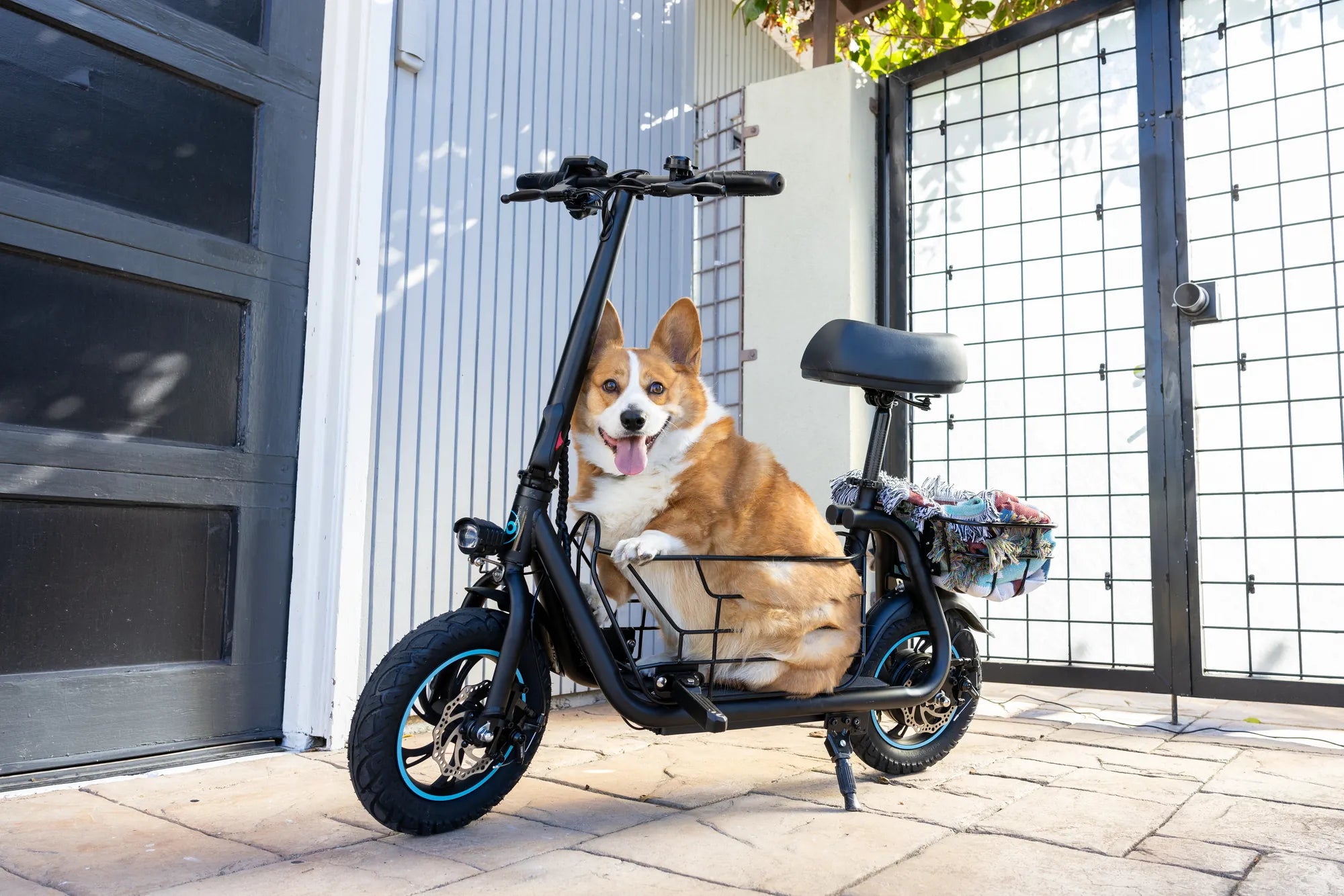
Introduction: The Rise of Electric Scooters in Uganda's Urban Landscape
Kampala's streets tell a story of rapid growth and mounting pressure. The familiar chorus of car horns and boda-boda engines underscores a daily struggle against congestion, rising fuel prices, and air pollution. For millions of Ugandans, the daily commute is a significant cost and time burden. Enter the electric scooter: a quiet, efficient, and increasingly visible contender in the urban transport mix.
This article explores the viability of electric scooters in Uganda: the future of urban mobility. We move beyond hype to deliver a factual analysis of their economic benefits, practical challenges, and long-term potential. You will learn how to calculate real cost savings, what specifications matter most on Ugandan roads, and how to choose a scooter built for durability. The emergence of e-scooters represents more than a new gadget; it's a pragmatic response to some of the nation's most pressing urban challenges.
Why E-Scooters Are Gaining Traction in Uganda
The adoption of electric scooters is driven by tangible local factors, not just global trends. The primary catalyst is economic. With petrol prices consistently volatile, the shift to electricity-powered transport offers predictable, lower operating costs. Charging a scooter battery costs a fraction of refueling a petrol bike, a critical advantage for students, young professionals, and small business owners.
Furthermore, the proliferation of mobile money and flexible digital payment plans has made acquiring these vehicles more accessible. Instead of a large upfront payment, pay-as-you-go or installment models are lowering the entry barrier. This financial innovation, combined with a growing environmental consciousness among urban youth, creates a fertile ground for electric scooters in Uganda: the future of urban mobility to take root and grow sustainably.
Beating the "Jam": Navigating Kampala's Traffic
Maneuverability is the e-scooter's superpower in gridlocked cities. Where cars and minibuses sit stationary for hours, a compact electric scooter can navigate through stalled traffic, use available road shoulders, and take shorter alternative routes. This agility translates directly into time saved, turning a two-hour commute into a 45-minute journey.
This efficiency is not just about speed; it's about reliability. Commuters can predict travel times with greater accuracy, reducing stress and increasing productivity. For the last-mile connection—completing the journey from a bus stop or taxi stage to the final destination—the e-scooter is unmatched. It effectively bridges the gaps in the public transport network, offering a personal, on-demand solution.
Cost-Efficiency Analysis: E-Scooter vs. Traditional Transport
A data-driven comparison reveals the compelling financial case. Let's consider a commuter traveling 20km daily in Kampala. A petrol-powered motorcycle (boda-boda) might average 30km per liter. At a fuel cost of 5,000 UGX per liter, the daily fuel expense is approximately 3,300 UGX, plus routine maintenance.
An electric scooter with a 500Wh battery, like the Gyroor S8, consumes roughly 0.5 kWh to recharge that daily distance. At a domestic electricity tariff of 750 UGX per kWh, the daily "fuel" cost is about 375 UGX—nearly 90% less. When amortizing the scooter's purchase price over three years, the total cost of ownership often undercuts consistent use of commercial boda-bodas or personal petrol bikes within 12-18 months. The savings are both immediate on energy and substantial over the long term.
Key Considerations for Choosing an E-Scooter in Uganda
Selecting the right scooter for Uganda requires looking beyond glossy advertisements. The local environment—characterized by variable road surfaces, weather patterns, and power reliability—demands specific engineering features. A scooter that thrives in European cities may fail quickly here without the right build.
Prioritize models designed for durability and real-world range. Understanding your daily commute distance, including any hills, is the first step. Then, match that need to a scooter with a battery that exceeds it by a safe margin. This pragmatic approach ensures your investment delivers reliable service for years, truly making it a cornerstone of your personal electric scooters in Uganda: the future of urban mobility strategy.
Durability for Ugandan Roads: Build Quality and Suspension
Potholes, rough tarmac, and occasional unpaved sections are a reality. A scooter with a weak, folding mechanism and solid tires will quickly become uncomfortable and prone to damage. The essential features for Ugandan roads include a robust, often welded frame, wide pneumatic (air-filled) tires, and a strong suspension system—preferably both front and rear.
Pneumatic tires absorb shocks far better than solid ones, protecting both the scooter and the rider. A dual suspension system further smooths out bumps. Brands like Gyroor engineer their commuter models with these realities in mind, using reinforced stems and high-quality shock absorbers. This durability is non-negotiable for a vehicle meant for daily use.
Battery Performance and the Reality of Load Shedding
Range anxiety is a common concern, but it can be managed with smart planning. First, calculate your true daily distance and add a 30-40% buffer for hills, detours, and battery degradation over time. A scooter with a advertised 40km range might reliably deliver 28-30km in mixed Kampala terrain.
Charging strategy is key. Most e-scooters charge from 0 to 100% in 4-6 hours on a standard 220V outlet. This allows for convenient overnight charging. During periods of load shedding, planning is essential. Charging during off-peak hours when power is more stable, or using a small inverter/battery backup system, are practical solutions adopted by many Ugandan riders. Investing in a scooter with a removable battery, like several Gyroor models, adds flexibility—you can charge the battery indoors anywhere.
Safety and Visibility: Riding in Mixed Traffic
Sharing the road with boda-bodas, cars, and pedestrians requires proactive safety. The scooter must have excellent visibility features: a bright LED headlight to see and be seen, responsive brake lights, and side reflectors. Mechanical braking power is equally critical; disc brakes, especially dual disc brakes, provide the reliable stopping power needed for sudden obstacles.
Rider responsibility is paramount. Wearing a certified helmet is the single most important safety act. Additionally, using hand signals, avoiding headphones, and wearing reflective clothing at night dramatically reduce risk. Educating oneself on defensive riding techniques for mixed traffic is as important as the scooter's specifications.
Spotlight on Reliability: Why Gyroor is a Trusted Choice for Ugandan Riders
In a market where long-term reliability is paramount, choosing a brand with proven engineering and safety standards is crucial. Gyroor, a leading electric scooter and e-bike brand trusted by over 100,000 riders across North America and Europe, brings global standards to the Ugandan context. Their focus on certified safety, weather resistance, and strong warranties directly addresses the core concerns of local commuters.
This alignment makes them a case study in how to successfully implement electric scooters in Uganda: the future of urban mobility. By prioritizing the features that matter most in challenging environments, they offer a product that isn't just imported, but is genuinely adapted for sustainable use. This builds rider trust and promotes the positive, safe adoption of e-mobility.
UL-Certified Batteries: Safety and Peace of Mind
The battery is the heart of an e-scooter and its greatest potential risk if poorly made. UL certification is an independent, rigorous safety standard for battery packs. Gyroor uses UL-certified batteries tested for 500+ charge cycles, ensuring protection against overcharging, short circuits, and extreme temperatures.
This certification is not a mere marketing point; it's a critical safeguard. It minimizes the fire risk associated with low-quality, uncertified batteries, especially important when charging at home overnight. For the Ugandan rider, this translates to peace of mind, knowing the core component of their transport meets the highest international safety benchmarks.
IPX5 Water Resistance: Ready for the Rainy Season
Uganda's tropical climate, with its heavy downpours and muddy roads, demands more than fair-weather durability. An IPX5 water resistance rating means the scooter's electrical components can withstand low-pressure water jets from any direction—essentially, heavy rain and road spray.
A scooter with this rating, like the Gyroor S10, won't falter during a sudden afternoon storm. This reliability ensures the scooter is a year-round transport solution, not a fair-weather toy. It protects your investment from one of the most common causes of electrical failure, making the vision of electric scooters in Uganda: the future of urban mobility a practical, all-weather reality.
The Value of a 1-Year Warranty with Local Support
A comprehensive warranty is a promise of quality and a safety net for the buyer. Gyroor's standard 1-year warranty on the motor, battery, and controller covers defects in materials and workmanship. This protects a significant investment and demonstrates the brand's confidence in its product's durability.
For Ugandan riders, the presence of a local distributor or authorized service partner amplifies this warranty's value. It means access to technical support, genuine spare parts like tires and brakes, and skilled repairs without the delays and costs of international shipping. This local ecosystem is vital for the long-term viability of any e-mobility product.
Comparative Analysis: E-Scooter Models for Different Ugandan Needs
Choosing the right model depends on your primary use case. A student navigating campus needs a different scooter than a professional with a 15km commute. The table below compares key specifications for hypothetical commuter, performance, and compact models, illustrating how features align with different urban needs in Uganda.
| Use Case & Model Type | Ideal Range | Key Features for Uganda | Typical Rider |
|---|---|---|---|
| Urban Commuter (e.g., Gyroor S8/S10 style) | 35-50 km | Dual suspension, pneumatic tires, IPX5 rating, UL battery, bright lights | Office worker, daily commuter (10-20km) |
| Performance & Hills (e.g., Gyroor e-bike variants) | 40-60+ km | High-torque motor (500W+), larger battery, dual disc brakes, robust frame | Rider in hilly areas (Muyenga, Kololo), longer distances |
| Compact & Last-Mile (Lightweight scooter) | 20-30 km | Portable, foldable, lighter weight, solid or honeycomb tires (less puncture risk) | Student, combining with public transport, short errands |
This comparison shows there is no single "best" scooter, only the best scooter for your specific route, terrain, and distance requirements. Always prioritize the features that match your local conditions.
The Road Ahead: Infrastructure and the Future of E-Mobility in Uganda
The current model for e-scooter charging is predominantly private—at homes and workplaces. This decentralized approach works well for early adoption. For wider growth, supportive infrastructure and policy will accelerate the transition. Simple measures can have an outsized impact.
Designating and protecting dedicated bicycle and micro-mobility lanes on major roads would significantly improve safety and make e-scooters a more attractive option. Public charging stations at malls, taxi parks, and universities could alleviate range anxiety for longer trips. Government policy, such as reducing import duties on electric vehicles and their components, would lower purchase prices and further stimulate the market.
These steps would formalize the role of electric scooters in Uganda: the future of urban mobility, integrating them into a cleaner, more efficient, and multi-modal transport system. They are not a replacement for all vehicles but a perfect complement for a large portion of urban trips.
Frequently Asked Questions (FAQs) for Ugandan E-Scooter Riders
Q1: How far can I really go on a single charge in Kampala's hilly areas?
A: Hills significantly reduce range. If a scooter has a 40km rated range on flat ground, expect 25-30km in hilly areas like Kampala. Always choose a model with a rated range at least 25-30% higher than your longest daily trip to account for terrain, rider weight, and battery health over time.
Q2: Is it difficult to get parts or service for an electric scooter in Uganda?
A: This depends on the brand. Choosing a brand with an established local distributor or service network is crucial. For brands like Gyroor, common wear parts (tires, inner tubes, brake pads) are increasingly available. Before purchasing, verify the availability of after-sales support and the warranty claim process in Uganda.
Q3: Are electric scooters legal to use on Ugandan roads?
A: As of now, e-scooters often occupy a regulatory gray area, typically treated similarly to bicycles. However, regulations are evolving. It is the rider's responsibility to check the latest rules with the Uganda Police Force. Always wear a helmet, use lights at night, and follow general traffic rules to ride responsibly.
Q4: Can I carry a passenger on an e-scooter?
A: Most consumer electric scooters are designed and certified for a single rider only. Their motors, brakes, and structural integrity are calculated for one adult's weight. Carrying a passenger is unsafe, illegal, and will void the warranty. For two-person transport, consider an electric bicycle or moped designed for that purpose.
Q5: How do I maintain my e-scooter in Uganda's dusty environment?
A: Regular basic maintenance is key. Wipe down the scooter to remove dust and mud. Keep tire pressures at the recommended level (check weekly). Regularly inspect brake pads for wear and ensure brakes are adjusted properly. Avoid direct high-pressure water jets when cleaning, and store the scooter in a dry place when not in use.
Conclusion: Embracing a Smarter, Cleaner Commute
The evidence is compelling: electric scooters offer a viable, economical, and efficient solution to Uganda's urban transport challenges. They save money, reduce commute times, and contribute to cleaner air. The future of electric scooters in Uganda: the future of urban mobility is not a distant dream but an unfolding reality, powered by reliable technology and pragmatic adoption.
Success hinges on informed choices—selecting a scooter built for local conditions, prioritizing safety, and understanding the true cost of ownership. For those ready to redefine their daily travel, the journey begins with choosing a partner you can trust for the long road ahead. Explore durable, safety-certified models designed to handle the unique demands of Ugandan life and take the first step toward a smarter commute.
Ready to transform your urban commute? Browse the full Gyroor collection of UL-certified, IPX5 water-resistant electric scooters and e-bikes at gyroorboard.com.
Are There Electric Scooters in Hawaii? Exploring the Aloha State's Eco-Friendly Transport
How to Get Electric Scooters in Your City: A Complete Guide