

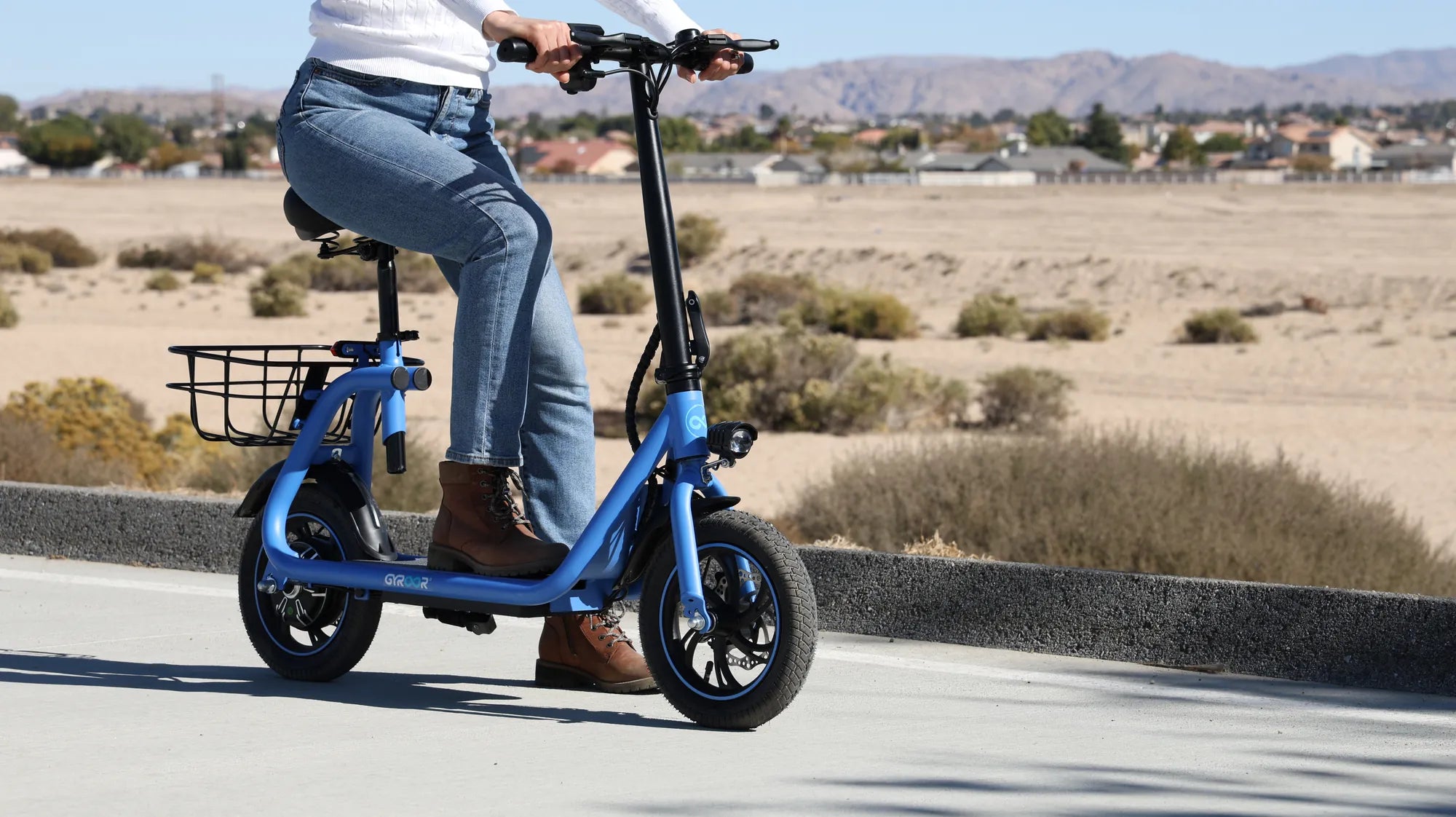
Traffic congestion in Kuala Lumpur and Penang isn't just an inconvenience; it's a daily economic and environmental cost. Electric scooters present a tangible, efficient, and sustainable alternative for navigating dense urban corridors and bridging the gap to public transit. This article provides a data-driven analysis of the e-scooter landscape in Malaysia, examining regulations, essential features for local conditions, and the practical benefits of adopting this mode of transport. You will learn how to select a scooter built for Malaysia's climate, understand the legal framework, and implement maintenance practices to ensure long-term reliability, positioning Electric Scooters Malaysia: The Future of Urban Mobility not as a slogan, but as an actionable reality.
Introduction to Electric Scooters in Malaysia
Malaysian cities face significant mobility challenges, with chronic traffic jams in the Klang Valley and George Town leading to lost productivity and increased air pollution. Personal Electric Vehicles (PEVs), particularly electric scooters, have emerged as a viable solution for short to medium-distance travel. Their compact size allows riders to bypass stationary traffic, while their electric motors produce zero direct emissions, contributing to cleaner urban air.
The global shift towards micro-mobility is reflected in Malaysia's growing adoption of e-scooters for commuting, leisure, and last-mile connectivity. As public transport networks like the MRT and LRT expand, the need for efficient first- and last-mile solutions becomes critical. Electric scooters fill this gap perfectly, enabling commuters to cover the 3-8 kilometer distances from home to station or station to office quickly and without sweat.
This transition is supported by a growing awareness of environmental sustainability and the rising cost of vehicle ownership. The operational cost of an e-scooter is a fraction of that for a car or motorcycle, making it an economically attractive proposition. The narrative of Electric Scooters Malaysia: The Future of Urban Mobility is thus built on practicality, economy, and environmental stewardship, addressing core urban pain points directly.
Adoption is no longer a niche trend but a logical response to urban design limitations. As infrastructure slowly adapts, the e-scooter represents a user-powered evolution in how cities are navigated. This guide will equip you with the knowledge to participate in this shift safely, legally, and effectively.
The Malaysian E-Scooter Landscape: Rules, Regulations, and Where to Ride
The legal status of electric scooters in Malaysia is evolving, with regulations primarily falling under the Road Transport Department (JPJ) and local municipal councils. As of now, e-scooters are generally not permitted on public roads. However, they are allowed on bicycle lanes, designated recreational paths, and within private premises. Enforcement and specific bylaws can vary between states and cities, making local awareness essential.
In Kuala Lumpur and Selangor, authorities have taken steps to integrate micro-mobility by designating specific zones and parks for e-scooter use. Riders must avoid main roads, highways, and sidewalks intended primarily for pedestrians. The focus is on shared spaces like bicycle lanes, where speeds are lower and conflict with vehicles is minimized. Penang has similarly seen a rise in e-scooter usage, particularly in urban Bayan Lepas and Georgetown areas, often aligned with tourism and beachfront pathways.
Understanding Local Laws & Safety Gear
While national legislation is still being refined, common rules are emerging. Speed limits for e-scooters in permitted areas are typically capped at 25 km/h. There is often a minimum age requirement, commonly 16 years old. Crucially, the use of a standard bicycle helmet is strongly mandated or highly recommended for all riders, a non-negotiable safety practice.
Additional safety gear, though not always legally required, is prudent. This includes reflective clothing or vests for visibility, especially during dusk or dawn. Front and rear lights are essential for being seen by other path users and vehicles. Given Malaysia's sudden tropical downpours, high-visibility gear becomes even more critical during reduced visibility conditions. Understanding and adhering to these guidelines is the first step in responsible ridership and ensuring the positive growth of Electric Scooters Malaysia: The Future of Urban Mobility.
Local councils may impose fines for non-compliance, particularly for riding on prohibited roads or without safety equipment. Riders should check the latest advisories from their local city council or JPJ before purchasing or riding in a new area. This proactive approach prevents legal issues and promotes harmony between scooter riders, cyclists, and pedestrians.
Why Choose an Electric Scooter for Malaysian Cities?
The primary advantage of an e-scooter in a Malaysian urban context is time savings. Navigating through standstill traffic during peak hours, a scooter can often cut commute times by half or more for distances under 10km. This efficiency translates directly into reduced daily stress and increased personal productivity, making the case for Electric Scooters Malaysia: The Future of Urban Mobility compelling from a quality-of-life perspective.
Economically, the cost-benefit analysis is stark. The electricity required to charge a typical e-scooter battery costs mere sen per charge, amounting to a few Ringgit per month. This is negligible compared to fuel, tolls, parking fees, and maintenance associated with cars or motorcycles. The initial investment in a quality scooter is often recouped within months when replacing short vehicle trips.
From an environmental standpoint, the benefit is clear: zero tailpipe emissions. For a country aiming to improve urban air quality and reduce its carbon footprint, widespread adoption of electric micro-mobility can make a measurable impact. Each e-scooter journey replaces a potential petrol-powered trip, contributing to quieter, less polluted neighborhoods.
Finally, the convenience factor is unparalleled. E-scooters offer door-to-door mobility without the hassle of parking. They are lightweight and foldable, allowing for easy carrying onto public transport or storage under a desk. This seamless integration with other transit modes creates a flexible, multi-modal commute that is both efficient and adaptable to daily changes in schedule or route.
Key Features to Look for in a Malaysia-Ready E-Scooter
Selecting the right e-scooter for Malaysia requires careful consideration of specifications that match the local environment. Not all models are created equal, and features that are optional in temperate climates become essential in the tropics. The core pillars of a Malaysia-ready scooter are battery resilience, motor adequacy, and structural durability against heat and humidity.
Battery & Range: Conquering Commutes and Humidity
The battery is the heart of the e-scooter. Capacity, measured in Watt-hours (Wh), directly determines range. For most urban commutes in Malaysia, a battery offering a realistic range of 25-35 kilometers per charge is advisable, accounting for variables like rider weight, inclines, and frequent stops. Always consider the manufacturer's tested range versus real-world conditions, which may reduce the distance by 20-30%.
More critical than sheer capacity is battery quality and certification. Malaysia's constant heat and humidity can accelerate the degradation of poor-quality lithium-ion cells. Batteries from reputable brands that are UL-certified (like those used by Gyroor) have undergone rigorous testing for safety and longevity, often rated for 500+ charge cycles while maintaining performance. This certification is a key indicator of reliability and reduced fire risk.
Motor Power & Terrain: Handling Hills and Uneven Surfaces
Motor power, measured in watts (W), defines the scooter's ability to accelerate and climb hills. For the relatively flat terrain of many city centers, a 350W motor is sufficient. However, for areas with bridges, overpasses, or hilly suburbs like those in parts of Kuala Lumpur or Penang, a 500W or higher motor is recommended. This ensures consistent speed and reduces strain on the battery when tackling inclines.
Torque is equally important for quick starts from traffic lights. A motor with good torque provides a smoother, safer acceleration into traffic flow from shared pathways. Coupled with motor power, tire size and type matter. Larger, air-filled tires (8.5 inches or more) offer better shock absorption on Malaysia's sometimes uneven road surfaces and brick-paved pathways, providing a more stable and comfortable ride than small, solid tires.
Build Quality: IP Ratings and Durability for Tropical Weather
This is non-negotiable for Malaysia. The Ingress Protection (IP) rating indicates resistance to dust and water. A minimum of IPX5 is essential, signifying protection against water jets from any direction. This rating allows you to ride confidently in light to moderate rain and through wet streets, though deep puddles should always be avoided. Scooters with lower IP ratings are unsuitable for Malaysia's unpredictable downpours.
Build materials must also resist corrosion. Look for frames made from aerospace-grade aluminum or reinforced steel with quality paint or coating. Components like the deck, handlebars, and stem should feel robust, without excessive flex. A well-built scooter from a brand like Gyroor, designed with these elements, will withstand the rigors of daily use in a humid, salty coastal or urban environment far longer than a generic model.
Gyroor E-Scooters: Engineered for Reliability in Malaysia
With over 100,000 riders trusting their products across North America and Europe, Gyroor has built a reputation for manufacturing electric scooters that prioritize safety, durability, and performance. These core principles align perfectly with the demands of the Malaysian market. Gyroor models are not just imported; they are conceptually engineered for the challenges of urban commuting in varied climates, including the tropics.
The brand's philosophy centers on delivering a worry-free riding experience through robust engineering and certified components. This approach directly addresses the key concerns of Malaysian riders: battery safety in heat, resilience against rain, and overall longevity. By focusing on these fundamentals, Gyroor positions its products as reliable tools for urban mobility, not just recreational gadgets, supporting the sustainable vision of Electric Scooters Malaysia: The Future of Urban Mobility.
Safety First: UL-Certified Batteries and Robust Warranty
Every Gyroor electric scooter is powered by a UL-certified lithium-ion battery pack. This certification from Underwriters Laboratories is a globally recognized safety standard, indicating the battery has passed stringent tests for electrical, mechanical, and environmental hazards. For the rider, this translates to peace of mind regarding battery stability, especially important in Malaysia's consistently warm environment where battery stress is higher.
This commitment to quality is backed by a comprehensive 1-year warranty covering the battery, motor, and frame. This warranty provides significant protection against manufacturing defects, a level of assurance rarely offered by unbranded or budget competitors. It reflects the brand's confidence in its products and offers Malaysian consumers a safeguard for their investment, ensuring long-term value and reliability.
Built for the Elements: IPX5 Water-Resistance in Action
Gyroor designs its scooters with an IPX5 water-resistance rating as a standard feature. This engineering decision is critical for practical use in Malaysia. The IPX5 rating means the scooter's electrical components are sealed against low-pressure water jets from any direction. In practical terms, you can commute home through a typical evening shower or navigate freshly washed streets without immediate fear of water damage.
This feature extends the scooter's usable days per year significantly. Instead of being a fair-weather vehicle, a Gyroor scooter becomes a dependable daily commuter. Combined with corrosion-resistant materials and sealed connectors, the IPX5 rating ensures that humidity and occasional rain do not compromise the scooter's electrical system or structural integrity, making it a genuinely Malaysia-ready product.
E-Scooter Maintenance and Care Tips for Malaysian Riders
Proper maintenance extends the life of your e-scooter and ensures safe operation. In Malaysia's climate, a proactive care routine is essential. Start with the battery: avoid draining it completely. Try to recharge when it drops to 20-30% capacity, and avoid leaving it at 100% charge for extended periods. Store the scooter (and especially the battery) in a cool, dry place, away from direct sunlight, which can degrade battery cells.
After riding in the rain or on wet roads, take a few minutes to wipe down the scooter with a dry cloth. Pay attention to the deck, stem, and wheels to remove water, dirt, and road grime. This simple habit prevents corrosion and keeps moving parts clean. Regularly check tire pressure if your model has pneumatic tires, as heat can affect air pressure. Properly inflated tires improve range, ride comfort, and braking efficiency.
Conduct monthly checks on critical components. Test the brakes for responsiveness and listen for unusual sounds. Ensure all bolts and fasteners, particularly on the folding mechanism and handlebars, are tight. Inspect the brakes pads for wear. Keeping the scooter clean and mechanically sound not only prevents failures but also maintains its performance and safety, ensuring your role in Electric Scooters Malaysia: The Future of Urban Mobility is a safe and sustained one.
Comparing E-Scooter Types for Different Malaysian Use Cases
Choosing the right scooter depends on your primary use case. The table below compares key specifications ideal for different scenarios common in Malaysia, from short last-mile hops to longer suburban commutes.
| Use Case | Recommended Motor | Min. Real Range | Essential Features | Gyroor Model Example |
|---|---|---|---|---|
| Last-Mile (LRT/MRT Station to Office) | 250W - 350W | 15 km | Lightweight, Foldable, IPX5 | Gyroor F1 Pro |
| Urban Campus & Residential Complexes | 350W | 20 km | Good Suspension, Comfort Deck, IPX5 | Gyroor Z8 |
| Full City Commute (10-15km) | 500W | 30 km | Dual Brakes, Larger Tires, UL Battery | Gyroor H30 |
| Hilly Areas & Longer Distances | 500W+ Dual Motor | 35 km+ | High Torque, Dual Suspension, High-Capacity Battery | Gyroor S1 Max |
For the typical Malaysian commuter combining a short ride with public transport, a balance of portability and range (like the 350W category) is ideal. Those facing hills or longer standalone commutes should prioritize motor power and battery capacity. Regardless of the type, the common denominators for Malaysia remain a UL-certified battery and an IPX5 or higher water-resistance rating.
The Road Ahead: E-Scooters and Malaysia's Sustainable Urban Future
The integration of electric scooters into Malaysia's urban fabric is a key component of a smarter, more sustainable transportation ecosystem. As cities become denser, the efficiency of personal micro-mobility offers a clear path to decongesting roads and reducing the urban carbon footprint. The success of Electric Scooters Malaysia: The Future of Urban Mobility hinges on continued adaptation from both users and city planners.
Future progress will likely involve the development of more dedicated, safe infrastructure, such as protected bicycle and micro-mobility lanes that connect residential areas with commercial hubs and transit stations. Policy evolution towards clearer, nationwide regulations will also provide certainty for riders and encourage responsible adoption. Public awareness campaigns can foster a culture of shared respect on pathways among scooters, bicycles, and pedestrians.
Technological advancements in battery energy density and smart connectivity will further enhance the utility and safety of e-scooters. The vision is one of seamless, multi-modal journeys where an e-scooter ride is as planned and reliable as any other leg of a commute. By choosing reliable, well-engineered products and riding responsibly, Malaysian commuters are not just buying a scooter; they are actively participating in shaping a more efficient and livable urban future for all.
Frequently Asked Questions (FAQs) About E-Scooters in Malaysia
Are electric scooters legal on roads in Kuala Lumpur?
No, electric scooters are currently not permitted on public roads in Kuala Lumpur. They are allowed on designated bicycle lanes, shared pathways in parks (like KLCC Park), and within private properties. Riding on sidewalks intended primarily for pedestrians is also discouraged. Always check for updated signage in specific areas.
What is a good electric scooter range for a commute in Penang?
A realistic range of 20-30 kilometers is advisable for most Penang island commutes, such as from Gelugor to Bayan Lepas or within Georgetown. This accounts for traffic stops, slight inclines, and ensures you have a buffer. Always consider the manufacturer's tested range and subtract 20-30% for real-world conditions, especially as the battery ages.
How do I protect my e-scooter from rain and humidity?
First, purchase a scooter with a high IP rating (IPX5 minimum). Avoid riding through deep puddles or submerging any part of the scooter. After riding in wet conditions, wipe it down thoroughly. Store it in a dry, shaded place, never leaving it exposed to direct sun or rain for prolonged periods. Regular maintenance checks for moisture in connectors are also wise.
Where can I buy reliable electric scooters in Malaysia?
Reliable electric scooters can be purchased through authorized brand dealers, official brand online stores, and established certified electronics or sports retailers. Purchasing from reputable sources ensures you get genuine products with valid warranties and after-sales support. Be cautious of deals that seem too good to be true from unknown sellers on general marketplaces, as they may sell uncertified or unsafe products.
Do I need a license or insurance to ride an e-scooter?
Currently, no driver's license or specific vehicle insurance is required to operate an electric scooter in permitted areas in Malaysia, as they are not classified as motor vehicles. However, it is always prudent to check if your personal accident or home insurance offers any coverage for such devices. Using safety gear is your primary form of "insurance."
The potential of electric scooters to redefine urban transport in Malaysia is immense. By making an informed choice focused on safety certifications like UL-listed batteries, weather-ready durability with IPX5 ratings, and a reliable warranty, you invest in a tool that delivers daily value. Explore the full range of engineered-for-reliability models designed to meet the specific demands of tropical commuting. Browse the full Gyroor collection at gyroorboard.com to find the e-scooter that matches your Malaysian urban journey.
Top Rated Electric Scooters for College Students: The Ultimate Guide to Campus Mobility
Electric Scooters Bakersfield: Your Guide to Eco-Friendly Commuting