



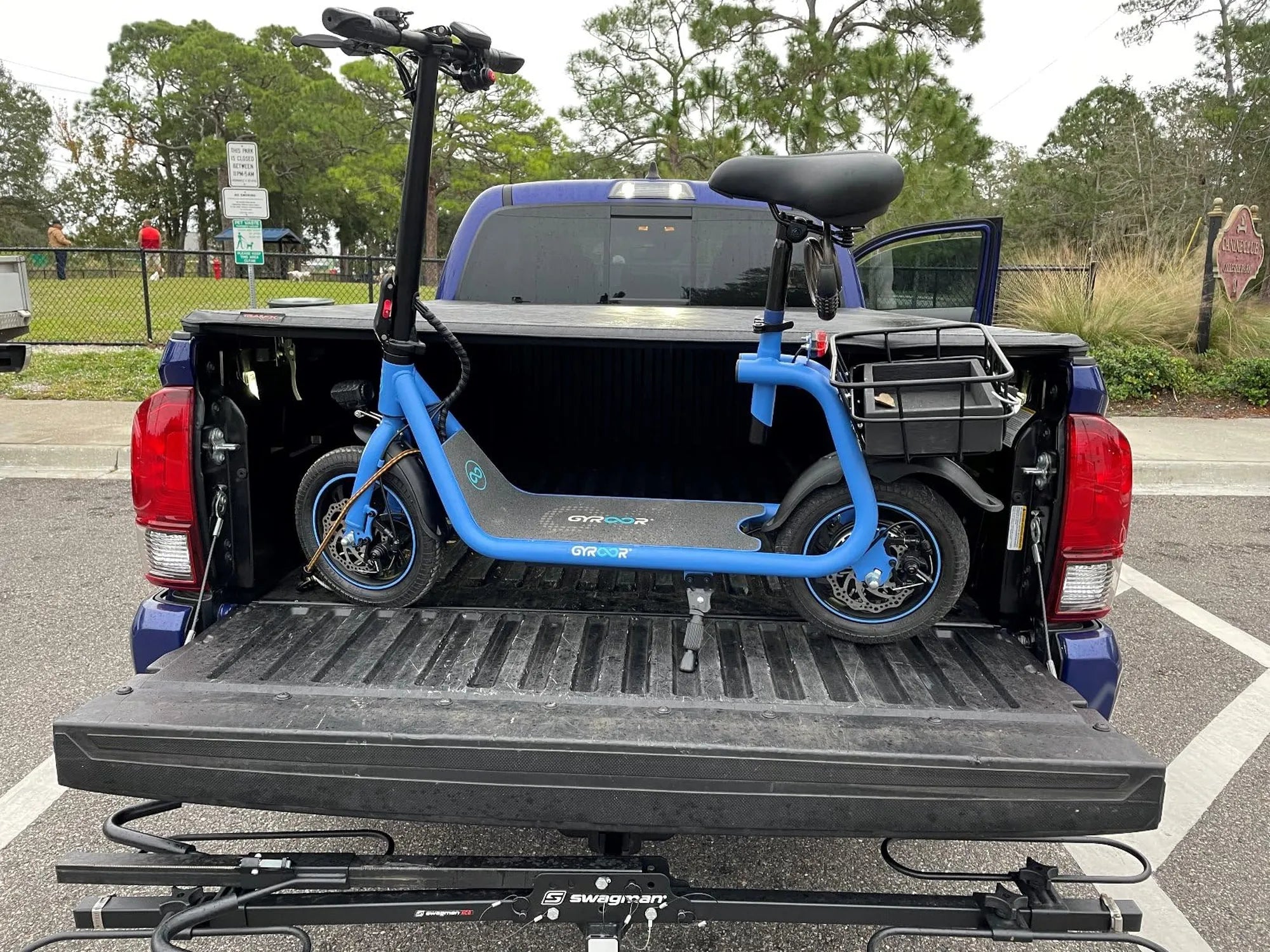
Imagine gliding silently past bumper-to-bumper traffic on the road to Lahaina, the Pacific breeze on your skin. Picture discovering hidden beach coves and upcountry art galleries inaccessible by tour bus. Electric Scooters Maui: The Ultimate Guide to Exploring the Island is your blueprint for this freedom. This guide will provide you with the complete framework for a safe, legal, and unforgettable Maui adventure on two wheels. You'll learn the specific county ordinances, how to select a scooter that conquers island hills, where to find the most breathtaking rides, and the smartest way to get rolling. We'll move beyond basic tips to deliver a data-driven plan for maximizing your Hawaiian experience.
Introduction: Why an Electric Scooter is Your Perfect Maui Companion
Maui's beauty is often trapped behind the wheel of a rental car or the window of a crowded shuttle. An electric scooter liberates you. It transforms travel from point-to-point transit into an immersive experience. You can stop spontaneously at a roadside fruit stand, weave through historic towns, and park effortlessly at the beach.
The economic and environmental benefits are significant. With gas prices consistently among the nation's highest, an e-scooter's cost per mile is a fraction of a car's. You're also choosing a zero-direct-emission mode of transport, aligning with the island's deep value of malama ‘aina (caring for the land). This guide to Electric Scooters Maui exploration focuses on practicality and depth.
We'll analyze terrain, traffic patterns, and legal nuances specific to Maui County. Whether you're a thrill-seeker eyeing coastal highways or a family planning a leisurely beach path cruise, the right preparation is key. Your journey begins with understanding the rules of the road.
Navigating Maui's E-Scooter Laws & Safety Essentials
Operating an electric scooter on Maui is not governed by a single state law but by Maui County ordinances. Ignorance can lead to fines and endanger yourself and others. Legally, electric scooters are classified similarly to bicycles when operated on roadways. This grants you access to bike lanes but comes with specific responsibilities.
Riders must be at least 15 years old. Helmets are mandatory for all riders under 18, and are strongly recommended for everyone. You may ride on roads with speed limits of 25 mph or less, and in bike lanes. Riding on sidewalks in business districts (like Lahaina's Front Street or parts of Kihei) is prohibited. Your scooter must have a front white light and a rear red reflector if ridden at night.
Safety transcends legal minimums. Maui's roads can be narrow, with varying pavement conditions and occasional blind corners. Defensive riding is non-negotiable. Always assume cars may not see you. Use hand signals for turns, and never ride against traffic. Be especially cautious in resort areas where pedestrian traffic is high.
Gear Up for Safety: Must-Have Accessories
The right gear transforms a fun ride into a safe one. Start with a CPSC-certified bicycle helmet. Consider a multi-impact model designed for sport riding. For visibility, a high-quality reflective vest is invaluable for dawn, dusk, or overcast days common on Maui's north shore.
Sturdy, closed-toe shoes are essential—no flip-flops. Pack a small backpack with water, sunscreen, a basic first-aid kit, and a portable battery pack for your phone. A reliable phone mount on your handlebars allows for hands-free navigation via apps like Google Maps or Maui-specific guides. Don't forget a high-quality U-lock for secure parking.
Choosing the Right Electric Scooter for Maui Terrain
Not all electric scooters are built for Maui. The island's geography demands specific performance criteria. A scooter perfect for flat city commuting may fail on the incline to Makawao or on the rough pavement of old cane roads. Your selection should be driven by three core factors: hill-climbing power, real-world range, and ride stability.
Underpowered scooters are a safety hazard on hills, as they can stall in traffic. You need ample torque to maintain speed and control on gradients. Range anxiety is real when attractions are spread out; you need a battery that delivers consistent power, not just peak theoretical mileage. Finally, suspension and tire quality directly impact comfort and control on Maui's diverse surfaces.
Key Specs for Island Riding: Motor Power, Range & Suspension
For Maui's hills, a continuous motor rating of 500W or higher is the practical minimum. A 500W-800W motor will handle most inclines in West Maui and Upcountry at reasonable speeds. For heavier riders or those planning extensive Upcountry exploration, 800W+ is advisable.
Advertised range is often based on ideal lab conditions. For real-world Maui riding with hills, wind, and rider weight, derate the claimed range by 30-40%. A scooter with a 25-mile claimed range will likely deliver 15-18 miles on Maui. Plan your routes accordingly. Pneumatic (air-filled) tires are superior to solid tires for absorbing vibrations from rough roads and providing better traction. Front and rear suspension, or a robust spring suspension system, is a major comfort upgrade.
Why Battery Safety & Water Resistance Matter on Maui
Maui's environment poses unique challenges. You'll be charging your scooter in vacation rentals or hotels. A battery with UL 2271 certification is critical—it means the battery pack has passed rigorous safety tests for electrical, mechanical, and environmental hazards, reducing fire risk. This is a non-negotiable feature for peace of mind.
Sudden tropical showers are a fact of life. Riding through light rain or ocean spray should not end your day. An IPX5 water-resistance rating means the scooter can withstand water jets from any direction, protecting its electrical components. This durability ensures your investment is protected against the elements, making it a reliable companion for daily island exploration.
Top Maui Routes & Destinations Accessible by E-Scooter
Maui offers a spectrum of rides, from ocean-hugging paths to charming upland towns. These curated routes prioritize safety, scenery, and scooter accessibility. Always check current road conditions and traffic before departing, and ensure your scooter's charge exceeds the round-trip distance.
West Maui Coastal Cruise: Lahaina to Kaanapali
This is the quintessential beginner-friendly Maui scooter route. The distance from central Lahaina to Kaanapali Resort is approximately 4 miles one-way on a relatively flat, coastal road. A wide, paved shared-use path runs alongside much of the route, separating you from vehicle traffic.
Start in historic Lahaina. After exploring, head north on Front Street, transitioning to the dedicated path. You'll pass by Wahikuli Wayside Park, perfect for a break. Continue to Hanakaʻōʻō Beach Park and the famous Kaanapali Beach. The route offers continuous ocean views, easy access to resorts for dining, and minimal elevation gain. It's ideal for a sunset cruise back to Lahaina.
Upcountry Exploration: Makawao Town & Surrounds
For a cooler climate and paniolo (Hawaiian cowboy) culture, head to Upcountry Maui. The town of Makawao is the hub. This route requires a scooter with strong hill-climbing ability, as you'll ascend from sea level to about 1,600 feet. The roads (Makawao Ave, Baldwin Ave) have shoulders but more traffic than the coastal path.
Park and explore Makawao's wooden storefronts, art galleries, and boutiques. From there, a short scooter ride can take you to the Surfing Goat Dairy for a tour or the nearby Aliʻi Kula Lavender farm. The views of the central valley and ocean are spectacular. Be mindful of changing weather; Upcountry can be misty and cooler.
South Maui Leisure Ride: Kihei Beach Path
South Maui's Kihei area boasts one of the island's longest continuous beachfront paths. The paved path stretches roughly 3 miles along the coastline, connecting Kamaole I, II, and III Beach Parks. It is entirely separated from vehicle traffic, making it exceptionally safe and family-friendly.
The path is flat, scenic, and dotted with parks, picnic tables, and public restrooms. It provides direct access to excellent snorkeling spots and a plethora of restaurants and shave ice stands across the street. This is a perfect route for a relaxed morning or afternoon ride, with plenty of opportunities to stop, swim, and enjoy the view of Kahoʻolawe and Molokini.
Renting vs. Bringing Your Own: A Practical Cost-Breakdown
This is a critical decision that depends on trip length, group size, and desired scooter quality. Below is a data-driven comparison to inform your choice. Prices are estimated averages; always verify with specific rental companies or airline policies.
| Factor | Renting in Maui | Bringing Your Own Scooter |
|---|---|---|
| Cost (7-Day Trip) | $50-$80/day = $350-$560+ total | Airline Fee (~$50-150 each way) + No daily cost = ~$100-$300 total |
| Scooter Quality & Model | Variable; often entry-level or older models. Limited spec choice. | You know the exact specs, condition, and performance of your own reliable model. |
| Convenience | Pickup/drop-off logistics. Potential for sold-out dates in peak season. | Have it from arrival to departure. Must handle airport transport & packing. |
| Liability & Insurance | Rental insurance required (added cost). Damage waivers and security deposits common. | Relies on your personal insurance (check coverage). No rental agreements. |
| Hassle Factor | Low pre-trip hassle. Higher in-trip cost and potential for availability issues. | High pre-trip packing hassle. Low in-trip hassle and highest long-term value. |
Verdict: For trips shorter than 5 days, renting may be simpler. For week-long or longer visits, or for riders who prioritize performance and safety specs (like UL-certified batteries and sufficient motor power), bringing your own scooter—especially a trusted brand—offers better economics and guarantees a machine you're comfortable riding on challenging terrain.
Frequently Asked Questions (FAQs)
Q: Can I ride an electric scooter on the Road to Hana?
A: It is strongly advised against. The Road to Hana (Hana Highway) is narrow, winding, has many blind corners, frequent one-lane bridges, and heavy tourist traffic. It is not safe for electric scooters. The road surface can be wet and slippery. This journey is best experienced via guided tour, rental car, or shuttle.
Q: Where can I park and lock my scooter safely on Maui?
A> Always use a designated bike rack. They are available at most beaches, parks, shopping centers, and public buildings. Never lock it to private property, palm trees (which is often illegal and damages the tree), or in a way that obstructs pedestrian pathways. A high-quality U-lock through the frame is the most secure option. Avoid leaving it unattended overnight in public areas.
Q: What happens if my rented scooter breaks down during my trip?
A> This highlights the importance of choosing a reputable rental company with clear support policies. Before renting, ask about their roadside assistance or replacement procedure. For owners, this is where a manufacturer's warranty and customer support are crucial. A brand with a reliable 1-year warranty and accessible US-based support can quickly ship parts or offer troubleshooting, minimizing trip disruption.
Q: Are there any group e-scooter tours available on Maui?
A> Yes, a growing number of outfitters offer guided e-scooter tours, particularly in Lahaina and Wailea areas. These are excellent for first-time visitors as the guide handles route planning, provides safety instruction, and shares local history. It's a low-stress way to get acquainted with scooter riding on the island before venturing out independently.
Q: How do I handle charging my scooter while exploring all day?
A> Plan your route around your scooter's real-world range. Many cafes, restaurants, and public libraries are accommodating if you ask politely to plug in for an hour while you eat or relax. Carry your charger in a backpack. Some larger attractions and shopping centers also have public outlets. Always be courteous and offer to patronize the business in exchange for the courtesy.
Conclusion: Embracing the Aloha Spirit on Two Wheels
Exploring Maui by electric scooter is more than transportation; it's a philosophy of travel. It connects you intimately with the island's rhythms—the scent of plumeria, the sound of crashing waves just feet away, the warmth of the sun as you climb through eucalyptus forests. This guide has equipped you with the knowledge to undertake this adventure confidently and respectfully.
The foundation is a reliable, capable machine matched to Maui's demands, ridden within the bounds of local law, and with a paramount focus on safety. Whether you choose to rent or invest in bringing your own, prioritizing quality, battery safety, and performance specs ensures your scooter is a gateway to joy, not a source of frustration. Now, with your route planned and your gear packed, the island awaits. Embrace the freedom, respect the land, and create unforgettable memories on your electric scooter Maui journey. Ready to find your perfect island ride? Browse the full Gyroor collection of UL-certified, high-performance electric scooters at gyroorboard.com.
Can You Use Electric Scooters in Public? A Comprehensive Guide to Rules & Benefits
Downtown Orlando Electric Scooters: Your Ultimate Guide to Urban Mobility