



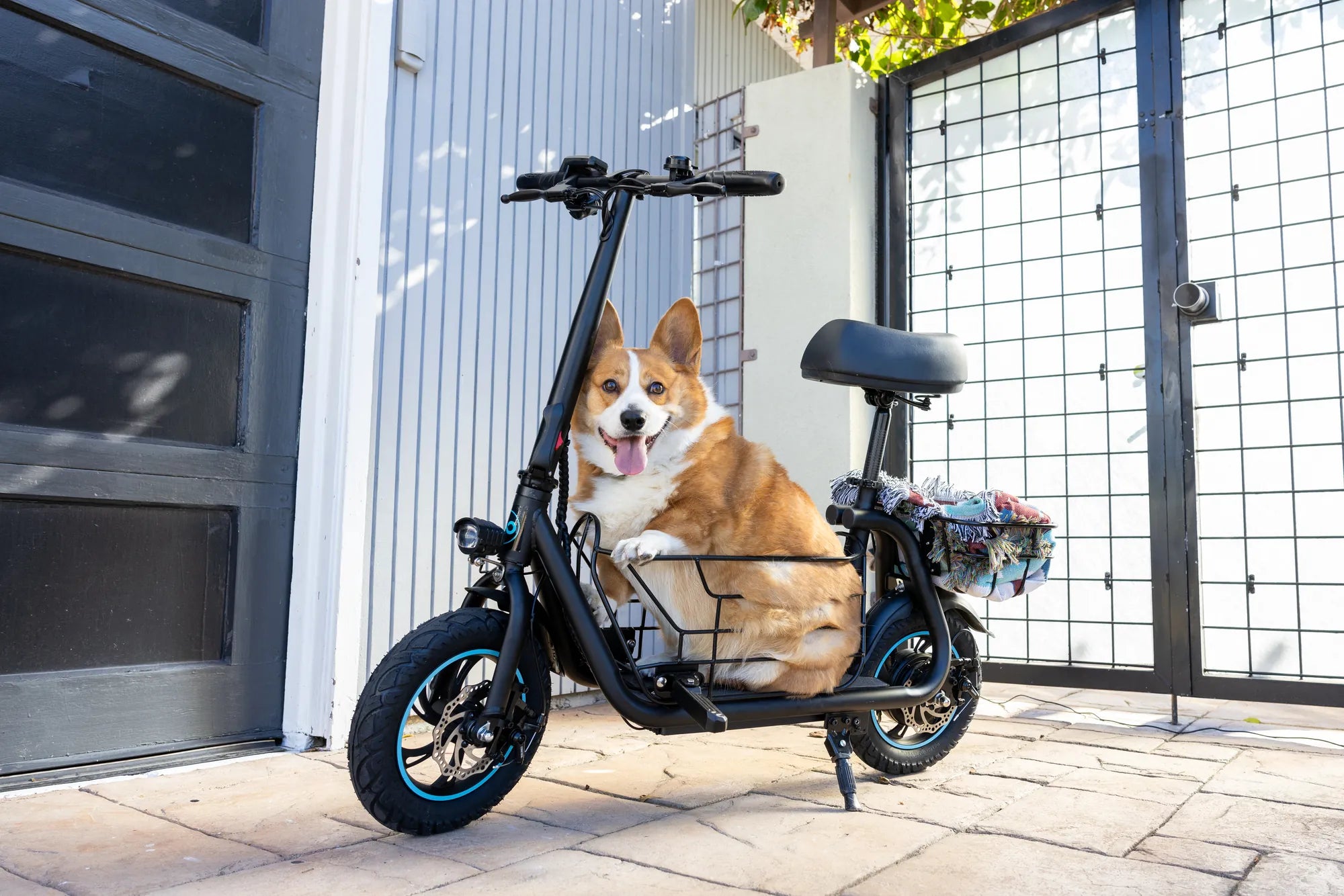
Navigating Pennsylvania on Two Wheels
Electric scooters have surged in popularity across Pennsylvania, transforming urban commutes in Philadelphia and Pittsburgh, offering new ways to explore college towns like State College, and providing efficient last-mile solutions in Harrisburg. This guide serves as your comprehensive resource for understanding the complex legal landscape, selecting the ideal scooter for Pennsylvania's diverse environments, and adopting best practices for safe and enjoyable riding. Whether you're a daily commuter, a student, or a weekend explorer, mastering the rules and requirements is essential for a seamless experience. We'll provide data-driven insights into state statutes, local ordinances, and the technical specifications that matter most for PA's unique terrain and weather.
This article will deliver actionable information on Pennsylvania's evolving regulations, practical safety tips, and maintenance advice to ensure your electric scooter remains reliable year-round. You'll learn not just where you can ride, but how to ride smartly, sharing the road responsibly with vehicles, cyclists, and pedestrians. The goal is to empower you with knowledge, turning potential confusion into confidence as you navigate the Keystone State on two wheels. Let's begin with the most critical component: understanding the law.
Understanding Pennsylvania E-Scooter Laws & Regulations
Pennsylvania state law categorizes electric scooters with a maximum speed of 25 mph as "electric personal assistive mobility devices" (EPAMDs) under Title 75 (Vehicle Code). This classification provides a legal framework but delegates significant regulatory authority to local municipalities. The state's basic posture allows their use, but the specifics of where and how are often determined by city or county governments, leading to a patchwork of rules across the state.
At the state level, key provisions include the allowance of EPAMDs on roadways and bicycle lanes. They are generally prohibited on sidewalks within business districts, though this is frequently reinforced or modified by local ordinance. There is no statewide mandate for helmet use for riders over a certain age, but it is strongly recommended for all riders. Similarly, a driver's license is not required by state statute, though local rules may impose age restrictions.
The absence of comprehensive, preemptive state legislation means riders must be diligent in researching local laws. A scooter legal in Erie may be subject to different rules in Allentown or Scranton. This local control allows cities to tailor programs to their infrastructure and safety goals but places the burden of compliance squarely on the rider. Ignorance of a local ordinance is not a valid defense, making this guide an essential first step.
Key Statewide Rules to Remember
While local laws vary, several core principles derived from the EPAMD classification and common traffic laws apply broadly across Pennsylvania. Adhering to these forms the foundation of legal and safe operation.
- Maximum Speed: Electric scooters are limited to 25 mph on roadways. Many models, including commuter-focused options from brands like Gyroor, offer multiple speed modes to help riders stay compliant.
- Where to Ride: Use bicycle lanes where available. On roadways, ride as close to the right-hand curb or edge as practicable, except when preparing for a left turn or avoiding hazards.
- Sidewalk Riding: Generally prohibited in business districts. Always defer to stricter local bans, as many Pennsylvania cities prohibit all sidewalk riding for pedestrian safety.
- Equipment Requirements: A braking system, a front headlight visible from 500 feet, a rear red reflector or taillight, and an audible bell or horn are required for operation from sunset to sunrise.
- Age & License: No state-wide age or license requirement, but operators must have the physical and mental abilities to control the device.
City-Specific Ordinances: Philadelphia, Pittsburgh, and Beyond
Local ordinances add critical layers of regulation. Philadelphia, after initial pilot programs, has established a permanent framework for shared dockless scooter programs. Personal scooter use follows state EPAMD rules but is subject to all traffic laws; riding on sidewalks is explicitly prohibited citywide. The city emphasizes sharing the road responsibly in its dense urban environment.
Pittsburgh has experimented with geofenced slow zones and no-ride zones in areas like Downtown and Station Square for shared scooters. For private scooter owners, the rules align with state code, but the city's challenging topography and narrow streets make understanding right-of-way and lane positioning especially important. Other municipalities, such as State College, have specific ordinances banning e-scooters from all sidewalks and requiring them to follow bicycle traffic laws.
Always check the municipal website or transportation authority for the latest rules before riding in a new city. Regulations are evolving, and what was true six months ago may have changed.
Choosing the Right Electric Scooter for Pennsylvania Terrain
Pennsylvania's terrain is famously varied, from the flat river valleys to the steep hills of the Alleghenies and the cobblestone streets of historic districts. Your scooter must be a capable partner. The right choice balances motor power for climbs, battery range for practical distances, and durability for uneven surfaces and variable weather.
A scooter with insufficient power will struggle on Pittsburgh's inclines or the ramps out of Philadelphia's SEPTA stations. Conversely, a scooter built purely for speed may lack the suspension or tire size needed for comfort on cracked pavement or brick roads. The decision should be driven by your primary use case: dense urban commuting, suburban errands, or recreational trail riding on permitted paths.
Investing in a scooter from a reputable brand with a focus on build quality and safety certifications is not just about performance—it's about reliability and peace of mind. Brands like Gyroor, trusted by over 100,000 riders, design their models with real-world conditions in mind, featuring UL-certified batteries for safety and robust construction to handle daily use.
Essential Features for PA Commuters: Power, Range & Safety
For commuting, performance metrics are non-negotiable. A motor with a continuous power output of at least 500W is recommended for handling moderate hills without significant speed loss. Dual-motor models offer superior hill-climbing torque. Battery range is equally critical; a minimum real-world range of 15-20 miles ensures you can complete a round-trip commute with a buffer for unexpected detours or headwinds.
Safety features are both a legal and practical necessity. Dual braking systems—typically a disc brake and an electronic regen brake—provide reliable stopping power on downhill slopes. Integrated, bright LED lighting (front and rear) is essential for visibility in Pennsylvania's often overcast weather and during shorter winter days. A loud electric horn is crucial for alerting drivers in busy urban traffic.
Weather and Durability: IP Ratings and Build Quality
Pennsylvania experiences all four seasons distinctly, meaning rain, snow melt, road salt, and potholes are seasonal realities. An Ingress Protection (IP) rating indicates a scooter's resistance to dust and water. An IPX5 rating, like that found on Gyroor commuter models, means the scooter can withstand water jets from any direction, making it suitable for riding in rain and through wet streets.
Build quality directly impacts longevity. A sturdy aluminum or reinforced steel frame, pneumatic (air-filled) tires for better shock absorption on rough roads, and a quality suspension system (spring or hydraulic) will make daily riding over Pennsylvania's infrastructure much more comfortable and reduce wear and tear. Solid tires, while puncture-proof, transmit more vibration and are less ideal for areas with poor road maintenance.
Safe Riding Practices and Pennsylvania Road Etiquette
Safe riding transcends legal compliance; it's about proactive defense and predictable behavior. Always assume that drivers may not see you. Ride in a straight line, avoid weaving between parked cars, and use hand signals for turns and stops. In bike lanes, be mindful of car doors opening and pedestrians crossing.
At intersections, make eye contact with drivers when possible. Position yourself visibly in the lane when preparing to turn left, or use crosswalks as a pedestrian if that feels safer. On shared-use paths, like the Schuylkill River Trail, control your speed, announce your presence politely when passing (using a bell, not a horn), and yield to pedestrians. Your behavior shapes public perception of all e-scooter riders.
Gear Up: Essential Safety Equipment
A helmet is the single most important piece of safety equipment. While Pennsylvania law may not mandate it for adults, data from the National Highway Traffic Safety Administration (NHTSA) consistently shows helmets dramatically reduce the risk of head injury. A certified bicycle or multi-impact helmet is the minimum; full-face helmets offer more protection.
Beyond the helmet, high-visibility clothing or a reflective vest is invaluable, especially during dawn, dusk, or rainy weather. Durable gloves protect your hands in a fall and improve grip. Closed-toe, sturdy shoes are essential—never ride in flip-flops. For night riding, consider additional rechargeable LED lights attached to your helmet or backpack for 360-degree visibility.
Top Destinations and Routes for E-Scooter Exploration in PA
Pennsylvania offers fantastic opportunities for recreational e-scooter use on permitted paths. Always verify that motorized vehicles are allowed before embarking.
- Schuylkill River Trail (Philadelphia): This iconic urban trail offers miles of paved, scenic paths along the river, perfect for a leisurely ride away from traffic. Check for any local restrictions on motorized devices on specific segments.
- Three Rivers Heritage Trail (Pittsburgh): Explore Pittsburgh's waterfronts on this extensive network of trails. It connects many neighborhoods and parks, offering stunning city views.
- Downtown Lancaster: The relatively flat and compact downtown area, with its slow traffic and growing bike infrastructure, is excellent for sightseeing via scooter.
- Presque Isle State Park (Erie): The multi-use trails along the peninsula provide a unique lakeside riding experience. Confirm e-scooter permissions with park authorities first.
- University Campuses: Campuses like Penn State University Park and the University of Pittsburgh often have expansive pedestrian pathways and low-speed roads ideal for scooter mobility, but always adhere to campus-specific regulations.
Maintenance and Care for Year-Round Pennsylvania Riding
Regular maintenance ensures safety, extends your scooter's lifespan, and preserves its performance through harsh conditions. Create a simple pre-ride checklist: inspect tires for pressure and wear, test brakes, ensure lights are functional, and check that all bolts and folding mechanisms are secure.
Seasonal care is crucial. After winter rides where salt is present, wipe down your scooter with a damp cloth to prevent corrosion. Store the scooter and its battery in a dry, temperate place; avoid leaving it in a freezing car overnight. Lithium-ion batteries perform poorly in extreme cold, reducing range, and should be charged at room temperature. During rainy seasons, ensure charging ports are completely dry before plugging in.
Long-term maintenance includes checking brake pads for wear, ensuring the suspension is clean and functional, and monitoring battery health. Adhering to the manufacturer's guidelines, such as those provided in Gyroor's 1-year warranty support documentation, will help you troubleshoot common issues and maintain optimal performance.
Frequently Asked Questions (FAQs)
Q1: Do I need a driver's license to ride an e-scooter in Pennsylvania?
A: No, Pennsylvania state law does not require a driver's license to operate an EPAMD (electric scooter). However, individual municipalities may impose age restrictions (e.g., 16+), so always check local rules.
Q2: Can I ride my e-scooter on state park trails or the Pine Creek Rail Trail?
A: Typically, no. Most Pennsylvania state park trails and designated rail-trails like Pine Creek prohibit motorized vehicles, including e-scooters, to preserve the experience for pedestrians and non-motorized bicycles. Always look for posted signage and check with the managing authority.
Q3: What is the penalty for riding on a sidewalk where it's prohibited?
A: Penalties vary by municipality but are usually treated as a summary offense or a fine. In Philadelphia, for example, it can result in a fine. Enforcement often focuses on education, but repeated violations can lead to citations.
Q4: How does Gyroor's warranty and support benefit riders in Pennsylvania?
A: Gyroor offers a reliable 1-year warranty on its electric scooters, covering manufacturing defects. For Pennsylvania riders facing varied terrain and weather, this warranty backs the durability of components like the UL-certified battery pack and IPX5 water-resistant design. Their U.S.-based customer support can assist with troubleshooting and parts, ensuring you spend less time on repairs and more time riding.
Q5: Are there any restrictions on carrying bags or passengers?
A: Yes. Most e-scooters are designed for a single rider only. Carrying a passenger is unsafe and illegal, as it exceeds the weight limit and affects stability and braking. You can carry a backpack or use a cargo hook for a bag, but ensure it doesn't unbalance you or interfere with the controls.
Electric Scooter Comparison for Pennsylvania Riders
| Feature / Use Case | Urban Commuter (e.g., Gyroor F1 Pro) | Suburban / Leisure Rider | Performance / Hill Climber |
|---|---|---|---|
| Ideal Terrain | City streets, bike lanes, paved trails | Neighborhood roads, park paths, errands | Steep urban hills, longer mixed-terrain commutes |
| Motor Power (Recommendation) | 500W+ sustained (Dual 500W ideal) | 350W - 500W | Dual 800W+ or single 1000W+ |
| Real-World Range | 20-30 miles | 15-20 miles | 25-40 miles |
| Crucial Safety Features | Dual brakes, full lighting, bell, IPX5 rating | Reliable brake, front/rear light, bell | Advanced dual braking, superior lighting, robust frame |
| Key PA-Specific Benefit | UL-certified battery for safety, water resistance for rain, warranty for reliability. | Portability for mixed-mode transit, comfort for shorter trips. | High torque for Pittsburgh/Philadelphia hills, suspension for rough roads. |
Your Partner for Pennsylvania E-Scooter Adventures
Mastering electric scooter use in Pennsylvania hinges on three pillars: knowledge of the law, selection of appropriate equipment, and a commitment to safe riding. By understanding the state's EPAMD framework and respecting local ordinances, you establish a foundation for legal operation. Choosing a scooter with sufficient power, range, and durability—prioritizing features like UL-certified batteries and weather resistance—ensures your vehicle is a reliable asset for commuting and exploration.
Ultimately, your vigilance and courtesy on the road will define your experience. Pennsylvania's cities and landscapes are increasingly accessible on two wheels, offering a unique blend of efficiency and freedom. For riders seeking a partner built for these demands, Gyroor combines the necessary performance specifications with proven safety standards and customer support, trusted by a community of over 100,000 riders. Ready to explore Pennsylvania? Start your journey equipped with the right knowledge and the right machine.
Browse the full Gyroor collection, featuring UL-certified, IPX5-rated models designed for real-world conditions, at gyroorboard.com.
Electric Scooters India Models 2025: The Future of Urban Mobility
New Rules on Electric Scooters: What You Need to Know for 2024