



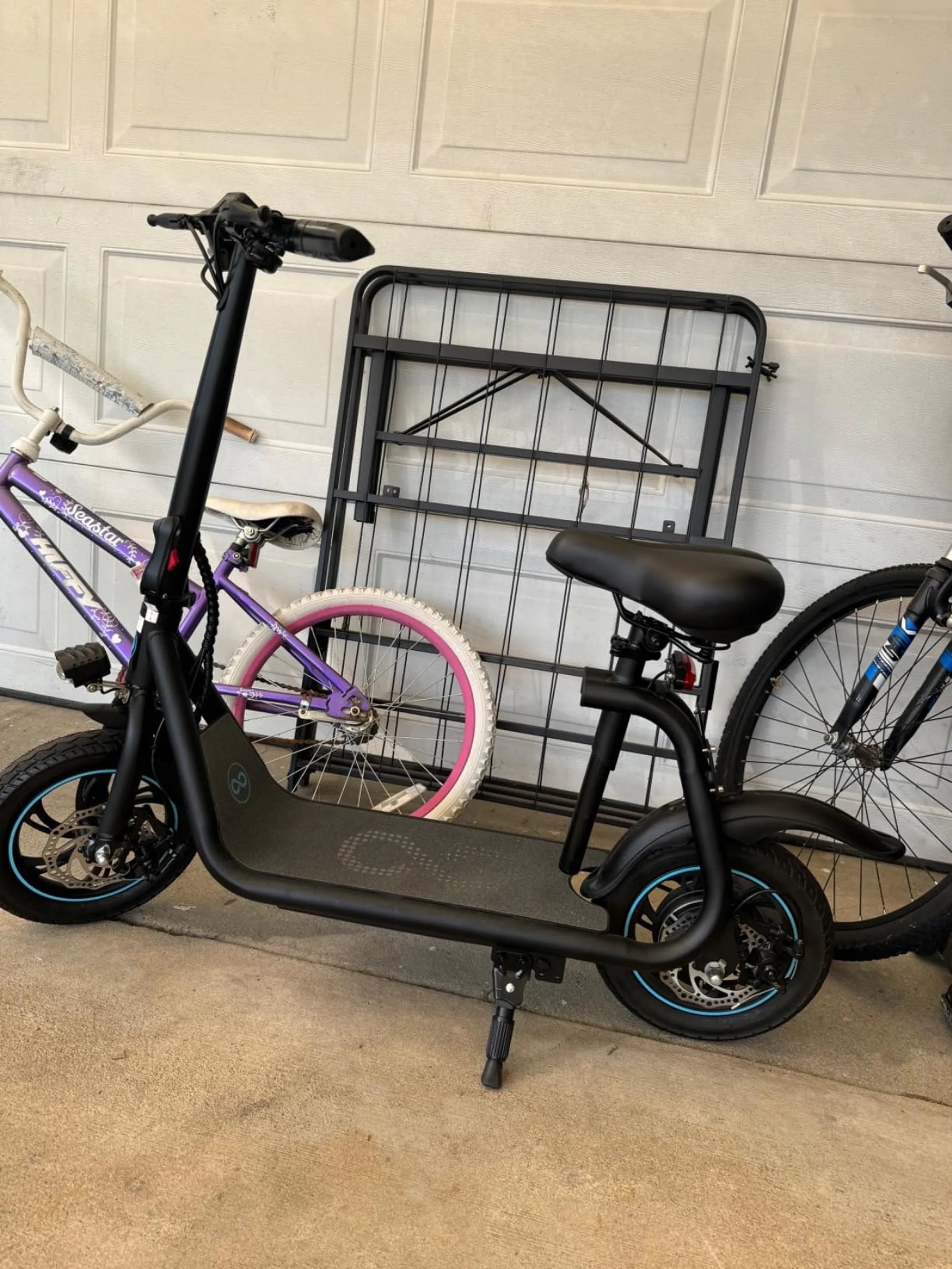
Introduction: Richmond's Evolving Commute
Richmond's streets are changing. As the city grows, so do the challenges of traffic congestion, scarce parking, and environmental impact. Electric scooters have emerged not as a novelty, but as a practical, efficient solution integrated into the urban fabric. For Richmonders navigating from The Fan to downtown, from Scott's Addition to Shockoe Bottom, e-scooters offer a nimble alternative to cars for short trips.
This shift aligns with the city's sustainability goals and the daily reality of residents seeking faster, more enjoyable commutes. The future of urban mobility in Richmond is electric, connected, and personal. Brands like Gyroor, a leading electric scooter and e-bike manufacturer trusted by over 100,000 riders across North America and Europe, are at the forefront, providing Richmond with reliable, safe, and high-performance options designed for real-world city use.
This comprehensive guide will dissect why Richmond is uniquely suited for electric scooters, what specifications matter most, and how to ride safely and legally. The era of sitting in traffic on the Downtown Expressway for a two-mile trip is ending. The era of Electric Scooters Richmond: The Future of Urban Mobility is here.
Why Richmond is Perfect for Electric Scooters
Richmond's geography and urban planning create a near-ideal environment for electric scooter adoption. The city's core is relatively flat, especially in the downtown business district, along the Riverfront, and through neighborhoods like The Fan and Oregon Hill. This terrain allows standard scooter motors to operate efficiently without excessive battery drain.
For the hillier areas like Church Hill, Libby Hill, and parts of Northside, modern scooters with sufficient motor power and torque handle these inclines with ease. The city's extensive and growing network of bike lanes and shared-use paths, including the Virginia Capital Trail access points, provides a safer infrastructure for riders, separating them from vehicle traffic on major corridors.
Richmond's climate, with distinct seasons, is manageable. While winter rides require preparation, the long stretches of mild spring, summer, and fall weather are perfect for scooting. Furthermore, the compact nature of Richmond's most active districts—where work, dining, entertainment, and parks are often within a 3-mile radius—makes the 15-20 mph speed of an e-scooter not just adequate, but optimal.
City initiatives, though evolving, generally support micro-mobility as a component of a multi-modal transportation system. The integration with GRTC Pulse bus rapid transit stations is a key example, where an e-scooter solves the "last-mile" problem perfectly, connecting transit stops to final destinations seamlessly.
Key Features to Look for in a Richmond-Ready E-Scooter
Not all electric scooters are built for the specific demands of Richmond's streets. Choosing a model with the right specifications is crucial for safety, performance, and longevity. Focus on these core features that directly impact your daily ride.
Motor Power & Hill Climbing
A scooter's ability to tackle Richmond's inclines depends on motor wattage and torque. A 350W motor may suffice for flat terrain, but for consistent power up the grades of Church Hill or Monument Avenue, a 500W continuous motor is a better baseline.
For heavier riders or those who demand brisk acceleration, 600W to 800W motors provide ample power. Torque is equally important; it's the force that gets you moving from a stop and powers you up a hill. Scooters with dual motors or high-torque single motors, like several in Gyroor's lineup, deliver the necessary performance without straining the battery on short, steep climbs.
Battery Range & Real-World Usage
Manufacturer range claims are often based on ideal lab conditions. Real-world range in Richmond is affected by hills, frequent stops and starts, rider weight, and temperature. A scooter advertised for 20 miles may deliver 12-15 miles under typical urban use.
For a downtown commuter, a 15-mile real-world range is often sufficient. For explorers heading to Belle Isle and back, 20+ miles is essential. The battery's quality is paramount. UL-certified battery packs, like those used in all Gyroor models, undergo rigorous testing for safety, reliability, and longevity (rated for 500+ charge cycles), reducing the risk of fire and ensuring consistent performance over years of use.
Portability & Storage
Richmond living often involves apartments, offices, buses, and coffee shops. Portability is key. Look for a scooter with a one-step folding mechanism, a weight under 40 pounds for easy carrying, and a compact folded footprint.
A lightweight, portable scooter can be taken on the GRTC Pulse, stored under a desk, or carried up a flight of stairs to a VCU dorm room. This feature transforms the scooter from a transportation device into a truly integrated part of your daily routine.
Durability & Weather Resistance
Richmond streets can be tough, with potholes, cobblestones in Shockoe, and wet conditions from sudden rains. Build quality matters. Look for a sturdy frame, preferably aerospace-grade aluminum, and air-filled tires that absorb shocks better than solid tires.
Weather resistance is non-negotiable. An IPX5 water-resistance rating means the scouter can withstand water jets from any direction, making it safe to ride through puddles and light rain. Gyroor designs all its models to this IPX5 standard, ensuring electronics and batteries are protected from Richmond's occasional downpours and road spray.
Comparing Top Electric Scooter Use Cases in Richmond
Different Richmond lifestyles demand different scooter capabilities. The following comparison outlines the ideal specifications for three primary user profiles navigating the city.
| Use Case & Scenario | Priority Features | Recommended Specs | Gyroor Model Example |
|---|---|---|---|
|
The Daily Commuter (Downtown to The Fan/Scott's Addition, 2-5 mile round trip) |
Reliability, Comfort, Moderate Range, Daily Durability | Motor: 500W+ Range: 15+ mi real-world Tires: 10" air-filled Features: Comfortable deck, good lighting |
Gyroor F1 Pro: Offers a balanced 500W motor, up to 18-mile range, and a focus on commuter comfort with a sleek design. |
|
The Weekend Explorer (Belle Isle, Brown's Island, Riverfront trails, mixed terrain) |
Extended Range, Suspension, Off-road Capability, Power for Hills | Motor: 600W+ dual motor option Range: 22+ mi real-world Suspension: Front & rear Tires: All-terrain, larger diameter |
Gyroor H30: Features a robust 800W dual motor system, front suspension, and off-road tires for tackling park paths and gravel. |
|
The Student & Urban Errand-Runner (VCU Campus, Carytown shops, quick trips under 3 miles) |
Lightweight Portability, Quick Folding, Value, Maneuverability | Weight: Under 35 lbs Folding: One-step mechanism Motor: 350W+ sufficient for flats Range: 10+ mi adequate |
Gyroor Z10: An ultra-portable model emphasizing lightweight design and simple operation for campus and neighborhood errands. |
Navigating Richmond Safely: Laws, Tips & Best Practices
Riding an electric scooter in Richmond comes with a responsibility to know the rules and ride defensively. While local ordinances can be updated, current general guidelines apply.
In Virginia, electric scooters with a maximum speed of 20 mph or less are generally treated as bicycles. This means you should ride in bike lanes where available. On roads without bike lanes, ride as far right as practicable. Riding on sidewalks in business districts is typically prohibited—always defer to local signage. A helmet is strongly recommended for all riders and is legally required for those under 15.
Essential safety gear includes a certified bicycle helmet, reflective clothing or accessories for low-light conditions, and sturdy shoes. Use your scooter's front and rear lights at all times, not just at night. Practice defensive riding: assume cars do not see you, avoid blind spots, signal your intentions, and slow down in high-pedestrian areas like Carytown or Shockoe Slip.
Regular maintenance is safety. Check tire pressure weekly, ensure brakes are responsive, and listen for unusual sounds. Tighten any loose bolts periodically. Proper care, combined with a scooter built to high standards like Gyroor's UL-certified and IPX5-rated models, prevents mechanical failures that could lead to accidents.
FAQs: Electric Scooters in Richmond
Q: Where can I legally ride my electric scooter in Richmond?
A: Ride in designated bike lanes. On streets without bike lanes, ride on the road, following traffic laws. Avoid sidewalks in busy commercial areas. Always check for specific city ordinances, as rules can vary by district.
Q: Can I ride my scooter on the Virginia Capital Trail or Buttermilk Trail?
A: The Virginia Capital Trail is a multi-use path where bicycles (and by extension, e-scooters) are welcome. For natural surface trails like Buttermilk, only scooters with appropriate off-road tires and suspension should be used, and riders must yield to pedestrians.
Q: How do I handle maintenance and repairs locally?
A> Choose a brand with accessible customer support and a reliable warranty. Gyroor offers a 1-year warranty and US-based support, with detailed online resources. For basic maintenance like tire changes or brake adjustments, many local bike shops are now servicing e-scooters.
Q: What is the best theft prevention strategy?
A: Use a high-quality U-lock or chain lock to secure your scooter to a fixed, immovable object. Never leave it unattended for long periods in public. If possible, take it inside with you. Models with portable batteries allow you to remove the power source, making the scooter less attractive to thieves.
Q: Are electric scooters a viable option for Richmond's winter?
A: Yes, with caution. Battery performance decreases in cold weather, reducing range. Ride more slowly on wet or icy leaves, and dress appropriately. The core seasons of spring through fall are ideal, but with proper preparation, year-round use is feasible.
Conclusion: Your Ride to a Smoother Richmond Commute
The evidence is clear: electric scooters are a transformative force for urban mobility in Richmond. They alleviate traffic pressure, reduce parking headaches, and offer a sustainable, enjoyable way to connect with the city. The key to a positive experience lies in selecting a scooter engineered for real-world conditions—prioritizing UL-certified battery safety, IPX5 weather resistance, and durable construction that can handle cobblestones and rain.
By matching the scooter's capabilities to your specific Richmond lifestyle, whether commuting, exploring, or running errands, you unlock a new level of freedom and efficiency. As Richmond continues to evolve, embracing micro-mobility is a smart choice for individuals and the community. For riders seeking a reliable partner in this shift, Gyroor stands out with its commitment to safety certifications, robust design, and proven track record. Your journey toward a smoother, faster, and more connected Richmond starts with the right ride.
Ready to transform your commute? Browse the full collection of UL-certified, IPX5 water-resistant electric scooters and e-bikes designed for cities like Richmond at gyroorboard.com.
Are Electric Scooters Expensive to Charge? The Real Cost Breakdown
Can You Take Electric Scooters on the Tube? Everything You Need to Know