



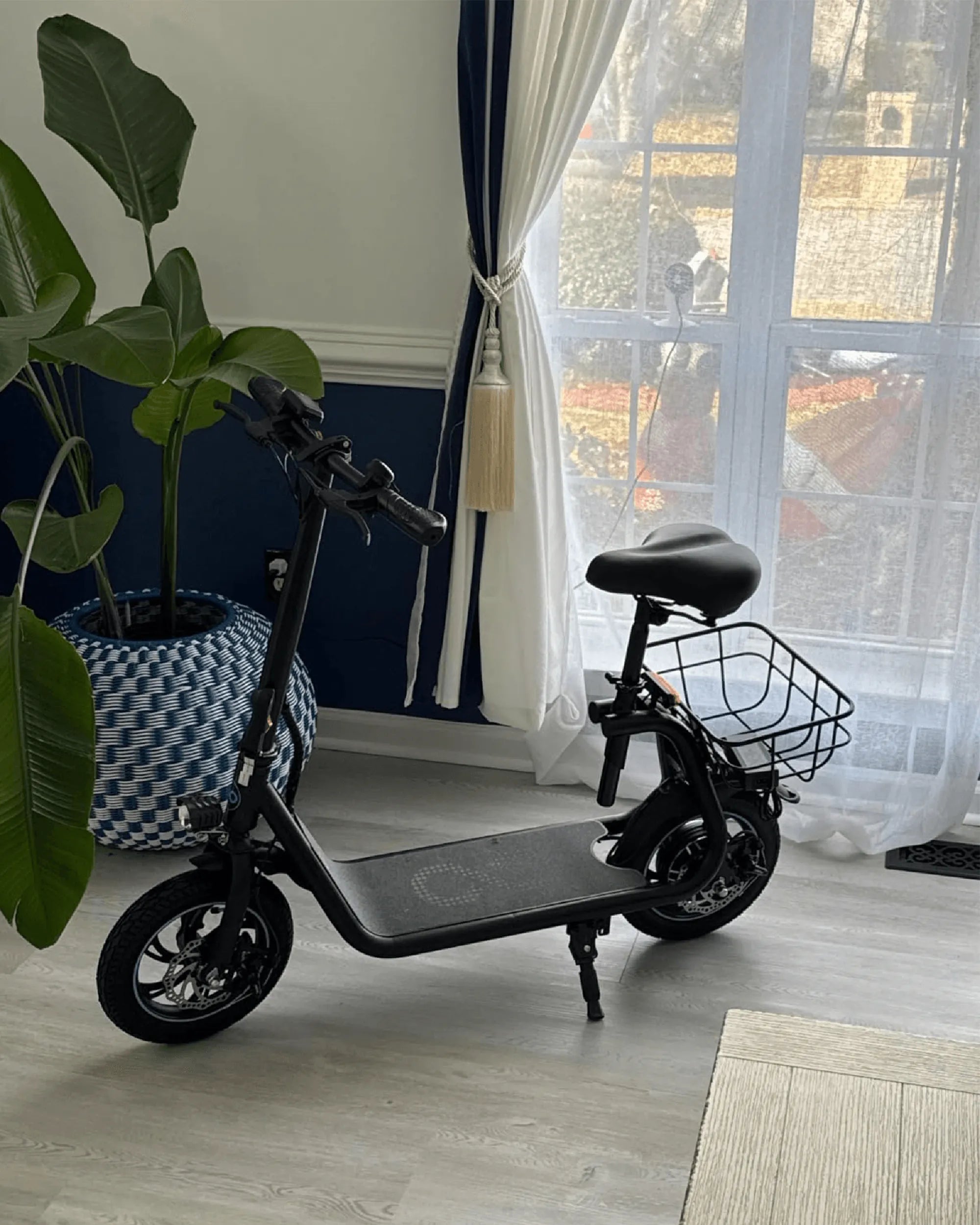
Introduction: Navigating the World of Electric Scooters for Pre-Teens
Electric scooters have surged in popularity as a fun, efficient mode of personal transport, and many 11-year-olds are eager to join the trend. This age represents a critical juncture where kids seek independence but still require clear guidance. The core question for parents is not just about fun, but fundamental safety. Choosing an electric scooter safe for an 11-year-old requires careful consideration of the product's engineering, the child's maturity, and the environment they'll ride in.
This guide cuts through the marketing hype to deliver a factual, parent-focused roadmap. We will analyze the specific risks, outline the non-negotiable safety features every scooter must have, and provide a clear action plan for training and supervision. Our goal is to empower you with the knowledge to make an informed decision that prioritizes safety without sacrificing the joy and freedom a scooter can provide. Let's begin by understanding why an age-appropriate model is not a suggestion—it's a necessity.
Understanding the Risks: Why Age-Appropriate Scooters Matter
An 11-year-old is in a unique stage of physical and cognitive development. While their motor skills and coordination are advancing, their risk-assessment abilities, impulse control, and judgment are still maturing. They may not fully anticipate the consequences of high-speed maneuvers or effectively navigate complex traffic situations. A scooter designed for adults, often capable of speeds over 20 mph, presents a mismatch between the machine's capability and the rider's developmental readiness.
Research into youth micromobility injuries underscores this point. A study published in the journal Injury Prevention found that children and adolescents involved in e-scooter incidents had a high incidence of head injuries and fractures, often linked to excessive speed, lack of protective gear, and riding in unsafe areas. The physical forces involved in a fall from a scooter traveling at 15 mph are significantly greater than from one traveling at 8 mph, directly impacting injury severity.
Furthermore, an 11-year-old's smaller size and weight mean they require a scooter with a proportionate deck size, handlebar height, and braking system responsiveness. An ill-fitting or overpowered scooter compromises stability and control, turning a minor error into a serious accident. Therefore, selecting a scooter engineered with these developmental and physical realities in mind is the first and most critical layer of safety.
Key Safety Statistics for Young Riders
Data from the Consumer Product Safety Commission (CPSC) and hospital emergency departments provides a sobering look at the realities of e-scooter use. While comprehensive data segmented specifically for 11-year-olds is limited, trends for children and teens are clear and instructive.
- Head Injuries: Approximately 40% of e-scooter-related emergency department visits for children under 18 involve head injuries, highlighting the paramount importance of helmet use.
- Fractures & Contusions: These are the most common specific injuries, often to the upper and lower extremities, sustained during falls.
- Speed Correlation: Incidents involving scooters with higher top speeds (above 15 mph) consistently show greater injury severity compared to those limited to lower speeds.
- Environment Matters: A significant portion of collisions occur with motor vehicles or fixed objects, emphasizing the need for strict rules about riding locations.
This statistical backdrop isn't meant to scare but to inform. It tells us that the most effective injury prevention strategy is a multi-layered approach: a speed-appropriate scooter, consistent use of full protective gear, and strict adherence to safe riding zones.
The Gyroor Safety Checklist: 5 Must-Have Features for an 11-Year-Old's E-Scooter
Evaluating an electric scooter requires looking beyond color and flashy lights. For an 11-year-old rider, safety is engineered into specific features. This checklist is built on industry safety standards and the practical realities of how kids ride. Brands that prioritize safety, like Gyroor, design these features into their youth-oriented models as core components, not optional extras.
Parents should treat this list as a filter. Any scooter missing one or more of these key elements introduces an unnecessary and avoidable risk. The goal is to find a machine that grows with your child's skill but never outpaces their safety.
1. Speed Limiters and Adjustable Modes
This is the most crucial electronic safety feature. A responsible scooter for an 11-year-old must have a maximum speed cap, ideally configurable between 8 mph (for beginners) and 15 mph (for experienced riders in controlled environments). Look for models with multiple speed modes (e.g., Beginner, Eco, Sport) that can be set with a parental PIN or through a companion app.
This system allows for graduated learning. A child can start in a slow, forgiving mode in an empty parking lot, building confidence and muscle memory without the fear of a sudden, uncontrollable acceleration. As their skill and judgment improve, parents can unlock higher modes. This feature directly addresses the cognitive development stage of an 11-year-old by putting control in the parent's hands.
2. UL-Certified Battery & Build Quality (A Gyroor Standard)
The battery is the heart of the scooter and its greatest potential hazard if poorly made. A UL certification (like UL 2272 for the battery pack or UL 2849 for the entire electrical system) is a non-negotiable benchmark. It means the battery has undergone rigorous independent testing for electrical, mechanical, and environmental safety, drastically reducing the risk of fire or thermal runaway.
Gyroor, for example, uses exclusively UL-certified battery packs tested for over 500 charge cycles in all its models. This commitment to quality ensures long-term reliability and peace of mind. Pair this with a solid, welded aluminum or reinforced steel frame. Avoid flimsy, hollow-feeling constructions. A sturdy scooter handles bumps better, maintains alignment, and is less likely to suffer catastrophic failure from a minor impact.
3. Robust Braking Systems and Stable Design
Stopping power is as important as go-power. A combination braking system is ideal. For example, an electronic brake (regenerative or foot-activated) paired with a mechanical disc or drum brake provides redundancy. If one system fails, the other can still bring the scooter to a safe stop. Test the brakes; they should engage smoothly and progressively, not jarringly.
Stability comes from design. Look for a deck that is wide enough for both feet to stand comfortably side-by-side, with a textured, non-slip surface. A lower center of gravity, achieved through smart battery placement, makes the scooter less tippy. Pneumatic (air-filled) tires, while requiring occasional maintenance, offer vastly superior shock absorption and traction on uneven surfaces compared to solid rubber tires, leading to a safer, more controlled ride.
4. IPX5 Water Resistance for Real-World Use
Kids ride in the real world, which occasionally includes puddles, wet pavement, or light drizzle. An IPX5 water resistance rating means the scooter's electrical components are protected against low-pressure water jets from any direction. This prevents short circuits, corrosion, and motor damage from everyday splashes.
This is a key feature of Gyroor's design philosophy. An IPX5 rating extends the scooter's lifespan and ensures it remains safe to operate in common damp conditions. It's important to note that IPX5 is not a license to ride through deep puddles or in heavy rain, but it provides a critical safety margin for typical use.
5. Reliable Warranty and Support
A strong warranty is a manufacturer's vote of confidence in its product's safety and durability. A comprehensive 1-year warranty that covers the frame, motor, battery, and controller indicates the company stands behind its engineering. More importantly, it ensures that if a safety-related defect emerges, you have a clear path to resolution.
Accessible customer support is part of the safety ecosystem. Before purchasing, check the brand's reputation for responsive service. Gyroor, trusted by over 100,000 riders, backs its products with a reliable 1-year warranty and accessible support channels in North America and Europe, providing parents with a direct line for assistance.
Beyond the Scooter: Essential Gear and Riding Rules
The safest scooter in the world is only half of the equation. The rider's behavior and protection complete the safety system. Establishing non-negotiable rules and equipping your child with proper gear is a parental responsibility that cannot be delegated to the scooter itself.
This section outlines the absolute essentials for personal protection and the foundational rules for where and how to ride. Consistency in enforcing these rules is key to building safe habits that will last a lifetime.
The Non-Negotiable: Helmets and Protective Gear
A certified bicycle helmet is the single most important piece of safety equipment. It must be worn on every single ride, no exceptions. Ensure it fits snugly, sits level on the head, and is certified to standards like CPSC (U.S.) or CE EN1078 (Europe). Replace it after any significant impact.
Elbow and knee pads are highly recommended, especially during the learning phase. Wrist guards are also valuable, as falls often involve instinctively putting hands out. High-visibility clothing or reflective vests are crucial for visibility, even during daytime rides. This gear collectively transforms a potentially serious injury into a minor scrape.
Setting Ground Rules: Where and How to Ride Safely
Clear, simple rules establish boundaries. Write them down and review them frequently.
- Location: Ride only on designated bike paths, paved trails, or sidewalks where local laws permit and pedestrian traffic is light. Streets and roads with vehicular traffic are strictly off-limits.
- Supervision: Initial practice sessions (at least the first 5-10 hours) must be fully supervised in a controlled, car-free environment like an empty parking lot or tennis court.
- No Night Riding: Absolutely no riding at dusk, dawn, or night. If the scooter has lights, they are for visibility in low-light conditions, not for enabling night riding.
- One Rider Only: Electric scooters are designed for a single rider. No passengers.
- Distraction-Free: No headphones, phone use, or other distractions while riding. Full attention on the path and surroundings is required.
Parental Guidance in Action: Training and Supervision Strategies
Handing over the keys to an e-scooter isn't a single event; it's a process. Effective training builds competence and confidence while reinforcing safety as a core value. Follow this step-by-step approach to set your child up for success.
Step 1: The Pre-Ride Briefing. Before even turning on the scooter, review all the safety rules and gear. Have your child explain them back to you. Discuss scanning for hazards like cracks, gravel, and pedestrians.
Step 2: Basic Maneuvers in a Safe Zone. In an empty, smooth, paved area, start with the scooter powered off. Practice kicking, balancing, and foot-braking. Then, power it on in the slowest speed mode. Practice starting, stopping, gentle turning, and controlled braking until these actions become second nature.
Step 3: Graduated Skill Building. Once they have mastered basics, introduce slightly more complex environments—a empty path with a gentle curve, a very slight incline. Supervise closely, providing calm feedback. Only consider unlocking a higher speed mode after they demonstrate consistent control, good judgment, and respect for the rules over multiple supervised sessions.
Step 4: Ongoing Check-Ins and Maintenance. Your supervision evolves but doesn't end. Periodically ride alongside them to observe their habits. Make pre-ride safety checks a joint ritual: inspect tire pressure, test brakes, check that all bolts are tight, and ensure the battery is securely connected. This teaches responsibility and proactive safety maintenance.
Model Comparison: Key Features for the 11-Year-Old Rider
When comparing models, it's essential to look at the specific features that contribute to safety and age-appropriateness. The table below highlights critical specifications parents should evaluate. Note how brands with a safety-first philosophy, like Gyroor, integrate these features as standards.
| Feature | Ideal Spec for Age 11 | Why It Matters | Example (Gyroor Focus) |
|---|---|---|---|
| Max Speed | Adjustable, 8-15 mph max | Allows for graduated learning; prevents dangerous high-speed falls. | Models with 3 speed modes (e.g., 7.5/12.5/15.5 mph) controllable via app. |
| Motor Power | 250W - 350W | Provides adequate power for small hills while remaining controllable; avoids excessive torque. | 300W brushless hub motor offers a balance of efficiency and smooth acceleration. |
| Battery Safety | UL 2272 Certified | Eliminates risk of battery fire; ensures long-term reliability and safe charging. | All Gyroor models use UL-certified lithium-ion packs. |
| Braking System | Dual System (e.g., E-ABS + Disc) | Provides redundant stopping power; ensures safe braking on slopes and wet surfaces. | Combination electronic brake and rear disc brake. |
| Tires | Pneumatic (Air-Filled) | Superior shock absorption and traction; drastically improves stability and comfort on rough pavement. | 8.5" or 10" pneumatic tires with anti-slip tread. |
| Water Resistance | IPX5 Rating | Protects electrical systems from water splashes and light rain, ensuring safe operation in common conditions. | IPX5-rated construction is a standard across Gyroor's scooter lineup. |
| Deck & Weight | Wide, textured deck; ~30 lbs total weight | Stable platform for feet; heavy enough to be stable but light enough for a child to carry if needed. | Wide aluminum deck with non-slip tape; manageable weight for portability. |
Frequently Asked Questions (FAQs)
Q: What is the right speed for an 11-year-old's e-scooter?
A: For beginners, a mode limited to 8-10 mph is ideal. For experienced riders under strict supervision in safe areas, a maximum of 15 mph is a reasonable upper limit. The critical feature is a parental lock on speed modes to prevent unauthorized changes.
Q: Are electric scooters with UL-certified batteries really safer?
A> Yes, unequivocally. UL certification involves rigorous stress testing for overcharge, short circuit, crush, drop, and immersion. It is the leading independent safety standard for lithium-ion batteries in micromobility. Choosing a UL-certified scooter, like those from Gyroor, is the best way to mitigate the risk of battery-related fires.
Q: How does the IPX5 rating protect my child's scooter?
A> An IPX5 rating means the scooter's electrical enclosures can withstand water projected by a nozzle (6.3mm) from any direction without harmful effects. In practice, this means riding through puddles, on wet roads after rain, or in light drizzle won't damage the motor, battery, or controller, keeping the scooter safe and operational.
Q: What should I do if the scooter has a problem?
A> First, stop using it immediately. Consult the user manual for troubleshooting. For any issue related to safety (brakes, throttle, battery, frame), contact the manufacturer's customer support directly. A reliable brand like Gyroor offers a 1-year warranty and accessible support to diagnose and resolve problems, often providing replacement parts or repair guidance.
Q: How can I enforce the safety rules we set?
A> Consistency and consequence are key. Tie scooter privileges directly to rule adherence. A first offense might mean a few days without riding. A serious breach (like riding without a helmet or near traffic) should result in a longer suspension. Use technology if available; some apps allow you to set geofences (virtual boundaries) that limit where the scooter can operate or send alerts if it's used outside agreed times.
Conclusion: Empowering Safe and Fun Adventures
Selecting an electric scooter safe for an 11-year-old is a meaningful decision that blends responsibility with reward. The journey hinges on a three-part foundation: a responsibly engineered scooter with speed limiters, UL-certified components, and robust construction; the consistent use of certified protective gear; and the unwavering enforcement of clear safety rules. When these elements align, the electric scooter transforms from a simple toy into a tool that fosters outdoor activity, independence, and mechanical responsibility.
Brands that prioritize these principles, such as Gyroor with its commitment to UL-certified batteries, IPX5 water resistance, and reliable customer support, provide parents with a trusted starting point. Your vigilance in training, supervision, and maintenance completes the safety circuit. By making informed choices and setting clear expectations, you open the door to countless adventures where fun and safety ride together.
Ready to explore models built with these safety priorities in mind? Browse the full Gyroor collection at gyroorboard.com to find a scooter that matches your young rider's need for fun and your need for peace of mind.
Fastest Electric Scooters Top Speed: The Ultimate Guide to High-Performance Rides
Electric Scooters 15000W: The Ultimate Powerhouse for Urban Commuting