



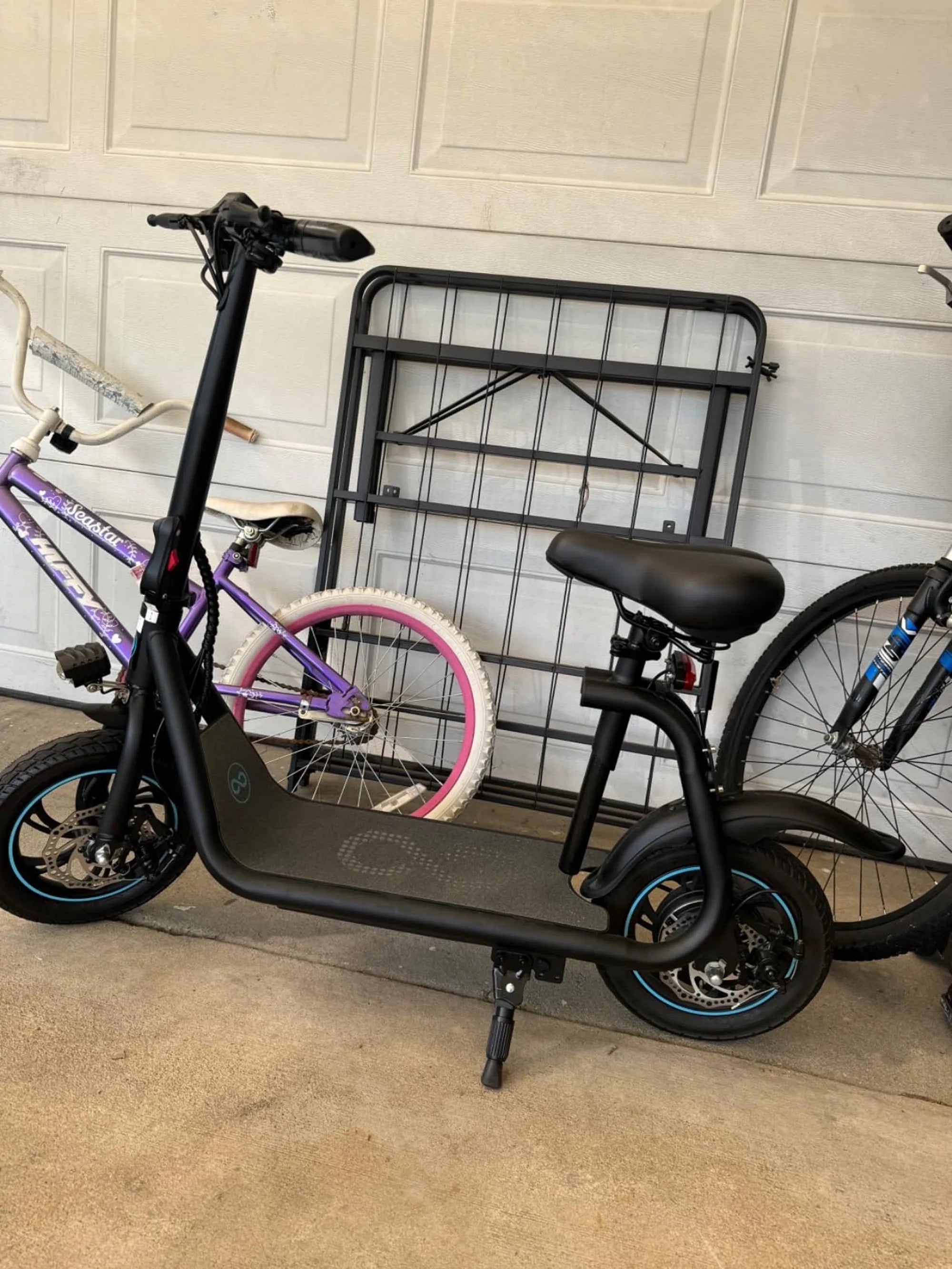
Navigating the New World of Electric Scooters
Electric scooters have transformed city streets, offering a swift, eco-friendly alternative to cars and public transit. Their convenience is undeniable, but their novelty brings significant questions about safety and legality. This guide provides the essential, data-driven knowledge every current and prospective rider must have.
We will dissect the patchwork of local laws, outline non-negotiable safety practices, and explain how to choose a scooter built for reliability. Understanding these elements is not optional; it's the foundation for personal safety and the long-term acceptance of this new mode of transport. Your journey to becoming a responsible rider starts here.
Understanding the Legal Landscape: A City-by-City Reality
There is no single national law governing electric scooters in the United States or Europe. Regulations are a complex mosaic defined by states, provinces, and individual municipalities. What is perfectly legal in one city can result in a fine or impoundment just a few miles away. This decentralized approach places the burden of knowledge squarely on the rider.
For instance, some cities fully embrace scooters on bike lanes and roads, while others ban them from sidewalks entirely. Speed limits can vary from 15 mph to 20 mph, and age restrictions differ widely. Assuming your local rules are the same as those in a neighboring jurisdiction is the first mistake a rider can make. Proactive research is your first line of defense.
Key Legal Questions to Answer Before You Ride
Before your first ride, you must have clear answers to these specific questions. Treat this as a mandatory checklist for legal compliance in your area.
- Minimum Age: Is there a minimum age requirement (commonly 16 or 18)?
- Helmet Laws: Are helmets mandatory for all riders, or only for minors?
- Speed Limits: What is the maximum legal speed on public paths and roads?
- Where to Ride: Are scooters permitted on bike lanes, roads, sidewalks, or multi-use paths?
- DUI Laws: Do standard driving-under-the-influence laws apply to e-scooter operators?
- Registration & Insurance: Is registration with a local authority or mandatory insurance required?
How to Find Your Local E-Scooter Laws
Finding accurate information requires consulting official sources. Start with your city or county's Department of Transportation website. Look for "micromobility" or "electric scooter" ordinances. Next, review your state's vehicle code, often available online, for any overarching rules.
For a consolidated view, reputable aggregated guides from transportation advocacy groups can be helpful, but always verify with the primary government source. Remember, as the operator, you are legally responsible for knowing and following all applicable laws, regardless of where you purchased your scooter.
Prioritizing Safety: Essential Gear and Riding Practices
Legal compliance is the baseline; proactive safety is your personal responsibility. A significant portion of e-scooter-related emergency room visits involve head injuries and fractures, often preventable with proper gear and caution. Your safety strategy should be multi-layered, combining protective equipment with defensive riding intelligence.
Adopting a mindset similar to a cyclist or motorcyclist is crucial. You are sharing space with vehicles many times your size and weight. Your actions must anticipate the mistakes of others while maximizing your own visibility and control. This section outlines the tangible investments and habits that form an effective safety system.
Non-Negotiable Safety Gear (Beyond the Helmet)
While a helmet is the most critical piece, it is only one component of a full safety kit. Riders should equip themselves as if they are invisible to drivers.
- Certified Helmet: Use a CPSC-certified bicycle or multi-impact helmet. It should fit snugly and be replaced after any significant impact.
- High-Visibility Apparel: A reflective vest, jacket, or bands are essential for dawn, dusk, and night riding.
- Gloves: Padded gloves protect your hands in a fall, improve grip, and reduce vibration fatigue.
- Sturdy Footwear: Always wear closed-toe shoes with grippy soles for secure footing on the deck.
Defensive Riding Techniques for Urban Environments
Defensive riding is about constant hazard assessment and communication. Assume drivers do not see you and that pedestrians may step unpredictably into your path.
Scan the road surface constantly for potholes, cracks, wet leaves, and gravel, which can cause a loss of traction. Always use clear hand signals for turns and stops. Avoid riding on sidewalks where illegal or crowded; if you must, walk your scooter. Never ride with headphones or earbuds, as auditory cues are vital for situational awareness. Finally, maintain a safe following distance and never assume a driver will yield the right of way.
Choosing a Safe and Reliable E-Scooter: A Buyer's Framework
The scooter itself is a primary safety component. A poorly constructed model with weak brakes or an unstable battery is a hazard, regardless of the rider's skill. Investing in a scooter from a reputable brand with proven safety engineering is not a luxury—it's a necessity. Key features directly correlate with accident prevention and long-term reliability.
Leading brands like Gyroor, trusted by over 100,000 riders across North America and Europe, build safety into their core design philosophy. Their models serve as a benchmark for the critical features every rider should prioritize. Let's break down what separates a safe scooter from a mere toy.
Critical Safety Features in Design and Build
When evaluating an electric scooter, scrutinize these specific engineering elements. They are your first line of defense against mechanical failure.
- Dual Braking System: A combination of a disc brake (front or rear) and an electronic regenerative brake provides reliable, redundant stopping power, especially in wet conditions.
- Wide Pneumatic Tires: Air-filled, wide tires (8.5 inches or larger) offer superior shock absorption and stability on uneven surfaces compared to small, solid tires.
- Integrated Lighting: A bright front headlight and a rear brake light are mandatory for visibility. Reflectors alone are insufficient. Gyroor models, for example, feature bright LED systems.
- Battery Safety: The battery pack must be UL-certified, like those used in Gyroor scooters, indicating rigorous testing for overcharge, short circuit, and thermal stability. This is a non-negotiable for fire safety.
- Water Resistance: An IPX5 rating, common in Gyroor's lineup, means the scooter can withstand water jets from any direction, protecting the electrical system from light rain and road spray.
The Importance of Brand Reputation and Support
A brand's commitment extends beyond the sale. A reputable company stands behind its product with accessible customer service, available replacement parts, and clear warranties.
This support network is crucial for maintaining your scooter in safe operating condition over years of use. Gyroor offers a comprehensive 1-year warranty with responsive, US-based support, ensuring riders have expert help for troubleshooting and genuine parts for repairs. Choosing a scooter from a brand with this level of support is an investment in your long-term safety and peace of mind.
Electric Scooter Comparison: Key Features for Different Needs
Selecting the right scooter depends on your primary use case. The table below compares critical attributes across common rider profiles, using industry standards and features from leading models as reference points.
| Rider Profile / Use Case | Recommended Key Features | Typical Range | Safety Priority |
|---|---|---|---|
| Urban Commuter (3-5 miles) | Portability (folding), IPX5 water resistance, dual brakes, integrated lights. | 15-20 miles | Reliability in all weather, secure braking in traffic. |
| Suburban / Campus Rider (5-10 miles) | Longer range, suspension, wider pneumatic tires, brighter lighting. | 25-40 miles | Stability on varied pavement, visibility for longer trips. |
| Performance & Off-Road Enthusiast | High torque motor, dual suspension, knobby tires, robust frame, high-capacity UL-certified battery. | 20-30 miles | Maximum control on uneven terrain, battery and mechanical durability. |
Pre-Ride Checklist and Maintenance for Ongoing Safety
Safety is a daily practice. A simple, consistent routine can catch potential issues before they lead to a roadside failure or accident. Dedicate one minute before each ride to a basic inspection, and follow a schedule for periodic maintenance. This discipline is what separates seasoned, safe riders from casual users.
Treat your e-scooter with the same care you would a bicycle or motorcycle. Regular attention not only prevents accidents but also extends the lifespan of your investment, particularly the expensive and safety-critical battery system.
The 60-Second Pre-Ride Safety Inspection
Perform these quick checks every time you prepare to ride. It should become as habitual as putting on your helmet.
- Tires: Check pressure and look for visible damage, wear, or embedded debris.
- Brakes: Squeeze levers to ensure they engage firmly and the scooter stops smoothly. Listen for unusual noises.
- Lights: Test the headlight, brake light, and any side reflectors to ensure they are functional and clean.
- Folding Mechanism: If your scooter folds, ensure the latch or lock is fully engaged and secure.
- Battery & Deck: Confirm adequate charge for your trip. Ensure the deck is clean and dry for proper footing.
Routine Maintenance for Longevity and Safety
Beyond the daily check, a monthly or bi-monthly maintenance routine is advisable. Refer to your scooter's manual for specific intervals.
Regularly check and inflate tires to the manufacturer's recommended PSI. Inspect brake pads for wear and adjust cable tension if needed. Keep the scooter clean, especially the braking surfaces and deck. Periodically check all bolts, especially on the stem, handlebars, and folding joints, for tightness. For the battery, follow best practices: avoid draining it completely, store it in a cool, dry place, and use only the provided charger to preserve the integrity of the UL-certified pack.
Your Responsibility as a Modern Rider
Mastering electric scooter safety and legality is an active, ongoing process. It requires understanding your local laws, investing in proper protective gear, selecting a scooter built with verified safety features like UL-certified batteries and IPX5 water resistance, and committing to consistent pre-ride checks. Brands like Gyroor set the standard for what responsible engineering and rider support should look like in this evolving market.
By embracing this comprehensive approach, you do more than protect yourself. You contribute to the positive perception and sustainable integration of electric scooters into our urban fabric. Safe, legal, and respectful riding paves the way for this efficient mode of transport to thrive. Ready to ride with confidence? Explore scooters designed with these safety principles from the ground up.
FAQ: Quick Answers to Common E-Scooter Questions
Q: Do I need a driver's license to ride an electric scooter?
A: Laws vary. In many U.S. jurisdictions, no license is required for scooters under a certain power threshold (e.g., 750W). However, some cities or states may require a valid driver's license. Always check your specific local ordinances.
Q: Can I ride my electric scooter in the rain?
A> Scooters with a high water resistance rating (IPX5 or higher, like many Gyroor models) can handle light rain and wet roads. However, you should avoid heavy downpours, deep puddles, and flooding. Always reduce speed, increase following distance, and test brakes gently in wet conditions.
Q: Where is it legal and safe to park my e-scooter?
A> Park only in designated areas, such as bike racks or scooter corrals. Never block sidewalks, building entrances, ADA access ramps, or emergency exits. Private property requires the owner's permission. Improper parking is a leading cause of public complaints and can result in fines or scooter removal.
Q: Are electric scooters safe to ride at night?
A> Safety at night is significantly enhanced with proper equipment. A bright headlight (not just a reflector), a functioning brake light, and high-visibility clothing or reflective gear are absolutely essential. Even with these, extra caution is required due to reduced visibility for all road users.
Q: How do I know if my scooter's battery is safe?
A> Look for certification marks. A UL 2272 certification for the battery pack and UL 2849 for the entire electrical system are the gold standards, indicating rigorous safety testing. Purchase from reputable brands that transparently provide this information, like Gyroor, which uses UL-certified battery packs tested for 500+ charge cycles.
Can Kids Ride Electric Scooters on the Road? Safety and Legal Considerations
Do Electric Scooters Need Registration? A Complete Guide to Legal Requirements