



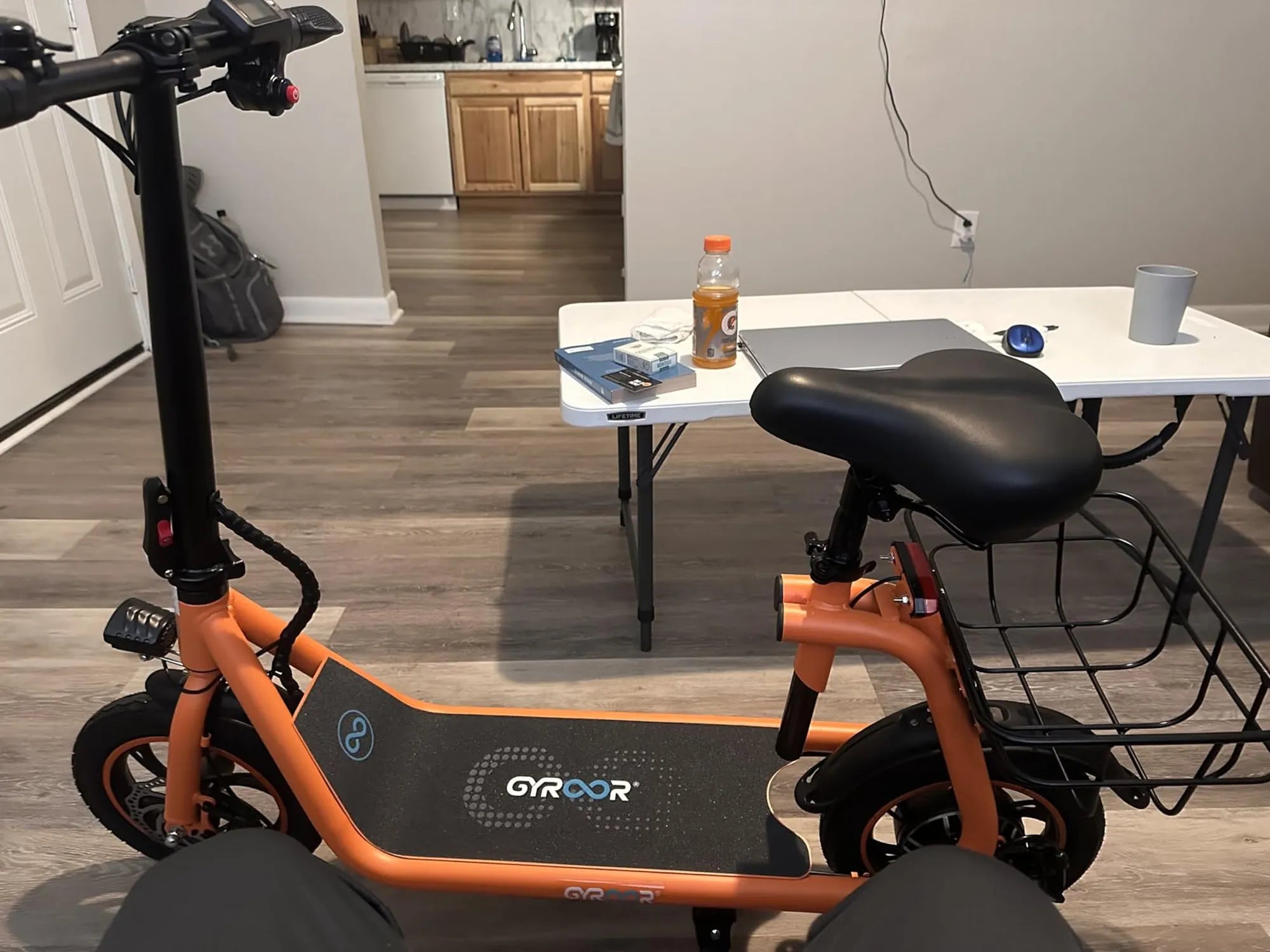
The landscape of personal transportation in American cities is undergoing a quiet revolution. Electric scooters sold in America have evolved from novelty gadgets into serious, sophisticated vehicles addressing core urban challenges: traffic congestion, environmental impact, and the frustrating 'last-mile' gap between public transit stops and final destinations. This isn't about fleeting trends; it's about a fundamental shift in how we navigate our communities. Modern, privately owned e-scooters represent a reliable, efficient, and enjoyable pillar of the future urban mobility ecosystem, combining advanced engineering with practical daily utility.
For the prospective buyer, navigating this booming market requires moving beyond hype to understand performance, safety, and long-term value. This comprehensive analysis will provide a data-driven overview of the American e-scooter landscape, decode the critical features that matter for U.S. commutes, and highlight the importance of choosing a brand built on verified safety and durability. By the end, you'll see why the decision to purchase an electric scooter is an investment in a more flexible and sustainable daily life.
The American E-Scooter Market: A Data-Driven Overview
The adoption of electric scooters in the United States has accelerated from a trickle to a steady stream. Market analysts project the North American e-scooter market to grow by over 15% annually through this decade, driven by urbanization, rising fuel costs, and a cultural shift toward micro-mobility. Cities from Portland to Miami have implemented pilot programs and permanent regulations, creating frameworks that acknowledge e-scooters as legitimate transportation vehicles.
Rider demographics are broadening significantly. While initially popular with younger urbanites, recent data shows growing adoption among commuters in their 30s, 40s, and 50s seeking predictable, cost-effective alternatives to sitting in traffic. Primary use cases solidify around daily commuting (covering distances of 3-10 miles), completing errands, and recreational use in suburban and urban settings. The shared versus private ownership model is also clarifying: while rental fleets introduced millions to the concept, a permanent shift toward private ownership is now undeniable.
Why Americans Are Choosing to Buy (Not Just Rent)
The economics are compelling. An average daily rental can cost $10 to $15 for a short commute. Over a year, that easily surpasses the cost of a high-quality private scooter. Ownership eliminates the hunt for an available, charged rental unit and provides a consistently hygienic personal ride. Beyond cost savings, ownership allows for customization—adding accessories, knowing the exact maintenance history, and developing a familiarity with the vehicle's handling that increases safety.
Pride of ownership and reliability are the intangible drivers. A personal electric scooter becomes a trusted tool, always ready at your doorstep. It's not subject to geo-fencing restrictions or fleet depletions during high-demand periods. For the daily commuter, this consistency is invaluable, transforming the e-scooter from a sporadic option into a cornerstone of their daily transportation plan.
Key Features to Look for in U.S. Market E-Scooters
The American urban and suburban environment presents specific demands: variable road surfaces, gentle to moderate hills, seasonal weather, and diverse local regulations. Choosing the right scooter means matching specifications to these real-world conditions. Key metrics include motor power, battery range, portability, and, most critically, built-in safety features. Understanding these specs separates a satisfying long-term investment from a disappointing impulse buy.
Performance needs vary by use case. A college student navigating campus pathways has different requirements than a professional commuting five miles across a city with bridges. Therefore, assessing advertised specs against verified, real-world performance data from reputable sources and user reviews is essential. The goal is to find a scooter that doesn't just perform on paper but reliably performs in your specific daily context.
Safety and Compliance: Non-Negotiables
Safety is the foremost priority. At the top of the list is battery certification. The UL 2272 standard is an absolute minimum requirement. This rigorous test protocol, developed by Underwriters Laboratories, assesses the electrical and fire safety of the entire drive train and battery system. Never consider a scooter without this certification; it's your primary defense against battery failure risks.
Effective braking is equally critical. A combination of mechanical (disc or drum) and electronic (regenerative) braking provides redundancy and confident stopping power in all conditions. Visibility is a safety feature: bright front headlights (200 lumens minimum), rear brake lights, and side reflectors are mandatory for dusk or night riding. A loud, clear bell or horn is necessary for alerting pedestrians and cyclists. Finally, always check your local city and state laws regarding maximum speed (often capped at 15-20 mph for bike lanes) and motor wattage to ensure full compliance.
Performance for the American Commute
Motor power directly affects hill-climbing ability and acceleration. For most American cities with modest inclines, a continuous motor rating of 350W is a functional minimum, with 500W or more providing confident performance on steeper hills. Pay attention to the continuous power rating, not just peak power, for a true sense of sustained performance.
Range anxiety is common, so understanding real-world range is key. Manufacturer ratings are often based on ideal conditions (light rider, flat terrain, slow speed). For accurate planning, subtract 20-30% from the advertised range. A scooter rated for 25 miles will typically deliver 17-20 miles under normal commuting loads. This makes a scooter with a 20+ mile advertised range a practical choice for most round-trip commutes. Suspension and tires also define comfort. Pneumatic (air-filled) tires and a spring or hydraulic suspension system absorb vibrations from cracks and uneven pavement, making the ride safer and less fatiguing than solid tires on rigid frames.
Durability & Warranty: Investing in Longevity
An electric scooter is a mechanical and electrical device that endures vibrations, weather, and regular use. Build quality—seen in welded aluminum frames, secure folding mechanisms, and quality finish—directly impacts lifespan. Water resistance is rated via the IP (Ingress Protection) code. For all-weather readiness, a rating of IPX5 or higher is recommended, indicating protection against water jets from any direction, enough for riding in light rain or through puddles.
The warranty is a direct reflection of the manufacturer's confidence in their product. A comprehensive, at least 1-year warranty that covers the battery, motor, and frame is essential. Scrutinize the terms: is it a hassle-free warranty with U.S.-based support, or does it require shipping the scooter overseas at your expense? Accessible customer service and available replacement parts (tires, brake pads, fenders) are critical for minimizing downtime and ensuring your investment lasts for years.
Spotlight on Reliability: Why Brands Like Gyroor Are Gaining Trust
In a crowded market, trust is earned through transparency, adherence to strict safety standards, and proven customer satisfaction. Brands that prioritize these elements from the design phase forward are distinguishing themselves. They address the core pain points of riders: safety concerns, durability doubts, and support anxiety. By focusing on certified components and clear warranties, these brands offer peace of mind that is as valuable as the scooter itself.
Gyroor, a leading electric scooter and e-bike brand trusted by over 100,000 riders across North America and Europe, exemplifies this approach. Their philosophy centers on integrating professional-grade safety features into consumer-friendly vehicles. With a lineup of over 20 models and a 4.5/5 average customer rating, their focus on UL-certified batteries, IPX5 water-resistant designs, and a reliable 1-year warranty directly responds to the market's demand for dependable micro-mobility solutions.
The UL-Certified Battery Advantage
The battery is the heart and most sensitive component of an e-scooter. UL 2272 certification isn't just a sticker; it represents a battery pack that has passed over 20 rigorous tests for electrical, mechanical, and environmental stress. These include crush, shock, vibration, overcharge, and short-circuit tests. For the rider, this translates to a dramatically reduced risk of thermal runaway (fire) and a battery engineered for longevity, often supporting 500+ full charge cycles while maintaining significant capacity.
This certification is a non-negotiable benchmark for responsible brands. It ensures the battery management system (BMS) properly monitors cell voltage, temperature, and current. When you see a brand like Gyroor highlighting UL certification across its lineup, it signifies a foundational commitment to safety that should be the baseline for any purchase decision.
Built for All Weather: The IPX5 Standard
American commutes don't stop for a light drizzle. The IPX5 rating specifies protection against water jets (6.3mm nozzle) from any direction. In practical terms, this means your scooter can safely handle wet roads, accidental splashes through puddles, and light rain showers. It protects critical electronics in the deck and stem from water ingress that could lead to corrosion or short circuits.
This level of protection is crucial for a vehicle meant for daily, reliable use. It extends the scooter's operational lifespan and ensures you aren't stranded by a sudden change in weather. A scooter with a lower IP rating (or none at all) is essentially a fair-weather vehicle, significantly limiting its utility as a primary commuting tool.
The Value of a U.S.-Backed Warranty
A strong warranty is a safety net for your investment. A clear 1-year warranty on the entire vehicle, with specific coverage for the battery and motor, protects against manufacturing defects. The critical differentiator is where and how support is delivered. Brands with U.S.-based warehouses and support teams can process claims and ship replacement parts quickly, often within days.
This contrasts sharply with brands that require international shipping for service, a process that can take months and incur high costs. A U.S.-backed warranty, like the one offered by Gyroor, minimizes total cost of ownership and maximizes rider confidence. It turns a scooter from a disposable gadget into a durable appliance for transportation.
Comparing Scooter Types for Different American Riders
Choosing the right model depends heavily on individual needs, terrain, and commute distance. The following table breaks down key recommendations based on common user profiles.
| Rider Profile & Use Case | Recommended Spec Focus | Key Features to Prioritize |
|---|---|---|
| Urban Commuter (3-8 mile round trip, paved roads/bike lanes) | Motor: 350W-500W Range: 15-25 mi (real-world) Speed: Up to 20 mph |
Portability (folding, weight ~35 lbs), UL-certified battery, IPX5 rating, dual braking, good lighting. |
| Suburban/College Campus Rider (Mix of paths, some hills) | Motor: 500W+ Range: 20-30 mi Speed: Up to 20 mph |
Hill-climbing power, pneumatic tires with suspension, longer range for fewer charges, durable frame. |
| Performance & Long-Distance Enthusiast | Motor: 600W+ dual motor options Range: 30-40+ mi Speed: 25+ mph (where legal) |
Dual suspension, large pneumatic tires, high-capacity battery with fast charging, advanced brake systems (hydraulic). |
| Last-Mile Solution (Combined with public transit) | Motor: 250W-350W Range: 10-15 mi Speed: 15-18 mph |
Ultra-portability (lightweight, under 30 lbs), compact fold, quick charge capability, simple maintenance. |
Essential Safety Tips and Maintenance Advice
Ownership responsibility extends beyond the purchase. Safe riding practices are paramount. Always wear a helmet—it's the single most effective safety device. Use dedicated bike lanes where available. If you must use the road, ride with traffic, obey all traffic signals, and be hyper-aware of cars, especially at intersections. Avoid sidewalks for riding at speed; it's illegal in most municipalities and dangerous for pedestrians.
Regular maintenance ensures performance and safety. Check tire pressure weekly, as under-inflated tires increase rolling resistance (reducing range) and risk punctures. Keep the mechanical brakes adjusted and check pad wear monthly. Clean your scooter with a damp cloth, avoiding direct water spray on charge ports. For battery care, avoid draining it to 0% or leaving it at 100% charge for extended periods; storing it at a 40-80% charge is ideal for longevity. Perform a visual inspection of the frame, stem, and folding mechanism regularly for any loose bolts or cracks.
The Road Ahead: E-Scooters and the Evolving U.S. Transportation Grid
The future of electric scooters sold in America is one of deeper integration. They are increasingly seen as a first-mile/last-mile connector that makes public transit networks more accessible and effective, reducing reliance on single-occupancy cars for entire trips. City infrastructure is slowly adapting, with more protected bike lanes and designated micro-mobility parking corrals reducing conflicts with pedestrians and vehicles.
Technological advancements will continue. We can expect more efficient batteries offering longer ranges, smarter connectivity via apps for theft prevention and performance tuning, and even more refined safety features like turn-signal integration and automatic emergency braking. The goal is a seamless, multi-modal transportation web where e-scooters, e-bikes, buses, and trains work together to create efficient, low-emission urban mobility for all.
Your Next Ride is Electric
Electric scooters sold in America have proven they are far more than a passing fad. They are a practical, empowering, and sustainable response to the complex challenges of modern urban life. The decision to invest in one is a step toward reclaiming time, reducing personal carbon footprint, and experiencing the simple joy of an efficient commute.
This shift requires informed choices. Prioritize verified safety through certifications like UL 2272, demand durability backed by clear warranties, and choose a scooter whose performance aligns with your real-world needs. By doing so, you're not just buying a product; you're investing in a smarter way to move. The future of urban mobility is electric, connected, and personal—and it's ready to ride.
Ready to explore reliable, safety-focused electric scooters designed for the American rider? Browse the full Gyroor collection, featuring UL-certified batteries, IPX5 water-resistant designs, and a comprehensive 1-year warranty, at gyroorboard.com.
Frequently Asked Questions (FAQ)
1. Do I need a license or insurance to ride an electric scooter in the U.S.?
Laws vary significantly by state and city. Generally, for electric scooters with a maximum speed under 20 mph (which covers most consumer models), a driver's license is not required. However, some cities or states may have age restrictions (e.g., 16+). Insurance is rarely mandated for privately owned e-scooters, but it's crucial to check your local Department of Motor Vehicles (DMV) website and municipal ordinances for the most accurate and current regulations.
2. Where is it legal and safe to ride?
The safest and most commonly legal place to ride is in a designated bike lane. On streets without bike lanes, riding on the road (following the flow of traffic) is often permitted, but you must obey all traffic laws as a vehicle operator. Riding on sidewalks is prohibited in most urban areas due to pedestrian safety hazards. Always verify local rules, as some cities have specific restrictions on certain roads or paths.
3. How do I maintain my electric scooter for maximum lifespan?
Follow a simple routine: Keep tire pressure at the recommended PSI. Tighten any loose bolts on the stem, handlebars, and folding mechanism monthly. Clean the scooter with a dry or damp cloth, avoiding high-pressure water. For the battery, avoid extreme temperatures, don't leave it fully discharged, and use only the manufacturer-provided charger. Store the scooter in a cool, dry place.
4. What is the true cost of ownership beyond the sticker price?
The ongoing costs are minimal but important to factor in. Electricity to charge the battery costs roughly $0.10-$0.30 per full charge. Wear items include inner tubes/tires (annual or bi-annual replacement possible), brake pads, and potentially a new battery after 2-4 years of heavy use. Compared to the cost of gas, parking, and public transit fares, the total cost of ownership for an e-scooter remains exceptionally low.
5. Can I ride an electric scooter in the rain?
This depends entirely on the scooter's IP water resistance rating. A scooter with an IPX5 rating (like many in Gyroor's lineup) is designed to withstand water jets and light rain, making wet road conditions manageable. However, no consumer scooter is fully waterproof or submersible. Avoid heavy downpours, deep puddles, and always dry the scooter off after a wet ride. Scooters with no IP rating should not be ridden in the rain at all.
Santa Cruz Electric Scooters: The Ultimate Guide to Eco-Friendly Commuting
Which Cities Have Electric Scooters: A Global Guide to Urban E-Scooter Adoption