



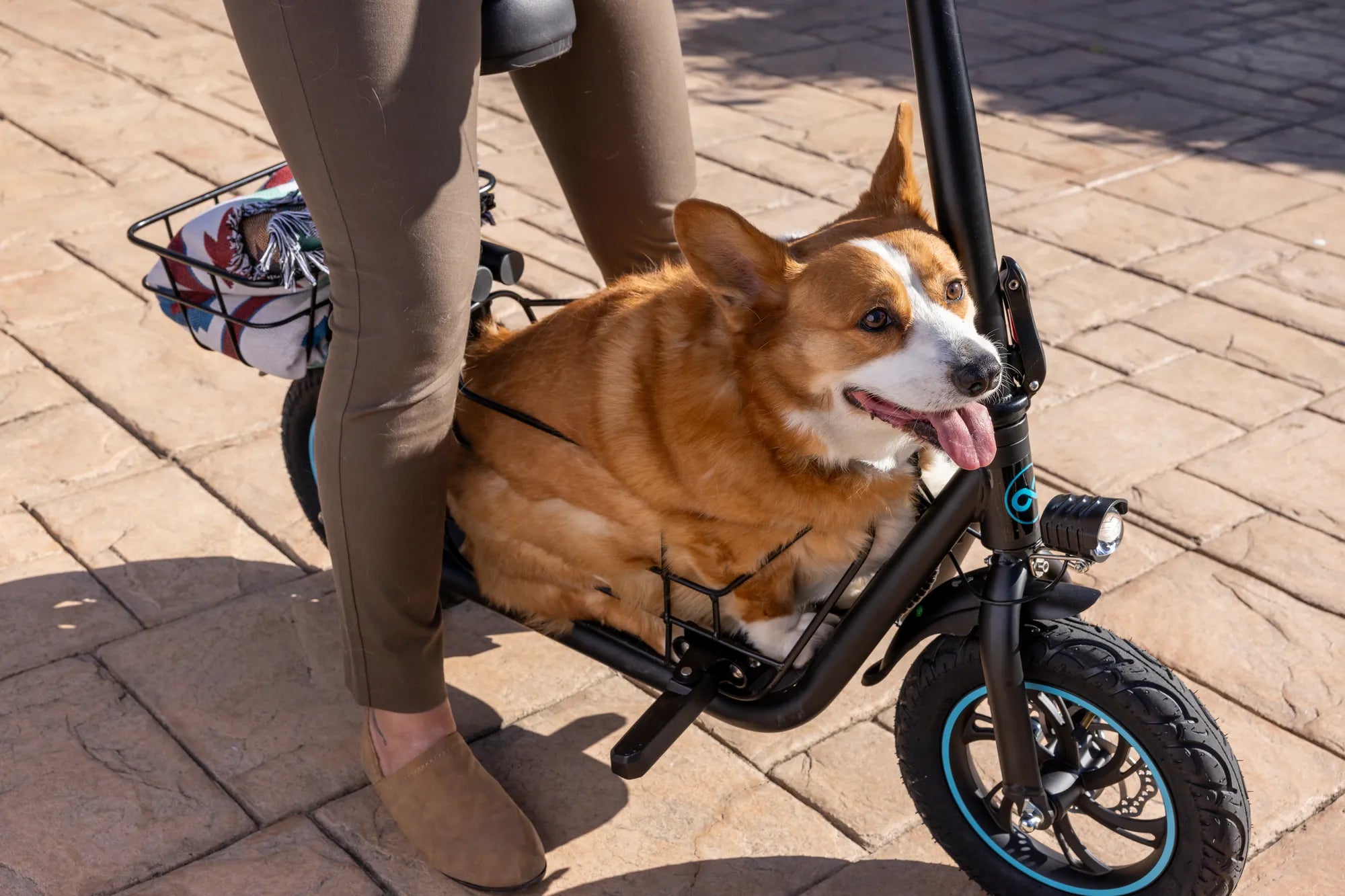
Why Sweden is Embracing Electric Scooters
Sweden's cities are at a mobility crossroads. Stockholm, Gothenburg, and Malmö are grappling with congestion, ambitious climate goals, and the need for efficient first- and last-mile transport solutions. The rise of electric scooters in Sweden is a direct response to these challenges, offering a sustainable, flexible alternative to car-centric travel.
This adoption aligns perfectly with Sweden's national vision for fossil-free transport and smarter cities. Electric scooters provide a practical link between public transit hubs and final destinations, reducing the reliance on private cars for short trips. For many Swedes, the choice is clear: a quiet, zero-direct-emission vehicle that navigates dense urban cores with ease.
The data supports the shift. Studies indicate that shared e-scooter trips often replace car journeys, contributing to lower urban emissions. Private ownership is also surging, as commuters seek a reliable, personal mode of transport. The keyword for this transformation is clear: Electric Scooters Sweden: The Future of Urban Mobility is not just a headline; it's a reality unfolding on bike paths and streets across the country.
This article will navigate the Swedish e-scooter landscape, from regulations to real-world performance. You'll learn how to ride safely year-round, why specific technical features are non-negotiable, and how to select a scooter that meets the demands of the Swedish commute and climate.
The Swedish E-Scooter Landscape: Regulations & Riding Culture
Sweden has established a clear, safety-focused legal framework for electric scooters, classifying them as a type of “electric bicycle” under certain conditions. This regulation provides structure for both shared operators and private owners, ensuring integration into the existing transport ecosystem. Understanding these rules is the first step to responsible riding.
In cities like Stockholm, the riding culture is one of shared space and respect. E-scooters are a common sight on dedicated cycle paths, which form an extensive network throughout urban areas. The culture blends the efficiency of cycling with the accessibility of micro-mobility, creating a new norm for short-distance travel.
The market is a mix of prominent shared scooter services and a growing segment of private ownership. While shared scooters offer spontaneity, private scooters like those from Gyroor provide consistency, better maintenance, and superior performance—key for daily commuters who rely on their vehicle.
Key Regulations for Riders to Know
The Swedish Transport Agency (Transportstyrelsen) sets the primary rules. The maximum allowed speed for an electric scooter is 20 km/h when used on public roads, cycle paths, or bicycle lanes. Scooters capable of exceeding 20 km/h must be registered and insured as a moped, a crucial distinction for buyers.
Riding on sidewalks is strictly prohibited to ensure pedestrian safety. E-scooters must use bicycle lanes where available; if not, they should use the road. This rule emphasizes that scooters are vehicles, not pedestrian accessories.
Lighting is mandatory in darkness or poor visibility. A white front light and a red rear light are required. Reflectors on the front, back, and sides are also necessary. While helmets are not legally mandatory for adults, they are strongly recommended for all ages and required by law for riders under 15.
The minimum age to ride an e-scooter is 15, but those under 18 cannot carry passengers. There is no driver's license requirement for private scooters limited to 20 km/h. Adhering to these rules ensures not only your safety but also the positive perception and longevity of e-scooters as a transport solution in Sweden.
Why a UL-Certified Battery is Non-Negotiable in Sweden
The battery is the heart of an electric scooter, and its safety cannot be compromised. In Sweden, where temperatures can swing from summer highs to sub-zero winters, a battery's stability and construction are paramount. A UL-certified battery pack represents the highest standard of safety testing.
UL certification involves rigorous tests for electrical, mechanical, and environmental hazards. These tests assess the battery's resilience to overcharging, short-circuiting, extreme temperatures, and impact. For a commuter relying on their scooter in Gothenburg's rain or Stockholm's winter chill, this certification is a critical safeguard.
Brands that prioritize safety, like Gyroor, use UL-certified batteries tested for over 500 charge cycles as a standard feature. This commitment ensures long-term reliability and minimizes the risk of battery failure—a concern with uncertified, potentially dangerous alternatives. When evaluating Electric Scooters Sweden: The Future of Urban Mobility, battery safety must be the foremost criterion.
The consequences of a substandard battery range from sudden power loss to, in extreme cases, thermal runaway and fire. Choosing a scooter with a certified battery protects your investment, your personal safety, and your property. It is the single most important technical specification for any responsible rider.
Navigating the Seasons: Performance in Swedish Weather
Swedish weather presents unique challenges: wet autumns, icy winters, and variable spring conditions. A scooter built for fair-weather climates will falter here. Performance hinges on specific design features that handle moisture, cold, and varied terrain.
Water resistance is crucial. An IPX5 rating means the scooter can withstand low-pressure water jets from any direction, making it suitable for riding in rain and on wet streets. This rating, a standard on Gyroor models, prevents water ingress that could damage electronics and cause short circuits.
Cold temperatures naturally reduce lithium-ion battery performance and range. A high-quality battery with proper thermal management will mitigate this loss. Practical tips include storing the scooter indoors when not in use, avoiding charging the battery immediately after a cold ride, and anticipating a 15-25% range reduction in freezing conditions.
Tire selection also impacts seasonal performance. Larger, air-filled tires (8.5 inches or more) offer better shock absorption on cobblestones and uneven surfaces, while solid or honeycomb tires eliminate the risk of punctures. For winter riding, extreme caution is advised on icy paths; dismounting and walking is often the safest choice.
Choosing the Right Model for Your Swedish Commute
Selecting a scooter requires matching its specifications to your daily needs. Consider your one-way commute distance, the presence of hills, and whether you need to combine it with public transport.
| Use Case & Commute Need | Key Features to Prioritize | Gyroor Model Example |
|---|---|---|
|
Short Urban Trips (≤5 km) Flat terrain, multi-modal transport |
Portability (folding), Light weight, Compact design | Gyroor F1: Ultra-portable, one-step folding |
|
Standard City Commute (5-15 km) Mixed paths, some inclines |
Range (≥25 km real-world), Motor (≥350W), IPX5 rating | Gyroor S1: Reliable power, UL-certified battery |
|
Extended Range & Hills (15-30 km) Longer distances, steeper grades |
Dual motors or high-power single motor (≥500W), Large battery, Suspension | Gyroor H1: Dual 500W motors, superior hill climb |
|
All-Weather & Rough Terrain Wet conditions, uneven surfaces |
IPX5 rating, Large pneumatic tires, Robust suspension, High ground clearance | Gyroor A1: All-terrain tires, full suspension system |
Always derate the manufacturer's claimed range by 20-30% to account for real-world factors like rider weight, hills, temperature, and riding style. Motor power directly affects hill-climbing ability; 350W is a minimum for Swedish cities, while 500W or dual motors handle steep inclines with ease.
The Gyroor Advantage for Swedish Riders
For Swedish commuters, the choice of brand directly impacts safety, reliability, and long-term satisfaction. Gyroor's product philosophy is built on features that are not just premium but essential for the Swedish context, trusted by a community of over 100,000 riders across North America and Europe.
The cornerstone is safety. Every Gyroor scooter comes equipped with a UL-certified battery pack, undergoing rigorous testing. This, combined with an IPX5 water-resistant rating, creates a foundation for safe operation in rain, slush, and the variable conditions typical of Electric Scooters Sweden: The Future of Urban Mobility.
Durability is engineered into the design. From reinforced stems to robust deck construction, Gyroor models are built to withstand daily use on urban infrastructure. The comprehensive 1-year warranty on the vehicle, battery, and motor provides tangible peace of mind, backed by accessible customer support.
This commitment translates to a superior riding experience. Smooth acceleration, effective braking systems, and stable frames make navigating Swedish cycle paths confident and controlled. Choosing a brand with these proven standards means investing in a vehicle designed for the real-world demands of sustainable urban transport.
Safety, Maintenance, and Riding Etiquette
Safe riding extends beyond the scooter's features to the rider's behavior and maintenance habits. Always perform a pre-ride check: verify tire pressure, test brakes, ensure lights are functional, and check that the folding mechanism is securely locked.
Maintenance is straightforward but vital. Keep the scooter clean from road salt and grime, especially in winter. Regularly inspect for loose bolts. Store the battery between 10°C and 25°C when possible, and avoid draining it completely before recharging. For long-term storage, maintain a charge level of around 60%.
Riding etiquette ensures harmony on shared paths. Use a bell or verbal cue to signal when passing. Respect pedestrian zones and dismount when necessary. Park responsibly—never block sidewalks, ramps, or building entrances. Adhering to these unwritten rules fosters positive community acceptance.
Gear up. A helmet is essential. Consider high-visibility clothing or accessories for darker months. Wrist guards and knee pads can prevent serious injury in a fall. Safety is a combination of a reliable machine and a prepared, attentive rider.
Electric Scooters Sweden: Frequently Asked Questions (FAQ)
Q1: Are electric scooters legal in Stockholm and other Swedish cities?
A1: Yes, they are legal nationwide under the regulations set by the Swedish Transport Agency. They must adhere to the 20 km/h speed limit on public paths and roads, and riders must follow all applicable traffic rules.
Q2: Can I ride an e-scooter in the Swedish winter?
A2: Technically yes, but with significant caution. Reduced battery range, icy surfaces, and wet conditions are major concerns. A scooter with an IPX5 rating is mandatory. It is often safer to avoid riding on visibly icy or snow-covered paths.
Q3: Do I need insurance or a driver's license for a private e-scooter?
A3: For a private e-scooter with a maximum speed of 20 km/h, you do not need a driver's license, registration, or mandatory insurance. However, personal liability insurance (hemförsäkring) may cover incidents; check your policy. Scooters capable of higher speeds require moped registration and insurance.
Q4: How do I maintain my scooter's battery in cold weather?
A4: Store the scooter and battery indoors when not in use. Allow the battery to warm to room temperature before charging. Try to avoid leaving the scooter outside in sub-zero temperatures for extended periods, as this accelerates capacity loss.
Q5: Where exactly am I allowed to ride?
A5: You must ride on bicycle lanes or bicycle paths. If these are not available, you should ride on the road. Riding on sidewalks is illegal. In pedestrian zones, you must dismount and walk your scooter.
Q6: What is the future of e-scooter regulations in Sweden?
A6> The regulatory landscape is evolving. Discussions are ongoing regarding potential mandatory helmet laws for all ages, stricter requirements for shared operator parking, and clearer rules on lighting and reflectors. Staying informed via Transportstyrelsen is recommended.
Your Next Step Towards Smarter Urban Mobility
Electric scooters have cemented their role in Sweden's transport future. They offer a pragmatic, sustainable, and efficient solution for urban mobility, reducing congestion and supporting environmental goals. The journey towards integrating them fully relies on informed riders choosing safe, reliable equipment.
The evidence is clear: success hinges on prioritizing UL-certified battery safety, IP-rated water resistance, and a robust warranty. These features, exemplified by brands like Gyroor, transform a scooter from a fair-weather gadget into a dependable daily commuter vehicle, ready for the specific demands of Swedish cities and climate.
Assess your commute distance, terrain, and storage needs. Use the comparison framework provided to identify the model that aligns with your lifestyle. Remember, the right scooter is an investment in freedom, efficiency, and a smaller carbon footprint.
Ready to join the movement and experience why Electric Scooters Sweden: The Future of Urban Mobility is more than a trend? Explore a range designed for safety and durability. Browse the full Gyroor collection at gyroorboard.com and find the model that powers your Swedish commute.
Are Electric Scooters Legal in Connecticut? Your 2024 Guide to the Laws
Are Electric Scooters Legal in Connecticut? Your 2024 Guide to the Laws