



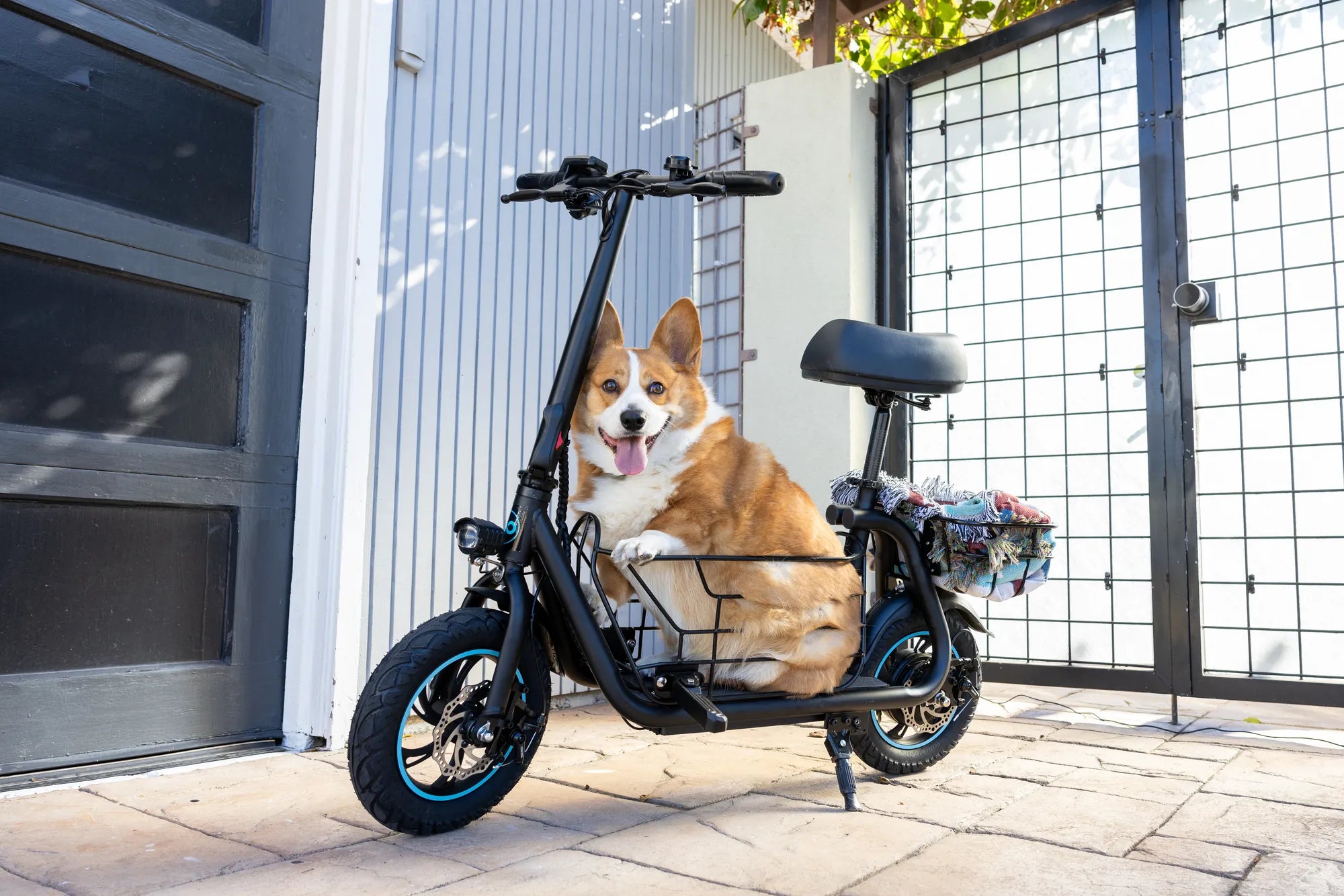
Introduction to Electric Scooters in Tasmania
Tasmania's unique landscape, blending compact cities with stunning natural beauty, presents a perfect opportunity for electric scooters. For commuters and explorers alike, they offer a swift, silent, and sustainable solution to navigating urban centers and scenic paths. This guide, Electric Scooters Tasmania: The Ultimate Guide to Eco-Friendly Commuting, is your essential resource for embracing this modern mobility trend on the island.
We will navigate the specific legal framework, analyze how to match scooter features to Tasmania's variable terrain and weather, and provide actionable advice for integrating an e-scooter into your daily life. Whether your goal is to bypass Hobart's parking challenges, enjoy a car-free ride along the River Derwent, or simply reduce your carbon footprint, a quality electric scooter can transform your journey.
Understanding Tasmanian E-Scooter Laws & Regulations
Operating an electric scooter in Tasmania requires adherence to state-wide regulations that prioritize safety. Currently, privately owned e-scooters with a maximum power output of 200 watts are permitted for use on footpaths and shared paths, provided they do not exceed 10 km/h. Riders must be at least 16 years old.
It is mandatory to wear an approved bicycle helmet. For scooters exceeding 200 watts, different rules apply, often restricting them to private property. Always check the latest updates from the Department of State Growth, as e-scooter legislation is subject to review and potential change, especially following trials of shared schemes in major cities.
Key Regulations for Hobart & Launceston
Local councils may impose additional conditions. In Hobart and Launceston, riders must yield to pedestrians at all times on footpaths. Riding on roads is generally prohibited unless the scooter is part of an approved trial. Designated bike lanes are typically permissible for use.
Parking privately owned e-scooters should not obstruct footpaths, building entrances, or accessible ramps. The introduction of shared e-scooter services in city centers often comes with geo-fenced slow zones and no-parking areas, which are enforced via the provider's app. Familiarizing yourself with these local nuances is crucial for compliant and considerate riding.
Why an Electric Scooter is Perfect for Tasmanian Terrain
Tasmania's environment—from the hills of Hobart to the coastal paths of Devonport—demands a robust and reliable personal transporter. A well-chosen electric scooter directly addresses the island's commuting challenges: conquering steep inclines, providing a buffer against brisk headwinds, and offering a fun, efficient alternative to car travel for short to medium distances.
The compact nature of Tasmanian cities makes them ideal for e-scooter exploration. You can seamlessly travel from a suburban home to a CBD office, a university campus, or a waterfront cafe without the hassle of parking. This aligns perfectly with the state's strong environmental ethos, reducing traffic congestion and individual carbon emissions.
Conquering Hills and Headwinds: Motor & Battery Considerations
Tasmania's topography requires a scooter with ample torque. A motor with a sustained power of 350W or more is recommended for handling typical urban hills without a significant drop in speed. Dual-motor models offer even greater hill-climbing capability for more demanding routes.
Battery range is equally critical. Advertised range is based on ideal conditions; Tasmania's cooler climate can reduce actual range by 15-25%. Therefore, selecting a scooter with a battery capacity that exceeds your daily commute distance is wise. Look for models with UL-certified battery packs, like those from Gyroor, which undergo rigorous testing for over 500 charge cycles, ensuring long-term reliability and safety—a key consideration for dependable daily use.
Top Features to Look for in Your Tasmanian E-Scooter
Beyond motor and battery, several features are non-negotiable for the Tasmanian context. A robust braking system—combining electronic and disc brakes—provides confident stopping power on downhill slopes and in wet conditions. Bright, always-on front and rear lights are essential for visibility during Tasmania's shorter winter days and in overcast weather.
Suspension is a major comfort and control upgrade, smoothing out bumps on older pavements and gravel paths. Finally, consider portability; a scooter with a folding mechanism and a manageable weight (under 18kg) makes it easy to carry onto public transport or store under a desk.
Durability for Changeable Weather: The Importance of IP Ratings
Tasmania's famous "four seasons in a day" weather makes water and dust resistance paramount. The Ingress Protection (IP) rating indicates a scooter's resilience. An IPX5 rating, a standard feature on Gyroor scooters, means the unit is protected against water jets from any direction.
This level of protection allows you to ride confidently in light rain or on damp roads without worrying about water damage to critical electrical components. It's a fundamental feature that extends the scooter's lifespan and ensures safe operation in the island's unpredictable conditions, protecting your investment.
Safety and Peace of Mind: Brakes, Lights, and Warranty
Safety is built from multiple components. A dual braking system, such as a front disc brake and a rear electronic brake, offers redundancy and superior control. Wide, pneumatic (air-filled) tires provide better grip and shock absorption than solid tires, especially on wet surfaces.
Comprehensive lighting should include a bright headlight, rear brake light, and side reflectors. From a purchaser's perspective, a strong warranty offers crucial peace of mind. A 1-year comprehensive warranty on the vehicle, motor, and controller, like that offered by Gyroor, signals a manufacturer's confidence in its product's durability and provides protection for your long-term investment.
Gyroor's Recommended Models for Tasmania
With over 100,000 riders trusting their products across North America and Europe, Gyroor designs scooters that meet the demands of varied environments. For Tasmanian riders, specific models stand out for their blend of power, range, and durability. These recommendations are based on matching key specifications to the commuting and recreational needs outlined in this guide.
From the urban commuter needing a balance of performance and portability to the weekend explorer seeking extended range and comfort, there is a model engineered to enhance the Tasmanian journey. Each is built with the safety and reliability standards that define the brand.
Comparison Table: Gyroor Models for Tasmanian Riders
| Model Name | Max Range* | Motor Power | Max Speed | Weight | Special Features | Ideal Tasmanian Use Case |
|---|---|---|---|---|---|---|
| Gyroor S1 | 25 km | 350W Sustained | 25 km/h | 15 kg | IPX5, Front Suspension, Dual Brakes | Urban Commuting (Hobart/Launceston CBD, university campuses) |
| Gyroor F1 Pro | 40 km | 500W Sustained | 32 km/h | 22 kg | IPX5, Dual Suspension, UL-Certified Battery, Bright LED Display | Extended Commuting & Recreational Exploration (handling hills, longer waterfront paths) |
| Gyroor X1 | 30 km | 450W Sustained | 28 km/h | 18 kg | IPX5, Foldable Design, Dual Braking, Integrated Lighting | Multi-Modal Commuters (combining with Metro Tasmania buses, easy storage) |
*Real-world range varies based on rider weight, terrain, temperature, and speed.
Planning Your Eco-Friendly Commute: Routes and Tips
Integrating an electric scooter into your Tasmanian lifestyle requires some planning. Start by mapping your common routes using council cycling maps; paths like the Hobart Intercity Cycleway or the Launceston Cataract Gorge paths are ideal for scenic, safe travel. Always have a backup plan for very heavy rain.
Utilise the scooter's portability by combining it with public transport. Metro Tasmania buses with bike racks can accommodate a folded scooter, dramatically extending your range. At your destination, secure your scooter with a sturdy lock and, if possible, store it indoors to protect it from the elements and theft.
For charging, a removable battery is highly convenient, allowing you to charge the battery at your desk or home without bringing the entire scooter inside. Establish a routine of checking tire pressure and brake function weekly to ensure optimal performance and safety for every journey you undertake on your electric scooter.
Frequently Asked Questions (FAQs) for Tasmanian Riders
Q: Can I ride my e-scooter on the Hobart Intercity Cycleway?
A: Yes, the Intercity Cycleway is a shared path where e-scooters (adhering to the 200W/10km/h rule or approved higher-powered models under trial) are permitted. Always ride courteously, giving way to pedestrians and cyclists.
Q: How does cold weather affect my e-scooter's battery life?
A> Cold temperatures reduce battery chemical efficiency, potentially decreasing range by 15-25%. Store your scooter or its battery indoors when not in use, and allow the battery to reach room temperature before charging for best results.
Q: Where can I legally park in the CBD?
A> Park your private e-scooter in bicycle parking areas where available. Ensure it does not block footpaths, building access, or disabled access ramps. Avoid attaching it to street furniture like railings or trees unless explicitly designated.
Q: Is insurance required for private e-scooters in Tasmania?
A> While not legally required, third-party personal liability insurance is highly recommended. This can often be added to your home and contents insurance policy. It protects you financially if you are found at fault for injuring someone or damaging property.
Q: Can I ride an e-scooter on rural roads?
A> Riding on roads is generally not permitted for privately owned e-scooters under current Tasmanian law. They are restricted to footpaths and shared paths. Always check the latest state regulations before venturing onto any roadways.
Conclusion: Embrace a Greener Tasmanian Journey
Adopting an electric scooter in Tasmania is more than a commuting choice; it's an embrace of a lifestyle that values efficiency, sustainability, and connection with your environment. By selecting a scooter with the right features—sufficient power, weather-resistant durability, and reliable safety systems—you unlock a new way to experience island life.
This guide to Electric Scooters Tasmania: The Ultimate Guide to Eco-Friendly Commuting has equipped you with the knowledge to navigate laws, terrain, and features confidently. The journey towards a greener commute starts with a reliable machine designed for the real world. Discover the range of UL-certified, IPX5-rated models built for reliability and ready for Tasmania. Browse the full Gyroor collection at gyroorboard.com.
10 Best Electric Scooters for Kids: Safe, Fun, and Reliable Rides
Best Electric Scooters Egypt 2025: Top Picks for Urban Commuters