



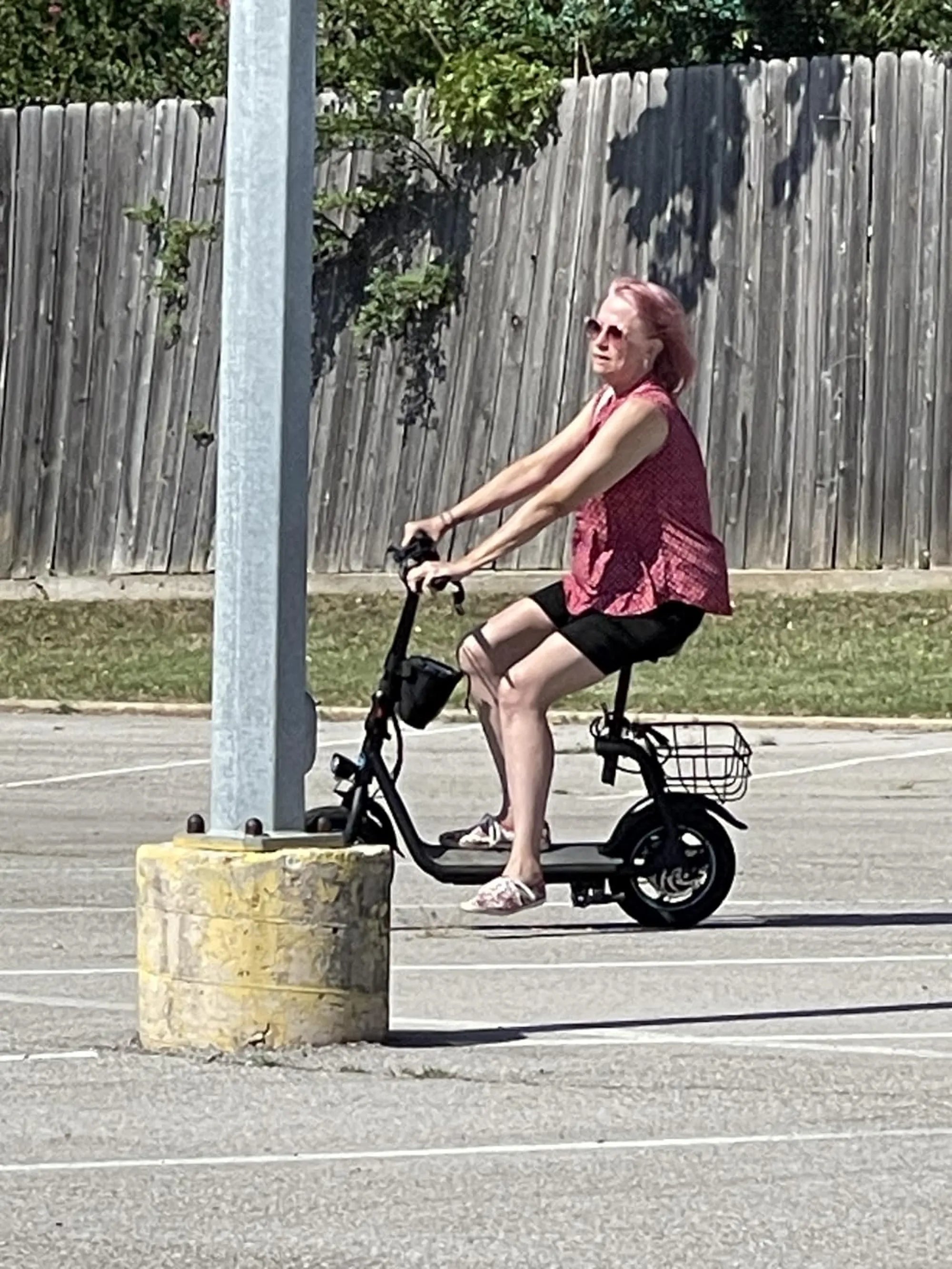
Redefining the Urban Journey
City streets are clogged, public transit is crowded, and the environmental cost of daily travel is mounting. A quiet revolution on two wheels is providing an answer. Electric scooters have emerged as a pivotal, practical solution, redefining personal mobility for millions. They represent more than a trendy gadget; they are a key component of a sustainable urban ecosystem.
This shift is driven by a fundamental need for efficiency. The traditional car-centric model fails in dense urban cores, where finding parking can take longer than the drive itself. Electric scooters directly address the "first and last mile" problem, seamlessly connecting homes, offices, and transit hubs. Their rise signals a move towards multimodal, on-demand transportation.
Understanding this evolution requires looking beyond the scooter itself. It involves examining infrastructure, policy, technology, and consumer behavior. This article will dissect why electric scooters are the future of urban mobility and sustainable transportation, providing a comprehensive guide from benefits and features to safety and future trends.
We will analyze the tangible advantages, outline what makes a scooter reliable and safe, and explore how integrated systems are shaping smarter cities. The goal is to equip you with the knowledge to make an informed choice and embrace a more efficient way to move.
The Core Advantages: Why E-Scooters Are Gaining Momentum
The rapid adoption of electric scooters is not accidental. It is a direct response to specific pain points in modern urban life. Their benefits span practical daily logistics, personal finance, and broader environmental impact, creating a compelling case for individuals and cities alike.
For the daily commuter, these advantages translate into regained time, money, and a sense of autonomy. The following sections break down the core drivers behind the e-scooter movement, detailing how they offer a superior alternative for short-to-medium urban trips.
Unmatched Convenience and Time Savings
The most immediate benefit is convenience. Electric scooters collapse distance. A three-mile trip across a congested downtown area can take 20+ minutes in a car but only 10-12 minutes on a scooter. They bypass standstill traffic and use bike lanes or shared paths, offering a predictable commute time.
Parking, a major urban headache, becomes trivial. A scooter can be folded and carried into an office, apartment, or coffee shop, eliminating parking fees and security concerns. This door-to-door capability is unmatched by any other vehicle except a bicycle, and e-scooters require less physical exertion.
Furthermore, they perfectly integrate with public transit. Riders can scoot to a train or bus station, fold their vehicle, and continue their journey. This multimodal approach makes public transit viable for people who live just beyond a comfortable walking distance from a station, expanding its effective reach.
Significant Cost-Effectiveness
When compared to car ownership or frequent ride-sharing, electric scooters offer staggering savings. The total cost of ownership (TCO) is a fraction of that for a motor vehicle. The following table illustrates a one-year cost comparison for a typical urban dweller.
| Transport Mode | Upfront Cost | Annual Fuel/Energy | Annual Maintenance/Parking | Estimated 1-Year TCO |
|---|---|---|---|---|
| Personal Car | $20,000+ | $1,200 - $2,000 | $1,500 - $3,000 | $22,700+ |
| Ride-Sharing (10 mi/day) | $0 | N/A (Fare) | N/A | $3,650 - $5,475 |
| Public Transit Pass | $0 | N/A (Fare) | N/A | $1,000 - $1,500 |
| Electric Scooter | $500 - $1,500 | $20 - $40 | $50 - $100 | $570 - $1,640 |
Beyond the purchase price, "fuel" costs are minimal. Charging a scooter with a 500Wh battery costs about 10-15 cents per full charge, offering 15-40 miles of range. Maintenance typically involves tire care, brake adjustments, and occasional part replacements, all at low cost. There are no insurance premiums, parking tickets, or garage fees.
A Clear Step Towards Sustainability
Electric scooters produce zero tailpipe emissions, directly improving local air quality in crowded cities. Even when accounting for the electricity generation mix, their carbon footprint per passenger mile is significantly lower than that of gasoline-powered cars and often lower than hybrid vehicles for short trips.
They also contribute to noise pollution reduction. The quiet hum of an electric motor replaces the roar of combustion engines, creating more pleasant urban soundscapes. This reduction in noise has tangible benefits for public health and quality of life in residential areas.
From a systems perspective, widespread e-scooter adoption can reduce the overall number of vehicles on the road, easing congestion and the associated emissions from idling traffic. They require far fewer resources to manufacture than a car and take up minimal space, both in motion and when parked, leading to more efficient land use.
Key Features for a Safe and Reliable Ride: What to Look For
Not all electric scooters are created equal. A safe, durable, and enjoyable experience depends on specific engineering and component choices. Understanding these features is crucial for making a worthwhile investment that will serve you reliably for years.
This section serves as an essential checklist, focusing on the core systems that determine performance, safety, and longevity. Prioritizing these elements ensures you select a scooter built for real-world daily use, not just occasional recreation.
Battery Safety and Performance: The Heart of Your Scooter
The battery is the most critical component. It dictates range, power, and, most importantly, safety. Always look for scooters using high-quality, UL-certified lithium-ion battery packs. This certification means the cells have passed rigorous independent tests for thermal stability, electrical safety, and durability, drastically reducing fire risk.
Performance is measured in voltage and watt-hours (Wh). A higher voltage (e.g., 36V, 48V) generally enables better acceleration and hill-climbing power. Watt-hour capacity (e.g., 360Wh, 500Wh) directly indicates potential range. However, real-world range is affected by rider weight, terrain, temperature, and riding style. A scooter advertised for 25 miles may deliver 15-20 under typical urban conditions.
Battery management systems (BMS) are equally important. A good BMS protects against overcharging, deep discharge, and short circuits, balancing cell health to maximize the pack's lifespan, which should be 500+ charge cycles for a quality battery.
Build Quality and Durability for Daily Use
The frame must withstand daily bumps, vibrations, and occasional curb hops. Aircraft-grade aluminum alloy is the standard for a strong yet lightweight frame. The folding mechanism should feel robust and lock securely with no wobble. A shaky stem compromises control and safety.
Water resistance is vital for all-weather commuting. Look for an IP rating. An IPX5 rating, for example, means the scooter can withstand water jets from any direction, making it safe to ride in rain and through puddles. Never submerge a scooter, but a good rating offers peace of mind.
Tire choice is a trade-off. Pneumatic (air-filled) tires provide superior shock absorption and traction on uneven surfaces but are prone to punctures. Solid or honeycomb tires are maintenance-free and puncture-proof but offer a harsher ride. For mixed urban terrain, pneumatic tires often provide the best comfort.
Safety and Control Systems
Effective braking is non-negotiable. A combination braking system is ideal. Many scooters use electronic (e-brake) regeneration combined with a mechanical disc or drum brake. Disc brakes offer strong, consistent stopping power in various conditions. Always test brakes at low speed first.
Visibility is safety. Your scooter must have a bright front headlight, a rear brake light, and side reflectors. For night riding, additional wearable lights are recommended. A wide, textured deck provides stable footing, and a clear, bright display is essential for monitoring speed and battery level without distraction.
Suspension, while not always present on entry-level models, greatly enhances comfort and control on rough roads, reducing fatigue and keeping the wheels in better contact with the pavement. It’s a valuable feature for longer commutes.
Gyroor's Commitment: Engineering Trust in Every Ride
As a leading brand trusted by over 100,000 riders across North America and Europe, Gyroor embodies the engineering principles essential for reliable urban mobility. The brand’s focus is on building durable, safe, and high-performance personal electric vehicles that riders can depend on daily.
Gyroor’s philosophy centers on transparency and safety-first design. This commitment is reflected in tangible specifications and customer support policies that directly address the concerns of savvy commuters. Their approach demonstrates how quality manufacturing builds long-term rider confidence.
Built to Standards: UL-Certified Batteries and IPX5 Design
Gyroor’s foundational safety promise is its use of UL-certified battery packs across its lineup. This is not a marketing claim but a verifiable standard. Each battery undergoes stringent testing, ensuring safety from the cell level up and providing riders with assurance against the primary risk associated with lithium-ion technology.
Complementing this is the IPX5 water-resistant rating integrated into their scooter designs. This engineering choice means riders don’t have to panic at the sight of a rain cloud or a wet street. The scooter’s electrical components are protected from water spray, making it a truly viable all-weather commuter tool, not just a fair-weather toy.
This combination of certified safety and environmental resilience is core to Gyroor’s product development, ensuring that performance is consistent and reliability is built-in, not an afterthought.
Peace of Mind: The 1-Year Comprehensive Warranty
Product support is where a brand’s confidence becomes evident. Gyroor backs its electric scooters and e-bikes with a robust 1-year comprehensive warranty on the vehicle, battery, and charger. This warranty coverage reflects a commitment to quality and long-term customer satisfaction.
With accessible, US-based customer support, riders have a direct line for troubleshooting and service. This infrastructure is crucial for a product used daily for transportation. It transforms the scooter from a disposable gadget into a dependable asset, aligning with the cost-saving narrative of ownership over disposable consumption.
The trust of a large and growing customer base, evidenced by a 4.5/5 average rating, stems from this holistic approach: safe components, durable construction, and reliable support.
The Road Ahead: Integration and Smart City Evolution
The future of electric scooters extends beyond individual ownership. Their true potential is unlocked through integration into broader urban mobility networks and supportive infrastructure. This evolution is already underway, shaping how cities are planned and how people move within them.
Forward-thinking municipalities are recognizing e-scooters not as a nuisance but as a tool for reducing congestion and meeting sustainability goals. The next phase involves creating a seamless, safe, and organized ecosystem for micro-mobility.
From Ownership to Shared Mobility Ecosystems
Dockless scooter-sharing programs have introduced millions to e-scooters, serving a vital role for tourists and spontaneous trips. However, for daily commuters, private ownership often makes more economic and practical sense. The two models are complementary, not competitive.
Ownership guarantees vehicle availability, hygiene, and personalized performance settings. The future likely holds integrated apps where private scooters can access public charging stations or be temporarily incorporated into sharing fleets for revenue, creating a hybrid model. This flexibility maximizes asset utilization.
Furthermore, we will see deeper integration with public transit payment systems, allowing a single fare or subscription to cover train, bus, and scooter-share legs of a journey, making multimodal travel effortless.
Infrastructure and Policy: Paving the Way for Safe Adoption
Safe adoption requires dedicated infrastructure. Cities are increasingly building protected bike and scooter lanes, physically separated from car traffic. This is the single most important factor in encouraging ridership and preventing accidents.
Clear, sensible municipal regulations are also essential. These include rules on where to ride (bike lanes vs. sidewalks), speed limits in pedestrian zones, and parking guidelines. Designated scooter parking corrals prevent clutter on sidewalks and improve public perception.
Smart infrastructure, like traffic signals that detect scooters and cyclists or dedicated inductive charging lanes embedded in bike paths, represents the cutting edge. These investments signal a long-term commitment to sustainable micro-mobility as a permanent fixture of urban transport.
Frequently Asked Questions (FAQs)
What is the average range and speed of a commuter e-scooter?
Most quality commuter models offer a real-world range of 15-25 miles on a single charge, with speeds capped between 15-20 mph. Higher-performance models can reach 30+ miles and speeds of 25+ mph, but local laws often restrict public road speeds to 15-20 mph.
Are electric scooters legal to ride on roads and bike paths?
Laws vary by city, state, and country. Generally, they are permitted in bicycle lanes and on roads with speed limits at or below 35 mph. Riding on sidewalks is often prohibited. Always check your local Department of Transportation or city council website for specific regulations, which are evolving rapidly.
How do I maintain my electric scooter's battery for maximum lifespan?
Avoid fully draining the battery. Try to keep charge between 20% and 80% for daily use, with a full charge every few weeks to balance cells. Store it in a cool, dry place, and avoid charging immediately after a ride while the battery is hot. Using the manufacturer's original charger is critical.
What safety gear should I always use when riding?
Always wear a certified bicycle or multi-impact helmet. Wrist guards, knee pads, and elbow pads are highly recommended, especially for new riders. For night riding, wear reflective clothing and consider additional lights. Gloves can improve grip and protect your hands.
Can I ride an electric scooter in the rain?
If your scooter has a sufficient water resistance rating (IPX4 or higher, with IPX5 being ideal for rain), light to moderate rain is generally safe. Avoid deep puddles and never submerge any part of the scooter. Dry the scooter after riding in wet conditions, and avoid charging until it is completely dry.
Your Personal Link to a Smarter City
Choosing an electric scooter is more than a purchase; it's a vote for a more efficient, sustainable, and human-scale urban environment. It represents a direct, personal contribution to reducing traffic congestion and local air pollution while reclaiming time and money in your daily routine.
The future of urban mobility and sustainable transportation is multimodal, electric, and flexible. Electric scooters are a cornerstone of this future, offering an unparalleled blend of practicality and low environmental impact. As infrastructure and technology improve, their role will only become more central.
By selecting a scooter built with safety and durability as core principles—featuring UL-certified batteries, robust water resistance, and backed by strong warranty support—you invest in reliable, long-term mobility. Brands like Gyroor exemplify this approach, engineering trust for over 100,000 riders navigating city streets.
The journey towards smarter cities starts with individual choices. Embrace the shift. Explore how a high-quality electric scooter can transform your commute and connect you to a cleaner, more efficient way of urban life. Browse the full Gyroor collection, featuring UL-certified, IPX5-rated models, at gyroorboard.com to find your perfect ride.
Replacement Wheels for Electric Scooters: A Complete Guide to Upgrading Your Ride
How Do You Lock Electric Scooters: A Complete Guide to Securing Your Ride