



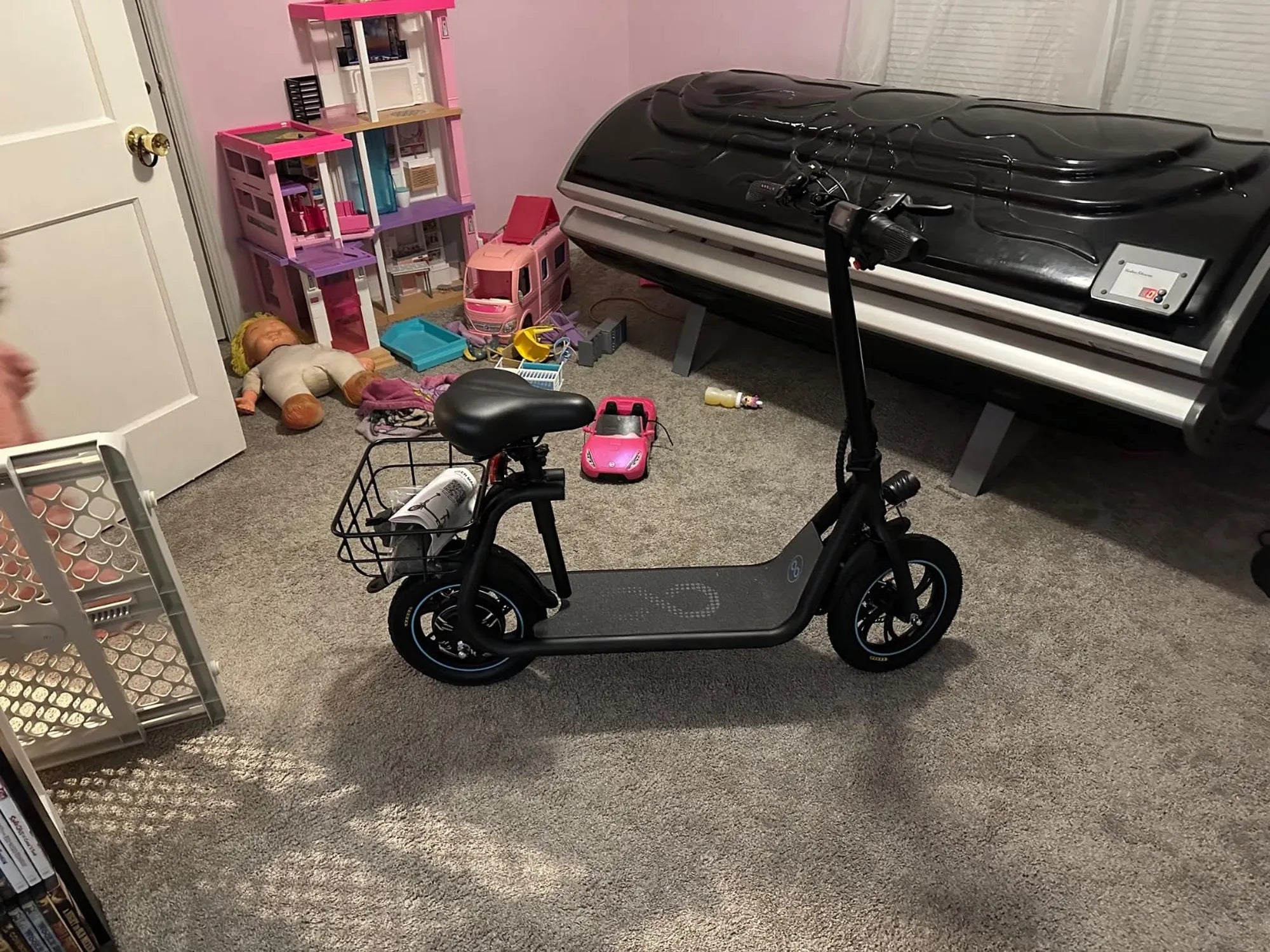
Introduction to Affordable Electric Mobility
The search for a practical, economical, and sustainable urban transport solution has led millions to electric scooters. For the discerning Indian commuter, the sub-₹70,000 segment represents a critical threshold where quality, performance, and reliability converge. This guide is dedicated to finding the best electric scooters under 70000, a category that delivers serious commuting capability without a premium price tag.
We will analyze the key specifications, safety standards, and real-world performance you can rightfully expect. Brands operating in this segment, like Gyroor, focus on delivering UL-certified battery safety, robust IP-rated water resistance, and dependable 1-year warranties. This makes the investment not just affordable initially, but sensible for the long term.
Gone are the days when budget meant compromised safety or pitiful range. Today, electric scooters under 70000 offer a compelling alternative to both costlier petrol scooters and flimsier, ultra-low-cost electric options. This article provides the data-driven insights you need to navigate this vibrant market and choose a scooter that fits your daily life.
Why ₹70,000 is the Sweet Spot for Value
The ₹70,000 price point is strategically positioned as the value apex in India's electric two-wheeler landscape. It sits comfortably above the entry-level segment (₹40,000-₹55,000), where components like motors, batteries, and brakes are often basic to meet a low price. Conversely, it remains significantly more accessible than premium models exceeding ₹1 lakh, which offer marginal performance gains for a substantial cost increase.
In this sweet spot, manufacturers can integrate higher-quality, longer-lasting components. You consistently find more powerful motors (350W-500W), larger capacity lithium-ion batteries (10Ah-15Ah), and dual braking systems. The build quality shifts from plastic-heavy to using more metal and reinforced composites, enhancing durability for daily use.
Furthermore, this segment is where essential safety certifications become standard, not optional. Investing in a scooter around ₹70,000 means you are purchasing a vehicle engineered for regular commute, not a toy. It's the price where the total cost of ownership—factoring in durability, maintenance, and battery lifespan—truly shines compared to both cheaper electric and traditional internal combustion engine (ICE) alternatives.
Key Features to Expect in This Price Range
When evaluating electric scooters under 70000, certain features should be considered baseline expectations. The motor should be a brushless hub motor rated between 350W and 500W, providing adequate torque for city speeds and moderate inclines.
The battery is the heart of the scooter. Expect a removable or fixed Lithium-ion pack with a capacity of 10Ah to 15Ah. This typically translates to a certified range of 40-60 km, though real-world conditions will reduce this. Crucially, the battery should have recognized safety certifications like UL or BIS.
Performance specifications usually include a top speed of 25-35 km/h, aligning with many local regulations for low-speed electric vehicles. A robust frame with a load capacity of 100-120 kg is standard. Practical features like a digital display, LED lighting, a folding mechanism for portability, and an IPX5 or higher water resistance rating for all-weather confidence are common.
Top Considerations Before Buying Your E-Scooter
Beyond headline specifications, your personal use case dictates the ideal model. First, assess your daily commute distance. Always derate the advertised range by 20-30% for real-world factors like rider weight, terrain, and speed. If your round-trip is 25 km, target a scooter with a 40+ km claimed range.
Consider the terrain. While most electric scooters under 70000 handle flat urban roads well, if your route includes bridges or mild hills, prioritize motor power (500W or higher) and torque. Check the scooter's stated gradeability, usually around 10-15 degrees.
Portability is key if you need to carry the scooter onto public transport or into an office. A good folding mechanism should be intuitive and secure. Also, evaluate the after-sales ecosystem. A strong 1-year warranty, like that offered by Gyroor, and accessible service centers or spare parts networks are critical for long-term peace of mind, protecting your investment.
Safety and Certification: Non-Negotiables
Safety is paramount and should never be compromised for cost. The battery pack is the most critical component. Insist on UL, IEC, or BIS certification. These standards ensure the battery has undergone rigorous testing for overcharge, short circuit, and thermal stability, drastically reducing fire risk. Gyroor, for instance, uses UL-certified battery packs tested for over 500 charge cycles.
Water resistance is measured by the IP (Ingress Protection) rating. An IPX5 rating means the scooter can withstand water jets from any direction, making it safe for riding in light rain and on wet roads. This protects the electrical components from moisture damage.
Examine the braking system. A combination of disc (front) and drum (rear) brakes, or a dual drum setup with an Electronic Braking System (EBS), provides reliable stopping power. Finally, ensure the scooter has comprehensive lighting—bright LED headlights, tail lights, brake lights, and side reflectors—for visibility during dawn, dusk, or night rides.
The Eco-Friendly and Economic Advantage
Choosing an electric scooter is a direct investment in environmental and financial sustainability. From an ecological standpoint, a single e-scooter produces zero tailpipe emissions. Over a year, replacing a petrol scooter commute can reduce CO2 emissions by approximately 500 kg, equivalent to planting over 20 trees.
Economically, the savings are substantial. The following table compares the approximate annual costs of a petrol scooter versus an electric scooter under ₹70,000, assuming a daily commute of 20 km.
| Cost Factor | Petrol Scooter (100cc) | Electric Scooter |
|---|---|---|
| Fuel/Electricity Cost | ₹18,000 (₹1500/month) | ₹1,200 (₹100/month) |
| Annual Maintenance | ₹3,000 - ₹5,000 | ₹1,000 - ₹2,000 |
| Insurance | ₹1,500 | ₹1,500 |
| Total Annual Cost | ₹22,500 - ₹24,500 | ₹3,700 - ₹4,700 |
| Annual Savings | ₹18,000 - ₹20,000+ | |
This dramatic cost-per-kilometer advantage means the scooter can pay for itself in saved fuel and maintenance within a few years. Additionally, with fewer moving parts than an ICE engine, electric scooters have lower long-term maintenance needs.
Navigating Your Purchase: New vs. Used and Where to Buy
Purchasing a new electric scooter under 70000 from an authorized dealer or reputable brand website is highly recommended. This guarantees you receive the full manufacturer's warranty, a fresh battery with full cycle life, and after-sales support. It ensures the vehicle meets all advertised safety standards from day one.
Buying a used electric scooter carries significant risks, primarily centered on the battery. Battery health degrades with charge cycles, and a used scooter's range may be a fraction of its original capacity. Without a warranty, any repair—especially a battery replacement costing ₹15,000-₹20,000—negates the initial savings.
For new purchases, prioritize authorized retail channels. Established brands like Gyroor sell through their official website (gyroorboard.com) and partnered dealers, ensuring authenticity. Major e-commerce platforms can be convenient, but verify the seller is an authorized distributor to secure valid warranty coverage and access to genuine parts.
In-Depth Feature Comparison and Use Cases
To choose the right model, align scooter capabilities with your primary use case. For the urban student or last-mile commuter covering 10-15 km daily, a lightweight, highly portable model with a 350W motor and 25-35 km range is ideal. Focus on foldability and a compact design.
The daily office commuter traveling 20-30 km needs a workhorse. Prioritize a 500W+ motor for consistent performance, a battery offering 40+ km real-world range, and comfort features like a wider deck and better suspension. IPX5 water resistance is essential for all-weather reliability.
For riders in slightly hilly areas or those carrying more weight, torque and braking power are key. Look for a 500W-800W motor, high gradeability (15°+), and a dual-disc or disc+drum brake combination. A robust frame with a 120 kg+ load capacity is necessary. Across all cases, never sacrifice the core safety certifications for extra features.
Frequently Asked Questions (FAQs)
Q1: What is the real-world range I can expect from an electric scooter under ₹70,000?
A: While advertised ranges often reach 50-60 km, real-world range is affected by rider weight, speed, terrain, and temperature. A practical estimate is 20-30% less than the claimed figure. For a 50 km claimed range, expect 35-40 km under normal city conditions.
Q2: How long does the battery last before needing replacement, and what is the cost?
A: A quality lithium-ion battery lasts for 500-800 full charge cycles before degrading to about 80% of its original capacity. With daily charging, this translates to 2-3 years of optimal performance. A replacement battery for a scooter in this segment typically costs between ₹15,000 and ₹25,000.
Q3: Are these scooters suitable for moderate hills?
A: Yes, many models in this price range, especially those with 500W+ motors, can handle moderate inclines (up to 10-15 degrees). Check the manufacturer's stated gradeability specification. Performance on hills will reduce speed and drain the battery faster than flat terrain.
Q4: What does the warranty typically cover?
A: A standard warranty lasts 1 year. It should cover manufacturing defects in the frame, motor, and controller. Crucially, the battery warranty is often separate, covering defects but may prorate coverage based on capacity retention over time. Always read the warranty terms carefully.
Q5: Is registration or a driver's license required?
A> Regulations vary by state. Generally, electric scooters with a top speed under 25 km/h and motor power under 250W may not require registration or a license. However, most electric scooters under 70000 exceed these limits. It is imperative to check your local Regional Transport Office (RTO) rules. Most likely, registration and a valid driver's license will be required.
Investing in Smart Commuting
An electric scooter priced under ₹70,000 represents one of the smartest transportation investments available today. It delivers a powerful combination of daily utility, significant economic savings, and a reduced environmental footprint. The key to maximizing this investment lies in prioritizing verified safety through certifications, understanding your real-world range needs, and choosing a brand that stands behind its product with reliable warranty and support.
Brands like Gyroor have built trust with over 100,000 riders by focusing on these fundamentals: UL-certified batteries, IPX5 water-resistant designs, and robust customer service. As urban mobility evolves, opting for a well-engineered electric scooter in this value segment positions you at the forefront of efficient, conscious commuting.
Ready to explore models that combine performance, safety, and value? Your journey towards affordable and eco-friendly commuting starts with informed research. Browse the full Gyroor collection at gyroorboard.com to discover scooters designed for the real world, where every kilometer is a step towards a smarter, cleaner future.
Electric Scooters With Large Wheels: The Ultimate Ride for Comfort and Stability
Electric Scooters Bend Oregon: The Ultimate Guide to Riding in Style