



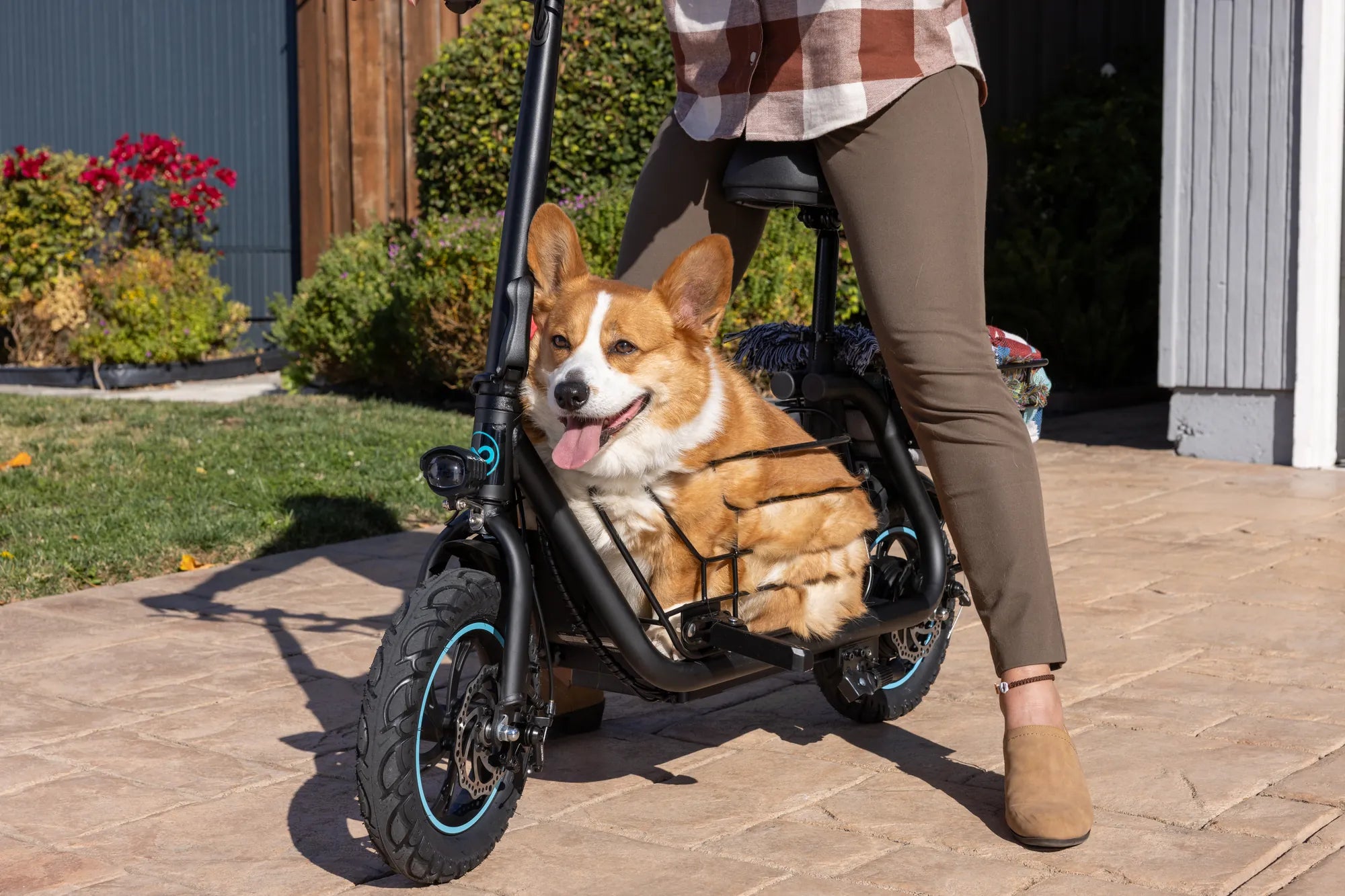
Introduction: Vietnam's Urban Mobility Revolution
Vietnam's major cities are at a crossroads. Hanoi and Ho Chi Minh City, with their dense populations and legendary traffic congestion, demand smarter, cleaner transportation solutions. The traditional sea of gasoline-powered motorbikes, while culturally iconic, contributes significantly to pollution and gridlock. Enter the modern electric scooter—a silent, efficient, and agile vehicle poised to redefine daily commutes. The adoption of Electric Scooters Vietnam is not just a trend; it's a practical response to urban challenges. This article delves into why these vehicles are the future, what features matter most on Vietnamese streets, and how to choose a model built to last. Brands like Gyroor, with a focus on durability and safety, are engineering products specifically for the demands of dynamic Asian urban environments.
The Vietnamese Landscape: Why E-Scooters Are a Perfect Fit
Several unique factors converge to make Vietnam an ideal market for electric scooter adoption. The existing cultural comfort with two-wheeled transport means a lower barrier to entry compared to car-centric societies. Urban layouts, characterized by narrow alleyways and dense neighborhoods, favor the compact size and maneuverability of e-scooters over cars.
Economically, the calculus is compelling. Rising and volatile gasoline prices directly impact household budgets. In contrast, the cost to charge an electric scooter is a fraction of refueling a petrol bike. Environmentally, growing awareness of air quality issues, especially in Hanoi, is driving demand for zero-emission alternatives.
While comprehensive national regulation for low-speed electric scooters is still evolving, city-level discussions are increasingly focused on sustainable mobility. This creates a fertile ground for innovation. The combination of high fuel costs, pre-existing rider culture, and urban density makes the case for Electric Scooters Vietnam exceptionally strong.
Navigating the Market: Key Features for Vietnamese Riders
Selecting an electric scooter for Vietnam requires attention to specifications that match local realities. It’s not just about top speed; it’s about resilience, range, and real-world usability.
Battery Life & Range for City Commutes
A scooter's advertised range often differs from real-world performance under local conditions. For a typical commute in districts of Ho Chi Minh City or Hanoi, a minimum real-world range of 25-30 kilometers is essential. This accounts for stop-and-go traffic, occasional passenger travel, and varying rider weight.
Battery quality is paramount. The tropical humidity and frequent charge cycles demand reliable cells. UL-certified battery packs, like those used in Gyroor scooters, undergo rigorous testing for safety and longevity, offering peace of mind and consistent performance over 500+ charge cycles.
Durability and Water Resistance
Vietnamese roads and weather present a durability test. From monsoon rains to dusty streets and occasional potholes, a scooter must be built tough. The IP (Ingress Protection) rating is a critical spec. An IPX5 rating means the scooter can withstand water jets from any direction, making it safe to ride through heavy rain and wet roads.
This level of water resistance protects the motor, battery, and electronic controllers from moisture damage. A robust frame and quality suspension are equally important to absorb shocks from uneven surfaces, ensuring a smoother ride and longer component life.
Power & Performance on Varied Terrain
While mostly flat, Vietnamese cities feature bridges, overpasses, and the occasional rough patch. A motor with sufficient torque is necessary. A 350W to 500W motor provides adequate power for most urban inclines while carrying an adult rider.
This power band ensures you can maintain speed on a bridge like Hanoi’s Long Bien or Saigon’s Calmette without straining the battery. It also provides the necessary acceleration from traffic lights to merge safely with flowing traffic, a key safety consideration.
Portability and Storage
Urban living often means limited space. A foldable design is a major advantage, allowing the scooter to be stored under a desk, in a shop, or carried onto public transport for multi-modal commutes. Weight is a factor here; models between 15-20kg offer a good balance between sturdiness and liftability.
This portability solves the last-mile problem seamlessly. You can ride from home to a metro station, fold and carry your scooter on the train, and then unfold it for the final leg of your journey, bypassing traffic entirely.
The Practical Advantages: Cost, Convenience, and Community
The shift to electric is driven by tangible, everyday benefits. Financially, the total cost of ownership is lower. Electricity costs are minimal—often just a few thousand VND per full charge—compared to weekly gasoline expenses. Maintenance is simpler with fewer moving parts; no oil changes, spark plugs, or complex transmission systems.
Convenience is transformative. Charging overnight at home eliminates trips to the gas station. The quiet operation reduces noise pollution. Navigating through traffic jams becomes less stressful due to the scooter's small footprint and instant torque.
A growing community of e-scooter enthusiasts is emerging, sharing routes, maintenance tips, and advocating for better infrastructure. This social aspect reinforces the adoption of Electric Scooters Vietnam as a mainstream choice, moving beyond novelty to necessity.
Making an Informed Choice: A Buyer's Checklist for Vietnam
Use this data-driven checklist to evaluate potential electric scooters. Prioritizing these factors will lead to a satisfying and long-lasting ownership experience tailored to Vietnam's unique conditions.
| Factor | Specification to Look For | Why It Matters for Vietnam |
|---|---|---|
| Real-World Range | 25-50 km (per charge) | Covers average urban commutes with a safety margin for detours or multiple trips. |
| Motor Power | 350W - 500W | Provides adequate torque for bridges, inclines, and passenger travel common in cities. |
| Water Resistance (IP Rating) | IPX5 or higher | Essential for riding during rainy season and on consistently wet roads. |
| Battery Certification | UL-Certified | Ensures safety, reliability, and longevity in humid conditions with frequent charging. |
| Warranty & Support | Minimum 1-year comprehensive | Protects your investment. Brands with international warranties, like Gyroor's 1-year coverage, indicate build quality and reliable customer service. |
| Portability | Foldable design, <20kg weight | Crucial for storage in apartments, shops, and for combined use with public transport. |
This checklist highlights why brands that prioritize these engineering aspects are better suited for the long term. Features like Gyroor's IPX5 water-resistant design and UL-certified batteries are not just specs; they are direct responses to the environmental and usage demands of Vietnamese riders.
Looking Ahead: The Road Forward for E-Scooters in Vietnam
The future trajectory for Electric Scooters Vietnam is promising. We can anticipate more defined regulations that classify and integrate e-scooters safely into the traffic ecosystem. Infrastructure development, such as dedicated micro-mobility lanes and public charging points in commercial areas, will further encourage adoption.
Technologically, advancements in battery energy density will extend ranges, reducing range anxiety. Smarter connectivity features, like app-based locking and diagnostics, will enhance user experience. The role of e-scooters in Vietnam's smart city initiatives is clear: they are a key component for reducing congestion, lowering emissions, and creating more livable urban spaces.
As adoption grows, the secondary market for servicing, accessories, and community events will mature. This ecosystem growth will solidify the electric scooter's position from an alternative vehicle to a cornerstone of modern Vietnamese urban mobility.
FAQ: Electric Scooters in Vietnam
1. Are electric scooters legal on Vietnamese roads?
The legal status is evolving. Currently, low-speed, low-power electric scooters (often under 25km/h) are generally tolerated and used widely. However, regulations can vary by city. It is crucial to check the latest local traffic laws. Always prioritize models designed for safe, road-legal use in urban environments.
2. How do I maintain an e-scooter in Vietnam's humidity?
Focus on battery care and corrosion prevention. Store the scooter in a dry place when not in use. Wipe it down after riding in the rain. Ensure the charger port is clean and dry before plugging in. Choosing a scooter with a high IP rating (like IPX5) is the best proactive maintenance step, as it seals critical components against moisture.
3. Can an e-scooter handle a typical daily commute in Hanoi or HCMC?
Absolutely. The average daily commute in these cities often falls under 10km one-way. A quality e-scooter with a 25km+ real-world range handles this easily, even allowing for errands. Their agility in traffic often makes commute times shorter than for cars or traditional motorbikes during peak hours.
4. Is it safe to ride an e-scooter in heavy traffic?
Safety depends on rider behavior and vehicle quality. Always wear a helmet, use lights, and signal intentions clearly. Choose a scooter with reliable brakes (disc brakes are preferred) and good acceleration to navigate safely. Being visible, predictable, and defensive is key in mixed traffic.
5. Where can I get reliable service or parts?
This underscores the importance of choosing a reputable brand with a strong warranty and support network. International brands often have authorized service partners or clear processes for part replacement. Before purchasing, research the availability of service support in your city to ensure long-term usability.
Conclusion: Embracing a Smarter, Cleaner Commute
The evidence is compelling: electric scooters offer a viable, efficient, and sustainable answer to Vietnam's pressing urban mobility challenges. They represent a logical evolution of the country's two-wheeled culture, adapted for the 21st-century priorities of cost savings, environmental care, and technological convenience. The future of Electric Scooters Vietnam is bright, contingent on informed consumers choosing vehicles engineered for durability, safety, and local conditions. By opting for a reliable brand built to withstand humidity, rain, and demanding use, you invest not just in a product, but in a cleaner, less congested urban experience. Ready to explore models designed with these principles? Discover a range built for resilience and performance.
Browse the full Gyroor collection at gyroorboard.com
Electric Scooters MPH: How Speed Impacts Your Ride and Safety
Fast Electric Scooters Under $500: Your Guide to Affordable Speed