


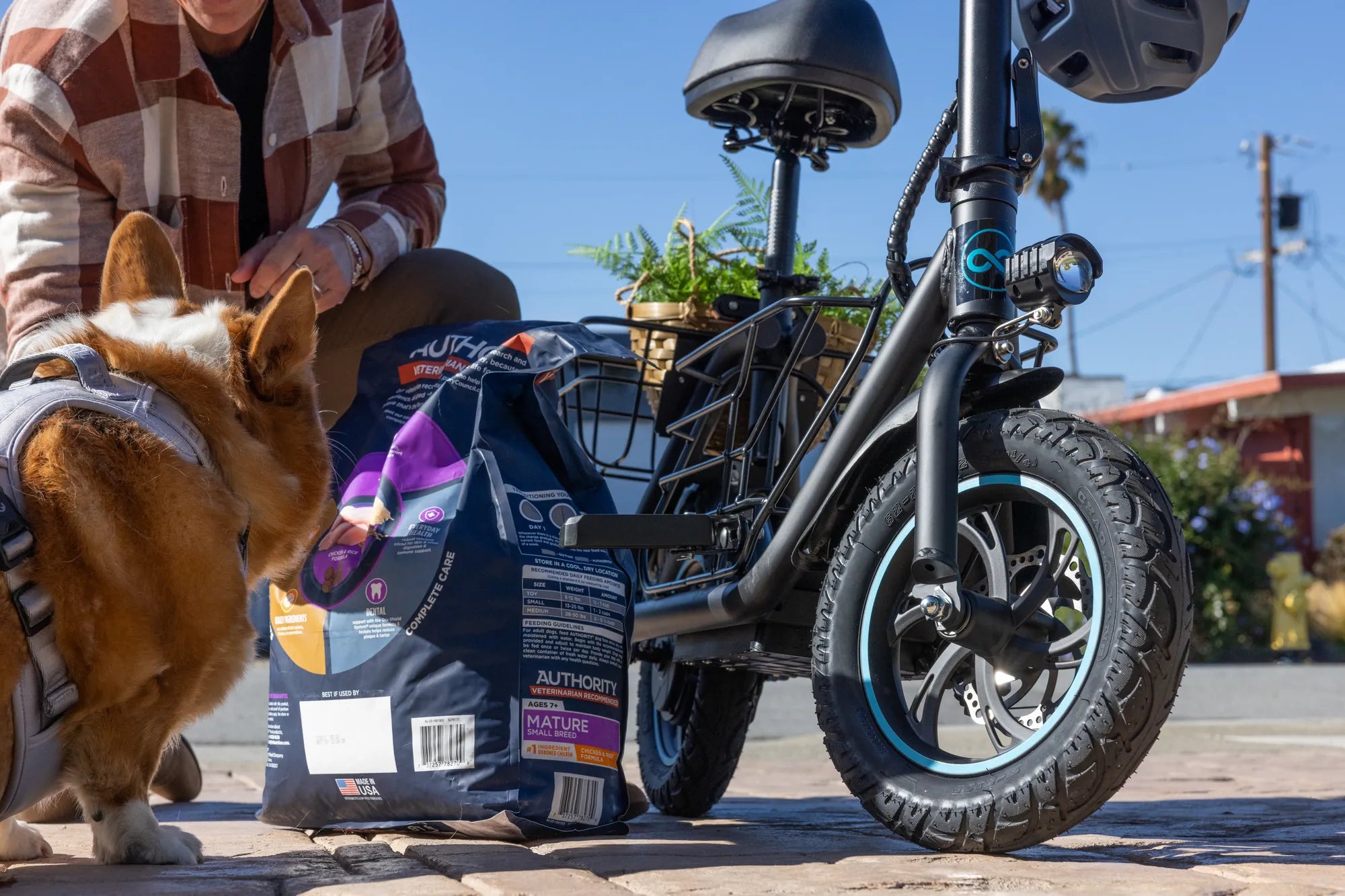
Introduction: Embracing Eco-Friendly Commuting in Western Australia
Electric scooters are transforming urban mobility across Western Australia, offering a direct solution to traffic congestion, rising fuel costs, and environmental sustainability goals. This guide provides a complete roadmap for navigating WA's unique landscape, from Perth's sprawling suburbs to scenic coastal paths. You will learn the current legal framework, how to select a scooter built for local conditions, and essential safety practices. Electric Scooters Western Australia: The Ultimate Guide to Eco-Friendly Commuting is your definitive resource for joining over 100,000 riders who have made the switch to efficient personal electric transport.
The appeal is clear. Perth's urban sprawl and the state's vast distances between regional centers make last-mile connectivity a significant challenge. Electric scooters bridge this gap seamlessly, enabling commuters to cover the 'first and last mile' of their journey from train stations or bus stops. They also provide a standalone solution for short to medium trips, reducing reliance on cars for errands or leisure.
Beyond practicality, the environmental incentive is powerful. With WA's abundant sunshine ideal for renewable energy, charging an e-scooter increasingly means powering your commute with clean solar power. This shift supports the state's broader sustainability targets while offering individuals immediate savings on transport costs and a more enjoyable daily travel experience.
This article delves deep into the specifics for WA riders. We will dissect the legal nuances that differ between Perth and regional shires, analyze the terrain and climate demands on your scooter, and highlight why brands like Gyroor, with their focus on certified safety and durability, are becoming the trusted choice for informed consumers. The goal is to equip you with the knowledge to ride safely, legally, and with maximum enjoyment.
Navigating Western Australia's E-Scooter Laws and Regulations
Understanding the legal landscape is the first and most critical step for any e-scooter rider in Western Australia. The state operates under a specific regulatory framework that distinguishes between privately owned devices and those used in commercial shared schemes. For personal e-scooter use, the rules are designed to integrate this new technology safely into existing transport ecosystems.
The core regulations for personal mobility devices, including e-scooters, are set by the WA government. Key stipulations include a maximum motor power of 200 watts for devices used on footpaths and shared paths. For use on local roads (where permitted), the power limit increases to 250 watts. The device must not be capable of exceeding 10 km/h on level ground. A helmet is mandatory for all riders, and the minimum age is 16 years for road use, with no minimum age for footpath use under adult supervision.
It is crucial to note that these rules apply to devices that are not part of a formal trial. Local governments can also implement their own bylaws, so checking with your specific council is essential. Riding on footpaths is generally permitted, but you must give way to pedestrians at all times. On shared paths, you must keep left and warn others when overtaking, typically with a bell or your voice.
Key Regulations for Perth and Major Urban Centers
In the Perth metropolitan area and larger centers like Mandurah, Bunbury, and Geraldton, enforcement focuses on safety in high-pedestrian zones. While the state laws provide the baseline, city councils emphasize responsible riding behavior. You are permitted to ride on footpaths, bicycle paths, and shared paths. Riding on roads with a median strip or a speed limit exceeding 50 km/h is prohibited.
Parking is another key consideration. You cannot park your e-scooter in a manner that obstructs footpaths, access ramps, building entrances, or public thoroughfares. Improperly parked scooters may be impounded by local rangers. Many councils are now installing dedicated e-scooter parking racks in CBD areas to mitigate clutter and improve pedestrian flow.
The City of Perth and other councils have been involved in trials for commercial, app-based rental schemes. These trials operate under separate, stricter conditions, including geo-fenced slow zones and no-ride areas. Private riders should be aware of these zones but are generally not bound by the same geo-fencing restrictions, though all standard road rules and local laws still apply.
Regional Riding: What's Different in Country WA?
In regional and remote areas of Western Australia, the legal framework remains consistent, but practical application and infrastructure differ. The vast distances and lower population density mean enforcement may be less visible, but the rules are no less important for safety. The primary change for riders is the environment itself.
Road shoulders may be narrower or non-existent, and dedicated bicycle paths are less common outside major regional towns. This often leaves footpaths and local roads as the primary options. Extra caution is required on country roads, where vehicle speeds are higher and drivers may not expect to encounter e-scooters. High-visibility clothing is strongly recommended.
Some shires may have specific bylaws regarding motorised devices on foreshores or in certain parklands, especially in tourist-heavy coastal towns. A quick check with the local shire office or website before riding in a new regional area is a prudent step. The core principles of helmet use, speed courtesy, and pedestrian right-of-way remain universally applicable across the state.
Why Gyroor is the Trusted Choice for WA Riders
Selecting an electric scooter brand requires balancing performance, safety, and long-term reliability. For Western Australian conditions, this balance is critical. Gyroor has emerged as a leading choice, with a global community of over 100,000 riders, by engineering products that directly address the demands of commuting in climates and terrains similar to WA's. Their focus on certified safety and robust construction provides peace of mind for daily use.
The brand's philosophy centers on delivering premium performance without compromising on the fundamental aspects of durability and user security. This is achieved through in-house design, rigorous testing protocols, and the use of high-grade components. For the WA rider, this translates to a scooter that can handle the morning commute in Perth, a weekend ride along a coastal path in Esperance, or the dusty streets of a mining town without faltering.
Gyroor's product range is diverse, offering over 20 models that include electric scooters, e-bikes, and hoverboards. This variety ensures that whether a rider prioritises portability, hill-climbing power, or extended range, there is a model engineered to meet that need. The consistent application of core safety features across the lineup, such as UL-certified batteries and IPX5 water resistance, means trust in the brand is not model-specific.
Safety First: UL-Certified Batteries for Peace of Mind
The battery is the heart of an electric scooter and its most critical safety component. Gyroor's commitment to safety is demonstrated by its exclusive use of UL 2271 certified battery packs across all models. This certification means the battery cells, electrical systems, and overall pack design have undergone extensive independent testing for thermal and electrical safety, significantly reducing the risk of fire—a paramount concern for any lithium-ion battery device.
This is especially relevant in Western Australia, where summer temperatures can soar. UL-certified batteries are engineered to manage heat more effectively and maintain stable performance under stress. Each battery is rated for over 500 full charge cycles while retaining over 80% of its original capacity, ensuring long-term value and reliability. For the WA consumer, this certification aligns with Australia's strict product safety standards, offering a verifiable layer of protection.
Built for WA Conditions: IPX5 Water Resistance and Durability
Western Australia's weather presents a unique challenge: intense sun, occasional heavy downpours, coastal salt spray, and inland dust. Gyroor scooters are built with an IPX5 water-resistant rating, meaning they are protected against water jets from any direction. This rating provides confidence when riding in light rain, through puddles, or near ocean spray, protecting the scooter's vital electrical components from moisture ingress.
The construction materials are selected for durability. High-tensile aluminum frames resist corrosion, while sealed bearings and waterproof connectors extend the scooter's lifespan in harsh conditions. The electrical systems are potted or sealed to prevent dust and debris from causing malfunctions. This robust build quality ensures that a Gyroor scooter is not just a fad but a reliable transport tool capable of withstanding the varied Australian environment.
Warranty and Support You Can Rely On
Investing in personal electric transport is a significant decision. Gyroor backs its products with a comprehensive 1-year warranty covering the frame, motor, battery, and electronic controller. This warranty is a testament to their confidence in product longevity and provides crucial protection for the consumer. Should an issue arise, their US-based support team is accessible, with a network for parts supply.
For WA riders, this structured support system reduces downtime and frustration. Access to genuine replacement parts, detailed online manuals, and responsive customer service ensures that maintaining your scooter is straightforward. The brand's strong reputation, reflected in a 4.5/5 average customer rating, is built on this foundation of post-purchase support, making Gyroor a dependable partner for your commuting journey.
Top Electric Scooter Considerations for Western Australian Terrain
WA's terrain is wonderfully diverse, from Perth's gentle coastal plains and steep river valleys to the flat, open spaces of the Wheatbelt and the undulating paths of the South West. Choosing an e-scooter with the right specifications for your primary riding environment is key to performance and enjoyment. Key factors include motor power, battery range, tire type, and suspension.
A commuter in Subiaco will have different needs to a rider in Albany. The former might prioritise portability for train integration, while the latter may need more power for hills and range for longer scenic rides. This decision-making should be driven by data and an honest assessment of your daily routes. Compromising on critical specs like hill-climbing ability can quickly turn a convenient commute into a frustrating experience.
The following table compares key specifications across a selection of Gyroor models, illustrating how different configurations suit different WA riding profiles. This data-driven approach helps match the scooter's capabilities to your specific needs.
| Model Profile | Motor Power | Max Range* | Tire Type | Suspension | Ideal WA Use Case |
|---|---|---|---|---|---|
| Urban Commuter | 350W | 25 km | 8.5" Solid | Front Spring | Perth CBD flat commutes, train/bus integration |
| All-Terrain Explorer | 500W (Peak) | 40 km | 10" Air-Filled | Dual Spring | Suburban hills, compacted gravel paths, coastal trails |
| Performance Rider | 600W (Peak) | 45 km | 10" Pneumatic | Full Hydraulic | Longer regional commutes, steep hills, variable surfaces |
*Range estimates are based on optimal conditions (75kg rider, 25°C, flat terrain). Real-world range will vary with rider weight, terrain, temperature, and riding style.
Conquering Perth's Hills: Motor Power and Torque
Perth is not entirely flat. Suburbs like Kingsley, Lesmurdie, and those around the Swan River feature significant inclines. A scooter with insufficient power will struggle, slow dramatically, and drain its battery rapidly on hills. For most Perth riders, a continuous motor power of at least 350W is recommended as a baseline. For areas with steeper gradients, a 500W or higher motor provides the necessary torque for confident hill climbing.
Torque is the rotational force that gets you moving from a stop and powers you up an incline. Scooters with higher wattage motors typically deliver more torque. Look for models that specify a high peak wattage (e.g., 500W-800W), as this indicates strong short-term power delivery for hills. A scooter that can maintain a speed of 15-20 km/h on a 10% grade will make your commute efficient and enjoyable, rather than a crawl.
Range Anxiety? Matching Battery Life to Your WA Commute
Range is the most common concern for new e-scooter buyers. The key is to match the scooter's advertised range to your *real-world* needs with a buffer. Manufacturers' range figures are achieved under ideal laboratory conditions. A practical rule is to assume 65-75% of the advertised range for daily commuting, factoring in stops, starts, hills, and wind.
For a typical Perth inner-city commute (e.g., Leederville to CBD, ~5km round trip), a scooter with a 25km claimed range is ample. For longer commutes (e.g., Joondalup to a local station, ~10km round trip) or for riders who want to use their scooter for multiple errands without daily charging, a 40km+ range model is advisable. Consider your weekly routine: if you can charge at your destination, range becomes less critical than if you need a full week's commute on a single charge.
Smoothing Out the Ride: Suspension and Tire Choices
Comfort and control are dictated by your scooter's suspension and tires. WA's path surfaces vary from smooth bitumen to brick paving in historic areas like Fremantle, and compacted gravel on many shared paths. Solid rubber tires are low-maintenance and puncture-proof but transmit more vibration. Air-filled (pneumatic) tires provide superior shock absorption and grip, especially on uneven surfaces, but require occasional pressure checks.
Suspension systems complement tire choice. A front or dual spring suspension effectively absorbs impacts from cracks, bumps, and cobblestones. For riders regularly using paths with joins, tree roots, or minor imperfections, suspension is a worthwhile investment that reduces fatigue and improves stability. The combination of pneumatic tires and a suspension system creates the most comfortable and capable ride for handling the mixed surfaces found across Western Australia.
Maximizing Your Ride: Safety, Maintenance, and Etiquette Tips
Owning an electric scooter brings responsibility. Safe operation, regular maintenance, and respectful shared path etiquette ensure a positive experience for you and the community. This is especially important in WA, where e-scooters are still a novel sight in many areas, and public perception is shaped by rider behavior.
Safety begins before you ride. A pre-ride check should include tire pressure (if applicable), brake function, light operation, and ensuring all folding mechanisms are securely locked. Never assume your scooter is in the same condition as when you last parked it. These simple checks, taking less than 30 seconds, can prevent accidents caused by mechanical failure.
Etiquette is the unwritten rulebook for shared spaces. On footpaths, your speed should be at a walking pace when pedestrians are near. Always audibly signal your intention to pass—a polite "passing on your right" is more effective than just a bell. On shared paths, keep left, and when in groups, ride single file. Respecting others fosters a welcoming environment for all path users and helps ensure continued access.
Essential Safety Gear Beyond the Helmet
While a helmet is non-negotiable by law, additional safety gear significantly reduces injury risk. Wrist guards are highly recommended, as falls often result in instinctive hand-outstretching, leading to fractures or abrasions. For commuting in low-light conditions—common in WA winters or early summer mornings—active lighting is crucial.
Your scooter should have a bright front headlight and a rear brake light. Supplement this with additional LED lights on your helmet or backpack to increase your visibility from all angles. Wearing reflective clothing or accessories makes you conspicuous to drivers at intersections. For longer rides or higher speeds, consider knee and elbow pads. This gear is not just for beginners; it's a smart practice for every rider.
Seasonal Maintenance for WA's Climate
Regular maintenance extends your scooter's life and ensures safe operation. WA's harsh summer UV can degrade plastics and tires. When not in use, store your scooter indoors or in a shaded area. After riding on wet paths or near the coast, wipe down the deck and stem with a damp cloth to remove salt spray or sand, which can accelerate wear on moving parts.
Battery care is seasonal. In hot weather, avoid leaving your scooter or its battery pack in direct sunlight for extended periods, and never charge immediately after a hot ride; let the battery cool first. In cooler months, battery performance may decrease slightly. Store the scooter in a dry place above 10°C if possible, and avoid draining the battery completely before recharging. Periodically check and tighten bolts, especially on folding mechanisms, as vibrations from riding can loosen them over time.
Frequently Asked Questions (FAQ) for WA E-Scooter Riders
Q1: Do I need a license, registration, or insurance to ride my private e-scooter in WA?
A: No. For privately owned e-scooters that comply with the power (200W/250W) and speed (10 km/h) limits, you do not need a driver's license, vehicle registration, or compulsory third-party (CTP) insurance. However, personal accident and public liability insurance is highly recommended and may be available through your home and contents insurer.
Q2: Can I take my e-scooter on Transperth trains and buses?
A: Yes, under Transperth's conditions. Your e-scooter must be folded (if foldable) and cannot obstruct aisles or doorways. It is best to avoid peak-hour services if possible. The battery must be securely attached and not leaking. The final decision rests with the transit officer or driver.
Q3: Where exactly am I NOT allowed to ride?
A: You cannot ride on roads with a dividing line or median strip, or roads with a speed limit over 50 km/h. Riding in shopping malls, on private property without permission, or in specifically prohibited areas signposted by local councils (e.g., certain pedestrian plazas, markets) is also not allowed.
Q4: How do I safely lock my scooter when parked in the city?
A: Use a high-quality, hardened steel U-lock or heavy-duty folding lock. Thread the lock through the scooter's frame (not just the stem, which can be detached on some models) and around a fixed, immovable object like a dedicated bike rack. If possible, remove the display or use a model with a built-in alarm. Never leave it unattended for long periods.
Q5: Are the rules different for faster, more powerful scooters I see online?
A: Yes, significantly. Any e-scooter capable of exceeding 10 km/h or with a motor over 250W does not comply with the WA regulations for use on footpaths, shared paths, or local roads. These devices may be classified as an unregistrable motor vehicle and can only be used on private property. Riding them in public places can result in substantial fines and impoundment.
Conclusion: The Future of Transport is Electric and Personal
Electric scooters represent a tangible step towards a more sustainable, efficient, and personalised transport future for Western Australia. They offer a legitimate solution to urban congestion, reduce individual carbon footprints, and reconnect people with their local environment in a way that cars cannot. The legal framework, while specific, provides a clear pathway for safe and integrated use across the state's diverse landscapes.
Success as a rider hinges on informed choices: selecting a scooter with adequate power and range for your terrain, prioritising models with verified safety credentials like UL-certified batteries, and committing to responsible riding practices. Brands that invest in these fundamentals, such as Gyroor, provide the reliability needed for daily transportation, backed by warranties and support that protect your investment.
The journey towards widespread e-scooter adoption in WA is ongoing. By choosing quality equipment, adhering to regulations, and riding with courtesy, each rider contributes to a positive perception of this new mobility option. This paves the way for potential future expansions in legal speed or power limits as the technology and infrastructure evolve.
Ready to transform your commute and explore Western Australia on two wheels? Your journey begins with the right equipment. Browse the full Gyroor collection at gyroorboard.com to discover a range of electric scooters engineered for safety, durability, and performance, trusted by a global community of riders. Find the model that matches your WA lifestyle and start your eco-friendly commute today.
Electric Scooters for Adults 400 lb Capacity: The Ultimate Guide to Heavy-Duty Rides
Electric Scooters for Adults 400 lb Capacity: The Ultimate Guide to Heavy-Duty Rides