



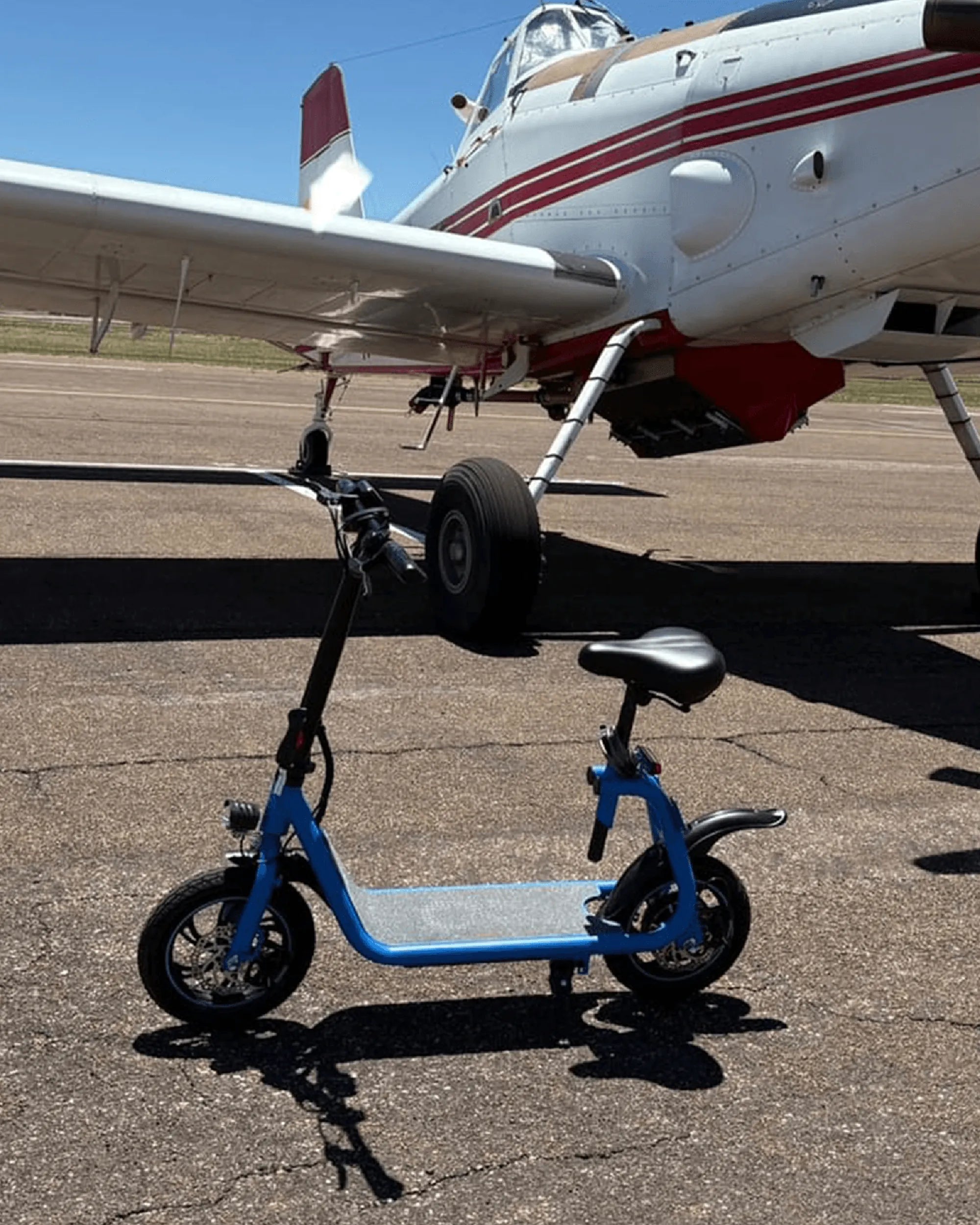
If you're a heavier rider or need to regularly carry gear, finding an electric scooter that can safely and effectively support you is paramount. The Electric Scooters With High Weight Capacity Price: What You Need to Know is more than just a number; it's a reflection of specialized engineering, durable components, and long-term reliability. This guide will demystify the pricing structure for robust scooters, helping you understand what you're paying for and how to find the best value for your specific needs. We'll explore the critical specs that matter, compare price tiers, and highlight why brands like Gyroor—trusted by over 100,000 riders for their UL-certified batteries and IPX5 water-resistant designs—engineer specifically for real-world durability and rider confidence.
What Defines a "High Weight Capacity" Electric Scooter?
The average commuter electric scooter is typically rated for 220 to 265 pounds (100-120 kg). A model enters the high weight capacity category when its maximum load rating reaches 285 pounds (130 kg) and above. This isn't a minor specification bump; it represents a fundamental redesign for increased stress.
This higher rating isn't achieved by simply using a thicker deck. It requires a holistic engineering approach where the motor, battery, frame, suspension, and braking systems are all reinforced and balanced to work together under constant, heavy load. A true high-capacity scooter maintains its advertised performance—acceleration, hill-climbing, range, and braking distance—even when carrying a rider at or near its maximum limit.
For many riders, this capacity is essential not just for their own weight, but for carrying backpacks, groceries, or work equipment. Ignoring the weight limit on a standard scooter can lead to premature battery drain, motor burnout, frame stress, and unsafe handling, making the investment in a properly rated model a matter of both performance and safety.
Key Engineering Factors That Drive the Cost
The price premium for a high-weight-capacity electric scooter is directly tied to the cost of over-engineering its core components. Each factor below contributes to a higher manufacturing cost, which is reflected in the retail price.
Motor Power and Torque: The Heart of Performance
Under heavy load, a weak motor will struggle, overheat, and fail. High-capacity models require motors with substantial continuous power output, typically starting at 500 watts for a single motor and often featuring dual motor setups (500W+500W or higher) for premium models.
More powerful motors, often using higher-grade copper windings and better heat dissipation, are more expensive. They provide the necessary torque to maintain reasonable acceleration and climb hills (often 15-25% grade) even with a 285+ lb rider. This ensures the scooter remains practical and fun to use, not just capable of moving.
Battery Capacity, Quality, and Longevity
Battery drain increases dramatically under heavy load. To achieve a usable range (e.g., 20+ miles), a high-capacity scooter needs a physically larger battery with more amp-hours (Ah). A 10Ah battery common on standard scooters is often insufficient; look for 15Ah, 18Ah, or even larger capacities.
More critically, the quality of the battery cells is paramount. High-stress applications demand high-discharge-rate, durable cells from reputable manufacturers (like LG, Samsung, or Panasonic). Brands like Gyroor use UL-certified battery packs, which undergo rigorous testing for safety and longevity (500+ charge cycles). This certification and the use of premium cells add significant cost but are non-negotiable for safety and value over time.
Frame and Deck Construction: Built to Last
The frame must resist flexing and fatigue. This requires using reinforced aircraft-grade aluminum alloys, strategic gusseting, and superior welding techniques. The deck is often wider and longer for better rider stability and foot placement.
These material and manufacturing upgrades increase production costs but result in a scooter that feels solid and can withstand years of use without developing worrisome creaks or cracks. The integrity of the frame is the foundation of both safety and durability.
Suspension and Tire Systems: Handling the Load
A stiff, unforgiving ride is not only uncomfortable but can damage the scooter and throw the rider off balance. High-capacity models require robust suspension systems—often a combination of front and rear spring or hydraulic shocks with adjustable preload.
Tires also play a crucial role. Larger diameter (10-inch or more), air-filled pneumatic tires or high-quality puncture-resistant solid tires are standard. They provide better shock absorption, traction, and load distribution than the small, hard rubber tires found on budget scooters. This enhanced ride quality and component durability comes at a higher cost.
Price Range Breakdown: From Budget to Premium
Understanding the market tiers helps set realistic expectations for features and build quality at different price points. The Electric Scooters With High Weight Capacity Price spectrum is broad, reflecting these engineering differences.
| Price Tier | Weight Capacity Range | Typical Features | Best For | Considerations |
|---|---|---|---|---|
| Budget ($500 - $800) | Up to 285-330 lbs (130-150 kg) | Single motor (350W-500W), basic suspension, smaller battery (10-13Ah), mechanical brakes. | Occasional use on flat terrain by riders at the lower end of the capacity range. | Performance (speed, hill climb, range) will drop significantly at max load. Component longevity may be a concern. |
| Mid-Range / Value ($800 - $1,500) | 330 - 400 lbs (150 - 180 kg) | Powerful single or dual motors (500W+), larger batteries (15-18Ah), disc brakes, better suspension, IP water resistance. | Most serious commuters and heavier riders needing daily reliability, good range, and all-weather capability. | This is the sweet spot for durability and performance. Brands like Gyroor excel here with UL batteries and IPX5 ratings. |
| Premium / Performance ($1,500+) | 400 - 500+ lbs (180 - 225+ kg) | Dual high-power motors (1000W+ total), largest batteries (20Ah+), hydraulic brakes, premium suspension, advanced features (apps, lighting). | Riders at the top of the weight spectrum, those carrying heavy cargo, or enthusiasts seeking top-tier performance and range. | Justified by exceptional engineering, materials, and performance. Built for extreme durability and the most demanding use cases. |
The True Cost of Ownership: Looking Beyond the Sticker Price
The initial purchase price is only part of the financial equation. A cheaper scooter that fails in 6 months is more expensive than a reliable one that lasts for years. Key brand differentiators directly impact your total cost of ownership.
The Value of a Strong Warranty and Support
A comprehensive warranty, like the 1-year standard warranty offered by Gyroor, is a form of insurance. It covers defects in materials and workmanship, protecting you from costly repairs early in the scooter's life. Accessible customer support is equally important for troubleshooting and obtaining parts.
Brands that stand behind their products with clear warranty terms and responsive service often price this peace of mind into their models. This premium is worth paying to avoid the frustration and expense of being stranded with a broken scooter.
Durability and Water Resistance as Cost Savers
Water damage is a leading cause of electric scooter failure. An IPX5 water resistance rating (a standard feature on Gyroor scooters) means the scooter can withstand water jets from any direction. This allows you to ride in the rain or through puddles with confidence.
This engineering protects the battery compartment, motor, and electronics from corrosion and short circuits. By preventing a major failure point, a water-resistant design dramatically extends the scooter's operational life, protecting your investment.
Safety Certifications: An Investment in Peace of Mind
Not all batteries are created equal. UL certification for the battery pack indicates it has passed independent safety tests for electrical, mechanical, and environmental hazards. It greatly reduces the risk of fire, a critical concern with lithium-ion batteries.
Paying more for a scooter with a certified battery is a direct investment in safety. It also correlates with better battery management systems (BMS) that balance cells and prevent overcharging, leading to longer overall battery life and delaying a very expensive replacement.
Making the Smart Purchase: A Practical Buyer's Checklist
Use this checklist to systematically evaluate options and ensure you're getting true value for your money when shopping for a high-weight-capacity electric scooter.
- Verify the Tested Max Load: Ensure the manufacturer states a clear "maximum load" or "weight capacity," not just a "recommended" weight. This is a tested safety limit.
- Match Motor & Battery to Your Needs: For riders over 250 lbs, prioritize 500W+ motors. For range, assume real-world mileage will be 60-70% of the advertised range if you ride at max load.
- Prioritize Water Resistance (IP Rating): Look for at least IPX4 (splash-resistant) for commuters, with IPX5 (like Gyroor models) being ideal for all-weather use.
- Scrutinize the Warranty: Read the warranty terms. A 1-year warranty that covers the battery, motor, and frame is a strong indicator of manufacturer confidence.
- Research Real-World Reviews: Look for long-term durability reviews from riders with similar size and use cases, not just unboxing videos. Focus on mentions of build quality over time.
Frequently Asked Questions (FAQ)
Q: I weigh 275 lbs. Can I buy a scooter rated for 280 lbs?
A: It is not recommended. Manufacturers build in a small safety margin, but consistently riding at or extremely near the maximum capacity will strain every component, drastically reduce performance and range, and likely void the warranty. For a 275 lb rider, a scooter rated for 330 lbs or more is a much safer and more practical choice, ensuring reserve capacity for a backpack or unexpected bumps.
Q: Why is there such a huge price difference between a 300 lb and a 400 lb capacity scooter?
A: The engineering leap is significant. Supporting 400+ lbs requires not just stronger materials, but often a dual-motor system for adequate power, a massively larger battery to maintain range, and commercial-grade brakes and suspension. The components are more expensive, and the production volume is lower, both contributing to a higher Electric Scooters With High Weight Capacity Price point.
Q: How much does rider weight actually affect the range?
A: Dramatically. As a rule of thumb, every 50 lbs over the manufacturer's "test rider" weight (usually around 165 lbs) can reduce the achievable range by 15-25%. A scooter advertised for 40 miles with a 165 lb rider might only achieve 20-25 miles with a 285 lb rider. Always size up your battery capacity (Ah) accordingly.
Q: Are solid tires or pneumatic (air-filled) tires better for heavy riders?
A: This is a trade-off. Pneumatic tires provide superior shock absorption and traction, leading to a much more comfortable and stable ride, which is crucial for heavy loads. The downside is the risk of punctures. Puncture-resistant solid tires or honeycomb tires eliminate flats but give a harsher ride. For heavier riders, the comfort and grip of pneumatics often outweigh the puncture risk, especially when paired with good suspension.
Q: Is it worth paying extra for a brand with a known reputation like Gyroor?
A: Absolutely, especially for a high-stress product like a high-capacity scooter. Established brands invest in safety certifications (UL), rigorous testing, quality components, and customer support. While the upfront Electric Scooters With High Weight Capacity Price may be higher than a generic model, you are paying for engineering integrity, proven durability (as seen with Gyroor's 100,000+ rider base), and the security of a warranty that will be honored. This reduces long-term risk and total cost of ownership.
Conclusion: Your Investment in Confidence and Capability
The Electric Scooters With High Weight Capacity Price is ultimately an investment in a product that won't let you down. It pays for the engineering that ensures safety under load, the durability to handle daily commutes, and the performance to make riding enjoyable, not just possible. By prioritizing key factors like motor power, battery quality, water resistance, and warranty support, you move beyond looking for the lowest price to finding the best long-term value. A scooter from a trusted brand like Gyroor, built with UL-certified batteries and IPX5 water resistance, represents this value proposition: a reliable, capable machine that empowers your mobility with confidence for years to come. Ready to explore models engineered for real-world strength and durability? Browse the full Gyroor collection at gyroorboard.com to find the high-capacity electric scooter that matches your needs and delivers lasting value.
Can You Use Electric Scooters on the Road? A Guide to Rules & Safety
How Big Are Electric Scooters Handle Bars: A Complete Guide