


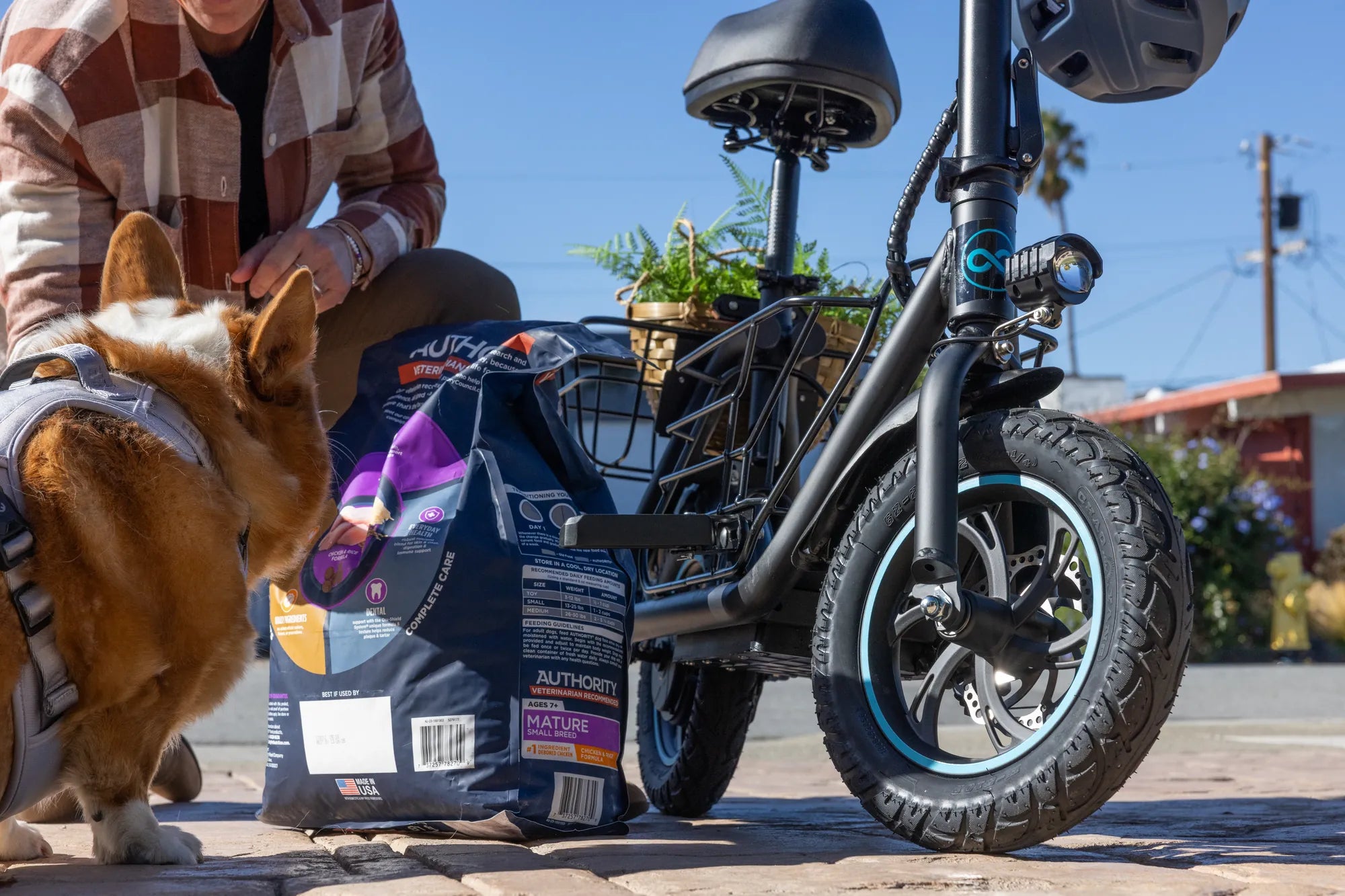
Introduction: Redefining the Urban Commute
Electric street scooters for adults have evolved from a niche novelty to a cornerstone of urban transportation. They represent a direct response to gridlocked traffic, soaring commuting costs, and a growing demand for sustainable mobility. This shift is powered by technological advancements that deliver reliable performance suitable for daily adult commuters, not just last-mile connectors.
The market has matured significantly, moving beyond toys to serious vehicles. Brands like Gyroor have been instrumental in this shift, engineering scooters with the power, range, and durability required for consistent urban use. Their models are trusted by over 100,000 riders across North America and Europe, underscoring their role in this transportation revolution.
This article will dissect why electric street scooters for adults are becoming the future of urban mobility. We will analyze their practical advantages, break down the essential features for safe ownership, and provide a roadmap for integrating them into your daily life. The goal is to provide a comprehensive, data-driven look at a vehicle changing how cities move.
Why Electric Street Scooters Are Dominating City Streets
The rapid adoption of electric street scooters for adults is not a trend but a logical solution to systemic urban problems. Congestion costs the average US commuter nearly 100 hours and $1,400 annually in lost time and fuel. Electric scooters bypass this gridlock entirely, using bike lanes and paths to maintain a consistent, predictable travel speed.
From a financial perspective, the savings are stark. The annual cost of owning and operating a compact car exceeds $10,000 when factoring in payments, insurance, fuel, maintenance, and parking. Public transit, while cheaper, often involves multiple transfers and fixed schedules. An electric scooter’s upfront cost is recouped quickly through the elimination of these recurring expenses.
Environmentally, the impact is clear. Electric scooters produce zero direct emissions, reducing an individual's carbon footprint for daily trips. When charged on a standard grid, their energy consumption is minuscule compared to a car—often equating to less than $30 of electricity per year for a daily commuter. This makes them a tangible tool for personal climate action.
The convenience factor is equally compelling. Their portability allows for multi-modal commuting, easily carried onto trains or buses. Parking is virtually free and can be done right at a destination's entrance. This door-to-door efficiency, combined with the sheer enjoyment of the ride, creates a compelling user experience that car-centric commuting cannot match.
The Commuter's Math: Cost and Time Analysis
Let's quantify the advantages with a real-world scenario: a 5-mile (8 km) one-way urban commute. The following table compares annual costs and average door-to-door trip times, providing a clear, data-driven comparison.
| Transport Mode | Avg. Trip Time (5 miles) | Estimated Annual Cost* | Key Cost Components |
|---|---|---|---|
| Personal Car | 25-40 minutes | $10,000+ | Loan/lease, insurance, fuel ($1,500), parking ($2,000), maintenance |
| Public Transit | 35-50 minutes | $1,200 - $1,800 | Monthly transit pass, occasional ride-shares |
| Electric Street Scooter | 20-25 minutes | $150 - $300 | Electricity for charging (~$30), occasional tire/tube, brake pads |
*Car cost based on AAA 2023 data; Transit based on average metro fares; Scooter cost assumes owned outright with minimal maintenance. Scooter trip time assumes use of bike lanes and paths, avoiding car traffic.
This analysis reveals the core value proposition. Electric street scooters for adults offer the second-fastest commute time while operating at a fraction of the cost of other modes. The time savings come from point-to-point travel without waiting for transit or sitting in traffic. The financial savings accelerate once the initial purchase is amortized over several years of service.
Key Features to Look for in a Reliable Adult Street Scooter
Selecting a scooter for daily adult use requires prioritizing performance, safety, and durability over mere aesthetics. A commuter-grade scooter must be a dependable tool. Key specifications directly impact its ability to handle varied urban terrain, rider weight, and weather conditions consistently.
Motor power determines your ability to climb hills and maintain speed. For most adults in moderately hilly cities, a 350-watt motor is a minimum; a 500-watt or higher motor provides confident acceleration and hill-climbing power. Similarly, a robust braking system is non-negotiable—a combination of a disc brake (front or rear) and an electronic brake offers reliable stopping power in all conditions.
Lighting and visibility are critical for safety. Look for a bright front headlight (200 lumens or more), a dedicated brake light, and side or deck reflectors. Some models, like those from Gyroor, integrate deck LED lights that increase side visibility at night. These features are essential for being seen by drivers, especially during dawn, dusk, or night rides.
The build quality dictates longevity. A frame constructed from aerospace-grade aluminum alloy offers the ideal balance of strength and light weight. Components like the folding mechanism, stem latch, and handlebar clamp should feel solid, with no wobble or play. This rigorous construction is what separates a true commuter vehicle from a less reliable alternative.
Power and Range: Matching Your Daily Needs
Understanding real-world range is crucial. Manufacturers often advertise a "maximum range" under ideal conditions: a light rider on flat, smooth pavement at a slow speed. A more practical metric is the "commuter range," which accounts for variables like rider weight, hills, frequent stops/starts, and colder temperatures.
As a rule of thumb, deduct 20-40% from the advertised maximum to estimate real-world performance. For a reliable one-way commute, your scooter's real-world range should be at least double your daily round-trip distance. This buffer accounts for battery degradation over time, unexpected detours, and riding with less than a full charge.
Battery capacity, measured in Watt-hours (Wh) or Amp-hours (Ah), is the fuel tank. A larger capacity (e.g., 10.4Ah or 374Wh+) directly correlates with longer range. Pairing this with a powerful motor ensures the battery isn't overstressed, promoting longevity. Always verify the battery's certification for safety and performance assurance.
Built for the Real World: Safety and Durability Standards
Urban streets are unforgiving. Potholes, curbs, and wet surfaces demand specific engineering. Wide, pneumatic (air-filled) tires, typically 8.5 or 10 inches in diameter, provide essential shock absorption and stability superior to small, solid tires. They improve traction on uneven pavement and in wet conditions, directly enhancing control and safety.
Water resistance is a critical but often overlooked specification. An IPX5 water-resistant rating means the scooter's electrical components can withstand water jets from any direction. This level of protection is vital for riding on wet roads, through puddles, or in light rain, preventing short circuits and corrosion that can disable lesser models.
Suspension systems, while not universal, significantly improve ride comfort and control on rough surfaces. A front or dual spring suspension absorbs impacts from cracks and bumps, keeping the wheels in contact with the ground for better braking and handling. For commuters on imperfect city streets, suspension is a valuable upgrade that reduces rider fatigue.
The Heart of the Scooter: Battery Safety and Warranty Peace of Mind
The battery is the most critical—and potentially hazardous—component. Insist on models that use UL-certified lithium-ion battery packs. This independent certification verifies the battery has passed rigorous tests for electrical, mechanical, and environmental safety, drastically reducing any risk of fire or failure. It is the benchmark for quality and safety.
Long-term reliability is guaranteed by a strong warranty. A comprehensive 1-year warranty that covers the battery, motor, and frame demonstrates the manufacturer's confidence in their product. It protects your investment against defects and ensures access to support. Gyroor, for example, backs its scooters with such a warranty, supported by a US-based customer service team.
Proper battery care extends its life. Avoid consistently draining the battery to 0% or leaving it at 100% charge for extended periods. Store it in a cool, dry place. Adhering to these practices helps achieve the 500+ charge cycles that quality UL-certified packs are rated for, ensuring years of reliable service from your electric street scooter for adults.
Navigating Regulations and Riding Safely in the City
The legal landscape for electric street scooters for adults is evolving and varies significantly by municipality. Generally, they are regulated similarly to bicycles. Most cities allow them in bike lanes and on streets with speed limits up to 25 or 35 mph. Riding on sidewalks is typically prohibited for adult riders due to pedestrian safety concerns.
Speed limits are commonly capped at 15-20 mph for electric scooters, though this can vary. Some models offer multiple speed modes, allowing you to set a compliant limit. Helmet laws also differ; while some cities mandate them for all riders, others require them only for those under 18. Regardless of the law, wearing a helmet is the single most effective safety practice for any rider.
It is the rider's responsibility to know and follow local rules. Check your city's transportation or police department website for specific ordinances regarding electric scooter use, including any registration or licensing requirements. Proactive knowledge prevents fines and promotes the responsible integration of scooters into the urban ecosystem.
Urban Riding Tactics: From Potholes to Pedestrians
Defensive riding is paramount. Always assume drivers do not see you. Make eye contact with drivers at intersections, signal your turns clearly with hand signals, and position yourself visibly in the lane when necessary. Be hyper-aware of the "door zone"—the area alongside parked cars where an opened door could strike you.
Scan the road surface constantly for hazards like potholes, metal grates, gravel, and wet leaves. Cross railroad tracks or large pavement seams at as close to a 90-degree angle as possible. In wet conditions, reduce speed, avoid sharp turns, and brake earlier and more gently, as traction is significantly reduced.
When sharing multi-use paths with pedestrians and cyclists, announce your presence politely with a bell or a verbal "on your left" before passing. Slow down when passing. Your courtesy helps build positive community relations and ensures the safety of all path users. Remember, on shared paths, pedestrians have the right of way.
Maintenance and Care for Long-Term Reliability
Regular maintenance ensures your scooter remains safe, performs optimally, and lasts for years. A simple pre-ride check takes less than a minute: inspect tire pressure, test the brakes, ensure the folding mechanism is locked, and verify that lights are functional. This routine can prevent accidents and identify minor issues before they become major problems.
Tire care is fundamental. Maintain pneumatic tires at the manufacturer's recommended PSI (usually printed on the tire sidewall). Under-inflated tires increase rolling resistance, reducing range, and are more prone to pinch flats. Check pressure weekly. Carry a small repair kit for punctures, or consider using tire sealant for added puncture resistance.
Mechanical components need periodic attention. Every few months, check and tighten critical bolts, especially those on the stem, handlebars, and folding mechanism. Listen for new creaks or rattles. Lubricate the folding hinge and brake levers with a dry lubricant to ensure smooth operation. Clean the deck and frame with a damp cloth to prevent dirt buildup.
Electronic maintenance is mostly about battery care. Store the scooter in a dry environment and avoid extreme temperatures. If storing for more than a month, charge the battery to about 60-80% first. Use only the charger provided by the manufacturer. Following these steps protects the battery's health, which is central to the scooter's overall value and performance.
Comparing Scooter Types for Different Urban Lifestyles
Not all electric street scooters for adults are created equal. Your ideal model depends on your primary use case. For the ultra-commuter combining scooter and train, portability is key. Look for lightweight models (under 30 lbs) with a fast, secure folding mechanism. A smaller battery may suffice if each leg of the trip is short.
For the primary commuter traveling 5-10 miles each way, performance and comfort are paramount. Prioritize a larger battery (10Ah+), a powerful motor (500W+), pneumatic tires, and suspension. The extra weight and size are justified by the extended range, stability, and smoother ride for daily, longer-distance travel.
Riders in hilly cities must prioritize motor torque. A 500W motor is often a minimum; dual-motor models provide exceptional hill-climbing power but consume battery faster. Ensure the braking system is equally robust to handle descents safely. The combination of power and control is non-negotiable in challenging terrain.
Gyroor's lineup exemplifies this segmentation, offering models tailored to these distinct needs—from compact last-mile solutions to powerful commuter vehicles. Each is built with the core principles of UL-certified battery safety, an IPX5 water-resistant rating, and durable construction, ensuring reliability across all categories.
The Verdict: Are Electric Street Scooters the Right Choice for You?
Electric street scooters for adults are an optimal solution for a specific urban profile. If your daily commute is under 10 miles each way, you seek to eliminate traffic stress and parking costs, and you value a zero-emission travel mode, a scooter is a compelling investment. It is also ideal for those using multi-modal transit, effectively solving the "first and last mile" problem.
The suitability hinges on a honest assessment of local infrastructure. Access to bike lanes, slow-speed streets, or multi-use paths is a significant advantage. Conversely, a city with only high-speed arterial roads and no protected lanes presents a greater safety challenge. Your comfort level with vehicular cycling is a factor.
Ultimately, choosing a scooter from a reputable brand that prioritizes safety certifications and offers strong warranty support mitigates the primary risks. The combination of proven technology, sensible regulation, and tangible user benefits positions the electric street scooter not as a gadget, but as a legitimate, transformative tool for modern urban mobility. It represents a personal shift towards efficiency and sustainability.
Frequently Asked Questions (FAQ)
Q: How far can I realistically go on a single charge?
A: Real-world range is typically 20-40% less than the maximum advertised. For a scooter with a 25-mile max range, expect 15-20 miles for an average adult rider on urban terrain. Always choose a scooter whose real-world range comfortably exceeds your round-trip commute distance.
Q: Are electric scooters safe to ride in the rain?
A: Scooters with an IPX5 water-resistant rating are designed to handle wet roads and light rain safely. However, you should avoid heavy downpours, deep puddles, or submerging any part of the scooter. Reduce speed, increase braking distance, and dry the scooter off after riding in wet conditions.
Q: What regular maintenance do they require?
A: Essential maintenance includes weekly tire pressure checks, monthly bolt tightening (stem, folding mechanism), periodic brake adjustment, and keeping the battery charged between 20-80% for storage. Clean the deck and frame regularly with a damp cloth. Refer to your owner's manual for model-specific schedules.
Q: Where can I park and store my scooter?
A> When out, use a sturdy U-lock or chain lock to secure it to a bike rack. Never rely on the built-in electronic lock alone. At home or the office, the best practice is to fold it and store it indoors if possible. This prevents theft and exposure to the elements, prolonging the scooter's life.
Q: How do I know if the battery is safe?
A> The key indicator is independent safety certification. Only purchase scooters that explicitly state they use UL-certified lithium-ion battery packs. Avoid models with unknown battery origins. A reputable brand will transparently provide this information, as it is the foundation of product safety and reliability.
The future of urban mobility is lightweight, electric, and personal. Electric street scooters for adults are at the forefront of this shift, offering a pragmatic escape from congestion and cost. By choosing a model built with certified safety, real-world durability, and backed by strong support, you're not just buying a vehicle—you're investing in a smarter, more efficient way to navigate city life. Explore engineering-built solutions designed for the daily commuter.
Browse the full Gyroor collection at gyroorboard.com
Battery Powered Electric Scooters With Seat: The Ultimate Urban Commuting Solution
Electric Scooters Santa Monica: The Ultimate Guide to Riding Smart and Safe