


Introduction to Electric Tricycles in the UK
The electric tricycle, or e-trike, is rapidly transitioning from a niche product to a mainstream mobility solution across the United Kingdom. An electric tricycle UK market is being driven by a convergence of practical needs and environmental consciousness. Fundamentally, an e-trike is a three-wheeled cycle equipped with an electric motor that assists the rider's pedalling, offering a unique blend of stability, cargo capacity, and sustainable travel.
Several key factors are accelerating adoption. The UK's aging population seeks stable, low-impact transport that maintains independence. Urban commuters look for cost-effective ways to navigate congested streets and avoid rising charges. Furthermore, businesses are adopting them for last-mile deliveries, and a nationwide push towards net-zero emissions makes electric micromobility increasingly attractive. This guide will provide a data-driven analysis of why the electric tricycle is a compelling choice for modern British life.
Why Choose an E-Trike? Key Benefits for UK Riders
Choosing an electric tricycle over a traditional bicycle, e-bike, or car presents distinct advantages tailored to UK lifestyles. The core benefits revolve around enhanced stability, superior practicality, legal accessibility, and significant environmental and economic savings. For many, the e-trike solves problems that two-wheeled alternatives cannot.
From an economic standpoint, running costs are a fraction of those for a car. With electricity costs far below petrol, and no road tax, Congestion Charge, or ULEZ fees typically applicable to compliant models, the savings are substantial. Environmentally, e-trikes produce zero tailpipe emissions, directly contributing to cleaner air in cities and towns. Their efficiency and potential to replace short car journeys align perfectly with the UK's sustainability goals.
Stability and Safety: A Game-Changer
The three-wheeled design is the most significant safety feature of an electric tricycle. It eliminates the need for balance at stops, on uneven road surfaces, or when loading cargo. This inherent stability is a game-changer for older adults, individuals with mobility or balance concerns, and anyone who lacks confidence on a two-wheeled bicycle.
This design also provides a lower centre of gravity, especially on models with two wheels at the rear. This configuration dramatically reduces the risk of tipping, whether cornering or traversing cambers on UK country lanes. The stability inspires confidence, encouraging more frequent use for daily errands and promoting an active lifestyle without the fear of falling.
Practicality for Daily UK Life
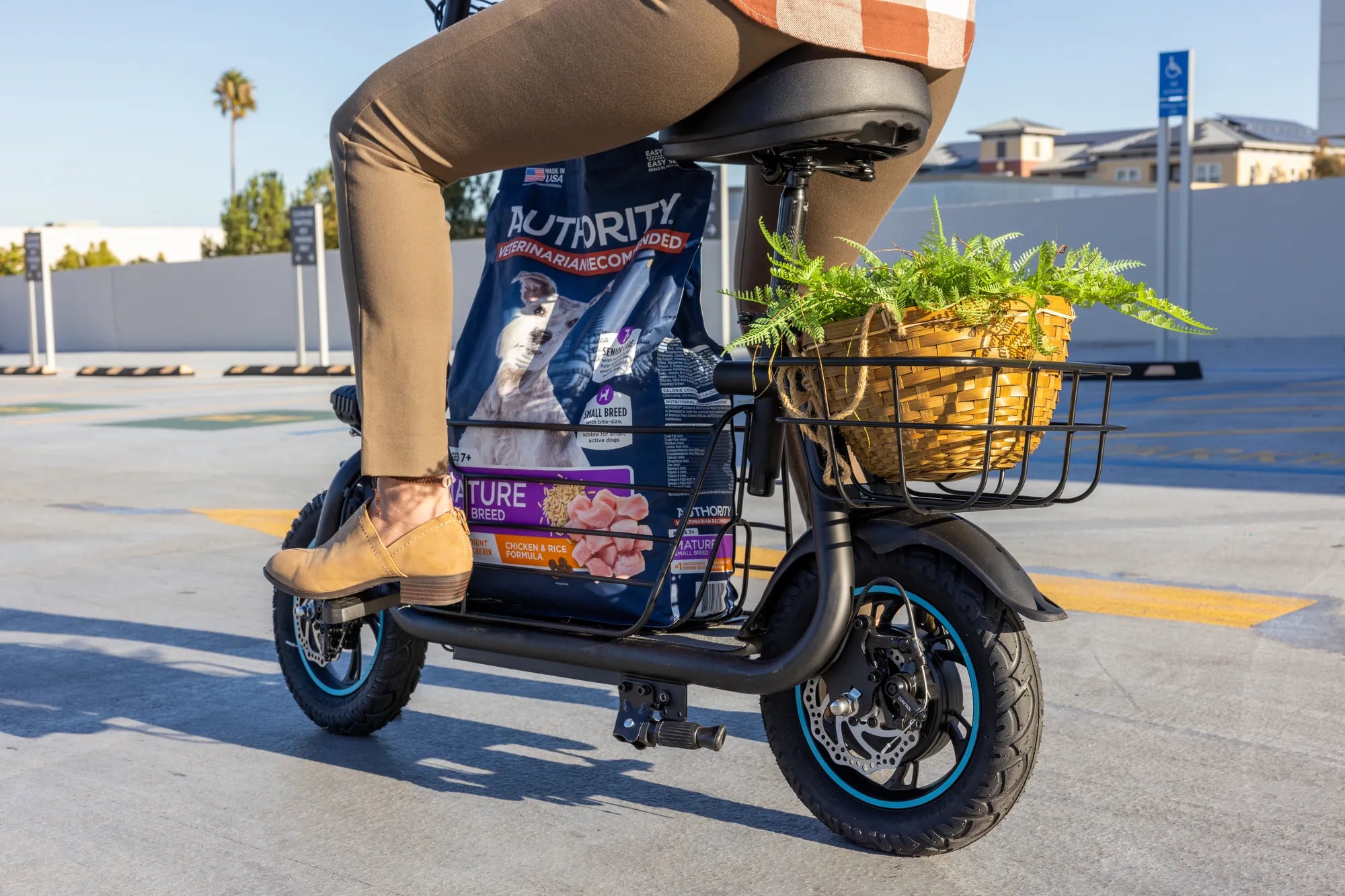
The utilitarian nature of e-trikes is unmatched in the micromobility sector. Most models come equipped with large rear cargo baskets or lockable boxes, capable of carrying multiple bags of shopping, work equipment, or even a small dog. This capacity can reduce dependency on a car for weekly groceries, directly cutting household expenses and emissions.
They are also uniquely suited to the UK's variable weather. The stable platform performs better in windy conditions compared to a standard bicycle. When paired with weather-resistant features, it makes riding in drizzly rain more feasible. The electric assist effortlessly tackles moderate hills, even when the trike is fully laden, making longer journeys to local high streets or across hilly towns practical and sweat-free.
Navigating UK Laws & Regulations for Electric Tricycles
Understanding the legal classification is crucial for any potential e-trike rider in the UK. The vast majority of consumer electric tricycles are classified as Electrically Assisted Pedal Cycles (EAPCs), provided they meet specific construction and use requirements. This classification offers significant freedoms compared to other motorised vehicles.
To be an EAPC, the tricycle must have pedals that can be used to propel it. The electric motor must have a maximum continuous rated power of 250 watts. Critically, the motor must only provide assistance and must cut off when the vehicle reaches 15.5 mph (25 km/h). The rider must be at least 14 years old. E-trikes meeting these criteria do not require a driving licence, vehicle tax, insurance (though third-party insurance is highly recommended), or registration with the DVLA.
They can be ridden on cycle paths and anywhere else bicycles are permitted. Some more powerful models may fall into a different category (like L1e-A 'powered cycles'), which have different rules including registration and a driving licence requirement. Always confirm the legal classification of a specific model before purchase.
Gyroor Electric Tricycles: Engineered for UK Reliability
When selecting an electric tricycle in the UK, choosing a brand with a focus on safety and durability is paramount. Gyroor, a leading electric mobility brand trusted by over 100,000 riders across North America and Europe, designs its products with these core principles. The brand's engineering philosophy directly addresses the common concerns of UK riders: reliability, weather resistance, and long-term value.
Gyroor's commitment to safety is exemplified by its use of UL-certified battery packs across its range. This certification, achieved through rigorous independent testing, is a critical benchmark for battery fire safety—a key consideration for any vehicle stored at home. Furthermore, understanding the British climate, Gyroor incorporates IPX5 water-resistant designs on key components, offering protection against rain and road spray, a feature not always present on budget models.
Built to Last: Key Features Explained
The practical application of Gyroor's specifications translates directly to rider peace of mind. The UL-certified battery is not only safer but is also tested for over 500 charge cycles, ensuring long-term capacity retention and reducing the frequency and cost of battery replacement. This focus on core component longevity defines the ownership experience.
The IPX5 water-resistance rating means the tricycle's electrical systems can withstand water jets from any direction. In practical terms, this protects the motor, controller, and battery connections from heavy rain and puddle splashes, a frequent occurrence in the UK. Coupled with a robust 1-year comprehensive warranty on the frame, motor, and battery, Gyroor provides a dependable solution for daily transport needs, backed by accessible customer support.
Choosing Your Ideal E-Trike: A UK Buyer's Guide
Selecting the right electric tricycle requires a careful assessment of your individual needs, local terrain, and budget. A methodical approach ensures you invest in a model that will serve you well for years. This buyer's guide breaks down the decision-making process into clear, actionable steps, focusing on use case and specifications.
Begin by considering where and how you will use the trike most frequently. The demands of flat city commuting differ greatly from hilly rural leisure riding or commercial cargo carrying. Your primary use case will dictate the importance of various specifications, from motor torque to cargo accessory options. Setting a realistic budget that includes potential accessories like locks, upgraded lighting, or rain covers is also a crucial first step.
Assessing Your Primary Use Case
- Leisure & Fitness: For park rides and gentle exercise, comfort is key. Look for a comfortable saddle, adjustable seating, and a modest battery range (20-30 miles). A lower-power motor (250W) is often sufficient.
- Urban Commuting: For daily trips to work or the station, consider a compact frame, good lighting, and a reliable locking point for the battery. A mid-range battery (30-40 miles) and a step-through frame for easy mounting in work clothes are advantageous.
- Shopping & Cargo: This use case prioritises capacity. Look for a heavy-duty rear rack or integrated cargo box with a high weight limit (e.g., 100kg+). A more powerful motor (350W-500W) and a large-capacity battery (40+ miles) are essential for laden journeys.
- Business/Commercial Use: For deliveries or mobile vending, durability and cargo solutions are paramount. Investigate trikes with customisable flatbeds or large boxes, commercial-grade tyres, and the most powerful motor and battery combination available within the desired legal classification.
Key Specifications to Compare
When comparing models, focus on these core technical specifications. The table below provides a clear comparison framework for different use cases.
| Specification | Leisure Use | Urban Commuting | Cargo/Shopping |
|---|---|---|---|
| Motor Power | 250W (EAPC-compliant) | 250W - 350W | 350W - 500W+ |
| Real-World Range | 20-30 miles | 25-40 miles | 30-50+ miles |
| Cargo Capacity | Medium basket (20-30kg) | Rear rack + panniers | Large box/flatbed (75-150kg) |
| Key Features | Comfort saddle, simple display | Fenders, lights, step-through frame | Heavy-duty brakes, low gearing, suspension |
Beyond the table, examine the braking system (disc brakes offer superior stopping power, especially when laden), the type of gears (derailleur or hub), and the quality of the tyres (puncture-resistant varieties save time and hassle). Always check the rider weight limit and the trike's total gross vehicle weight rating to ensure it can safely carry you and your typical load.
Electric Tricycle FAQs for UK Riders
Q: Do I need a license, insurance, or tax to ride an electric tricycle?
A: If your e-trike is an Electrically Assisted Pedal Cycle (EAPC) as defined by UK law (250W motor, assists to 15.5mph), you do not need a license, tax, or mandatory insurance. However, third-party liability insurance is strongly advised and is often included in bicycle-specific insurance policies or some home insurance add-ons.
Q: Where am I allowed to ride my e-trike?
A> EAPC-compliant electric tricycles can be ridden anywhere a traditional bicycle is allowed. This includes public roads (except motorways), cycle lanes, and bridleways. You must follow all standard highway rules applicable to cyclists.
Q: How far can I realistically travel on a single charge?
A> Manufacturer ranges are often based on ideal conditions. Real-world range is affected by rider weight, cargo load, terrain (hills significantly reduce range), wind, and the level of pedal assist used. A good rule of thumb is to reduce the claimed range by 20-30% for a realistic estimate. For a 40-mile claimed range, plan for 28-32 miles in mixed conditions.
Q: Is it safe to ride an e-trike in the rain?
A> Modern e-trikes with proper IP-rated water resistance (like IPX5) are designed to handle rain. Safety largely depends on rider behaviour: reduce speed, allow more braking distance, and ensure your tyres have good tread. Avoid deep puddles which could submerge critical components not designed for immersion.
Q: Where can I get my electric tricycle serviced or repaired?
A> Many standard bicycle components (brakes, gears, tyres) can be serviced at any local bike shop. For motor, battery, or controller-specific issues, you should contact the manufacturer's support network. Brands like Gyroor offer warranty support and can often guide you to certified repair centres or provide detailed troubleshooting.
Conclusion: Embracing a Smarter Way to Move
The electric tricycle represents a pragmatic evolution in personal transport for the UK, offering a uniquely stable, practical, and sustainable alternative to both the car and the bicycle. It empowers a wider demographic to maintain mobility, reduces urban congestion and emissions, and tackles the practicalities of daily life with ease. The key to a positive long-term experience lies in selecting a model that matches your specific needs and is built with proven reliability and safety features.
Brands that prioritise UL-certified battery safety, weather-resistant construction, and strong customer warranties, such as Gyroor, provide the peace of mind necessary for a vehicle that becomes integral to daily routine. By carefully considering your use case and comparing key specifications, you can invest in an e-trike that enhances your independence, reduces your transport costs, and contributes to a cleaner environment. Explore how a well-engineered electric tricycle can transform your daily journeys.
Ready to discover a stable and reliable way to navigate your world? Browse the full Gyroor collection of certified electric mobility solutions at gyroorboard.com.
How Much Does an E-Bike Cost? The 2024 Price & Value Guide
Dirt Bike Stuff for Kids: The Complete Safety & Gear Guide for Parents