



Forget the struggle to balance at a red light or the anxiety of carrying a heavy load on two wheels. The electronic tricycle, or e-trike, represents a fundamental evolution in personal electric mobility, merging the assistive power of an e-bike with the inherent stability of a three-wheeled platform. This guide will dissect the e-trike's engineering, its transformative benefits for a wide range of riders, and provide a data-driven framework for selecting the perfect model. You will learn how motor and battery specifications translate to real-world performance, discover the practical applications where e-trikes excel over traditional options, and navigate the essential regulations for safe and legal operation.
Introduction to the Modern Electronic Tricycle
An electronic tricycle is a three-wheeled vehicle propelled by an electric motor, powered by a rechargeable battery. It consists of a sturdy chassis, a motor (typically in one or both rear hubs), a battery pack, a controller, and a user interface for pedal-assist and/or throttle control. This configuration has evolved far beyond the simple pedal trike, positioning the e-trike as a versatile solution that bridges the gap between standard e-bikes and small electric vehicles.
The core appeal lies in its ability to democratize electric mobility. While e-bikes require a degree of balance and coordination, an electronic tricycle offers a stable, confidence-inspiring platform. This makes electric-assisted travel accessible to demographics often underserved by two-wheeled options. The design inherently supports utility, with many models featuring integrated cargo baskets, beds, or passenger seats.
From a technical standpoint, modern e-trikes leverage advancements in lithium-ion battery energy density and efficient hub motor design. Leading brands, such as Gyroor, integrate these components with a focus on safety and durability, utilizing UL-certified battery packs and water-resistant construction. The result is a reliable vehicle capable of handling daily commutes, grocery runs, and recreational tours with ease.
The market for the electronic tricycle is expanding rapidly, driven by demand for sustainable last-mile transportation, aging populations seeking active mobility, and urban dwellers looking for car alternatives. Understanding this vehicle's capabilities is the first step toward leveraging its unique advantages for your lifestyle.
The Unmatched Stability and Safety of Three Wheels
The primary and most significant advantage of an electronic tricycle is its inherent stability. The triangular wheelbase creates a stable platform that does not require rider balancing, especially when stopped. This eliminates the fear of tipping over during mounting, dismounting, or while waiting at intersections, a common concern with two-wheeled bicycles and e-scooters.
This stability is further enhanced by a typically lower center of gravity. The battery pack and motor are often mounted low in the frame, and the wider track of the two rear wheels resists leaning. This design makes the electronic tricycle exceptionally secure when carrying heavy or asymmetrical loads, as the load is distributed across three contact points with the ground, not two.
From a safety perspective, this stability translates directly to increased rider confidence. Riders can focus on the road and traffic without the constant micro-adjustments needed for balance. This is particularly crucial for applications like cargo carrying or passenger transport, where the vehicle's dynamics change. The stable platform also allows for more controlled braking, as the risk of the rear wheel lifting or skidding is greatly reduced.
Furthermore, the design allows for the integration of larger, more visible lighting systems and comprehensive braking systems, often featuring disc brakes on all three wheels. When combined with the stable platform, these features make the electronic tricycle a conspicuously safe choice for urban and suburban environments.
Who Benefits Most from E-Trike Stability?
Older Adults and Seniors: For individuals with reduced balance, slower reflexes, or joint issues, the electronic tricycle provides a safe avenue to maintain independence, run errands, and enjoy outdoor activity without the fall risk associated with standard bicycles.
Utility and Cargo Haulers: Commuters, small business owners, and anyone regularly transporting groceries, tools, or packages benefit immensely. The stable base allows for heavy loads to be secured in front or rear baskets without compromising handling, effectively replacing many short car trips.
Parents and Caregivers: Models with integrated child seats or cargo beds enable safe transportation of young children. The stability ensures a smooth, worry-free ride, making it a viable alternative to a trailer for local trips to the park or preschool.
Individuals with Mobility or Balance Challenges: Those rehabilitating from injury, or living with conditions that affect balance or stamina, find e-trikes empowering. The pedal-assist reduces physical strain while the three-wheel design provides the necessary support for enjoyable, therapeutic mobility.
Key Features to Evaluate When Choosing an E-Trike
Selecting the right electronic tricycle requires careful analysis of specifications that directly impact performance, utility, and safety. A model perfect for flat city streets may struggle in hilly areas, and a bike designed for light shopping won't suffice for commercial delivery. This breakdown provides a framework for comparison.
First, identify your primary use case: daily commuting, heavy cargo, leisurely recreation, or mobility assistance. This will dictate the priority of features like motor power, battery capacity, and cargo configuration. Budget is also a key constraint, but investing in quality components from reputable brands often leads to lower long-term costs and greater safety.
Beyond the basics, consider the quality of construction, warranty coverage, and customer support. A brand like Gyroor, which offers a comprehensive 1-year warranty and has a track record with over 100,000 riders, provides peace of mind that cheaper, uncertified models cannot. Pay close attention to the maximum weight rating, which includes the rider, cargo, and any passengers.
The following table compares common e-trike configurations based on core use cases, highlighting how specifications align with different needs.
| Primary Use Case | Recommended Motor Power | Recommended Battery Range | Key Design Features | Ideal Rider Profile |
|---|---|---|---|---|
| Urban Commuting & Light Errands | 350W - 500W | 20 - 35 miles | Front/rear baskets, comfortable seat, integrated lights | City dwellers, daily commuters |
| Heavy Cargo & Commercial Use | 500W - 750W+ | 30 - 50+ miles | Large rear cargo bed, high weight capacity, heavy-duty brakes | Tradespeople, market vendors, active families |
| Recreation & Leisurely Riding | 250W - 350W | 25 - 40 miles | Comfort-focused geometry, suspension, panoramic view | Seniors, recreational riders, beach cruisers |
| Mobility Assistance & Stability Focus | 350W - 500W | 20 - 30 miles | Step-through frame, easy-access controls, low center of gravity | Riders with balance concerns, rehabilitation users |
Motor Power and Drive Type (Hub vs. Mid-Drive)
Motor power, measured in watts (W), determines an e-trike's ability to accelerate and climb hills. A 250W motor is sufficient for flat terrain and light assistance, while 500W to 750W motors provide robust power for hills, heavy loads, and riders who want more throttle-responsive performance. Most electronic tricycle models use rear hub motors for their simplicity, reliability, and direct drive.
Hub motors are integrated into the wheel hub (usually one or both rear wheels). They provide direct propulsion and are generally low-maintenance. A dual-motor electronic tricycle, with a hub motor in each rear wheel, offers exceptional traction and torque, ideal for steep inclines or loose surfaces. Mid-drive motors, mounted at the bike's crank, are less common on trikes but offer superior weight distribution and more efficient use of the bike's gears.
For the majority of e-trike applications, a robust rear hub motor is the standard and effective choice. When evaluating power, consider your local terrain. A 350W motor may struggle on sustained 10% grades with a load, whereas a 500W or 750W motor will handle them comfortably. Always cross-reference motor power with the vehicle's total weight capacity for an accurate assessment.
Battery Capacity, Range, and Safety Certifications
Battery capacity, measured in watt-hours (Wh), is the product of voltage (V) and amp-hours (Ah). It is the single best indicator of potential range. A higher Wh rating generally means a longer range. For example, a 48V 10Ah battery (480Wh) will typically outlast a 36V 10Ah battery (360Wh) under similar conditions.
Advertised range is a best-case scenario. Real-world range is affected by rider weight, cargo, terrain, wind, temperature, and assist level. A good rule of thumb is to estimate 15-25 miles per 500Wh of battery capacity for mixed use. If your daily needs are 15 miles, choose a battery that offers at least a 20-25 mile rated range to account for degradation and variables.
Safety certifications are non-negotiable. The battery is the most critical safety component. Look for certifications like UL 2271 (for the battery pack itself) or UL 2849 (for the entire electrical system). These standards ensure rigorous testing for electrical, mechanical, and environmental safety, drastically reducing fire risk. Gyroor utilizes UL-certified battery packs tested for over 500 charge cycles, setting a benchmark for reliability and safety that riders should demand.
Cargo Capacity and Versatile Design Options
The utility of an electronic tricycle is largely defined by its cargo solutions. Designs vary from simple wire baskets to integrated locking containers and flatbed cargo areas. Pay close attention to the maximum load rating for the cargo system itself, which is often separate from the total vehicle weight capacity.
Front-mounted baskets are excellent for easy access and visibility but can affect steering if overloaded. Rear cargo beds or large panniers keep the weight centered between the rear wheels, offering superior stability for heavy loads. Some commercial-grade models feature lockable, weather-resistant storage boxes, turning the e-trike into a secure mobile workshop or delivery vehicle.
For passenger transport, dedicated child seats or bench seats are available. It is imperative to only use manufacturer-approved seating solutions and never exceed the stated passenger weight and age limits. The design of the electronic tricycle naturally accommodates these additions without the handling compromises found on two-wheeled bikes.
Practical Applications: Where E-Trikes Excel
The electronic tricycle is not a niche product; it is a highly practical tool that solves specific transportation problems more effectively than cars, e-bikes, or e-scooters. Its value is realized in daily routines, commercial operations, and recreational pursuits where stability, cargo space, and accessible electric assist are paramount.
By replacing short car trips, e-trikes reduce congestion, parking costs, and carbon emissions. They operate at a fraction of the cost per mile compared to a gasoline vehicle. For businesses, they can slash delivery expenses in dense urban areas. For individuals, they promote an active lifestyle without the barrier of excessive physical exertion or balance concerns.
The versatility of the platform means one vehicle can serve multiple roles throughout the week: a grocery getter on Monday, a commuter on Tuesday, and a leisure vehicle on the weekend. This multi-role capability enhances its value proposition and justifies the investment for many users. The electronic tricycle truly shines as a do-it-all local transportation solution.
The Ultimate Urban Utility Vehicle
In cities and suburbs, the electronic tricycle is a game-changer for errands and daily tasks. A trip to the farmers' market, hardware store, or grocery store becomes simple and enjoyable. Two large baskets can easily carry a week's worth of groceries for a small family, eliminating the need for a car and the hunt for parking.
For tradespeople like gardeners, electricians, or handymen, an e-trike with a cargo bed can transport tools, small supplies, and even lawn equipment. It provides a mobile base of operations that can navigate bike paths and alleys inaccessible to vans. The electric assist means arriving at the job site without being sweaty or fatigued from pedaling a heavy load.
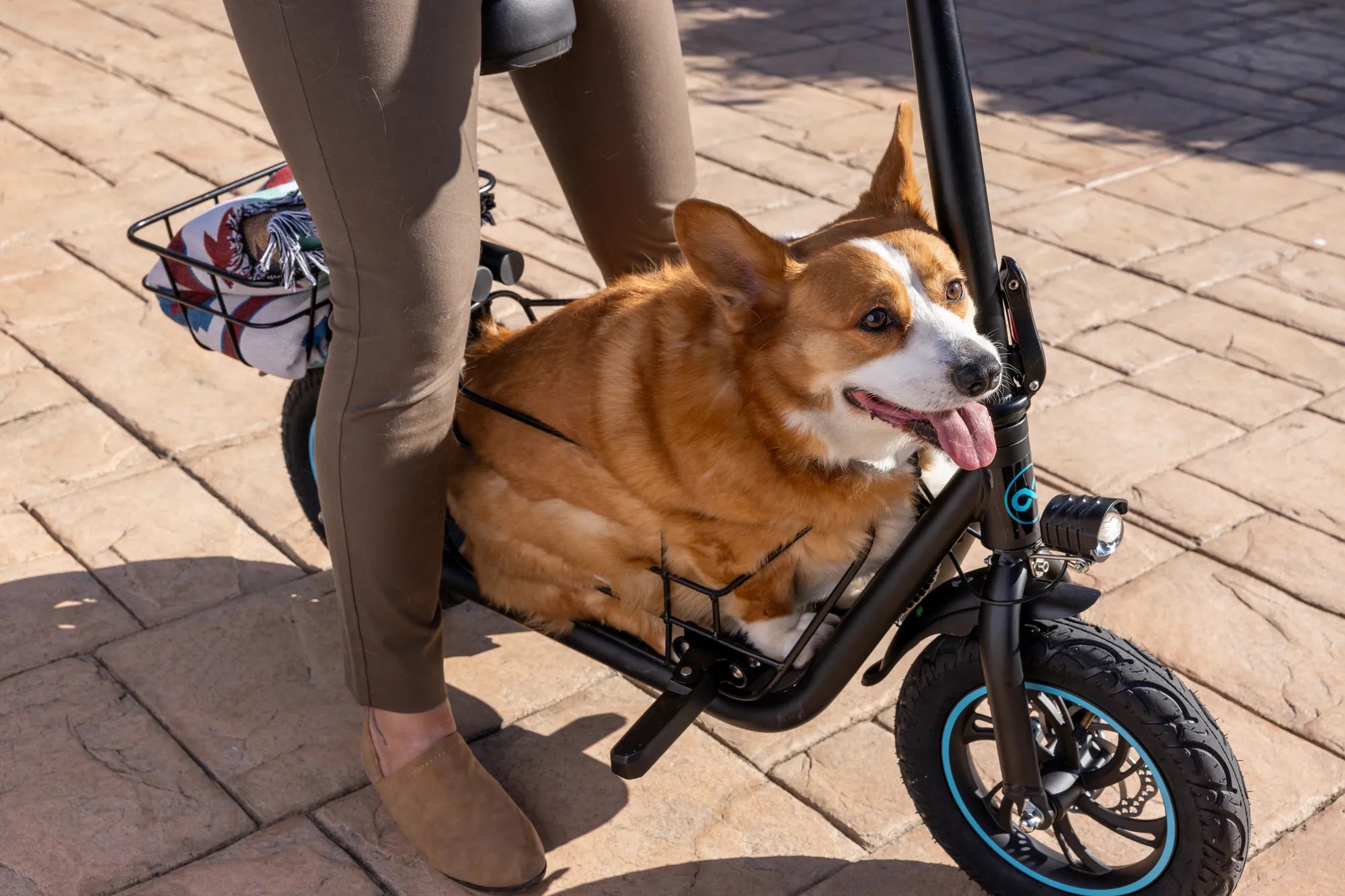
Pet owners also find them invaluable. Dogs can ride in a cargo bed fitted with a crate, or smaller pets can travel comfortably in a front basket. The stable ride is less stressful for animals than a two-wheeled bike trailer. The electronic tricycle effectively becomes a personalized, zero-emission micro-van for local life.
Leisure, Recreation, and Accessible Mobility
Beyond utility, the electronic tricycle is a fantastic recreational vehicle. Its stable, comfortable platform is ideal for exploring bike paths, beach boardwalks, and park trails at a leisurely pace. Riders can enjoy the scenery without constant attention to balance, making it perfect for social rides or touring.
For seniors and retirees, it reopens the door to cycling. The fear of falling is removed, and the pedal-assist conquers hills that would otherwise be prohibitive. This promotes cardiovascular health, mental well-being, and social engagement. Communities and retirement villages are increasingly incorporating e-trike paths and sharing programs.
Furthermore, it serves as accessible mobility for individuals who may not qualify for or desire a traditional mobility scooter. It offers a more active, upright, and socially integrated experience. The electronic tricycle, therefore, plays a crucial role in inclusive design, ensuring people of varying abilities can enjoy the freedom and benefits of personal electric mobility.
Navigating Regulations and Riding Best Practices
Understanding the legal classification of your electronic tricycle is essential. In most jurisdictions in the US and Europe, e-trikes with motors under 750W and a maximum assisted speed of 20 mph (32 km/h in the EU) are classified as electric bicycles. This means they generally do not require a license, registration, or insurance to operate on public roads and bike infrastructure.
However, local laws can vary. Some areas may have specific rules regarding where e-bikes (and by extension, e-trikes) can be ridden, such as prohibitions on certain sidewalks or multi-use paths. It is the rider's responsibility to check state, provincial, and municipal regulations. Always wear a helmet that meets local safety standards, regardless of whether it's legally required for adults.
Riding an electronic tricycle involves some unique handling characteristics. Its wider track means you must take turns slightly wider and be mindful of curbs and narrow gaps. Practice braking in a safe area to understand how the weight transfers across three wheels. Use the electric assist proactively to maintain momentum on hills rather than straining the motor from a dead stop.
Visibility is key. Utilize integrated lights day and night, and consider adding reflective tape or additional LED lights to the cargo area. When carrying loads, secure them properly to prevent shifting. Regular pre-ride checks of tire pressure, brake function, and light operation are simple habits that ensure safety and longevity for your electronic tricycle.
Maintenance and Long-Term Ownership Costs
Maintaining an electronic tricycle is similar to maintaining a traditional bicycle but with added attention to the electrical system. Regular mechanical upkeep includes checking and inflating tires (often at a higher pressure than bikes due to load), lubricating the chain (if present), and ensuring brakes are properly adjusted and pads are not worn.
The electrical system requires minimal routine maintenance but demands careful handling. Keep the battery charge between 20% and 80% for daily use to maximize its lifespan, performing a full charge every few weeks to balance the cells. Store the battery and vehicle in a dry, temperate environment. Avoid exposing connectors to moisture and never use a damaged charger.
Compared to a car, long-term costs are negligible. The primary costs are electricity for charging (a few cents per full charge) and periodic replacement of consumables like tires, brake pads, and eventually the battery pack after several years of use. A quality electronic tricycle from a brand like Gyroor, with its reliable components and warranty, is designed to provide years of service with predictable, low operating expenses.
Should issues arise, purchasing from a brand with accessible customer service and available parts is crucial. Gyroor's US-based support and 1-year warranty ensure that owners have a direct path to resolution, protecting their investment and ensuring continued enjoyment of their vehicle.
FAQ: Your Electronic Tricycle Questions Answered
Q1: Do I need a license or registration to ride an e-trike?
A1: In most regions, if your electronic tricycle has a motor under 750W and is speed-limited to 20 mph (or 25 km/h in some areas), it is classified as a bicycle and requires no license, registration, or insurance. Always verify specific laws in your city and state.
Q2: How far can I realistically travel on a single charge?
A2: Real-world range depends on battery capacity (Wh), rider/cargo weight, terrain, and assist level. A 500Wh battery typically offers 20-35 miles. For accurate planning, assume 20-30% less than the manufacturer's optimal-range claim for your typical riding conditions.
Q3: Are e-trikes difficult to store or transport?
A3: They are larger and heavier than a standard bicycle. Storage requires a garage, shed, or ground-floor area. Some models have folding frames or removable batteries to ease storage. Transporting them usually requires a ramp and a truck, van, or a heavy-duty bike rack designed for trikes.
Q4: What kind of maintenance do they require compared to a bike?
A4> Similar mechanical maintenance: tire pressure, brake checks, chain lubrication. The key addition is battery care: proper charging habits, clean/dry connectors, and storage in moderate temperatures. The motor itself is typically sealed and requires no maintenance.
Q5: Are e-trikes like those from Gyroor built to handle different weather conditions?
A5> Yes, quality e-trikes are designed for real-world use. For instance, Gyroor models feature IPX5 water-resistant ratings, meaning they can withstand water jets from any direction. This makes them capable of handling rain-wet roads and light splashing. However, they should not be submerged or left out in torrential downpours for extended periods.
Conclusion: Is an Electronic Tricycle Right for You?
The decision to invest in an electronic tricycle hinges on your need for stability, utility, and accessible electric power. If your daily life involves carrying cargo, you value a stress-free riding experience free from balance concerns, or you seek an inclusive way to stay active and mobile, the e-trike presents a compelling solution. Its ability to replace car trips for local errands offers tangible economic and environmental benefits.
Evaluate your primary use case against the key specifications: sufficient motor power for your terrain, adequate battery range for your daily distance, and a cargo configuration that matches your typical load. Prioritize safety by choosing models with certified batteries from reputable brands known for quality and customer support.
Brands that stand behind their products with strong warranties and clear safety standards, like Gyroor with its UL-certified components and 1-year comprehensive coverage, provide the reliability needed for a vehicle that becomes part of your daily routine. The right electronic tricycle is not just a purchase; it's an upgrade to your lifestyle, offering freedom, function, and fun on three stable wheels.
Ready to explore stable, versatile electric mobility? Browse the full Gyroor collection, featuring durable e-trikes built with safety-certified batteries and rider-focused designs, at gyroorboard.com.
Best Budget Commuter Ebike: Your Guide to Smart, Affordable Urban Transport
Coolster 50cc Dirt Bike Parts: The Complete Sourcing & Maintenance Guide