

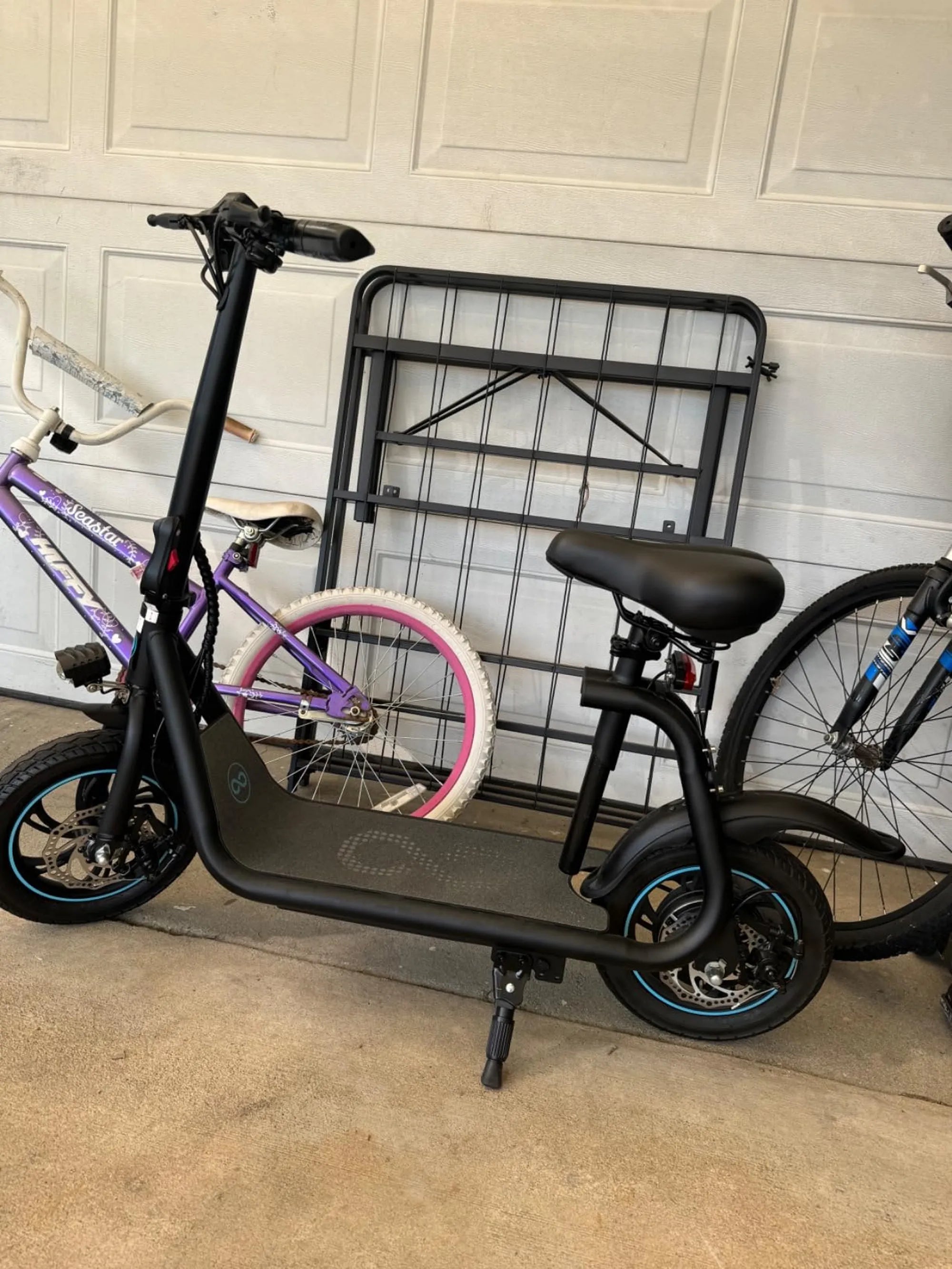
Electric scooters, or escooters, have taken urban commuting by storm, offering a convenient, eco-friendly, and cost-effective way to navigate city streets. But with so many options available, how do you choose the right one? This escooter comparison guide breaks down everything you need to know to find the perfect ride for your lifestyle.
Performance and Speed
When comparing escooters, performance is a critical factor. Top speed and acceleration vary widely between models, with some designed for casual cruising and others built for speed enthusiasts. Most escooters offer speeds between 15-25 mph, but high-performance models can exceed 30 mph. Consider your daily commute distance and local speed regulations when evaluating this feature.
Battery Life and Range
Battery capacity directly impacts how far you can travel on a single charge. Entry-level escooters typically provide 10-15 miles of range, while premium models can deliver 40+ miles. Real-world range depends on factors like rider weight, terrain, and speed. Look for models with removable batteries if charging stations aren't readily available in your area.
Motor Power
Motor wattage determines how well an escooter handles hills and accelerates. Most urban commuters find 250-500W motors sufficient, while 750W+ motors better suit hilly areas or heavier riders. Dual-motor configurations offer maximum power but consume more battery. Your local terrain should guide your motor power selection.
Weight and Portability
If you'll need to carry your escooter upstairs or on public transport, weight matters significantly. Lightweight models (under 30 lbs) are easier to transport but may sacrifice stability. Folding mechanisms vary in ease of use - test them in person if possible. Consider stem height and deck size if you're taller or have larger feet.
Tires and Suspension
Tire type affects ride comfort and maintenance. Air-filled tires provide better shock absorption but risk punctures, while solid tires require no maintenance but offer a rougher ride. Suspension systems become increasingly important as speed increases. For urban commuting, basic suspension or pneumatic tires usually suffice.
Braking Systems
Safety should never be compromised. Look for escooters with multiple braking systems - typically a combination of electronic, disc, or drum brakes. Regenerative braking can extend battery life while slowing the scooter. Test braking responsiveness at different speeds during your evaluation.
Display and Controls
An intuitive interface enhances the riding experience. Basic displays show speed and battery level, while advanced models include Bluetooth connectivity, navigation, and performance metrics. Handlebar controls should be easily accessible without compromising grip stability.
Safety Features
Beyond brakes, consider lighting (front, rear, and side), reflectors, and horn/alert systems. Some models feature turn signals for urban traffic. Water resistance ratings (IP54 or higher) ensure protection from rain and puddles. Always check local regulations regarding required safety features.
Price vs. Value
Escooter prices range from budget-friendly to premium. While it's tempting to choose the cheapest option, consider long-term value. Higher-priced models often offer better build quality, warranty coverage, and customer support. Calculate cost-per-mile based on expected lifespan to assess true value.
Legal Considerations
Escooter regulations vary by location, covering speed limits, riding areas, helmet requirements, and age restrictions. Some cities require registration or insurance. Always verify local laws before purchasing to ensure your chosen model complies with all regulations.
Test Ride Essentials
Whenever possible, test ride multiple models. Pay attention to acceleration smoothness, braking responsiveness, turning radius, and overall comfort. Bring your usual commuting bag to check how it affects balance. Test folding mechanisms with your typical daily attire.
Maintenance Requirements
Consider long-term upkeep. Some models require frequent tire pressure checks, brake adjustments, or software updates. Availability of replacement parts and local repair services should influence your decision. Proper maintenance significantly extends escooter lifespan.
Accessory Compatibility
Evaluate mounting options for phone holders, cargo racks, or additional lights. Some models integrate these features better than others. Waterproof storage solutions become important if you regularly commute with items like laptops or groceries.
Environmental Impact
While all escooters are greener than cars, some manufacturers prioritize sustainable materials and energy-efficient production methods. Battery recycling programs and eco-conscious packaging may influence environmentally-minded buyers.
With this comprehensive escooter comparison guide, you're now equipped to navigate the crowded market and find your ideal electric ride. Whether you prioritize speed for thrill-seeking adventures or portability for multi-modal commuting, there's an escooter perfectly suited to transform your daily travels. The open road - or city sidewalk - awaits your electric-powered exploration.
Adult Trike: The Ultimate Guide to Choosing and Riding a Three-Wheeled Bike
Ebike for Sale: The Ultimate Guide to Finding Your Perfect Ride