



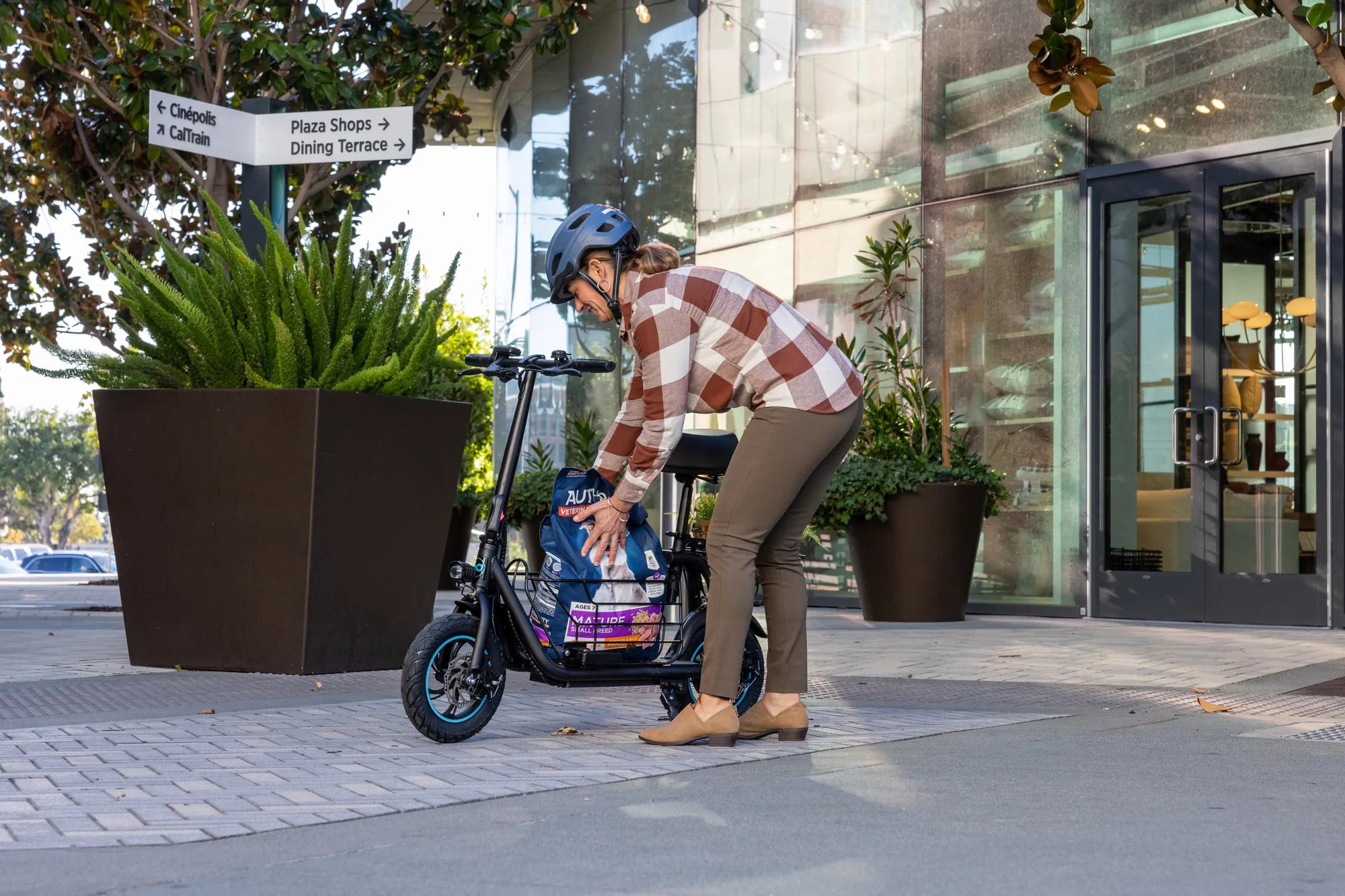
Imagine gliding through city streets on a sleek, futuristic escooter that turns heads while effortlessly navigating urban landscapes. The world of escooter design has evolved far beyond basic transportation, becoming a fascinating intersection of engineering, aesthetics, and smart technology.
The Evolution of Escooter Design
From clunky first-generation models to today's streamlined marvels, escooter design has undergone a remarkable transformation. Early designs prioritized function over form, resulting in bulky frames and limited visual appeal. Modern designers now balance multiple considerations:
- Weight distribution for optimal performance
- Aerodynamic profiles for efficiency
- Material selection for durability and style
- User interface integration
Key Elements of Modern Escooter Design
Frame Architecture
The skeletal structure forms the foundation of every great escooter design. Contemporary frames utilize advanced alloys and composites that provide strength without unnecessary weight. The best designs incorporate:
- Tubular geometries for torsional rigidity
- Folding mechanisms for portability
- Integrated cable routing for clean aesthetics
Wheel and Suspension Systems
Urban terrain demands thoughtful wheel design. Designers now experiment with:
- Airless tire technology
- Multi-stage suspension systems
- Hub motor integration
These innovations create smoother rides while maintaining compact form factors.
The Aesthetics of Movement
Color theory and surface treatments play crucial roles in contemporary escooter design. Matte finishes resist scratches while creating premium visual appeal. LED lighting systems serve dual purposes:
- Safety enhancement through visibility
- Brand identity expression
- Customization options for users
Human-Centered Design Principles
The best escooter designs prioritize rider experience through:
- Adjustable handlebar heights
- Intuitive control placement
- Ergonomic deck surfaces
- App-connected customization
These features create personalized riding experiences that adapt to diverse user needs.
Sustainability in Design
Eco-conscious materials and manufacturing processes now dominate escooter design philosophy. Forward-thinking designers focus on:
- Recyclable component construction
- Energy-efficient production methods
- Modular designs for easy repair
- Battery technology advancements
The Future of Escooter Design
Emerging technologies promise to revolutionize escooter aesthetics and functionality. Concepts in development include:
- Self-healing surface materials
- Augmented reality displays
- AI-powered performance optimization
- Solar-integrated charging systems
As cities evolve, so too will the escooters that navigate them - transforming from mere vehicles into personalized mobility statements that blend cutting-edge technology with breathtaking design. The next time you see an escooter glide by, look closer - you're witnessing the future of urban transportation in motion.
Escooter Trike: The Future of Urban Mobility and Fun
Escooter Tuning: How to Boost Performance and Ride Like a Pro