



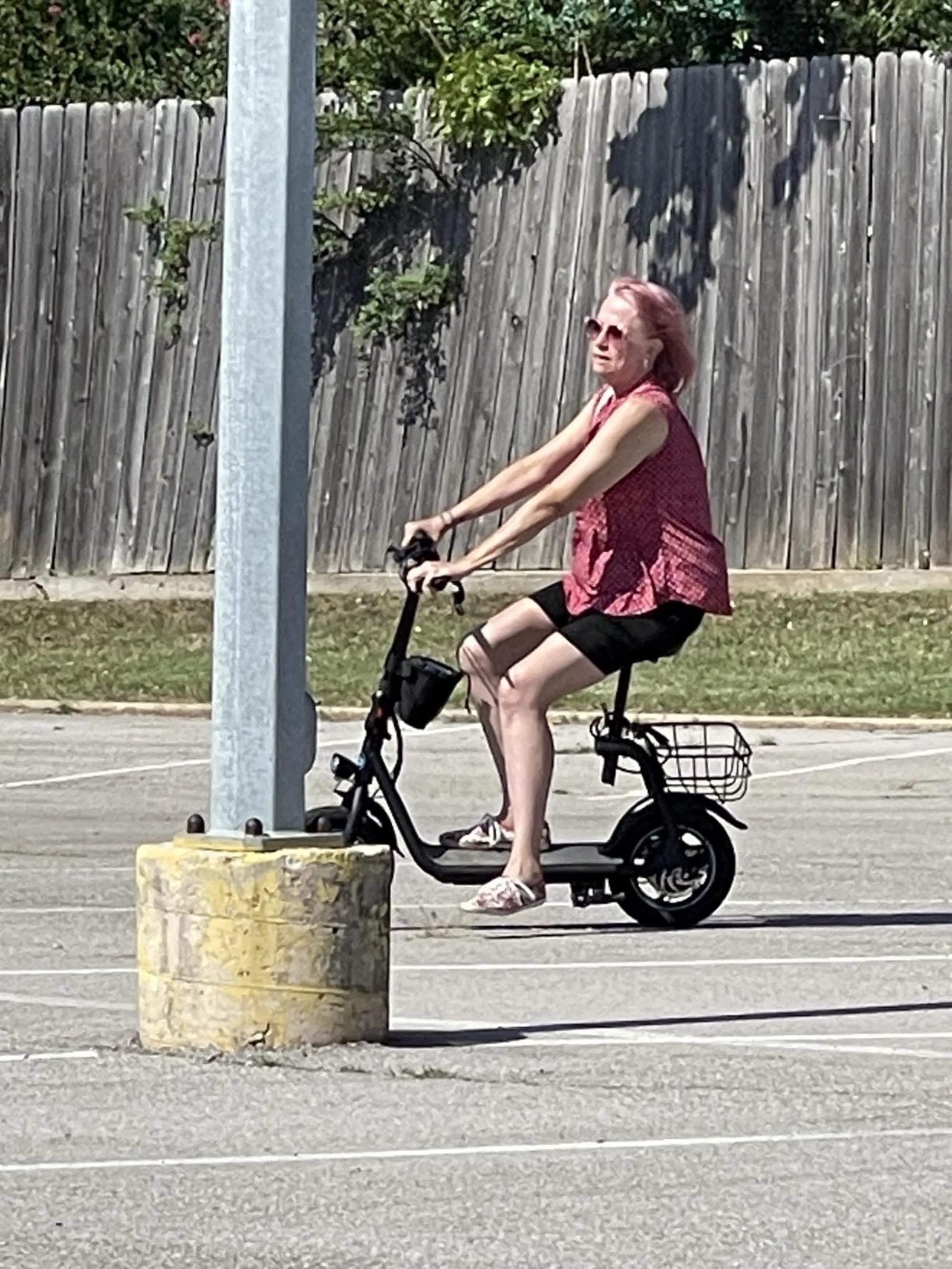
The Rise of the Fast Scooter with Seat: A New Era for Urban Commuting
The quest for efficient, personal urban mobility has evolved beyond the basic kick scooter. A fast scooter with a seat represents a significant leap forward, merging the agility and compact form of a traditional scooter with the comfort and performance required for serious commuting. This isn't merely a scooter with an add-on; it's a purpose-built vehicle designed for adults who need to cover distances of 5 to 20 miles comfortably, reliably, and quickly.
These machines address the critical pain points of standing electric scooters: rider fatigue, instability at higher speeds, and limited practicality for longer journeys. By integrating a proper seat, a robust suspension, and a powerful motor, they create a new category that bridges the gap between standing scooters and electric bicycles. For commuters, errand-runners, and recreational riders, a fast electric scooter with a seat offers a compelling alternative to being stuck in traffic or relying on crowded public transit.
The demand is driven by tangible needs. Riders seek a vehicle that can maintain speeds of 20-30+ mph, provide a comfortable ride over varied pavement, and fold for easy storage in an office or apartment. The inclusion of a seat is not a luxury but a fundamental feature that expands usability, making electric scooters accessible to a wider demographic, including those who may have balance concerns or simply prefer a seated posture for their daily travel.
Brands like Gyroor have recognized this shift, engineering models that prioritize this blend of performance and comfort. With over 100,000 riders trusting their products across North America and Europe, the data shows a clear trend toward more capable, seated personal electric vehicles. This guide will dissect every aspect of choosing and using a fast scooter with a seat, ensuring you make an informed decision for your mobility needs.
Key Features to Look for in a Fast Seated Electric Scooter
Selecting a high-performance seated scooter requires careful evaluation of its core components. Unlike budget toys, these are sophisticated machines where every specification impacts the ride experience, safety, and longevity. Understanding these features is the first step to finding a scooter that won't just meet, but exceed your expectations for daily use.
The foundation lies in a harmonious balance between power, comfort, and durability. A scooter boasting a high top speed is useless if its frame is unstable or its brakes are inadequate. Conversely, a ultra-comfortable ride is undermined by a motor that struggles on hills. We will break down the essential categories you must scrutinize before purchasing.
Power, Speed, and Range: The Performance Trifecta
Motor power, measured in watts (W), is the engine of your scooter. For a fast scooter with a seat capable of carrying an adult rider and tackling inclines, a minimum of 500W is essential. High-performance models often feature 800W to 1000W or even dual motors for exceptional torque and hill-climbing ability. A more powerful motor provides quicker acceleration and sustains speed more efficiently, which paradoxically can help preserve battery range compared to a struggling, underpowered motor.
Top speed is a headline spec, but context is key. Models categorized as fast typically offer speeds between 20 mph and 40 mph. Remember that local laws often restrict electric scooter speeds on public paths and roads, frequently capping them at 20-25 mph. Real-world range is perhaps more critical than top speed. Manufacturer range claims are based on ideal conditions: a light rider on flat, smooth pavement at low speed.
Your actual range will be less. Factor in your weight, frequent stops/starts, hills, use of the higher speed settings, and even ambient temperature. A scooter advertised for 40 miles might reliably deliver 25-30 miles for a 180 lb rider in a hilly city. This is where battery quality is paramount. Gyroor scooters, for instance, utilize UL-certified battery packs tested for over 500 charge cycles, ensuring consistent performance and safety over the vehicle's lifespan.
Built for Comfort and Stability: Frame, Suspension, and Seat Design
The frame is the skeleton. Look for aerospace-grade aluminum or reinforced steel constructions that offer a rigid, wobble-free ride at speed. Foldability is a major advantage for mixed-mode commuting and storage, but the folding mechanism must be robust and secure. A shaky hinge at 25 mph is a serious safety hazard. The deck should be wide enough for occasional standing and provide ample footroom.
Suspension is non-negotiable for a comfortable fast scooter with a seat. Dual suspension systems—combining front and rear springs or hydraulic shocks—absorb vibrations and impacts from cracks, potholes, and uneven surfaces. This protects the rider from fatigue and the scooter's components from excessive wear. The seat itself must be ergonomic, often featuring memory foam padding, and should be height-adjustable to fit riders of different sizes. A proper seat post with a shock-absorbing mechanism further enhances comfort.
Safety and Durability: Brakes, Tires, and Weather Resistance
Stopping power must match the go-power. A combination braking system is ideal. This often includes a front electronic or regenerative brake and a rear mechanical disc or drum brake. Disc brakes generally offer stronger, more consistent stopping performance, especially in wet conditions, compared to drum brakes. Always test the brakes at low speed first to gauge their responsiveness.
Tire choice involves a trade-off. Pneumatic (air-filled) tires provide the best shock absorption and traction but are susceptible to punctures. Solid or airless honeycomb tires eliminate flats but offer a slightly harsher ride. For a fast seated scooter, larger pneumatic tires (10-inch or more) are often preferred for stability and comfort. Finally, consider weather resistance. An IP rating indicates protection against dust and water. An IPX5 rating, like those found on Gyroor models, means the scooter can withstand low-pressure water jets from any direction, making it safe to ride in light rain and through puddles, a crucial feature for a daily commuter.
Fast Scooter with Seat vs. Alternatives: Making the Right Choice
To understand the unique value proposition of a fast scooter with a seat, it's helpful to compare it directly to its closest relatives: the standing electric scooter and the electric bike. Each has distinct strengths and ideal use cases. The following table provides a clear, data-driven comparison across key parameters.
| Feature | Fast Scooter with Seat | Standing Electric Scooter | Electric Bike (E-Bike) |
|---|---|---|---|
| Primary Riding Posture | Seated | Standing | Seated (Bicycle Seat) |
| Typical Top Speed | 20-40+ mph | 15-25 mph | 20-28 mph (Class 1-3) |
| Comfort Over Distance | Excellent | Fair to Poor | Excellent |
| Stability at High Speed | High (Lower CG, Wheelbase) | Moderate | Very High |
| Portability & Storage | Good (Often Foldable) | Excellent (Very Compact) | Poor to Fair (Some Fold) |
| Learning Curve | Low | Low | Low (if you can ride a bike) |
| Typical Use Case | Longer Commutes, Errands, Recreation | Last-Mile, Short Trips | Long Commutes, Exercise, Cargo |
Compared to a Standing Electric Scooter
The most immediate difference is comfort. Standing for a 30-minute commute can be tiring and hard on your joints. A seat transforms the experience, allowing for relaxed, longer rides. Stability is also enhanced. The seated position and generally longer wheelbase of a seated scooter provide a lower center of gravity, making the ride feel more planted and secure, especially when cruising at higher speeds.
This makes a fast scooter with a seat far more accessible to riders who cannot or prefer not to stand for extended periods. The trade-off is usually portability. While many seated models fold, they are often heavier and bulkier than their standing counterparts, making them slightly less convenient to carry on a train or store under a desk. For pure last-mile travel from a subway stop, a standing scooter may suffice. For the entire journey, the seated version wins.
Compared to an Electric Bike (E-Bike)
E-bikes are fantastic vehicles, but they occupy a different space. A fast seated scooter is typically more compact and significantly lighter than most e-bikes. Its foldability is a major advantage for apartment dwellers or those who need to stash it in a car trunk or small office. The scooter's form factor also feels more agile in dense urban traffic and is easier to maneuver on crowded sidewalks when walking it.
Regulation can differ. In many jurisdictions, e-bikes over certain speeds or power outputs may require registration, licensing, or have stricter rules on where they can be ridden. Electric scooters often fall into newer, evolving regulatory categories that can be more permissive, though it is always crucial to check local laws. The e-bike's main advantage is its efficiency for very long distances (30+ miles) and its ability to carry heavier loads or passengers with add-ons like cargo racks.
Practical Applications: Who Benefits Most from a Fast Scooter with a Seat?
Moving from specifications to real-world utility, it's clear that a fast scooter with a seat isn't a niche product. It solves specific problems for a wide range of users. By matching the vehicle's capabilities to user profiles, you can clearly see if this investment aligns with your lifestyle and needs.
The Long-Distance Urban Commuter
This is the primary beneficiary. If your daily commute is between 5 and 15 miles one-way, a car may be expensive and stressful due to traffic and parking. Public transit can be slow and indirect. A fast electric scooter with a seat cuts through traffic, provides door-to-door convenience, and operates at a fraction of the cost of driving.
The seat and suspension make the distance manageable without fatigue. The speed ensures your commute time is competitive or better than alternatives. For mixed-mode commuters, the foldability allows you to easily take it on a bus or train for part of the journey. It eliminates the "last-mile problem" entirely by being the primary mile solution.
The Recreational Rider or Touring Enthusiast
Beyond practical commuting, these scooters are a source of fun and exploration. Recreational riders enjoy touring bike paths, beachfront boardwalks, or large parks. The comfort of a seat means you can explore for hours without discomfort, covering more ground than you could on foot or a standing scooter.
The performance aspect adds to the enjoyment. The acceleration and top speed provide a thrilling yet controlled experience. For enthusiasts, it's about the joy of riding—feeling the wind, enjoying the outdoors, and accessing areas that might be tedious to walk. It's an active leisure activity that is accessible without requiring the high fitness level of a traditional bicycle.
Riders Seeking Accessibility and Ergonomics
This is a critically important application. A fast scooter with a seat opens up personal electric mobility to individuals who might find standing scooters or bicycles challenging. This includes older adults, riders with mild balance issues, or those with knee, back, or joint pain that makes standing or pedaling painful.
The stable, seated position requires less core strength and balance than a standing scooter. It allows these riders to run errands, visit friends, and maintain independence without relying on a car. The ergonomic benefits also apply to any rider seeking to reduce physical strain during their daily tasks, making it a smart choice for long-term usability and health.
Essential Buying Guide and Considerations for Your Purchase
Armed with knowledge about features and use cases, making the final purchase decision requires a strategic approach. This involves prioritizing your personal needs, understanding the total cost of ownership, and navigating the practicalities of ownership, including warranty and local regulations.
Prioritizing Your Needs: Speed vs. Range vs. Portability
You must decide which factor is non-negotiable. Is your main goal a thrilling, fast ride? Then prioritize motor power (1000W+) and a high top-speed rating. Is it to complete a 12-mile commute without anxiety? Then focus on real-world range estimates and a large-capacity, quality battery from a brand like Gyroor that uses UL-certified cells.
Do you live in a walk-up apartment or need to combine it with a train ride? Then weight and foldability become paramount. Compromises are inevitable. The fastest scooter may be heavier. The longest-range battery adds weight. Create a ranked list of your needs (e.g., 1. Range, 2. Comfort, 3. Speed) to filter your options effectively.
Understanding Warranty, Support, and Local Laws
The warranty is your safety net. A reputable brand will offer a comprehensive warranty, typically covering the frame, motor, and battery for at least one year. Gyroor provides a 1-year warranty and has established customer support, which is vital if you encounter an issue. Avoid brands with vague or extremely short warranties, as they may indicate lower-quality components.
Before you buy, research your local and state laws. Regulations for electric scooters vary wildly. Key questions: Is there a minimum/maximum age? Is a helmet required? What is the maximum legal speed on roads or bike paths? Are you allowed on sidewalks? Where can you park it? Knowing these rules will prevent fines and ensure you ride safely and legally. Investing in a quality helmet, gloves, and lights is non-negotiable for safe operation, especially at higher speeds.
Maintenance and Safety Tips for Long-Term Ownership
Owning a performance vehicle requires responsible upkeep. Proper maintenance ensures safety, maximizes lifespan, and preserves your scooter's performance and value. Developing simple habits can prevent major issues and costly repairs down the line.
Regularly inspect your scooter before each ride. This quick check should include tire pressure (for pneumatic tires), brake function, the tightness of the folding mechanism and handlebars, and the condition of the lights. Listen for any new or unusual sounds from the motor or wheels. Keeping the scooter clean, especially after riding in wet or dirty conditions, prevents grime from damaging moving parts.
Battery care is paramount for longevity. Avoid consistently draining the battery to 0%. Try to recharge when it drops to 20-30%. Use only the manufacturer-provided charger. Store the scooter in a cool, dry place, and avoid leaving it fully charged at 100% for extended periods (weeks) if not in use; a 50-80% charge is better for storage. Adhering to the weight limit is crucial for safety and prevents overstressing the motor, battery, and frame.
Safety extends beyond the scooter. Always wear a helmet. Use hand signals to indicate turns. Be hyper-aware of your surroundings—assume cars do not see you. Avoid riding in heavy rain or on icy surfaces, even with a good IP rating. Obey all traffic laws as if you were driving a car. Defensive riding is the single most effective practice for ensuring your safety on a fast scooter with a seat.
Frequently Asked Questions (FAQs) About Fast Scooters with Seats
Q: Do I need a driver's license or registration to ride a fast scooter with a seat?
A: Laws vary significantly by country, state, and even city. In many places in the US, for scooters with a top speed under 20-25 mph, no license is required. For faster models (e.g., over 28 mph), some localities may classify them as motorized vehicles requiring registration. Always check your specific local regulations before purchasing or riding.
Q: How safe is it to ride at high speeds (30+ mph)?
A> Safety at high speed is a function of scooter build quality and rider behavior. A scooter designed for speed will have a stable frame, wide deck, effective dual suspension, and powerful dual braking systems. However, the rider must wear appropriate safety gear (full-face helmet recommended for high speeds), maintain the scooter, and ride defensively. High speed increases the severity of any accident, so caution is paramount.
Q: Can the seat be removed if I want to stand sometimes?
A> On most dedicated seated scooter models, the seat is a permanent or semi-permanent fixture integrated into the frame and post. However, some models are designed with a quick-release mechanism allowing you to remove the seat, effectively converting it into a powerful standing scooter. Check the product specifications for this feature if flexibility is important to you.
Q: What is the true cost of maintenance?
A> Compared to a car, maintenance is minimal. Primary costs include tire replacements (annually or as needed), brake pad changes (every 500-1000 miles depending on use), and occasional suspension service. The largest potential cost is battery replacement after several years (typically 3-5 years with proper care). Using a brand with readily available parts, like Gyroor, helps keep maintenance manageable and affordable.
Q: How does the warranty process work, and what does it typically cover?
A> A standard warranty from a reputable brand covers defects in materials and workmanship. For example, Gyroor's 1-year warranty covers the frame, motor, controller, and battery. If an issue arises, you contact customer support, who will guide you through troubleshooting. If a part is defective, they will typically ship a replacement part to you, and in some cases, may cover labor costs at an authorized service center. Always read the warranty terms carefully before buying.
Conclusion: Embracing a Faster, More Comfortable Ride
The evolution of the electric scooter has culminated in the fast scooter with a seat—a vehicle that genuinely redefines personal urban mobility. It successfully answers the demand for a machine that is swift enough for practical commuting, comfortable enough for extended use, and robust enough to handle daily urban challenges. By choosing a model that balances performance specifications like motor power and range with critical safety features such as dual brakes and a stable frame, you invest in a tool that can transform your daily routine.
This investment is best protected by selecting a brand with a proven track record of quality, safety certifications, and reliable customer support. Brands that prioritize UL-certified batteries, IP-rated water resistance, and comprehensive warranties demonstrate a commitment to rider safety and product longevity. As urban landscapes and transportation needs continue to evolve, a fast, seated electric scooter stands out as a smart, efficient, and enjoyable solution for taking control of your commute and your time.
Ready to experience the perfect blend of speed and comfort? Explore engineering-built models designed for real-world performance and backed by trusted safety standards. Browse the full Gyroor collection at gyroorboard.com to find the fast scooter with a seat that matches your ambition for the road ahead.
What Does Trike Mean? The Complete Guide to Three-Wheeled Mobility
Best Looking Dirt Bike: The Ultimate Guide to Aesthetic Icons