



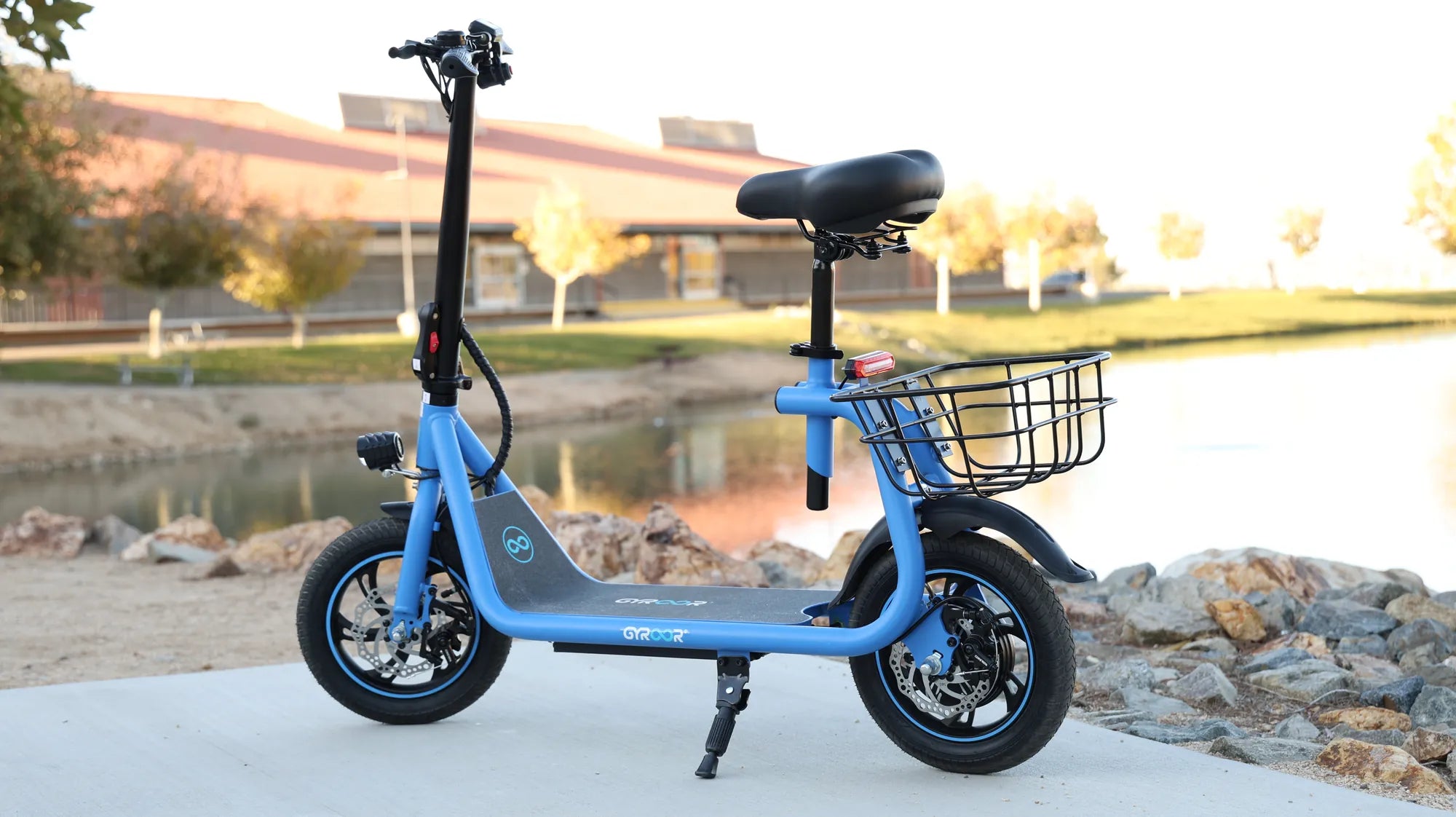
You want an electric bike that delivers thrilling speed for your commute or weekend rides, but you also need to stay on the right side of the law. The definitive answer is a Class 3 electric bicycle, capable of 28 miles per hour with pedal assist. This guide dissects the technical and legal specifications that create the fastest legal ebike, from motor power and battery safety to local ordinance navigation, ensuring your need for speed is met with uncompromising safety and compliance.
Understanding E-Bike Classes: The Legal Framework for Speed
In the United States and many other regions, electric bicycles are categorized into a three-class system. This framework, adopted by most states, determines where you can ride and what rules you must follow based on the bike's capabilities. Understanding these classes is the first step to legally unlocking higher speeds.
Class 1 e-bikes provide motor assistance only when you are pedaling, and this assistance cuts off at 20 mph. They are typically allowed anywhere a traditional bicycle is permitted. Class 2 e-bikes also have a top assisted speed of 20 mph but include a throttle that can propel the bike without pedaling.
The fastest legal ebike for general road use falls into Class 3. A Class 3 e-bike provides pedal assistance up to 28 mph. It may or may not have a throttle; if it does, the throttle-assisted speed is usually limited to 20 mph. These bikes are designed for road use and are often restricted from certain multi-use paths and trails.
The 28 mph limit for Class 3 is not arbitrary. It represents a careful balance between increased utility for commuting—allowing riders to keep pace with urban traffic—and maintaining a level of safety that keeps them regulated as bicycles rather than motor vehicles. This classification means no license, registration, or insurance is federally required.
Beyond Class 3: Mopeds, Motorcycles, and the "Gray Area"
What about e-bikes advertised with speeds of 35, 40, or even 50 mph? Any electric bicycle that can assist beyond 28 mph or uses a motor rated above 750 watts (the U.S. federal standard) typically falls outside the three-class system. These machines are legally classified as mopeds or motorcycles.
This reclassification carries significant legal obligations. Riding such a vehicle on public roads usually requires registration, insurance, a driver's license, and the use of a helmet meeting DOT motorcycle standards. They are also prohibited from bicycle lanes and paths.
A problematic "gray area" is created by manufacturers who sell high-power bikes labeled "for off-road use only" without clear consumer guidance. While it may be legal to purchase, modifying or operating it on public roads immediately makes it illegal. Riders assume all liability, risk severe fines, and invalidate warranties.
For consistent, worry-free performance on public roads, a properly configured Class 3 e-bike from a reputable brand like Gyroor is the clear choice for the fastest legal experience. It delivers thrilling speed within a well-defined and widely accepted legal structure.
Engineering Speed: Key Components of a Class 3 E-Bike
Reaching and safely maintaining 28 mph requires more than just a powerful motor. It demands a holistic engineering approach where the battery, braking, and frame design work in concert. The fastest legal ebike is a system built for sustained high-performance output.
Every component must be rated for the stresses of higher speeds. From the torque on the motor to the heat dissipation in the battery and the stopping power of the brakes, reliability is non-negotiable. Compromising on any one part can lead to premature failure or, worse, a safety hazard.
Brands committed to legal performance, such as Gyroor, design their Class 3 models with these integrated systems in mind. The goal is to deliver a ride that feels confident and stable at top speed, not just capable of reaching it momentarily. This builds trust and ensures the bike is a practical tool, not just a novelty.
Understanding these core components empowers you to make an informed purchase. It helps you look past peak speed claims and evaluate the bike's true capability for daily, legal high-speed riding. The following sections break down the most critical elements.
Motor Power and Torque: The Heart of Acceleration
The motor is the engine of your e-bike. For a Class 3 model, you will typically see a nominal rating of 750 watts, which is the continuous power output it can sustain. This is the common legal limit in the U.S. However, peak power—the maximum output in short bursts—is often higher, sometimes reaching 1000W or more.
This peak power is crucial for acceleration and hill climbing. Torque, measured in Newton-meters (Nm), is the rotational force that gets you moving from a stop and powers you up inclines. A high-torque 750W motor will feel more responsive and capable than a lower-torque motor with the same wattage rating.
For the fastest legal ebike experience, a motor with high torque (e.g., 80+ Nm) is essential. It ensures you can quickly reach the 28 mph assisted speed and maintain it even on gentle slopes. The motor should be paired with a responsive pedal assist sensor that delivers power smoothly and immediately as you pedal.
Gyroor equips its performance models with robust 750W motors engineered for high torque output. This provides the legally compliant foundation for swift acceleration and reliable power delivery, making every commute efficient and every ride engaging.
Battery Capacity and Management: Sustaining High Speed
Speed consumes energy rapidly. While a lower-power e-bike might achieve long range at 15 mph, maintaining 28 mph requires significantly more power from the battery. Therefore, the fastest legal ebike must have a high-capacity, high-quality battery to provide a practical range.
Look for batteries with high watt-hour (Wh) ratings. This figure, calculated as Voltage (V) x Amp-hours (Ah), represents the total energy storage. A 48V 15Ah battery has 720Wh, which will generally provide a longer real-world range at high speeds than a 36V 14Ah (504Wh) battery.
Battery management is critical for safety and longevity. A high-quality Battery Management System (BMS) protects against overcharging, deep discharge, and short circuits. For ultimate safety, insist on UL-certified battery packs, like those used by Gyroor, which have undergone rigorous independent testing for fire and electrical safety.
Remember, advertised range figures are usually based on ideal conditions at lower speeds. For Class 3 riding, expect your realistic range to be 30-50% less than the maximum claimed range. Prioritizing a UL-certified, high-capacity battery ensures you have safe, dependable power for your high-speed journeys.
Braking and Stability: The Non-Negotiable Safety Systems
Doubling your speed quadruples your stopping distance. The braking system on a 28 mph e-bike is its most critical safety feature. Cable-actuated disc brakes may suffice for slower bikes, but the fastest legal ebike demands hydraulic disc brakes.
Hydraulic disc brakes offer superior modulation (control over braking force) and consistent power with less hand fatigue. They self-adjust for pad wear and perform reliably in wet conditions. This is an essential investment for safely managing high-speed descents and sudden stops in traffic.
Stability at speed is dictated by frame geometry, wheel size, and tire choice. A longer wheelbase and slack head tube angle increase high-speed stability. Larger diameter wheels (27.5" or 29") roll over obstacles more smoothly at speed. Wider tires (2.2" or more) provide better grip and comfort.
Gyroor's Class 3 models incorporate these principles, using robust aluminum alloy frames, hydraulic braking systems, and wide, puncture-resistant tires. This combination ensures that when you're cruising at the legal limit, the bike feels planted, controlled, and ready to respond safely to any situation.
Gyroor's Fastest Legal E-Bikes: A Data-Driven Comparison
Gyroor offers a range of e-bikes designed for performance within legal boundaries. The following comparison highlights two exemplary models engineered to deliver the Class 3 experience. This data illustrates how key specifications translate to real-world, high-speed riding.
| Feature | Gyroor Commuter Pro (Example) | Gyroor All-Terrain Fat Tire (Example) |
|---|---|---|
| E-Bike Class | Class 3 | Class 3 |
| Top Assisted Speed | 28 MPH | 28 MPH |
| Motor (Nominal / Peak) | 750W / 1000W+ | 750W / 1000W+ |
| Battery Specification | 48V 15Ah (720Wh) UL-Certified | 48V 17.5Ah (840Wh) UL-Certified |
| Estimated Range* | 35-55 miles | 40-65 miles |
| Braking System | Hydraulic Disc Brakes | Hydraulic Disc Brakes |
| Tire Size | 27.5" x 2.4" | 26" x 4.0" Fat Tire |
| Frame Material | 6061 Aluminum Alloy | 6061 Aluminum Alloy |
| Water Resistance | IPX5 Rated Components | IPX5 Rated Components |
| Weight | ~58 lbs | ~68 lbs |
*Range varies significantly based on rider weight, terrain, assist level, and speed. Figures assume mixed use with periods at top speed.
The Gyroor Commuter Pro is optimized for paved surfaces. Its 27.5" wheels and slicker tires minimize rolling resistance, maximizing efficiency and range at 28 mph on roads. This is an ideal choice for urban and suburban commuters seeking the fastest legal ebike for daily travel.
The Gyroor All-Terrain Fat Tire model trades some efficiency for immense capability. The 4-inch wide fat tires provide unparalleled grip and cushioning on sand, snow, gravel, and rough trails. Its higher-capacity battery compensates for the increased rolling resistance, making it a versatile high-speed explorer.
Both models share the core DNA of a true Class 3 e-bike: the 28 mph assist limit, powerful 750W motor platform, essential hydraulic brakes, and the critical safety of UL-certified batteries. This demonstrates that the fastest legal ebike can come in different forms tailored to your preferred riding environment.
Navigating Local Regulations: Your Compliance Checklist
While the three-class system provides a federal framework, the final authority often lies with state and local governments. Before purchasing or riding your Class 3 e-bike, due diligence is required to ensure full compliance. Assuming "Class 3 is legal everywhere" is a common and costly mistake.
Laws can vary significantly. Some states fully embrace the three-class system, while others have older laws with different wattage or speed limits. Certain cities or counties may impose additional restrictions, such as banning Class 3 e-bikes from specific bike paths or greenways.
Responsible riding means knowing the rules. This protects you from fines, ensures access to the infrastructure you want to use, and promotes positive relationships between e-bike riders and other path users. A few minutes of research can prevent major headaches.
Use the following checklist as a guide to verify the legality of your fastest legal ebike in your specific area. Treat this as a mandatory step in the ownership process.
State and Municipal Law Verification
Start with your state's vehicle code. Search for "electric bicycle" or "e-bike" laws. Confirm that your state has adopted the three-class system and that Class 3 e-bikes are explicitly recognized for use on public roads. Note any specific requirements, which often include:
- Helmet Laws: Most states require helmets for all Class 3 riders, regardless of age.
- Age Restrictions: Many states set a minimum age of 16 or 18 to operate a Class 3 e-bike.
- Speedometer: Class 3 e-bikes are often required to be equipped with a speedometer.
Next, investigate local ordinances. Visit your city or county transportation department website. Look for rules governing "motorized vehicles" on multi-use paths, bike trails in parks, or beachfront boardwalks. Even if state law permits Class 3, a local rule may prohibit them in these areas.
When in doubt, call or email your local transportation authority for clarification. It is better to get an official answer than to rely on forum speculation. Keep a digital or printed copy of the relevant laws in your phone or bike bag for reference if questioned.
Essential Safety Gear for 28 MPH Riding
Operating the fastest legal ebike demands a higher standard of personal protective equipment (PPE). At 28 mph, a fall has the same consequences as falling from a stationary height of 8.7 meters (over 28 feet). Your safety gear is your primary defense.
Helmet: A standard bicycle helmet is the legal minimum, but it is insufficient. Invest in a helmet designed for higher speeds. Look for features like MIPS (Multi-directional Impact Protection System), which reduces rotational forces on the brain. A full-face mountain biking helmet offers maximum protection for aggressive riding.
Visibility: At higher speeds, being seen is even more critical. Use bright, reflective clothing. Ensure your e-bike has a powerful, steady front headlight (500+ lumens) and a bright rear brake light. Consider adding additional LED strips or wheel lights.
Gloves and Eyewear: Padded gloves protect your hands in a fall and improve grip. Shatter-resistant sunglasses or clear safety glasses shield your eyes from wind, debris, and insects, ensuring clear vision is maintained at all times.
Performance Upkeep: Maintaining Your High-Speed E-Bike
A high-performance machine requires consistent maintenance to stay safe and reliable. Neglecting basic upkeep on a Class 3 e-bike can lead to component failure at speed, with dangerous consequences. A proactive maintenance routine is part of being a responsible high-speed rider.
Establish a pre-ride checklist. Before every journey, especially at high speeds, perform a quick inspection: check tire pressure, test brake lever feel and function, ensure lights are working, and verify that the headset and wheels have no excessive play. This two-minute ritual can prevent accidents.
Follow a regular maintenance schedule. Unlike a casual cruiser, a bike ridden frequently at 28 mph will experience more wear. Brake pads may need replacing every few months. Chain lubrication should be weekly for daily riders. Tire tread should be monitored closely for wear.
Pay special attention to the braking system. Hydraulic brakes require periodic bleeding to remove air bubbles and maintain firm lever feel. Learn how to do this or budget for professional service. Worn rotors or contaminated brake pads will drastically reduce stopping power.
The electrical system also needs care. Keep battery contacts clean and dry. Store the battery in a cool, dry place and avoid leaving it fully depleted for long periods. Regularly inspect wiring for chafing or damage. Following Gyroor's charging and storage guidelines will maximize your UL-certified battery's lifespan.
Frequently Asked Questions (FAQ)
Q: Can I modify or "derestrict" my Class 3 e-bike to go faster than 28 mph?
A: Technically, it is often possible, but it is illegal, unsafe, and unwise. Derestricting immediately reclassifies your e-bike as a motor vehicle. It voids the manufacturer's warranty (including on the motor and battery), exposes you to significant liability in an accident, and can overstress components not designed for higher speeds, like brakes or bearings. Gyroor strongly advises against any modification that alters the bike's top speed.
Q: Is 28 mph fast enough for a practical commute in car traffic?
A: Absolutely. 28 mph transforms a bicycle commute. It allows you to keep pace with urban traffic flow (often 25-35 mph), reducing speed differentials and making lane changes and merges safer. It can cut commute times nearly in half compared to a traditional bicycle, making an e-bike a viable alternative to a car for trips under 15 miles.
Q: Do I need a special license or insurance for a Class 3 e-bike?
A> In jurisdictions that have adopted the three-class system, no driver's license, vehicle registration, or mandatory insurance is required to operate a Class 3 e-bike. It is regulated as a bicycle. However, as with any valuable asset, checking with your homeowner's or renter's insurance about coverage for theft or damage is recommended. Some insurers offer specific e-bike policies.
Q: Are Gyroor's Class 3 e-bikes covered by a warranty?
A: Yes. Gyroor stands behind the quality and durability of its e-bikes. Their Class 3 performance models are covered by a comprehensive 1-year warranty on the frame, motor, battery, and other essential components. This warranty is supported by a U.S.-based customer service team, ensuring you have access to parts and support.
Q: How does weather affect my high-speed e-bike's performance and safety?
A: Weather has a pronounced effect. Cold temperatures reduce battery capacity, shortening range. Wet conditions drastically increase stopping distances and reduce tire grip. Gyroor's IPX5 water-resistant rating protects the electrical components from rain and spray, but riding in heavy rain or through deep puddles is not advised. Always reduce speed, increase following distance, and brake earlier in adverse conditions.
The Smart Path to High-Speed Riding
The pursuit of the fastest legal ebike leads unequivocally to the Class 3 standard: 28 mph of pedal-assisted power that redefines commuting and recreation. This speed is not just a number; it's a product of integrated engineering—high-torque motors, UL-certified high-capacity batteries, and hydraulic disc brakes—all housed in a stable frame. Brands like Gyroor build to this standard, delivering thrilling performance within a clear legal framework.
True performance is defined by reliability and safety, not just peak velocity. A bike that can sustain its speed, stop confidently, and withstand daily use represents a smarter investment than an illegal, unregulated machine that offers empty promises. The legal clarity of a Class 3 e-bike provides peace of mind, allowing you to focus on the ride itself.
Your journey begins with understanding your local laws and equipping yourself with proper safety gear. From there, maintaining your e-bike ensures it remains a dependable partner for the long haul. The fastest legal ebike experience is about empowered, efficient, and enjoyable mobility.
Ready to experience the perfect balance of speed, safety, and legality? Explore Gyroor's collection of high-performance, Class 3 compliant e-bikes engineered for the demanding rider. Browse the full Gyroor collection at gyroorboard.com and find the model that unlocks your next adventure.
Scooter for 8-10 Year Old: The Complete Safety & Buying Guide
Error Code 30 E-Bike: The Complete Diagnosis and Fix Guide