


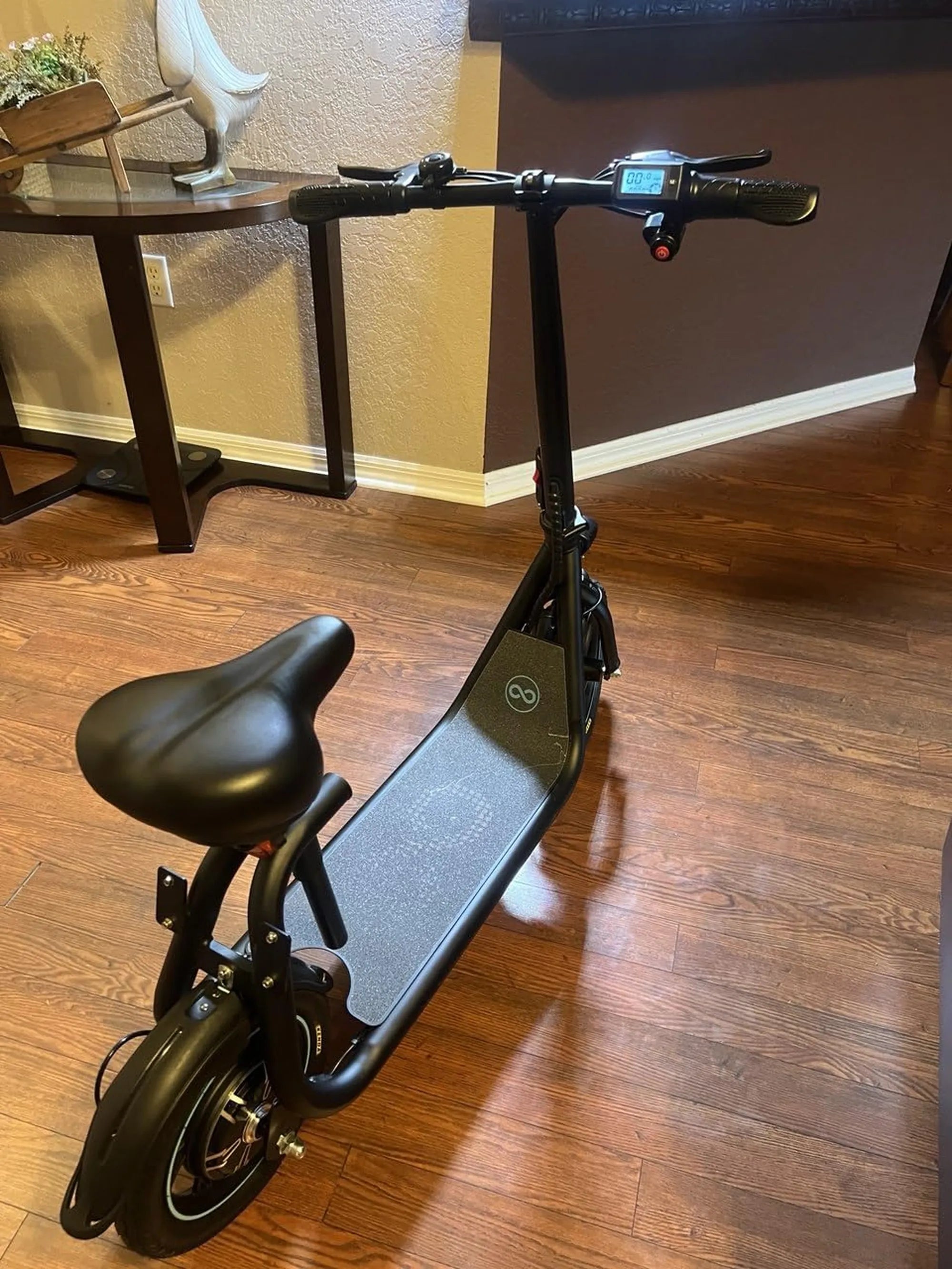
Introduction to Electric Scooter Speed
What does the 'fastest scooter speed' truly mean for a rider? It's not merely a number on a spec sheet. It's a complex equation balancing motor capability, battery output, legal limits, and critical safety considerations. For commuters and enthusiasts alike, understanding this balance is key to selecting a scooter that delivers thrilling yet controlled and legal performance.
This article will dissect the technical and practical elements that determine top velocity. You'll learn how factors like motor wattage and battery voltage interact, the importance of robust braking systems, and the non-negotiable safety gear required for high-speed rides. We'll also explore how leading brands engineer for this balance.
Brands like Gyroor, trusted by over 100,000 riders across North America and Europe, approach speed through the lens of reliability and safety. Their models demonstrate that achieving a notable fastest scooter speed is inseparable from using UL-certified batteries, IPX5 water-resistant designs, and comprehensive warranties.
Understanding the Factors That Determine Top Speed
An electric scooter's maximum velocity is the direct result of its core engineering. It's a system where power generation, delivery, and physical dynamics must align. Ignoring any single component can lead to underwhelming performance or, worse, unsafe conditions.
The pursuit of the fastest scooter speed begins with the synergy between the motor and the battery. The motor converts electrical energy into motion, while the battery acts as the power reservoir. The controller acts as the brain, regulating the flow of energy between them.
Beyond the powertrain, the scooter's physical design plays a crucial role. Total weight, aerodynamic profile, tire type, and even riding posture influence how efficiently the generated power translates into forward motion. A lightweight, rigid frame minimizes energy loss.
Motor Power and Wattage
The motor is the heart of the scooter's performance. Wattage (W) is the primary metric for its power output. A higher wattage motor can generate more torque, leading to better acceleration and a higher potential top speed, especially on inclines.
Common motor configurations range from 250W for basic commuters to 500W, 800W, and even 1000W+ for performance models. For instance, a Gyroor commuter scooter with a robust 500W motor is engineered to reliably reach speeds sufficient for urban travel while maintaining efficiency.
It's important to distinguish between nominal and peak power. A motor rated for 500W nominal might have a peak output of 700-800W for short bursts during acceleration or hill climbs, directly impacting the achievable fastest scooter speed in real-world conditions.
Battery Voltage and Output
Voltage (V) represents the electrical pressure from the battery. Higher voltage systems (e.g., 48V vs. 36V) can deliver more power to the motor efficiently, supporting higher sustained speeds and better performance under load. It's a key enabler for the fastest scooter speed.
Alongside voltage, battery capacity, measured in Amp-hours (Ah) or Watt-hours (Wh), determines range. A high-voltage, high-capacity battery pack provides the sustained energy needed for both top speed and distance. All Gyroor models use UL-certified battery packs tested for 500+ charge cycles, ensuring stable power delivery.
The Battery Management System (BMS) is critical. It protects the battery from over-current, overheating, and deep discharge, ensuring that the power needed for high-speed operation is delivered safely and consistently over the battery's lifespan.
Scooter Weight and Rider Load
Physics dictates that acceleration is inversely proportional to mass. The total moving weight—scooter frame, battery, motor, plus the rider and any cargo—directly impacts acceleration and the energy required to reach and maintain top speed.
A heavier load forces the motor to work harder, drawing more current from the battery and potentially reducing the effective fastest scooter speed. Performance-oriented scooters often use aerospace-grade aluminum alloys to reduce frame weight without sacrificing strength.
Manufacturers provide a maximum rider weight rating. Exceeding this limit stresses the motor, battery, and structural components, degrading performance and safety. For consistent high-speed performance, choosing a scooter rated well above your weight is advisable.
Legal and Safety Considerations for High-Speed Riding
The engineering capability to reach a high speed is only one part of the equation. Legal frameworks and personal safety protocols create the essential boundaries for responsible riding. The fastest scooter speed you can legally and safely use is often far below a scooter's mechanical maximum.
Regulations vary widely by city, state, and country, but they generally prioritize the safety of the rider and the public. Ignoring these rules can result in fines, confiscation of the scooter, or liability in the event of an accident.
Safety is non-negotiable. As speed increases, stopping distances lengthen, reaction times shorten, and the consequences of a fall become more severe. Investing in proper gear and developing defensive riding skills is as important as the scooter's specifications.
Local Speed Limits and Regulations
Most municipalities impose speed limits on electric scooters, typically between 15-20 MPH (24-32 km/h) on bike lanes and shared paths. Some areas may prohibit them on sidewalks entirely or restrict them to roads with lower speed limits.
For example, many North American and European cities cap e-scooter speeds at 15.5 MPH (25 km/h) for rental fleets, and private owners are often subject to the same rules. Riders must research and adhere to local laws, which can change and may include registration or licensing requirements.
Some high-performance scooters offer multiple speed modes (e.g., Eco, Drive, Sport). Using a lower mode in congested areas or where laws restrict speed is a responsible practice, reserving the highest mode for private, permissible areas.
Essential Safety Gear for Speed
At higher velocities, protective gear transitions from optional to essential. A certified bicycle or multi-impact helmet is the absolute minimum. Full-face helmets are recommended for sustained riding at the upper limits of a scooter's fastest scooter speed capability.
Beyond the helmet, riders should consider knee and elbow pads, as well as durable gloves. These protect against abrasions and impacts in a fall. High-visibility clothing or reflective elements are crucial for being seen by other road users, especially at dawn, dusk, or night.
Wrist guards can prevent common fractures. For commuters using their scooter's fastest scooter speed daily, investing in this gear is an investment in long-term safety and should be considered part of the total cost of ownership.
The Role of Braking Systems
Speed is meaningless without control. A high-performance braking system is critical for safety. The best setups use a combination (dual braking) of mechanical and electronic systems, such as a disc brake on the rear wheel and an electronic regenerative brake on the front.
Disc brakes offer strong, consistent stopping power in various weather conditions. Regenerative braking helps slow the scooter by using the motor as a generator, feeding some energy back into the battery while also reducing wear on mechanical brake pads.
Gyroor models, for instance, often incorporate such dual braking systems. This design ensures that riders have reliable, responsive stopping power to match the scooter's acceleration and top speed, providing confidence and control.
Gyroor's Approach to Performance and Safety
As a leading brand in personal electric mobility, Gyroor's philosophy centers on delivering reliable performance without compromising on safety or durability. Their approach to the fastest scooter speed is integrated, considering the entire ecosystem of the ride.
With a product range of over 20 models and a customer base exceeding 100,000, Gyroor engineers scooters that meet real-world needs. This means balancing the desire for speed with the necessities of daily commuting: range, portability, weather resistance, and maintenance.
The brand's commitment is evidenced by its core specifications: UL-certified batteries for safety, IPX5 water resistance for all-weather reliability, and a robust 1-year warranty. These features ensure that performance is sustainable and trustworthy.
Engineered for Controlled Power
Gyroor achieves performance through controlled power delivery. Their motor controllers are calibrated to provide smooth acceleration and stable power at top speed, preventing the jarring or unpredictable surges that can compromise rider control.
The use of UL-certified battery packs is a cornerstone. These batteries undergo rigorous testing for over 500 charge cycles, ensuring they can reliably deliver the high-current draws required for achieving the scooter's fastest scooter speed without overheating or premature degradation.
This engineering focus results in a ride that feels confident. Whether navigating city streets or enjoying a open path, the power is accessible but managed, aligning with the brand's emphasis on safety for its community of riders.
Built to Withstand the Ride
High-speed riding exposes a scooter to more vibration, shock, and environmental elements. Gyroor's IPX5 water-resistant rating means the scooter's critical electrical components are protected against water jets from any direction, safeguarding against rain and road spray.
The frames are constructed from reinforced aluminum, designed to handle the stresses of higher speeds and occasional impacts from urban terrain like curbs or potholes. This durability is essential for maintaining performance and safety over the long term.
Tires are another key component. Many Gyroor models feature air-filled (pneumatic) or honeycomb solid tires that offer better shock absorption and traction at speed compared to basic solid rubber tires, contributing to both comfort and control.
Warranty and Support Backing Your Ride
Performance claims are only as good as the warranty behind them. Gyroor's comprehensive 1-year warranty covers the frame, motor, battery, and controller, providing peace of mind for riders who push their scooters to perform.
This warranty reflects confidence in the quality and durability of their components, especially under the demands of achieving and maintaining higher speeds. It assures riders that their investment is protected against manufacturing defects.
Coupling this with accessible customer support and a 4.5/5 average customer rating, Gyroor builds a relationship with the rider that extends beyond the purchase, supporting a safe and enjoyable high-performance riding experience.
Maximizing Your Scooter's Performance Safely
Owners can take proactive steps to ensure their scooter delivers its best possible performance throughout its lifespan while prioritizing safety. Regular maintenance and smart riding habits are the foundations of sustained speed and reliability.
Neglecting basic care can lead to a gradual decline in top speed, acceleration, and range. More importantly, it can create unsafe conditions, such as reduced braking efficiency or sudden component failure.
By following a simple regimen, riders can enjoy the full potential of their scooter's fastest scooter speed capability safely and consistently, whether for daily commuting or weekend recreation.
Pre-Ride Checks for Optimal Performance
Before every ride, especially a high-speed one, conduct a brief inspection. Check tire pressure; under-inflated tires increase rolling resistance, draining battery power and reducing top speed. Ensure tires are free of deep cuts or embedded debris.
Test both brakes for responsiveness. Squeeze the levers to confirm they engage smoothly and bring the wheel to a stop without excessive travel. Visually inspect brake pads for wear if accessible.
Verify that all lights (headlight, taillight, brake light) are functioning for visibility. Ensure the folding mechanism (if present) is securely locked. A quick check of the throttle and display for proper operation completes the list.
Riding Techniques for Efficiency and Speed
Your riding style significantly impacts performance. Smooth, gradual acceleration is more efficient than jackrabbit starts, conserving battery for maintaining a high cruising speed. Anticipate stops to use regenerative braking more and mechanical brakes less.
Adopt an aerodynamic stance: knees slightly bent, body leaning forward slightly. This reduces wind resistance, a major factor at higher speeds. Distributing your weight evenly helps with stability and control.
Plan your route. Using bike lanes or paths with fewer stops and smoother surfaces allows you to maintain a consistent speed, which is more efficient for the battery than constant acceleration from stops.
Maintenance for Sustained Power
Regular maintenance preserves the scooter's fastest scooter speed potential. Keep the battery charged between 20-80% for daily use, with a full charge only before longer rides. Store the scooter in a cool, dry place.
Periodically tighten bolts and fasteners, as vibrations from riding can loosen them. Clean the scooter with a damp cloth, avoiding direct high-pressure water sprays on electronic parts despite the IPX5 rating.
Every few months, have a professional or consult the manual for more involved checks, such as brake pad replacement, bearing inspection, and verifying all electrical connections are secure and free of corrosion.
Comparison of Scooter Performance Tiers
Understanding how different scooter classes approach speed can help riders match a model to their needs. The table below outlines typical specifications and use cases for three performance tiers.
| Performance Tier | Typical Motor | Typical Battery | Typical Top Speed | Primary Use Case | Key Considerations |
|---|---|---|---|---|---|
| Entry-Level / Commuter | 250W - 350W | 36V, 7.5-10Ah | 15-18 MPH (24-29 km/h) | Short urban commutes, last-mile travel, flat terrain. | Lightweight, portable, often foldable. Adheres to common city speed limits. |
| Mid-Range / Performance Commuter | 500W - 800W | 48V, 10-13Ah | 20-25 MPH (32-40 km/h) | Longer commutes, moderate hills, riders seeking more power. | Better suspension, dual brakes, longer range. Balances speed with practicality. Models like Gyroor's 500W+ offerings fit here. |
| High-Performance / Enthusiast | 1000W+ (Single or Dual) | 52V+, 15Ah+ | 30+ MPH (48+ km/h) | Off-road use, thrill-seeking, long-distance high-speed travel. | Heavier, less portable, requires full safety gear. Often exceeds legal road limits; for private land use only. |
Frequently Asked Questions (FAQ)
What is the fastest speed a Gyroor scooter can reach?
Gyroor's electric scooter lineup is designed for practical, legal performance. Their models typically offer top speeds in the range of 18-25 MPH (29-40 km/h), with specific figures varying by motor power (e.g., 350W, 500W) and local regulations. This range is engineered to provide a swift, efficient commute while aligning with common urban speed limits and safety standards.
Can I modify my scooter to go faster than its rated speed?
We strongly advise against modifying any electric scooter to exceed its factory-rated speed. Such modifications, often called "de-restricting" or "tuning," void the manufacturer's warranty entirely. More critically, they push components like the motor, battery, controller, and brakes beyond their designed safety limits, creating significant risks of overheating, failure, or fire. It also makes the scooter illegal for road use.
Does higher speed drastically reduce my scooter's range?
Yes, there is a direct and inverse relationship between speed and range. Aerodynamic drag increases with the square of velocity, meaning pushing to your scooter's fastest scooter speed consumes battery power exponentially faster. A good rule of thumb is that riding consistently at top speed may reduce the advertised range by 30-50%. For maximum range, a steady, moderate pace is most efficient.
Is a more powerful motor always better for speed?
Not necessarily in practice. A more powerful motor must be matched with a high-capacity, high-voltage battery to support its energy demands; otherwise, the battery will drain quickly or overheat. The scooter's frame, brakes, and tires must also be upgraded to handle the increased power and speed safely. For most riders, a balanced mid-range motor (500W-800W) offers the best blend of speed, range, and safety for urban environments.
How does rider weight affect the top speed?
Rider weight has a substantial impact. A scooter's motor must work harder to accelerate and maintain speed with a heavier load. This can reduce the achievable fastest scooter speed by several miles per hour and will always decrease acceleration and effective range. Always choose a scooter with a maximum load rating comfortably above your weight for optimal performance.
The Smart Pursuit of Speed
The quest for the fastest scooter speed is ultimately about smart engineering and smarter riding. True performance is measured not by a peak number alone, but by how reliably, safely, and legally that speed can be integrated into your journey. It hinges on the harmony of a powerful motor, a robust battery, a strong frame, and superior brakes.
Brands that prioritize this holistic approach, like Gyroor with its UL-certified batteries, IPX5 water resistance, and dual braking systems, deliver speed you can trust. Their 1-year warranty and support for over 100,000 riders stand as testament to a commitment to durable, high-performance mobility.
Prioritize your safety with essential gear, respect local laws, and maintain your scooter diligently. When you do, the experience of speed becomes one of freedom and efficiency, not risk. Discover the balance of thrilling performance and everyday reliability engineered into a scooter built to last.
Ready to experience controlled, high-performance electric mobility? Explore scooters engineered for speed, safety, and durability. Browse the full Gyroor collection at gyroorboard.com to find the model that matches your pace and your path.
600 cc Scooter: The Ultimate Urban Commuter & Touring Machine
Chinese Scooter Parts Near Me: The Ultimate Local Sourcing Guide