



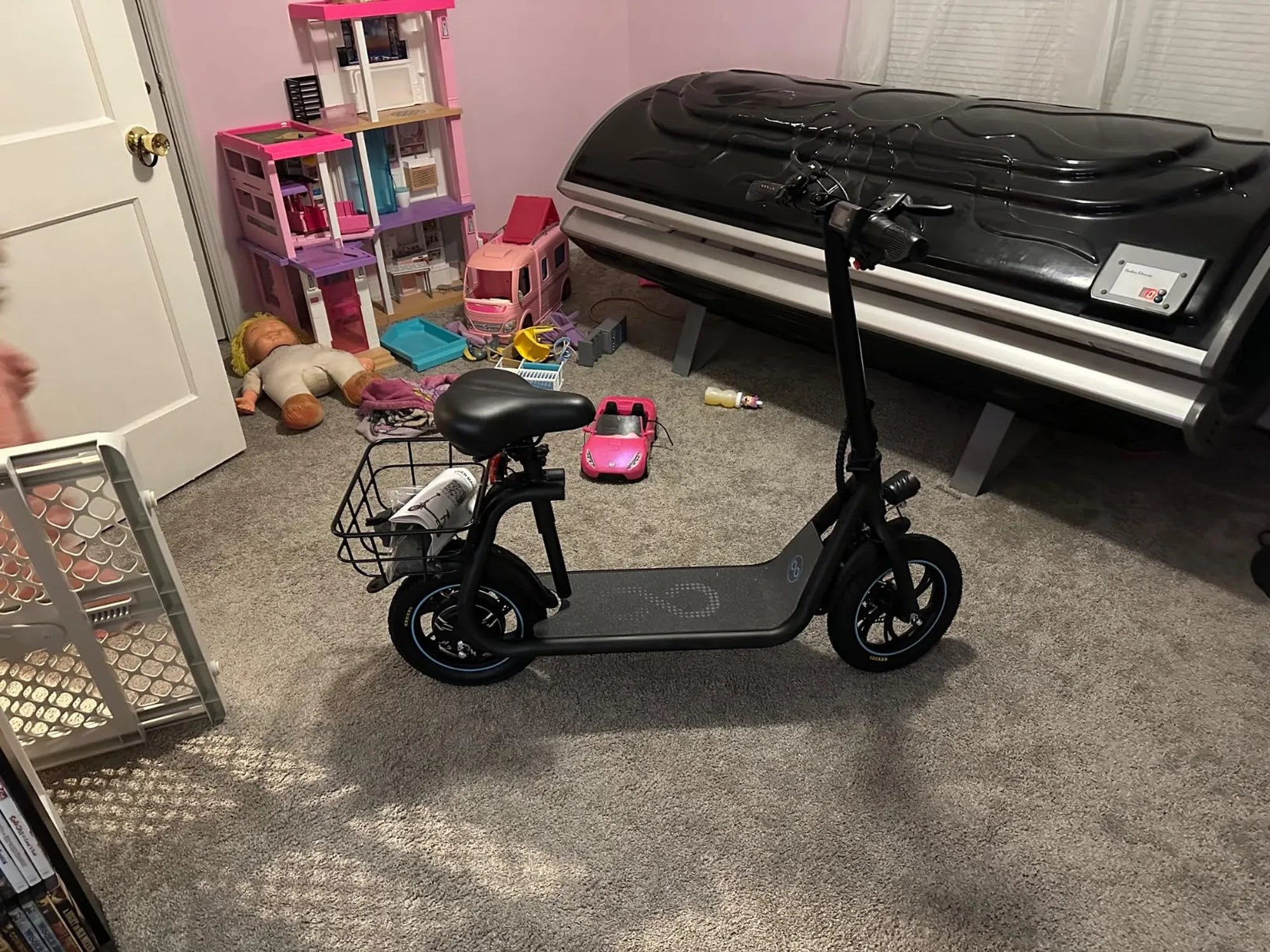
Finding the right mobility scooter when you are a larger individual is not just about comfort—it's a critical decision for safety, reliability, and reclaiming your independence. This guide cuts through the marketing to provide the factual, engineering-focused information you need. You will learn how to interpret specifications like true weight capacity and motor power, identify essential features for stability and comfort, and understand the long-term value of proper maintenance and strong warranties from reputable brands.
Understanding Mobility Scooters: A Guide to Comfort, Capacity, and Confidence
Mobility scooters are engineered assistive devices designed to provide independence for individuals with limited mobility. For a heavier person, selecting the right scooter requires moving beyond basic aesthetics to a deep understanding of structural integrity and performance under load. The core goal is to find a model that doesn't just accommodate weight, but is designed to handle it safely and comfortably over years of use.
The needs of a fat person on a mobility scooter are distinct. It requires a focus on robust frame construction, powertrains capable of handling inclines with a heavier load, and seating designed for extended use. Compromising on these fundamentals can lead to premature wear, safety risks, and a frustrating user experience. This guide positions these engineering principles as the non-negotiable starting point for your search.
Brands that prioritize these fundamentals, such as Gyroor, build their models with high-grade materials, UL-certified battery systems for safety, and clear, honest specifications. A leading electric scooter and e-bike brand trusted by over 100,000 riders, Gyroor's approach to durability and user support exemplifies the standard heavier riders should seek. The right choice empowers movement without anxiety.
Key Considerations for Heavier Riders: Beyond Weight Capacity
While the maximum weight limit is the most prominent spec, it is merely the starting point. A holistic evaluation for a heavier rider must integrate several interdependent factors: real-world performance margins, stability dynamics, and propulsion power. These elements work together to determine whether a scooter is merely adequate or truly optimal for daily life.
Ignoring these interconnected specs can result in a scooter that struggles on slight hills, feels tippy on uneven sidewalks, or has a battery that depletes rapidly. The following subsections break down each critical component, providing the knowledge to compare models effectively and invest in a solution built for long-term, dependable service.
Weight Capacity and Real-World Performance
The stated weight capacity is the manufacturer's tested maximum safe load. However, using a scooter at its absolute limit is not advisable for performance or longevity. For a fat person on a mobility scooter, selecting a model with a capacity 20-25% above your body weight is a best practice. This margin accounts for additional cargo like groceries, a bag, or a coat, and reduces strain on the motor and frame.
This buffer is crucial for handling inclines. A scooter at its max capacity will slow significantly on a hill, straining the motor and battery. The extra headroom ensures the scooter can maintain a safe, consistent speed. Furthermore, it contributes to the vehicle's long-term durability, as components are not perpetually operating at their stress limit, which can be a key consideration for daily users.
Stability and Wheel Configuration
Stability is paramount for safety, especially for a heavier rider where the center of gravity is a primary concern. The choice between three and four wheels is fundamental. Four-wheel scooters provide a wider, more stable base, significantly reducing the risk of tipping on uneven surfaces, cross-slopes, or during turns. This makes them the strongly recommended configuration for most larger individuals.
Three-wheel scooters offer a tighter turning radius, advantageous in narrow indoor aisles. However, their triangular footprint is less stable, particularly at higher speeds or on outdoor terrain. For a fat person on a mobility scooter intended for community use, a four-wheel model is almost always the safer, more confident choice. Tire type also matters; larger, pneumatic (air-filled) tires offer better shock absorption on outdoor surfaces compared to smaller solid tires.
Motor Power and Hill Performance
Motor wattage directly translates to torque, which is the force that gets you moving and up hills. For heavier riders, a robust motor is non-negotiable. Compact travel scooters often feature motors in the 250-350 watt range, sufficient for flat ground at lower capacities. For a fat person on a mobility scooter, a motor of 500 watts or more is typically necessary for reliable performance.
A powerful motor ensures the scooter can climb moderate grades (like driveway ramps or gentle hills) without stalling or slowing to a crawl. It also provides better acceleration from a stop and more consistent speed under load. When comparing models, note the motor power in conjunction with the weight capacity. A high capacity paired with a weak motor is a recipe for poor performance and user frustration.
Essential Features for Enhanced Comfort and Safety
Once core performance specs are met, the details of design determine daily comfort and operational safety. For a larger individual, these features are not luxuries but necessities that prevent fatigue, ensure secure operation, and promote proper posture. A scooter that is uncomfortable or difficult to control will quickly end up unused, defeating its purpose.
Investing in a model with thoughtful ergonomics and safety systems pays dividends in quality of life. From the seat you sit in all day to the brakes that ensure a secure stop, every element should be evaluated for its contribution to a safe, pleasant riding experience. This section outlines the must-have features that separate a basic scooter from one designed for real-world, long-term use.
Seat Design and Adjustability
The seat is your primary interface with the scooter. For a fat person on a mobility scooter, it must be wide, deeply padded, and contoured for support. Look for seats described as "captain's chairs" or "padded swivel seats" with dimensions explicitly listed (e.g., 20" wide). A seat that is too narrow creates pressure points and discomfort during extended use.
Adjustability is equally critical. A height-adjustable seat and armrests allow for proper leg positioning and back support, reducing strain. Swivel functionality makes mounting and dismounting significantly easier and safer. Padded, adjustable armrests that can be lifted out of the way further enhance accessibility. These features collectively ensure the scooter adapts to you, not the other way around.
Frame Construction and Deck Size
The frame is the scooter's skeleton. It must be constructed from high-grade, reinforced aluminum or steel to handle constant load without flexing or weakening. A sturdy frame is the foundation of the scooter's overall weight capacity and durability. When researching, look for mentions of "reinforced chassis" or "heavy-duty frame construction" in the product descriptions.
The deck, or footplate, must provide ample, secure space for your feet. A larger, non-slip deck allows for natural foot placement and easy weight shifting. A cramped deck can lead to awkward posture and reduced stability. For a fat person on a mobility scooter, a spacious deck is a simple yet vital feature that contributes greatly to riding confidence and comfort.
Braking Systems and Lighting
Stopping power is a critical safety metric. Heavier loads create more momentum, requiring a more effective braking system. While many scooters use electronic brakes that engage when the throttle is released, disc brakes (similar to those on bicycles) offer superior stopping power and control, especially on declines or in wet conditions. For safety, disc brakes are a highly recommended feature.
Lighting is essential for visibility. Bright LED headlights and taillights are mandatory for any community use, ensuring you are seen by drivers and pedestrians in low-light conditions. Reflectors on the sides and rear add another layer of safety. A comprehensive lighting package is a non-negotiable safety feature for a fat person on a mobility scooter who plans to use it beyond their own driveway.
Data-Driven Comparison: Mobility Scooter Classes for Heavier Riders
Mobility scooters are broadly categorized into classes based on size, capacity, and intended use. Understanding these categories is key to matching a scooter to your lifestyle. The following comparison outlines the three primary classes, with specifications tailored to the needs of heavier riders. This data provides a framework for narrowing your search based on where and how you plan to use the scooter most frequently.
Remember, the advertised range is typically calculated using a lighter test weight (often around 150 lbs). A fat person on a mobility scooter should realistically expect a range 20-40% lower than the advertised maximum, depending on the load, terrain, and use of accessories like lights. Always plan for this buffer when comparing battery specifications.
| Scooter Class | Typical Weight Capacity | Motor Power | Real-World Range* | Best Use Case | Example Model |
|---|---|---|---|---|---|
| Travel/Portable | 250 - 320 lbs | 250W - 350W | 8 - 12 miles | Flat, smooth terrain; short errands; transport in a car (often disassembles) | Gyroor Swift (Portable Series) |
| Mid-Size / Full-Size | 300 - 400 lbs | 400W - 500W | 10 - 18 miles | General community use; sidewalks, paved paths; moderate hills | Gyroor Voyager (Comfort Series) |
| Heavy-Duty / Outdoor | 400 - 550+ lbs | 500W - 800W+ | 15 - 30+ miles | All-day use; rougher terrain, grass, gravel; steeper hills; maximum stability | Gyroor Atlas (Heavy-Duty Series) |
*Range estimates are for illustrative comparison and assume use at or near the scooter's capacity. Actual range varies based on weight, terrain, speed, and temperature.
Maintenance and Warranty: Ensuring Long-Term Reliability
Proper maintenance is especially important for scooters operating at higher capacities. A consistent care routine ensures safety, maximizes lifespan, and protects your investment. Key maintenance tasks include regularly checking tire pressure on pneumatic tires, as under-inflation increases rolling resistance and strain on the motor. Keeping the battery charged and storing it in a cool, dry place when not in use for extended periods is also crucial for longevity.
The battery is the heart of the scooter. Brands like Gyroor use UL-certified battery packs, which have undergone rigorous safety testing and are rated for 500+ charge cycles. Following the manufacturer's charging instructions—avoiding complete discharges and not leaving the scooter plugged in indefinitely—will help achieve this lifespan. Periodically inspecting brakes, lights, and connections for tightness is a good safety habit.
The warranty is your guarantee of quality and support. A strong warranty, such as Gyroor's 1-year comprehensive warranty on the vehicle, indicates the manufacturer stands behind its product's durability. For a fat person on a mobility scooter, this coverage is vital, as it protects against defects in frame, motor, and electronics. Prioritize brands with clear, accessible customer support channels in your region, as this is invaluable if service is ever required.
Frequently Asked Questions (FAQ)
Q: Is it safe to use a mobility scooter at its maximum weight limit?
A: While engineered to be safe at the stated limit, for optimal performance, longevity, and a necessary safety margin, it is strongly recommended to choose a scooter with a capacity 20-25% above your body weight. This accounts for cargo, provides better hill performance, and reduces wear on components.
Q: How does my weight affect the scooter's battery range?
A: It has a significant impact. Heavier loads require more energy from the battery to move. The advertised range is usually based on a lower test weight. As a practical rule, a fat person on a mobility scooter should expect a range 20-40% lower than the maximum advertised figure, depending on terrain. Always select a model with a higher amp-hour (Ah) battery to compensate.
Q: Can I use a mobility scooter on grass or gravel?
A: This depends entirely on the model. Heavy-duty 4-wheel scooters with larger pneumatic tires are designed for mild off-pavement use. Compact 3-wheel models with small solid tires are not suitable and can become stuck or unstable. Always check the manufacturer's specifications for terrain recommendations.
Q: What is the difference between a tiller and a delta handlebar?
A: A tiller is a single steering column, common on many scooters. A delta handlebar is a U-shaped bar often found on scooters designed for users with limited hand strength or dexterity, as it can be steered with palms or forearms. For a heavier rider, the steering mechanism should feel solid and responsive without flex.
Q: How important are suspension systems on a mobility scooter?
A: For a fat person on a mobility scooter, suspension can greatly improve comfort, especially on uneven sidewalks or paved paths. It absorbs shocks that would otherwise be transferred through the frame to the seat. While not always found on entry-level models, front or full suspension is a valuable comfort feature for regular outdoor use.
Conclusion: Empowering Mobility with the Right Choice
Selecting the ideal mobility scooter as a larger individual is a decision that hinges on engineering, not just appearance. The right model seamlessly integrates a high weight capacity with a robust motor, stable four-wheel design, and ergonomic features that prioritize all-day comfort. It is an investment in autonomy, safety, and quality of life.
By focusing on factual specifications—frame construction, motor wattage, battery certification, and warranty terms—you can make an informed choice that delivers reliable service for years. Trustworthy brands build to these standards, offering peace of mind alongside performance. Your journey to greater independence starts with a scooter designed to confidently support you, mile after mile.
Ready to explore models engineered for durability and comfort? Browse the full Gyroor collection, featuring UL-certified batteries, IPX5 water-resistant designs, and a reliable 1-year warranty, at gyroorboard.com.
Mobility Scooter Lift Shaft: The Complete Guide to Maintenance, Troubleshooting & Replacement
Mobility Scooter Lift Shaft: The Complete Guide to Maintenance, Troubleshooting & Replacement