

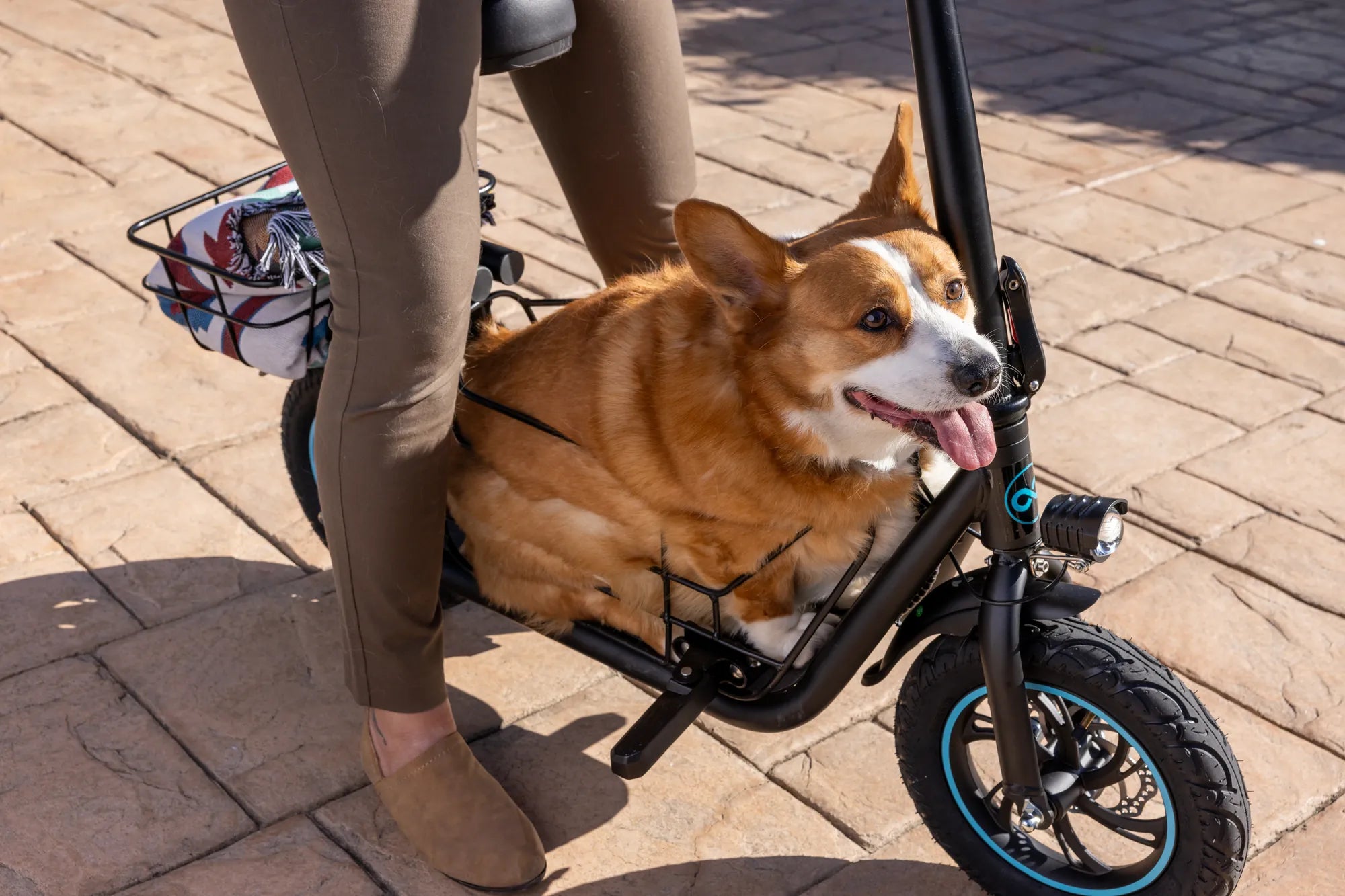
Imagine cruising through Australia's breathtaking landscapes on a powerful, eco-friendly machine that effortlessly conquers sand, snow, and city streets alike. The fat tyre electric trike has emerged as a game-changer for adventurers and commuters alike, combining rugged durability with electric efficiency. Whether you're exploring the Outback or navigating urban sprawl, these three-wheeled wonders deliver an unmatched riding experience.
Why Fat Tyre Electric Trikes Are Dominating Australian Roads
Australia's diverse terrain demands vehicles that can handle everything from beachside paths to mountain trails. Fat tyre electric trikes rise to the challenge with their oversized tyres providing superior traction and stability. The electric assist means you can tackle steep inclines without breaking a sweat, while the trike design offers unparalleled balance for riders of all skill levels.
Key Features That Set Fat Tyre Electric Trikes Apart
These innovative machines boast several standout features:
- Extra-Wide Tyres: Typically 4 inches or wider, these tyres float over soft surfaces like sand and snow while absorbing bumps for a smoother ride.
- Powerful Electric Motors: Ranging from 500W to 1000W, these motors provide ample torque for challenging terrain.
- Long-Lasting Batteries: Modern lithium-ion batteries offer ranges between 50-100km on a single charge.
- Sturdy Frame Construction: Designed to withstand rough conditions while supporting heavier loads.
Ideal Uses for Fat Tyre Electric Trikes in Australia
From recreational to practical applications, these trikes serve multiple purposes:
- Beach Exploration: Ride along sandy shores where traditional bikes would sink.
- Mountain Adventures: Conquer rocky trails with confidence thanks to superior traction.
- Urban Commuting: Navigate city streets with ease, carrying groceries or work gear.
- Accessibility Solution: The stable three-wheel design makes cycling accessible to more people.
Choosing the Right Fat Tyre Electric Trike
When selecting your perfect trike, consider these factors:
- Motor Power: Higher wattage means better hill-climbing ability but may reduce battery life.
- Battery Range: Match the capacity to your typical riding distance.
- Load Capacity: Ensure the trike can handle your weight plus any cargo.
- Suspension System: Full suspension models offer the most comfort on rough terrain.
Maintenance Tips for Long-Lasting Performance
Keep your fat tyre electric trike in top condition with these simple practices:
- Regularly check tyre pressure to maintain optimal traction and efficiency.
- Clean the chain and drivetrain after riding in wet or sandy conditions.
- Store the battery in moderate temperatures to prolong its lifespan.
- Have the brakes and electrical system inspected annually by a professional.
The Environmental and Economic Benefits
Switching to a fat tyre electric trike offers significant advantages:
- Zero Emissions: Electric power means cleaner air and quieter streets.
- Cost Savings: No fuel costs and minimal maintenance compared to motor vehicles.
- Reduced Traffic Congestion: Trikes can access bike paths and require less parking space.
- Health Benefits: Even with electric assist, riding provides low-impact exercise.
Legal Considerations for Australian Riders
Before hitting the road, be aware of local regulations:
- Most states classify electric trikes with motors under 250W as bicycles.
- Higher-powered models may require registration and helmet use.
- Speed limits often apply to electric-assist vehicles on bike paths.
- Some areas restrict motorized vehicles on certain trails.
As the sun sets over another perfect Australian day, picture yourself gliding effortlessly across any terrain on your fat tyre electric trike. These remarkable machines open up new possibilities for exploration, transportation, and pure riding enjoyment. Whether you're chasing adventure or simply seeking a better way to get around, the fat tyre electric trike revolution is here to transform how Australians move.
Electric Trike Scooter Price: What You Need to Know Before Buying
Which Battery Is Best for E-Bike? A Comprehensive Guide