

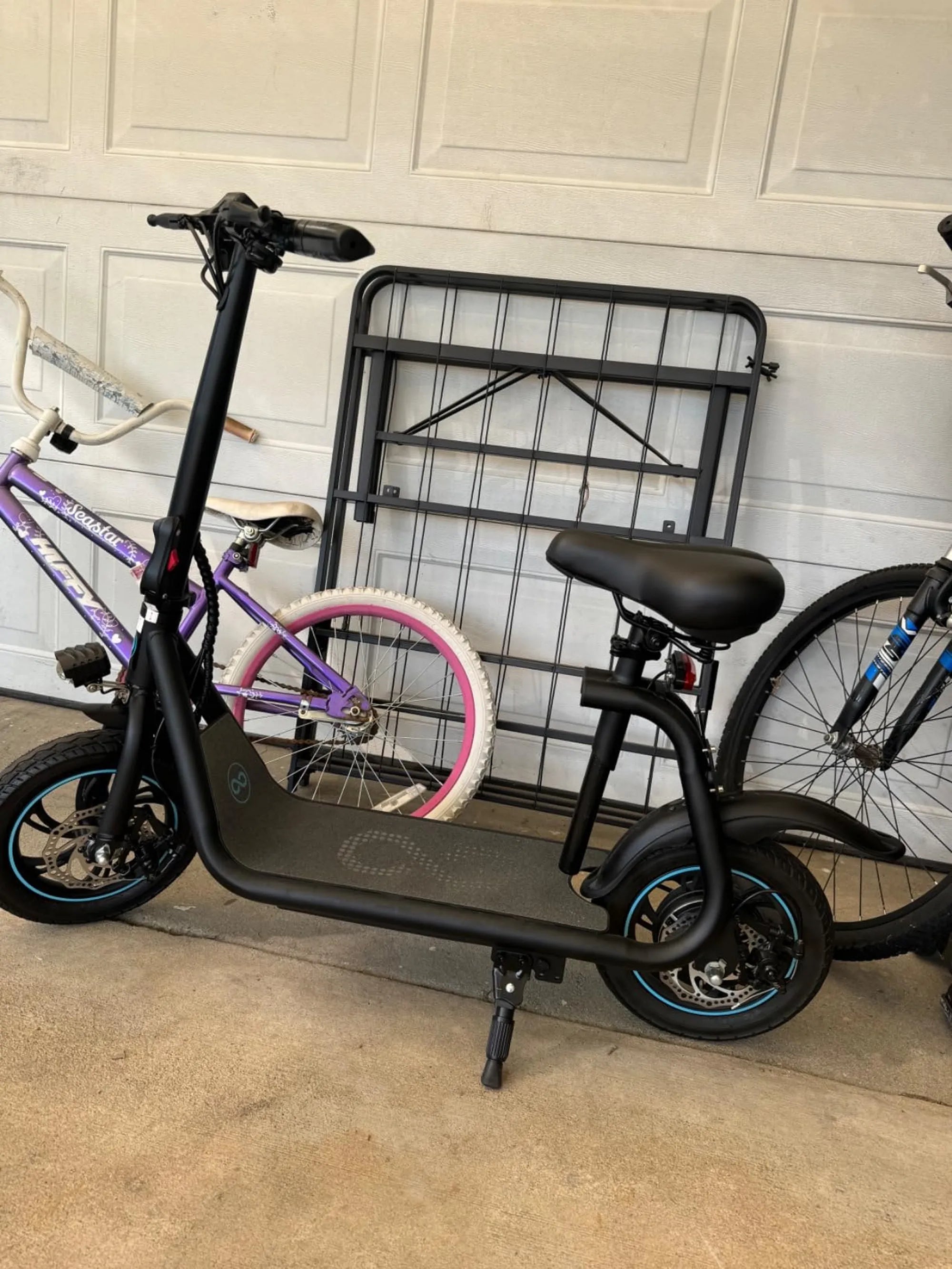
The first ebike marked a turning point in transportation, blending human power with electric assistance to create a smarter, greener way to travel. Imagine a world where commuting no longer meant sweating through your clothes or arriving exhausted—this was the promise of the earliest electric bicycles. From their humble beginnings to their current popularity, ebikes have transformed urban mobility, offering an efficient alternative to cars and traditional bikes alike.
The Origins of the First Ebike
Long before ebikes became a common sight on city streets, inventors were experimenting with electric propulsion for bicycles. The first documented patents for electric bicycles date back to the late 19th century, with early prototypes featuring bulky batteries and rudimentary motors. These pioneering designs laid the groundwork for what would eventually become a global phenomenon.
How the First Ebike Changed Transportation
The introduction of the first ebike challenged conventional notions of cycling. By providing pedal assistance, these bikes made uphill climbs and long distances more manageable, appealing to a broader audience. Commuters, recreational riders, and even delivery services began to see the potential of electric bicycles as a practical solution for everyday travel.
Technological Advancements in Early Ebikes
Early ebikes relied on lead-acid batteries, which were heavy and had limited range. However, as battery technology improved, so did the performance and reliability of electric bicycles. The shift to lithium-ion batteries in later years made ebikes lighter, more efficient, and capable of longer rides, further boosting their appeal.
The Cultural Impact of the First Ebike
Beyond functionality, the first ebike symbolized a shift toward sustainable living. Cities grappling with pollution and traffic congestion saw electric bicycles as a viable way to reduce emissions and ease urban gridlock. Today, ebikes are celebrated not just for their convenience but also for their role in promoting eco-friendly transportation.
The Future of Ebikes: Building on the First Model
As technology continues to evolve, ebikes are becoming smarter, with features like regenerative braking, GPS tracking, and integrated apps. The legacy of the first ebike lives on in these innovations, proving that the fusion of human and electric power was just the beginning of a transportation revolution.
From their experimental roots to their current status as a mainstream mobility option, ebikes have come a long way—and the journey is far from over. Whether you're a daily commuter or a weekend adventurer, the first ebike's legacy continues to inspire a cleaner, more efficient way to explore the world.
250 Dirt Bike for Sale Near Me: Your Ultimate Guide to Finding the Perfect Ride
250 Dirt Bike for Sale Near Me: Your Ultimate Guide to Finding the Perfect Ride