



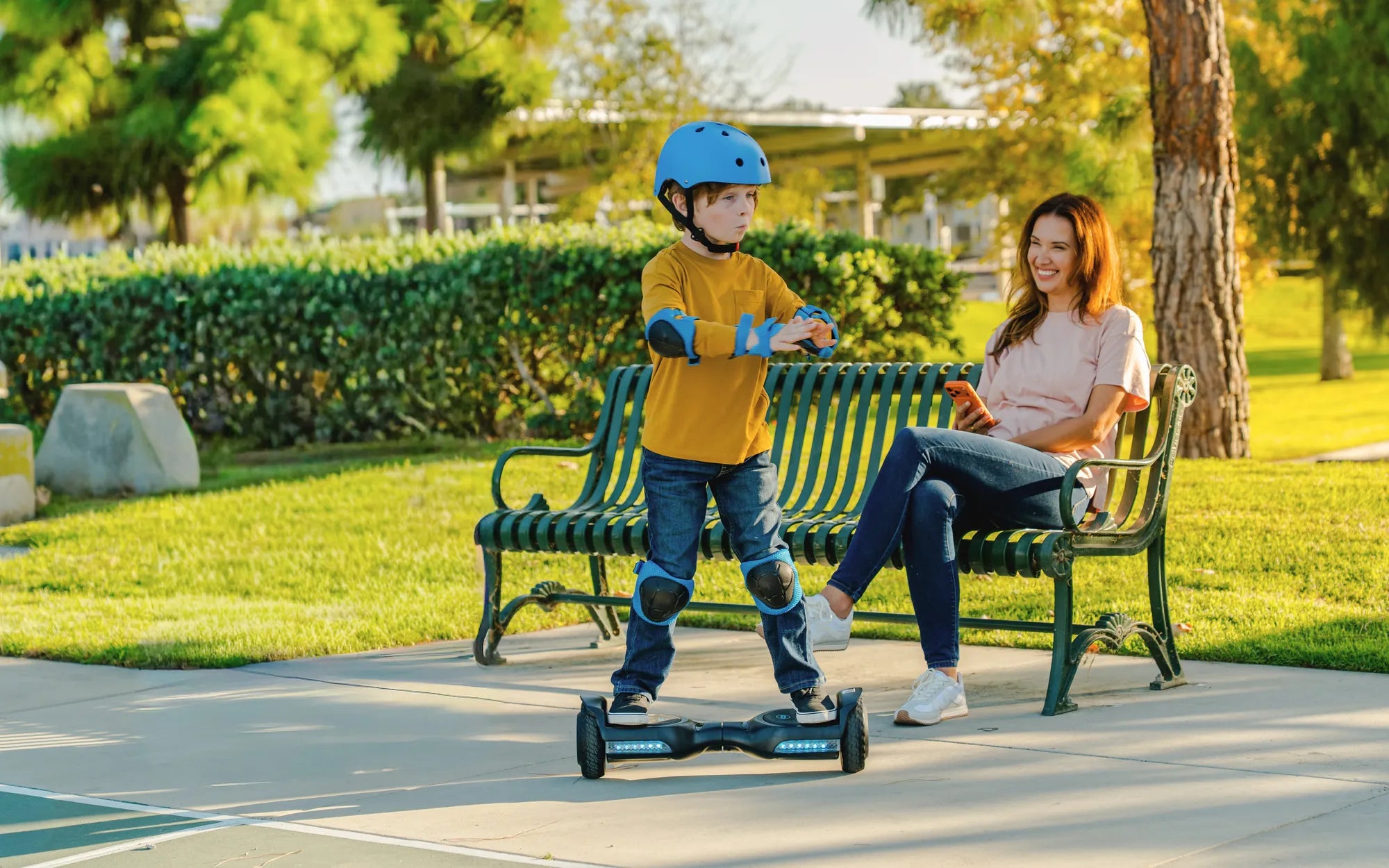
Navigating the last mile of your commute or finding a fun way to explore your neighborhood no longer requires a bulky vehicle. The Flash Wheel hoverboard represents the modern evolution of personal electric transportation, combining sleek design with integrated lighting and intuitive self-balancing technology. This guide will provide you with everything you need to know, from critical technical specifications and safety practices to brand evaluation and riding mastery. You'll learn how to select a reliable model, ride with confidence, and integrate this compact transporter into your daily life.
Introduction to the Flash Wheel Hoverboard
The term Flash Wheel hoverboard specifically refers to a contemporary style of self-balancing scooter characterized by its streamlined design and often, prominent LED wheel lights that create a "flash" effect during motion. It's a core component of the growing Personal Electric Vehicle (PEV) ecosystem. Unlike the bulkier first-generation hoverboards, these models emphasize portability and aesthetic appeal.
They operate on the same fundamental principle: gyroscopic sensors and motors in each wheel detect the rider's subtle lean to control speed, direction, and braking. This hands-free operation offers a unique, immersive riding experience. The integration of bright LEDs isn't just for style; it significantly enhances visibility to pedestrians and vehicles during dusk or night rides, adding a crucial safety element.
The market for these devices has matured significantly since their initial popularity surge. Today's focus is on reliability, safety, and feature-rich designs from established brands. For urban dwellers, students, or recreational riders, a Flash Wheel hoverboard presents a legitimate solution for short-distance travel that is both efficient and enjoyable.
Understanding this product's role is key. It fills the niche between walking and cycling or driving, perfect for trips that are just a bit too far to walk comfortably. Its compact form factor allows it to be carried indoors and stored under a desk, solving the "last-mile" problem that public transport often leaves unresolved.
Why Choose a Flash Wheel Hoverboard? Key Benefits & Use Cases
The decision to adopt a Flash Wheel hoverboard is driven by a combination of practical utility and pure enjoyment. Its primary benefit is unmatched portability for a motorized vehicle. Weighing typically between 20-30 pounds, it can be carried with one hand and stored in minimal space, making it ideal for multi-modal commutes involving buses, trains, or cars.
From a practical standpoint, it is highly efficient for short trips under 5 miles. It eliminates the hassle of parking, requires no fuel, and has minimal operating costs beyond electricity for charging. For students on sprawling campuses or employees navigating large corporate parks, it transforms tedious walks into quick, effortless glides.
The fun factor cannot be overstated. Riding a self-balancing device provides a unique sense of freedom and fluidity. The learning curve, while present, is part of the rewarding experience. Recreational use on paved trails, boardwalks, and in parks is a major draw, offering a novel way to enjoy outdoor spaces.
Specific user scenarios are plentiful. The urban commuter uses it to bridge the gap between the subway station and the office. The college student zips from dormitory to lecture hall. The suburban parent uses it for quick trips to the local store or to accompany children on bike rides. In each case, the Flash Wheel hoverboard adds convenience and saves valuable time.
Flash Wheel vs. Traditional Hoverboards & Electric Scooters
It's crucial to distinguish the modern Flash Wheel hoverboard from its predecessors and alternatives. Compared to older, traditional hoverboards, the flash wheel variant typically features a more robust construction, better battery management systems, and enhanced safety certifications. The aesthetic focus on lighting is also a clear differentiator, moving beyond basic design.
When compared to electric kick scooters, the differences are more pronounced. Electric scooters offer a handlebar for steering and balance, which many find intuitively easier to learn. They often have higher top speeds and longer ranges. However, they are generally less portable when folded, and their ride feel is more mechanical.
The hoverboard, by contrast, offers a hands-free, more organic riding experience that many describe as akin to surfing or snowboarding. Its compact, symmetrical shape makes it easier to carry and store in tight spaces. The learning curve is steeper initially, but the payoff is a uniquely connected feel to the ride.
Your choice ultimately hinges on priority. For maximum portability and a unique, fun ride, the hoverboard excels. For easier initial learning and potentially higher performance specs for longer commutes, a quality electric scooter may be preferable. Brands like Gyroor, a leading electric scooter and e-bike brand trusted by over 100,000 riders, offer products in both categories, allowing users to choose the best tool for their specific needs.
Critical Features to Evaluate Before You Buy
Purchasing a Flash Wheel hoverboard requires careful scrutiny of its specifications. These factors directly determine safety, performance, durability, and overall value. A low price often reflects compromises in these critical areas, which can lead to poor performance or safety hazards.
First, examine the stated certifications. Look for clear mentions of UL 2272 certification for the entire device and UL 2271 for the battery pack. This is the benchmark for electrical and fire safety in North America. Never consider a model lacking these certifications.
Next, assess the build quality. The shell should be made of durable, impact-resistant ABS plastic without sharp seams. The foot pads should be textured and non-slip. The overall unit should feel solid, not creaky or flimsy when lifted. These are indicators of a product built to last.
Finally, consider the feature set that matches your lifestyle. Do you need Bluetooth speaker connectivity? Is customizable LED lighting important? Will you ride in wet conditions, necessitating a high water resistance rating? Creating a checklist based on the following deep-dive sections will guide you to an informed decision.
Motor Power, Range, and Battery Safety
Motor power is typically listed as wattage per wheel, with common ratings being 250W or 350W. Dual 350W motors provide stronger torque for climbing inclines (often up to 15-18 degrees) and more responsive acceleration. For flat urban terrain, dual 250W motors are usually sufficient.
Advertised range is a best-case scenario. Manufacturers test under ideal conditions: a lightweight rider on perfectly flat, smooth pavement at a constant low speed. Real-world range can be 30-40% less. Factor in your weight, terrain, and riding style (frequent acceleration/deceleration) when estimating. A 10-12 mile advertised range often translates to a practical 6-9 miles.
Battery safety is non-negotiable. The battery is the most critical component. Insist on models using brand-name, UL-certified lithium-ion battery packs. These undergo rigorous testing for overcharge, short circuit, and thermal stability. Reputable brands, like Gyroor, use these UL-certified packs tested for 500+ charge cycles, ensuring long-term reliability and peace of mind. Avoid any product with vague or absent battery certification details.
Build Quality, Tires, and Water Resistance
The frame houses all critical electronics. A well-constructed aluminum alloy frame provides strength without excessive weight. Check the weight limit, which typically ranges from 220 to 265 lbs. Exceeding this limit stresses motors and batteries and compromises safety.
Tire choice defines ride comfort and terrain capability. Standard 6.5-inch solid rubber tires are maintenance-free and puncture-proof, best for smooth indoor surfaces or pristine pavement. Larger 8.5-inch or 10-inch tires, especially air-filled (pneumatic), offer far better shock absorption for sidewalks, bike paths, and slightly rougher terrain.
Water resistance is indicated by an IP rating. A rating of IPX4 means it can withstand water splashes from any direction. IPX5, found on many quality models, means it can handle low-pressure water jets, making it safe to ride through puddles and in light rain. Never submerge a hoverboard, regardless of its IP rating.
Smart Features and Rider Aids
Modern Flash Wheel hoverboards often include smart features that enhance the experience. Bluetooth connectivity allows pairing with a smartphone app. Through the app, riders can often lock the board, monitor battery health, adjust LED light patterns, and control a built-in speaker for music.
Rider aids are essential for safety and learning. A beginner or training mode limits the top speed to 4-6 mph, making the initial learning process much less intimidating. Some models feature tilt-back warnings or audible alarms when approaching maximum speed or low battery.
Advanced balancing algorithms contribute to a smoother ride. Look for mentions of "self-balancing technology" or "gyro stabilization." These systems make micro-adjustments thousands of times per second to keep the board stable, especially at lower speeds or when initiating movement.
Navigating Safety and Mastering the Ride
Owning a Flash Wheel hoverboard comes with significant responsibility. It is a personal transportation device, not a toy. Adhering to strict safety protocols protects you and those around you. The first step is acknowledging that accidents can happen, and proper preparation is your best defense.
Familiarize yourself with local laws and regulations. Many cities have specific rules governing where PEVs can be ridden—often on bike paths or sidewalks under a certain speed limit, and prohibited on roads. Riding respectfully around pedestrians is paramount; always yield and maintain a safe, controllable speed.
Your riding environment matters. Start and practice in a wide-open, flat, and smooth area free of traffic, obstacles, and slopes. Parking lots, tennis courts, or empty basketball courts are ideal. Only venture onto public paths once you have complete control over starting, stopping, turning, and dismounting.
Regular maintenance is a safety practice. Keep the board clean, check for loose screws, ensure tire pressure is correct (for pneumatic tires), and listen for unusual sounds from the motors or wheels. Store the board in a cool, dry place and avoid leaving it at full charge for extended periods.
Essential Safety Gear and Pre-Ride Checks
Never ride without appropriate safety gear. A properly fitted bicycle or multi-sport helmet is mandatory. Wrist guards are highly recommended, as falls often involve instinctually putting hands out. Knee and elbow pads provide additional protection, especially for beginners.
Conduct a pre-ride checklist before every session. First, inspect the physical condition: look for cracks in the shell, ensure foot pads are secure, and check that wheels spin freely without obstruction. Verify the tire condition and pressure if applicable.
Next, power on the board and check the battery indicator. Never depart on a low battery, as power can cut out unexpectedly. Ensure the board levels itself properly and that all indicator lights function normally. If your model has an app, check for any firmware updates that may improve performance or safety.
Learning to Ride: A Step-by-Step Guide
1. Mounting: Place the board on flat ground. Power it on. Use a wall, fence, or sturdy chair for support. Place one foot firmly on a footpad. The board may wiggle—this is normal. When stable, quickly but smoothly place your second foot on the other pad. Keep your feet wide, near the wheels, and your body relaxed.
2. Finding Balance: Hold onto your support. Focus on standing upright, distributing weight evenly. Look forward, not down at your feet. The board will try to keep you balanced. Gently shift your weight from your toes to your heels to feel the board's response without moving forward or backward.
3. Moving Forward and Backward: To move forward, ever so slightly lean forward from your ankles (not your waist). To slow down or go backward, lean slightly back. The key is micro-movements. Practice moving a few feet forward and then coming to a complete stop by returning to a neutral, upright position.
4. Turning and Dismounting: To turn, apply gentle pressure forward with one foot while applying slight pressure backward with the other. To turn right, press with your left toe/right heel. Start with wide, gradual turns. To dismount, come to a full stop, then step off one foot at a time, stepping backward off the board, not forward, while looking at your intended stepping point.
Making an Informed Purchase: Brand and Support Considerations
The marketplace is flooded with options, but long-term satisfaction hinges on purchasing from a reputable brand. Established brands invest in research, development, quality control, and customer service. They stand behind their products with clear warranties and accessible support channels.
A brand's reputation is built on user reviews and industry presence. Look for brands with a history of several years in the PEV market, positive feedback on independent review sites, and transparency about their manufacturing and safety standards. A professional website with detailed product information and support pages is a good sign.
Consider the total ecosystem. Does the brand offer replacement parts like tires, batteries, or chargers? Is their app regularly updated? Can you easily find tutorial videos or user manuals? These factors contribute to the product's lifespan and your ability to maintain it.
Price should be viewed as an investment. A slightly higher upfront cost for a model from a trusted brand with UL certifications, a good warranty, and positive reviews will almost always provide better value and safety than the cheapest alternative. It's an investment in reliability and peace of mind.
The Importance of Warranty and Reliable Customer Service
A comprehensive warranty is your safeguard against manufacturing defects. Look for a minimum of a 1-year warranty covering the frame, motors, and battery. Reputable companies, like Gyroor, offer this standard 1-year warranty, demonstrating confidence in their product's durability.
Understand what the warranty excludes. Typically, it does not cover damage from accidents, misuse, water damage (beyond the stated IP rating), or wear-and-tear items like tires. Reading the warranty terms before purchase prevents future misunderstandings.
Reliable customer service is as important as the warranty itself. Test this before buying by sending a pre-sales question via email or chat. Note the response time and quality of information. Post-purchase, you need a responsive team to help with troubleshooting, warranty claims, or sourcing parts.
A brand that makes it easy to get support adds tremendous value to your purchase. It transforms the hoverboard from a disposable gadget into a supported piece of personal transportation equipment.
Flash Wheel Hoverboard Specification Comparison
| Feature | Entry-Level Model | Mid-Range Model | High-Performance Model | Notes & Recommendations |
|---|---|---|---|---|
| Motor Power (per wheel) | 250W | 300W - 350W | 350W+ | 350W+ is best for hills or heavier riders. |
| Max Speed | 7-9 mph | 10-12 mph | 12-15 mph | App-controlled speed limiting is a valuable safety feature. |
| Real-World Range | 5-7 miles | 8-10 miles | 10-13 miles | Dependent on rider weight, terrain, and speed. |
| Battery & Certification | Basic Li-ion | Brand-name Li-ion | UL-Certified Li-ion | UL certification is the safety benchmark. Non-negotiable for serious buyers. |
| Tire Type & Size | 6.5" Solid | 8.5" Solid or Pneumatic | 10" Pneumatic | Larger pneumatic tires vastly improve comfort on rough surfaces. |
| Water Resistance (IP Rating) | IPX4 | IPX5 | IPX5 or higher | IPX5 (like Gyroor uses) is recommended for all-weather reliability. |
| Weight Limit | 220 lbs | 240-265 lbs | 265+ lbs | Always choose a model with a limit well above your weight. |
| Smart Features | LED Lights | Bluetooth Speaker, App Basic | Full App Control, Custom LEDs | App connectivity for diagnostics and settings is a major plus. |
Frequently Asked Questions (FAQ)
Q: How fast do Flash Wheel hoverboards go?
A: Most consumer models have a top speed between 10 and 12 miles per hour. Some high-performance models can reach 15 mph. It's important to note that many have beginner modes that limit speed to around 6 mph for safety during the learning phase. Always obey local speed regulations for sidewalks and paths.
Q: Are they legal to ride on sidewalks and roads?
A: Legality varies dramatically by jurisdiction. In most U.S. cities, they are treated similarly to electric scooters: permitted on sidewalks (often with speed restrictions) and bike lanes, but generally prohibited on public roads. Some states and cities require riders to be a minimum age (often 16+). Always check your specific city and state ordinances before riding in public.
Q: What is the typical weight and age limit?
A: Weight limits are usually between 220 and 265 pounds. It is crucial not to exceed this limit. As for age, manufacturers typically recommend them for riders aged 8 and above, but this is heavily dependent on the child's size, coordination, and maturity. Regardless of age, full safety gear and adult supervision for young riders are mandatory.
Q: How long does the battery take to charge, and how long does it last?
A> A full charge typically takes 2 to 4 hours using the provided charger. Never use a third-party charger. Battery lifespan is measured in charge cycles. A quality UL-certified battery, like those used by reputable brands, can retain significant capacity for 500+ full charge cycles, which translates to several years of regular use with proper care (avoiding full discharges and extreme temperatures).
Q: Can I ride a Flash Wheel hoverboard in the rain?
A> It depends on the model's IP water resistance rating. A rating of IPX4 can handle light splashes. A rating of IPX5 or higher, which is recommended, means the board can withstand water jets from any direction, making it safe for riding through puddles and in light rain. However, no hoverboard is waterproof or submersible. Avoid heavy rain, deep puddles, and always dry the board after wet rides.
Conclusion: Is a Flash Wheel Hoverboard Right for You?
The modern Flash Wheel hoverboard is a compelling choice for efficient, compact, and enjoyable personal transportation. It excels in urban and campus environments for short trips, eliminating the frustrations of traffic and parking. The key to a positive experience lies in prioritizing safety and quality.
Your purchase must focus on verified safety certifications, particularly UL standards for the battery and system. Investing in a model from a reputable brand with a strong warranty and customer support network is investing in long-term reliability. Complement your device with the non-negotiable use of safety gear and dedicated practice time to master the ride.
If your primary needs involve navigating short distances with maximum portability, and you are willing to learn the unique riding technique, a flash wheel hoverboard can be a transformative addition to your daily routine. It represents a blend of practical utility and genuine fun that few other transport options can match.
Ready to explore a range of reliable, safety-certified personal electric vehicles? Browse the full Gyroor collection, including robust electric scooters and e-bikes, at gyroorboard.com. Discover models built with UL-certified batteries, IPX5 water-resistant designs, and backed by a reliable 1-year warranty, trusted by a community of over 100,000 riders.
Christmas Gift Ideas for Teenage Girls: The Ultimate Guide to 2024's Best Presents
Christmas Gift Ideas for Teenage Girls: The Ultimate Guide to 2024's Best Presents