

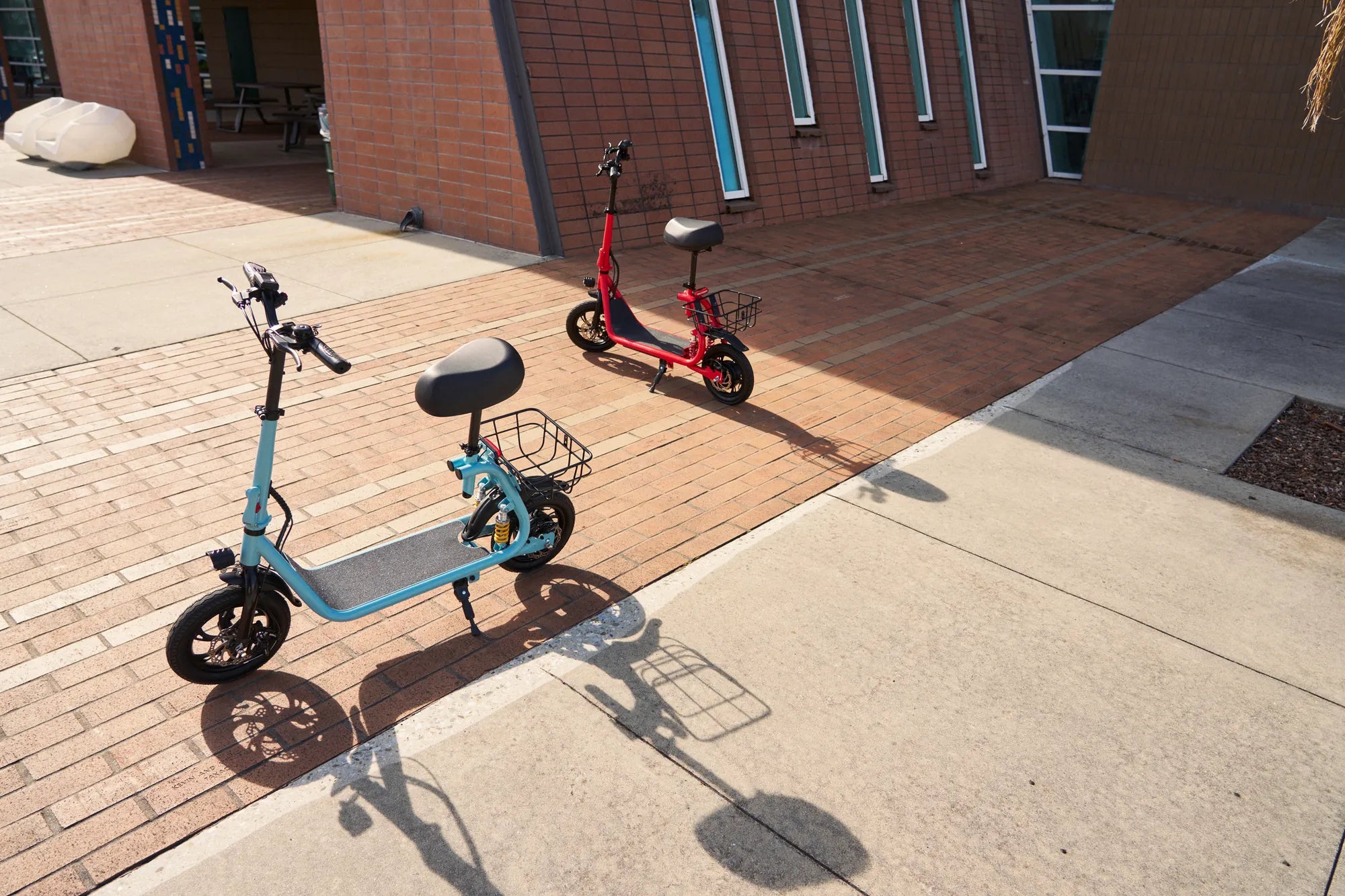
India's urban landscape is undergoing a silent, swift revolution on two wheels. Electric scooters are rapidly moving from niche novelties to mainstream mobility solutions, driven by urgent environmental concerns, soaring fuel prices, and proactive government policy. This shift represents more than just a change in vehicle type; it's a fundamental rethinking of personal and commercial transport for the world's most populous nation. The future of electric scooters in India: trends, challenges, and opportunities is a complex narrative of technological ambition clashing with ground realities, yet pointing toward an inevitable electric transition. This analysis will explore the powerful forces propelling this market, the stubborn roadblocks slowing its pace, and the immense potential waiting to be unlocked, providing a clear roadmap for consumers, policymakers, and industry players alike.
Introduction: The Acceleration of India's Electric Two-Wheeler Revolution
The numbers tell a compelling story. Electric two-wheeler sales in India have surged from mere thousands to over a million units annually in a few short years. This explosive growth is not accidental. It is the direct result of a perfect storm of factors: the government's forceful push through the FAME (Faster Adoption and Manufacturing of Electric Vehicles) scheme, the crushing burden of fuel costs on household budgets, and growing public awareness of urban air pollution. Cities like Bengaluru, Delhi, and Pune are witnessing a visible increase in electric scooters navigating their congested streets, signaling a quiet but decisive shift in consumer behavior. For a global brand like Gyroor, with its expertise in UL-certified batteries and robust designs trusted by over 100,000 riders internationally, this represents a pivotal moment to introduce technology built for global standards to the unique demands of Indian roads.
The Driving Forces: Key Trends Shaping the Future of Electric Scooters
Several interconnected trends are accelerating the adoption of electric scooters in India, moving the market beyond early adopters and into the mainstream consciousness. The conversation is evolving from basic utility to enhanced performance, smart features, and diversified use cases.
Technological Advancements: Beyond Basic Commutes
The core technology of electric scooters is advancing rapidly. We are seeing a decisive move away from lead-acid batteries to higher-energy-density lithium-ion packs, which offer longer range, faster charging, and better longevity. Connectivity is becoming a standard expectation, with Bluetooth-enabled scooters offering app-based diagnostics, anti-theft tracking, and ride analytics. Furthermore, motor power and torque are increasing, making scooters capable of handling steeper gradients and offering better pickup—a critical factor for Indian traffic conditions.
Evolving Consumer Preferences: Performance, Style, and Status
The Indian consumer is becoming increasingly discerning. An electric scooter is no longer just an economical alternative; it is a lifestyle statement. Buyers now seek models that offer a blend of sufficient range (70-100 km per charge is becoming the new benchmark), modern aesthetics, digital dashboards, and ample storage. Brands that can deliver on these aspirational values while maintaining reliability are poised to win. This shift places a premium on design and user experience, areas where established global players have significant expertise.
Expansion into New Use Cases
The application of electric scooters is expanding far beyond the individual office commute. They are becoming the vehicle of choice for hyper-local delivery and e-commerce logistics, offering businesses a way to cut operational costs dramatically. Similarly, electric scooter-sharing platforms are being piloted in several metro cities, aiming to solve the critical first-mile and last-mile connectivity gaps in public transport networks. This diversification is a strong indicator of the product's fundamental utility and economic viability.
Government Thrust: The FAME Initiative and Policy Catalysts
Government intervention has been the single most powerful catalyst for the electric vehicle (EV) market in India. The FAME India scheme, now in its second phase (FAME II), provides direct subsidies to buyers of electric two-wheelers, effectively reducing the upfront cost disparity with internal combustion engine (ICE) vehicles. This financial incentive is crucial for overcoming the initial price barrier.
Beyond the central subsidy, many state governments have rolled out additional incentives, including road tax and registration fee waivers, and even direct cash benefits. Furthermore, the Production Linked Incentive (PLI) scheme for Advanced Chemistry Cell (ACC) battery storage and auto components is designed to boost domestic manufacturing, reduce import dependence, and ultimately lower costs. This policy stack creates a favorable ecosystem for both manufacturers and consumers, directly fueling market growth.
The Infrastructure Hurdle: Solving the Charging Conundrum
While purchase incentives address the upfront cost, the lack of ubiquitous charging infrastructure remains the most significant practical barrier to mass adoption. The challenge is multifaceted and varies greatly across India's diverse urban and semi-urban landscapes.
Home Charging vs. Public Networks
For residents of independent homes or societies with dedicated parking, home charging using a standard 5A/15A socket is the most convenient and cost-effective solution. However, for the vast majority living in apartments or densely packed urban areas without assigned parking, this is not feasible. This demographic is entirely dependent on the development of public charging infrastructure, which is still in its infancy.
The Battery Swapping Debate
Battery swapping has emerged as a promising alternative to fixed-point charging, especially for commercial fleets and in high-density urban areas. This model, where a depleted battery is exchanged for a fully charged one at a swap station in minutes, eliminates range anxiety and downtime. However, it requires significant capital investment, standardization of battery packs across brands (a major hurdle), and a dense network of swap stations to be viable. The government's recent policy push to promote battery-as-a-service (BaaS) models indicates this will be a key area of development.
Consumer Mindset: Overcoming Range Anxiety and Building Trust
Beyond physical infrastructure, psychological and trust-based barriers are equally important to address. The success of the future of electric scooters in India hinges on winning the confidence of the pragmatic middle-class buyer.
Range anxiety—the fear of the battery dying before reaching the destination—is the most common concern. While real-world ranges are improving, transparent communication from brands about tested range under Indian conditions (considering load, traffic, and terrain) is essential. Secondly, consumers are wary of high long-term costs, particularly battery replacement. A typical lithium-ion battery may need replacement after 4-5 years, and its cost can be a significant portion of the scooter's value. This makes comprehensive, long-term warranties and affordable battery replacement programs critical for building trust.
Finally, the perception of build quality and after-sales service is paramount. Indian roads are demanding, and the monsoon season tests water resistance rigorously. Consumers need assurance that their investment is protected. This is where Gyroor's core principles—such as IPX5 water-resistant designs and a reliable 1-year warranty—directly address fundamental Indian consumer concerns about durability and post-purchase support.
The Vast Opportunity: Market Growth and Innovation Frontiers
The potential of the Indian electric scooter market is staggering. Industry projections suggest the sector could grow at a compound annual growth rate (CAGR) of over 40% in the coming decade. The opportunities extend far beyond the saturated metro cities.
Tier 2 and Tier 3 Cities: The Next Growth Frontier
As charging infrastructure improves and awareness spreads, smaller cities and towns present a massive, untapped market. Shorter average commute distances, lower traffic speeds, and a higher propensity for owned parking spaces make these areas ideally suited for electric scooter adoption. Brands that can tailor their distribution and service networks to these regions will reap enormous benefits.
Financing and Ownership Models
Innovation in financing is lowering the entry barrier. Beyond traditional loans, vehicle subscription models and battery leasing options are emerging. These models separate the cost of the vehicle from the battery (the most expensive component), reducing monthly outlays and alleviating battery life concerns. Such creative financial solutions can accelerate adoption among younger, financially flexible demographics.
Beyond Commute: E-Scooters in Commerce and Shared Mobility
The commercial application of electric scooters is a powerful growth engine with a clear and immediate return on investment.
For businesses in food delivery, e-commerce logistics, and courier services, electric scooters slash fuel costs by up to 80% and reduce maintenance expenses. This has led to large fleet orders from companies like Zomato, Swiggy, and Amazon. In the shared mobility space, electric scooter-sharing offers a flexible, clean, and efficient solution for short urban trips. While operational challenges like vandalism and parking management exist, the model holds great promise for integrating with public transit and reducing private vehicle usage in city centers.
Gyroor's Approach: Engineering for Indian Realities with Global Standards
Navigating the future of electric scooters in India requires a product philosophy that balances advanced technology with rugged reliability. Gyroor's approach, honed in markets across North America and Europe, is built on this principle. A primary focus is on safety through the use of UL-certified battery packs, which undergo rigorous testing for over 500 charge cycles and are built to prevent overheating—a critical concern for Indian climates.
Understanding the environmental challenges, Gyroor models feature IPX5 water-resistant construction, ensuring resilience against heavy monsoon rains and dusty conditions. Furthermore, by offering a clear and dependable 1-year warranty, the brand directly tackles the after-sales anxiety that plagues many new buyers in the EV space. This commitment to safety, durability, and customer assurance positions such globally-tested brands as benchmarks for quality in a rapidly growing but still maturing market.
Frequently Asked Questions (FAQ)
Q1: What is the real-world range I can expect from an electric scooter in city traffic?
A: Most modern electric scooters with a 2-3 kWh lithium-ion battery offer a real-world range of 70-100 km per charge under mixed city riding conditions (considering stops, rider weight, and terrain). Always check the certified range and prefer brands that disclose test conditions.
Q2: How long does it take to charge an electric scooter fully?
A: Charging time depends on battery capacity and charger output. A standard home charger (5-6 Amps) typically takes 4-6 hours for a full charge from empty. Some models support fast charging, which can replenish 50-80% in about 1 hour.
Q3: Is it safe to charge an electric scooter in the rain?
A> You should never charge any electrical vehicle in direct rain or with a wet charging port. Always charge in a sheltered, dry area. Scooters with high Ingress Protection (IP) ratings like IPX5 are protected against water jets, but the charging process itself should always be conducted in dry conditions.
Q4: What is the typical lifespan of an electric scooter battery, and how much does replacement cost?
A: A quality lithium-ion battery can last between 3 to 5 years or 800-1000 full charge cycles before its capacity degrades noticeably (around 70-80% of original). Replacement costs currently range from ₹25,000 to ₹40,000, but prices are expected to fall with scale. A strong warranty is invaluable here.
Q5: Are electric scooters suitable for hilly areas?
A: Yes, but you need to choose the right model. Look for scooters with a higher motor power (at least 1500W-2000W) and higher torque (above 80 Nm) for better hill-climbing ability. Check the manufacturer's gradeability rating, which indicates the steepness of incline the scooter can handle with a rider.
Electric Scooter Comparison: Key Considerations for Indian Buyers
| Feature | Entry-Level Commuter | Performance / Premium | Commercial / Fleet Use |
|---|---|---|---|
| Primary Use Case | Short daily commutes (under 20 km/day) | Longer commutes, tech-savvy users, style statement | Delivery, logistics, high daily mileage |
| Typical Range (Claimed) | 60-80 km | 80-120 km | 70-100 km (with swappable batteries) |
| Motor Power | 800W - 1200W | 1500W - 3000W | 1200W - 1500W (focus on durability) |
| Key Features | Basic display, drum brakes, lead-acid or small Li-ion | Digital dash, connectivity, disc brakes, large Li-ion | Rugged build, easy maintenance, battery swapping compatibility |
| Ideal For | First-time EV buyers, students, cost-sensitive users | Professionals, enthusiasts seeking performance & features | Business owners, delivery partners |
| Brand Example (Gyroor) | Focus on reliability, warranty, and essential safety (UL battery) | Focus on power, range, smart features, and premium build (IPX5 rating) | Focus on total cost of ownership, durability, and service network |
Conclusion: Steering Towards a Sustainable and Smart Mobility Future
The trajectory for electric scooters in India is set firmly upward, powered by irreversible trends in policy, economics, and technology. While challenges like charging infrastructure and consumer trust require concerted effort from both the public and private sectors, the opportunities are monumental. The evolution will see electric scooters become smarter, more integrated into urban mobility grids, and essential for commercial efficiency. For the Indian consumer, the future promises not just a cleaner commute, but a more economical, connected, and reliable riding experience. Success will belong to brands and ecosystems that prioritize safety, transparency, and durability above all. The electric two-wheeler is no longer a vehicle of the future; it is the vehicle for India's present, redefining mobility one silent, efficient ride at a time. Explore how advanced engineering meets everyday reliability and browse the full Gyroor collection at gyroorboard.com.
Top Rated Kids Electric Scooters 2025: The Ultimate Guide for Parents
Electric Motorcycles and Scooters Price: Your Guide to Value