

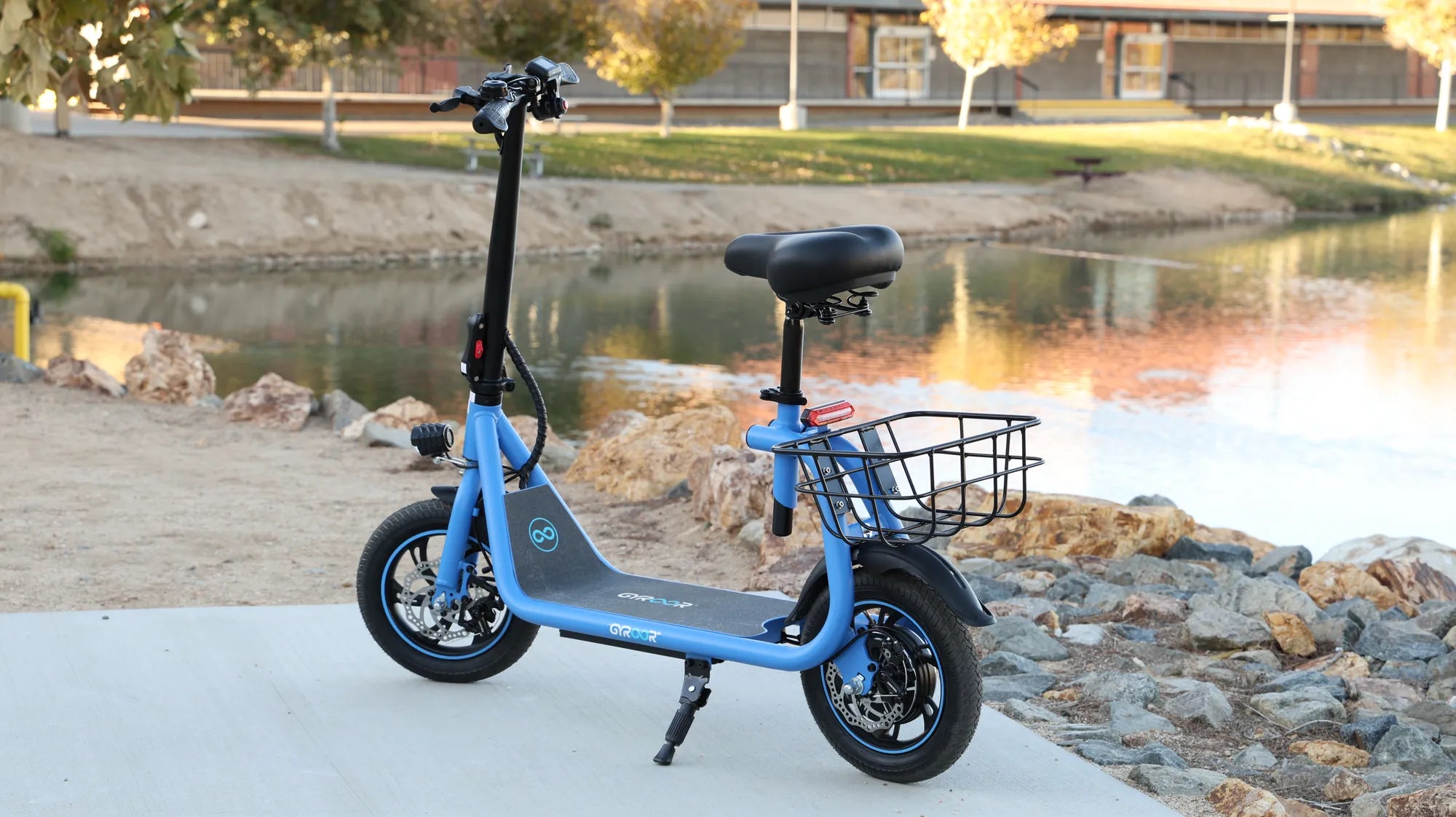
Introduction: Gainesville Embraces a Smarter Commute
Gainesville's transportation landscape is at a turning point. As a vibrant city defined by the University of Florida, a growing tech sector, and sprawling residential areas, residents face daily challenges with parking costs, bus schedules, and traffic congestion.
The emergence of personal electric vehicles offers a compelling alternative. For students, professionals, and residents alike, Gainesville Electric Scooters: The Future of Urban Mobility is not just a slogan—it's a practical reality taking shape on city streets and bike paths.
This article will analyze why e-scooters are uniquely suited to Gainesville's needs, detail the critical features for local conditions, and explore how this mode of transport is reshaping the city's commute. We'll provide data-driven insights to help you choose the right scooter and ride safely and efficiently.
By the end, you'll understand how investing in a quality electric scooter can save you time, money, and stress while contributing to a cleaner, less congested Gainesville.
Why Electric Scooters Are Perfect for Gainesville's Terrain
Gainesville presents a specific set of commuting challenges that electric scooters are uniquely equipped to solve. The city's layout—with a dense urban core surrounded by expansive suburbs—creates a "last-mile" problem for public transit.
Driving and parking in areas like downtown or campus can be expensive and frustrating. The Regional Transit System (RTS) is robust but may not provide door-to-door convenience. Traditional bicycles require significant physical exertion, especially in Florida's heat and humidity.
Electric scooters bridge these gaps effectively. They offer a compact, agile, and fast mode of transport that can navigate bike lanes, multi-use paths, and low-traffic streets with ease. Their portability allows for mixed-mode commutes, such as riding to a bus stop and carrying the scooter aboard.
For a city with Gainesville's relatively flat topography, punctuated by gentle hills near areas like Depot Park or parts of campus, a capable e-scooter provides ample power without the sweat. This makes them ideal for arriving at class, work, or a meeting looking presentable.
The economic argument is equally strong. Compared to the annual cost of a UF parking decal, which can exceed $400, or daily parking fees downtown, a personal electric scooter offers a rapid return on investment while providing unmatched schedule flexibility.
Conquering Campus and Downtown: A Rider's Advantage
For the 50,000+ students at UF, navigating the 2,000-acre campus is a daily task. Traveling from Norman Hall to the Reitz Union can be a 15-20 minute walk but just a 5-minute scooter ride.
This time savings multiplies across a day, freeing up hours each week for study or leisure. Electric scooters eliminate the hunt for a rare bike rack spot and provide a reliable, rain-ready option compared to traditional bicycles.
Downtown professionals benefit similarly. Parking scarcity and cost are major pain points. An e-scooter commute from nearby neighborhoods like the Duckpond or Pleasant Street avoids parking fees entirely and often results in a quicker door-to-door trip than driving during peak hours.
Furthermore, e-scooters integrate seamlessly with Gainesville's existing infrastructure. They are permitted in bike lanes and on many multi-use paths, such as the Hawthorne Trail connector. Riders can also use them for the "last mile" from a park-and-ride lot or a bus stop, maximizing the utility of public transit.
Eco-Friendly Transit Aligns with Gainesville's Green Goals
The City of Gainesville has committed to ambitious sustainability goals, including increasing renewable energy and reducing greenhouse gas emissions. Personal electric mobility directly supports these initiatives.
Electric scooters produce zero direct emissions, helping to improve local air quality. Their energy efficiency is remarkable; they travel significantly more miles per kilowatt-hour than even the most efficient electric car, reducing overall energy demand.
By replacing short car trips—which are often the most polluting due to cold starts—e-scooters contribute to reduced traffic congestion and lower the city's collective carbon footprint. Each scooter on the road represents one less vehicle searching for parking or idling in traffic.
This shift aligns with a broader cultural movement in Gainesville toward sustainable living. Choosing an electric scooter is a tangible, personal action that supports the community's environmental values while delivering immediate practical benefits to the rider.
Key Features to Look for in a Gainesville-Ready E-Scooter
Not all electric scooters are created equal, especially for the specific demands of Gainesville living. A scooter that works well in a controlled test environment may falter under daily use on brick-paved streets, in sudden afternoon thunderstorms, or on longer commutes from suburbs.
Selecting the right model requires a focus on durability, range, safety, and weather resistance. This isn't about finding the cheapest option, but rather the most reliable tool for your daily transportation needs. A failure in one of these key areas can strand you or lead to costly repairs.
The following breakdown details the non-negotiable features for any serious Gainesville commuter. Prioritizing these elements will ensure your investment pays off in years of reliable, safe, and enjoyable service.
We'll also examine how leading brands engineer their products to meet these challenges, providing a benchmark for your purchasing decision.
Battery Range & Power: Matching Your Gainesville Commute
Advertised range is often calculated under ideal conditions: a light rider on a perfectly flat, smooth surface at low speed. Real-world range in Gainesville will be less due to factors like rider weight, frequent starts and stops, and slight inclines.
For a typical campus-only user, a realistic range of 10-15 miles is sufficient for multiple days of riding between charges. For commuters coming from areas like Haile Plantation, Jonesville, or northwest Gainesville, a minimum of 18-25 miles of real-world range is essential for a round trip with a safety margin.
Motor power determines how well the scooter handles Gainesville's gentle hills and accelerates from stops. A 350W motor is a good baseline for most riders, while 500W or more provides confident performance on all local inclines and better stability at higher speeds.
Battery quality is paramount. Look for scooters using name-brand, UL-certified lithium-ion cells. These offer greater longevity (500+ charge cycles is a good standard), more consistent performance, and critically, a much higher safety profile, reducing any risk of battery fire—a key consideration for dorm or apartment charging.
Durability and Water Resistance: Built for Florida Weather
Gainesville's climate is tough on electronics. High humidity, intense sun, and sudden, heavy rain showers are common. A commuter scooter must be built to withstand this environment day after day.
The single most important specification for weather resistance is the IP (Ingress Protection) rating. A rating of IPX5 means the scooter is protected against water jets from any direction, making it resistant to road spray, puddles, and heavy rain. This is a critical feature for any vehicle used as primary transportation in Florida.
Build quality extends to the frame, folding mechanism, and tires. A sturdy, aerospace-grade aluminum frame resists flex and wear. The folding latch should feel solid and secure. For tires, pneumatic (air-filled) tires provide a much smoother ride over Gainesville's uneven brick sidewalks and cracked pavement compared to solid tires, though they require occasional maintenance.
Corrosion-resistant components, such as stainless-steel screws and sealed bearings, further enhance longevity in a humid climate. This durability ensures the scooter remains a reliable asset, not a frequent source of repair headaches.
Safety and Compliance: Riding Responsibly in GNV
Safety is a shared responsibility between the rider and the equipment. A well-built scooter provides the foundational tools for safe operation, which is especially important in mixed-traffic environments.
Essential safety features include a bright front headlight (500 lumens or more) and a rear brake light/taillight for visibility at dusk or dawn. A loud electronic horn or bell is necessary to alert pedestrians and other path users.
The braking system is critical. A combination of a electronic (regenerative) brake and a mechanical disc or drum brake offers balanced, reliable stopping power in both dry and wet conditions. Wide, textured deck tape provides secure footing.
Regarding local regulations, in Gainesville, electric scooters are generally treated as bicycles. They are permitted on streets and in bike lanes. Sidewalk riding is discouraged and can be dangerous for pedestrians; it is often prohibited in business districts. Always wear a helmet, obey traffic signals, and ride defensively. The University of Florida has its own set of rules for micro-mobility on campus, which should be reviewed annually.
Gyroor E-Scooters: Engineered for Reliability in Gainesville
When evaluating e-scooter brands for the demands of Gainesville commuting, Gyroor stands out by directly addressing the core requirements outlined above. As a leader in personal electric mobility trusted by over 100,000 riders, Gyroor designs its products with real-world durability and safety as top priorities.
The brand's philosophy centers on providing robust, feature-complete scooters that serve as dependable daily transportation, not just recreational toys. This focus on reliability is evident in their component selection, manufacturing standards, and customer support structure.
For a Gainesville rider, this translates to a scooter that won't fail during a summer downpour, can handle the commute from the suburbs to campus on a single charge, and is backed by a warranty that ensures long-term value. Let's examine how Gyroor's specific engineering choices meet local needs.
Unmatched Peace of Mind: The Gyroor Warranty and Support Promise
The true test of a product's quality is the confidence the manufacturer has in it, best demonstrated by its warranty. Gyroor offers a comprehensive 1-year warranty on its electric scooters, covering the frame, battery, motor, and electronic components.
This warranty is particularly valuable for students and residents who depend on their scooter for daily transit. Downtime means missed classes or expensive alternative transport. Gyroor's US-based support team streamlines the process for troubleshooting and parts replacement, minimizing disruption.
This support is backed by the use of UL-certified battery packs across their lineup—a non-negotiable safety standard that not all brands meet. For riders storing and charging scooters in dorm rooms or apartments, this certification provides essential peace of mind regarding fire risk.
The combination of a strong warranty and accessible support transforms the scooter from a disposable gadget into a legitimate transportation appliance, making it a wise long-term investment for navigating Gainesville.
Performance Where It Counts: Real-World Testing
Gyroor models are designed to deliver performance that matches advertised specifications in real-world conditions. This means the range estimates account for variables like rider weight and moderate hills, giving Gainesville commuters an accurate picture of what to expect.
Key models in their range feature the essential IPX5 water-resistance rating, ensuring they can withstand a sudden Florida rain shower without damage. Their frames are constructed from reinforced aluminum alloy, tested for durability over thousands of folding cycles and miles of vibration.
Motors ranging from 350W to 500W provide ample power for Gainesville's terrain, offering quick acceleration from stoplights and confident climbing on inclines. The integration of features like dual braking systems, bright LED lighting, and pneumatic tires on several models shows a holistic approach to safety and ride quality.
By focusing on these core performance and durability metrics, Gyroor scooters are built to be a reliable part of a rider's daily life in Gainesville, season after season.
Comparing Your Options: E-Scooter Models for Different Gainesville Lifestyles
Choosing the right scooter depends on your primary use case, commute distance, and budget. The table below compares key specifications for different rider profiles in the Gainesville context.
| Rider Profile | Recommended Use | Key Features Needed | Min. Real-World Range | Importance of IPX5 Rating |
|---|---|---|---|---|
| Campus Student | Class-to-class transport, evening social trips | Portability, lightweight, reliable brakes | 10 miles | High (unpredictable weather) |
| Urban Professional | Downtown commute, errands, weekend use | Comfort, power for hills, premium look | 15 miles | Critical (primary transport) |
| Suburban Commuter | Ride from neighborhoods like Haile to UF/Downtown | Long range, high power, suspension, comfort | 20+ miles | Critical (longer exposure) |
| Recreational Rider | Weekend trails (e.g., Hawthorne Trail), parks | Off-road capability, suspension, large tires | 15 miles | Medium (can avoid rain) |
This comparison highlights that a one-size-fits-all approach doesn't work. A student might prioritize a lighter, more foldable model, while a suburban commuter needs maximum range and durability. The common thread for all Gainesville riders, however, is the need for weather resistance and reliable construction to handle daily use.
Investing in a scooter that matches your most demanding use case ensures it will remain useful as your needs change, providing better long-term value than an under-specified model.
The Future of Mobility in Gainesville: Integration and Growth
The proliferation of personal electric scooters is part of a larger transformation in how Gainesville moves. This shift is moving beyond individual choice and beginning to influence urban planning and infrastructure development.
We can expect to see more dedicated micro-mobility lanes and improved connectivity between bike paths in key corridors. As car dependency decreases in areas like the Innovation District, demand for secure scooter parking and charging stations at major destinations may rise.
Personal e-scooter ownership complements shared scooter services (like those previously piloted in the city) by providing a more reliable, hygienic, and cost-effective option for daily riders. This hybrid ecosystem gives visitors and occasional users flexibility while encouraging residents to invest in their own high-quality vehicles.
The data generated by increased e-scooter use can also help city planners identify popular routes and pressure points, informing future investments in sustainable infrastructure. This creates a positive feedback loop, making the city even more navigable for riders.
Ultimately, the growth of e-scooters supports a vision of Gainesville as a connected, 15-minute city where most daily needs are accessible via efficient, clean, and quiet modes of transport, reducing the strain on roadways and parking facilities.
Frequently Asked Questions (FAQs) About E-Scooters in Gainesville
Q: Can I ride my electric scooter on Gainesville sidewalks?
A: It is generally discouraged and often illegal in business districts. Gainesville ordinances typically classify e-scooters similarly to bicycles, which are meant for the street or bike lane. Sidewalk riding poses a danger to pedestrians and is less safe for you at intersections. Always check current city and university regulations.
Q: How do I safely store and charge my scooter in a dorm or apartment?
A: Always use the manufacturer-provided charger and never leave the scooter charging unattended or overnight. Charge on a hard, non-flammable surface. Ensure your scooter uses a UL-certified battery (like Gyroor models) for enhanced safety. When storing, keep it in a cool, dry place away from direct sunlight or extreme heat, which can degrade the battery.
Q: What's the true cost of ownership compared to a parking pass or bus fare?
A: A quality scooter ($500-$1000) may seem like an upfront investment, but the math is compelling. A UF student parking decal costs $400+/year. Downtown parking can be $5-$10/day. A scooter pays for itself in one or two semesters. Operating costs are minimal—a few cents per charge. Buses are affordable but lack door-to-door convenience and fixed schedules.
Q: Are Gyroor scooters compliant with local regulations?
A: Yes. Gyroor scooters are designed as personal electric vehicles with top speeds that align with typical local e-bike and micro-mobility laws (often capped at 20 mph on bike paths). They include required safety features like lights and brakes. It is always the rider's responsibility to obey local speed limits and traffic laws.
Q: How does the Florida heat affect my e-scooter's battery life?
A: Heat is the enemy of lithium-ion batteries. Prolonged exposure to direct sun or storage in a hot car can accelerate capacity loss. To maximize battery lifespan: avoid charging immediately after a hot ride, store your scooter indoors when possible, and try not to deplete the battery completely before recharging. Quality batteries with proper thermal management (like those from Gyroor) handle heat better.
Q: Do I need a helmet or license to ride in Gainesville?
A: Florida state law does not currently require a driver's license for electric scooters. However, a helmet is strongly recommended for all riders and is required by law for those under 16. Given that head injuries are the most serious risk in any fall, wearing a certified bicycle helmet is the single most important safety practice for any rider, regardless of age.
Conclusion: Your Gainesville Commute, Reimagined
The evidence is clear: Gainesville Electric Scooters: The Future of Urban Mobility is a present-day reality. They offer a tailor-made solution for the city's unique blend of academic energy, urban growth, and environmental commitment.
By choosing a scooter built for durability, range, and safety—with non-negotiable features like IPX5 water resistance and UL-certified batteries—you invest in more than a gadget. You invest in time regained, money saved, and a personal contribution to a less congested, more sustainable city.
Brands like Gyroor have risen to the forefront by engineering specifically for this reality, backing their products with warranties that guarantee reliability. The future of getting around Gainesville is electric, personal, and smart.
Ready to transform your daily commute? Explore scooters designed to handle everything Gainesville throws at them. Browse the full Gyroor collection at gyroorboard.com and find the model that powers your move.
Are Electric Scooters Legal on British Roads? The Complete Guide
Are Electric Scooters Allowed on Buses NYC? What You Need to Know for a Seamless Commute