



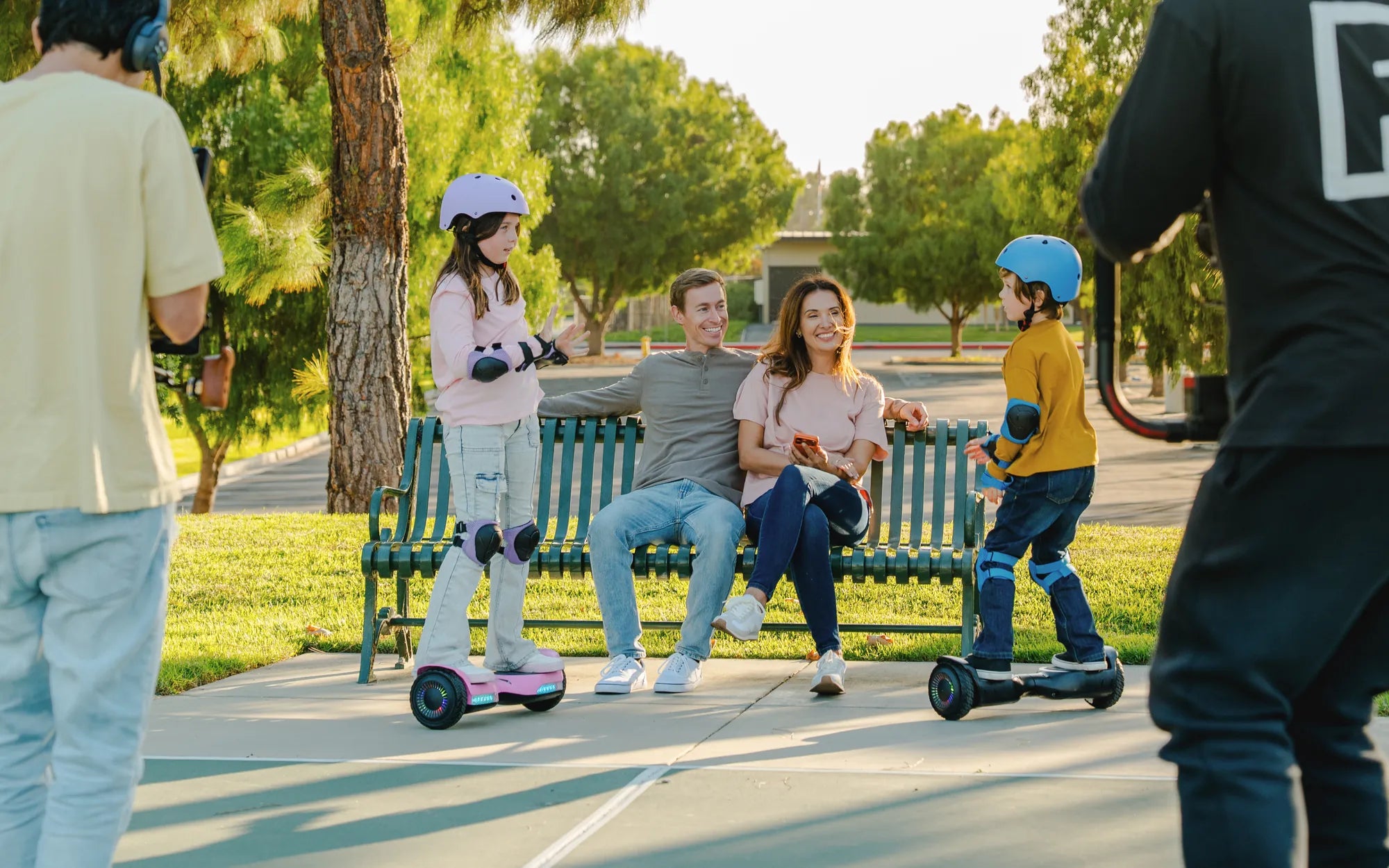
Choosing a scooter for your child is about more than just picking a fun toy. It's an investment in their independence, physical activity, and safety. With so many options on the market, identifying truly good scooter brands for kids can feel overwhelming for any parent. This guide cuts through the noise, focusing on the critical factors that separate a safe, durable ride from a potential hazard. We'll explore the non-negotiable safety features, explain technical specs in plain language, and provide a clear framework for selecting a scooter that matches your child's age, skill level, and your peace of mind. The goal is to empower you with the knowledge to choose a brand that prioritizes certified safety and robust construction, ensuring every ride is both thrilling and secure.
Why Choosing the Right Kids' Scooter Brand Matters
The scooter your child rides becomes an extension of their play and exploration. A poorly constructed model can lead to frustrating breakdowns, safety incidents, and a loss of confidence. Conversely, a well-designed scooter from a reputable brand fosters skill development, outdoor activity, and responsible independence.
Good scooter brands for kids understand that their primary customer is a parent, not just the child. They engineer products with dual priorities: delivering exhilarating fun for the rider and providing tangible safety assurances for the guardian. This means transparent specifications, adherence to recognized safety standards, and durable components that withstand the rigorous demands of youthful use.
Beyond immediate safety, the right brand choice impacts long-term value. A scooter built with quality materials and a reliable motor and battery system will have a longer lifespan, potentially serving your child through multiple growth stages or being passed down to a sibling. It also reduces maintenance headaches and unexpected repair costs, making the initial investment more worthwhile.
Brands like Gyroor, a leading electric scooter and e-bike brand trusted by over 100,000 riders across North America and Europe, exemplify this approach. By focusing on UL-certified batteries, IPX5 water-resistant designs, and a reliable 1-year warranty, they build products where safety and durability are foundational, not an afterthought. This guide will use such benchmarks to help you evaluate all options.
Key Safety Features Every Parent Must Look For
Safety is the paramount concern when selecting any vehicle for a child. A good scooter brand integrates multiple layers of protection into its design. These features work together to prevent accidents, minimize injury risk, and give the rider control appropriate to their skill level.
The braking system is the most critical safety component. Look for models with a dual-brake system, typically combining a rear fender brake (engaged by stepping down) and a hand-operated electronic or disc brake. This redundancy ensures that if one method fails or is less intuitive for the child, a reliable backup exists. Progressive braking, which allows for smooth deceleration rather than abrupt stops, is also a sign of thoughtful engineering.
Stability is engineered through the wheelbase and deck design. A wider wheelbase (the distance between the front and rear axles) and a broad, textured deck provide a stable platform, reducing wobble at speed and during turns. The deck surface should have a pronounced, non-slip grip tape or pattern to keep feet securely planted, even when the deck is wet.
For electric models, speed control is essential. The best kids' scooters feature multiple speed modes (e.g., Beginner, Eco, Sport) that can be locked with a parental PIN. This allows you to start your child at a very low speed (e.g., 5-7 mph) and gradually increase the limit as their proficiency and judgment improve. A built-in speed limiter is a non-negotiable feature for younger riders.
The Importance of UL-Certification and Build Quality
When it comes to electric scooters, the battery and electrical system are the heart of the product—and a potential source of risk if poorly made. UL (Underwriters Laboratories) certification is the gold standard for electrical safety. A UL-certified battery pack has undergone rigorous independent testing for hazards like overcharging, short-circuiting, thermal runaway, and impact damage.
Brands that use these certified components, which are tested for 500+ charge cycles, demonstrate a commitment to preventing fire and failure risks. This certification should be explicitly stated in the product specifications, not just implied. It's a baseline requirement for any electric scooter you allow your child to ride and charge in your home.
Build quality extends to the physical frame. Aircraft-grade reinforced aluminum alloy is a common marker of a sturdy yet lightweight frame. Inspect product images for clean, robust welding at stress points like the stem and deck junction. The folding mechanism, if present, should have a secure locking latch that cannot accidentally disengage during a ride.
The overall sturdiness determines how well the scooter handles the inevitable bumps, curb nudges, and minor jumps of active play. A flimsy frame or poorly secured components will loosen over time, creating rattles, alignment issues, and ultimately, unsafe riding conditions. Good scooter brands for kids prioritize over-engineering for durability.
Top Scooter Brand Considerations: Balancing Performance and Peace of Mind
Evaluating brands requires looking at a holistic picture beyond a single model's specs. A trustworthy brand supports its products with clear policies, responsive service, and a track record of satisfied customers. This ecosystem is what delivers long-term peace of mind.
First, scrutinize the age and weight recommendations. A scooter designed for a 14-year-old will have very different power and size characteristics than one for an 8-year-old. Adhering to these limits is crucial for safety and performance. The maximum weight capacity should have a comfortable buffer above your child's current weight to account for growth and the weight of a backpack.
Performance specs should match intended use. For family outings, battery range is key. Look for a realistic range estimate (often provided for a specific weight and speed mode) that allows for a full park session without anxiety. Motor power, measured in watts, determines hill-climbing ability and acceleration. A 250W motor is sufficient for most kids' needs, while teens might benefit from 350W or more for moderate inclines.
The warranty and support structure is a brand's promise. A comprehensive 1-year warranty that covers the frame, motor, battery, and controller indicates confidence in the product's longevity. Equally important is accessible customer support—whether via phone, email, or chat—and the availability of replacement parts like tires, brakes, and chargers. A brand with a strong presence in your region will typically offer better support logistics.
Why Water Resistance (IP Rating) is a Game-Changer for Kids
Children don't check the weather forecast before heading out to play. A scooter that can only be used on perfectly dry days is a scooter that will spend a lot of time in the garage. Water resistance, measured by an IP (Ingress Protection) rating, is a practical feature that greatly expands usability and durability.
An IPX5 rating, commonly found on quality models, means the scooter's electrical components are protected against water jets from any direction. In real-world terms, this translates to safety against riding through puddles, getting caught in a sudden light rain shower, or being washed down with a hose (avoiding direct high-pressure spray into ports).
This protection prevents the most common causes of electrical failure: moisture short-circuiting the controller, damaging the battery management system, or corroding connections. For parents, it means significantly less worry about where and when the scooter is used, and far fewer maintenance issues related to water damage. It's a feature that directly contributes to the scooter's lifespan and value.
When evaluating good scooter brands for kids, an IPX5 rating should be considered a standard expectation for any electric model, not a premium extra. It reflects an understanding of how children actually use their toys and vehicles in unpredictable outdoor environments.
Recommended Models: From First Rides to Teen Adventures
Selecting the right model is about matching specifications to your child's developmental stage. Here’s a breakdown of what to look for at different age and skill levels, focusing on the categories of features that matter most.
Beginner Riders (Ages 6-9): Focus on Stability and Control. For a first electric scooter, low speed and maximum stability are paramount. Look for a model with a speed cap of 7-10 mph, accessible via a beginner mode. A lower deck height makes mounting and dismounting easier, and a wider wheelbase enhances balance. Dual braking systems are essential, with emphasis on an intuitive rear fender brake. A motor in the 150W-200W range provides gentle acceleration suitable for learning.
Intermediate Riders (Ages 10-13): Boosting Range and Handling. As skills and confidence grow, riders can handle more features. Look for scooters with a wider speed range (up to 15 mph) across multiple modes. Increased battery capacity for a 8-12 mile range supports longer adventures. A slightly more powerful motor (250W) maintains speed on slight inclines. Enhanced suspension (spring or rubber) in the wheels or stem improves comfort on varied pavement. This is also the stage where water resistance (IPX5) becomes critically important for independent play.
Teen Riders (Ages 14+): Performance for Commutes and Friends. For teens, a scooter can be legitimate transportation. Priorities shift to longer range (15+ miles), higher top speeds (up to 19 mph where legal), and stronger hill-climbing ability (350W+ motor). Larger, air-filled tires may be introduced for better shock absorption on roads. Features like integrated lighting (headlight and brake light) become important for visibility. The build quality must be robust enough to support a teen's weight and more aggressive riding, with a focus on reliable, high-performance braking.
Parent's Checklist: Before You Buy and First Ride Protocol
A systematic approach ensures you make a smart purchase and that your child starts their riding journey safely. Follow this two-part checklist for confidence from the shopping cart to the first ride.
Before You Buy:
1. Measure Your Child: Check their height and weight against the scooter's recommended range. Their height should allow them to comfortably reach the handlebars without over-extending.
2. Verify Key Specs: Confirm UL-certification for the battery, IPX5 water resistance, the type of braking system, and the presence of speed modes with a limiter.
3. Research the Brand: Read the warranty terms thoroughly. Look for customer reviews that mention durability over time and the responsiveness of customer service.
4. Safety Gear Bundle: Ensure you have a properly fitted helmet (CPSC certified), knee pads, and elbow pads before the scooter even arrives. Wrist guards are also highly recommended.
First Ride Protocol:
1. Pre-Ride Inspection: With your child, check that all bolts are tight, the folding mechanism (if any) is locked, tires are properly inflated, and brakes are functioning.
2. Gear Up: Make putting on full safety gear an non-negotiable ritual before every ride.
3. Find a Safe Practice Zone: Start in a flat, open, car-free area like an empty parking lot or smooth driveway.
4. Walkthrough the Controls: Before turning it on, have your child practice pushing off, balancing, and using the mechanical brake. Then, power it on in the slowest speed mode and practice starting, gentle steering, and braking to a full stop. Emphasize that the brake is their primary control tool.
5. Set Rules: Establish clear rules about where they can ride (sidewalks vs. bike paths per local laws), staying aware of pedestrians and obstacles, and avoiding wet or sandy surfaces that affect traction.
Comparison Table: Key Features Across Rider Categories
| Feature | Beginner (Ages 6-9) | Intermediate (Ages 10-13) | Teen (Ages 14+) |
|---|---|---|---|
| Max Recommended Speed | 7-10 mph | 12-15 mph | 16-19 mph* |
| Motor Power | 150W - 200W | 250W | 350W+ |
| Key Safety Focus | Stability, Low Speed, Simple Braking | Durable Brakes, Speed Modes, Water Resistance | High-Performance Brakes, Lighting, Robust Frame |
| Ideal Range | 5-8 miles | 8-12 miles | 12-18+ miles |
| Essential Features | Speed Limiter, Wide Deck, Low Center of Gravity | IPX5 Rating, Multiple Speed Modes, Improved Suspension | Long Range, Hill Climb Power, Commuter-Focused Design |
*Always check and obey local regulations regarding maximum legal speeds for electric scooters.
Frequently Asked Questions (FAQs) About Kids' Electric Scooters
Q: What is the right age for a child's first electric scooter?
A: Most manufacturers recommend ages 6-8 as a starting point, but readiness depends more on the individual child's coordination, judgment, and ability to follow safety rules. A child should first be proficient on a non-motorized kick scooter, demonstrating good balance and braking control, before transitioning to an electric model with strict parental speed limits in place.
Q: How do I maintain the battery for maximum longevity?
A> Follow the "80/20 rule" where possible: avoid draining the battery completely and try not to charge it to 100% for every cycle. Store the scooter in a cool, dry place, and avoid leaving it fully charged or fully depleted for extended periods (weeks or months). Use only the manufacturer-provided charger. These practices help preserve the battery's health over its 500+ charge cycle lifespan.
Q: What safety gear is absolutely essential?
A> A properly fitted helmet meeting CPSC safety standards is non-negotiable and should be worn on every single ride. Knee and elbow pads are crucial for protecting against the most common falls. Many safety experts also strongly recommend wrist guards, as falls often involve putting hands out to brace impact. High-top shoes provide better ankle support than sandals or flip-flops.
Q: Are electric scooters safe for sidewalk use?
A> Laws vary significantly by city, county, and state. Many municipalities prohibit motorized vehicles on sidewalks, classifying them for pedestrian use only. Others may allow them at very low speeds. Always check your local ordinances. Regardless of the law, if riding on a sidewalk, the rider must yield to pedestrians, travel at a walking pace when near others, and be hyper-aware of driveways and intersections.
Q: How can I tell if a scooter's weight limit is appropriate?
A> The scooter's maximum weight capacity should be at least 20-30 pounds more than your child's current weight. This buffer accounts for the weight of clothing, a backpack, and natural growth over the next year or two. Exceeding the weight limit stresses the frame, motor, and battery, leading to premature wear, reduced performance, and potential safety issues like brake failure or frame bending.
Investing in Fun, Safety, and Family Memories
The search for good scooter brands for kids culminates in a simple truth: the best choice seamlessly blends certified safety with durable, joy-inspiring performance. It’s a product that understands its user—both the child seeking adventure and the parent seeking assurance. By prioritizing UL-certified electrical systems, robust construction, water-resistant design, and age-appropriate speed controls, you invest in more than a vehicle; you invest in your child's confidence and countless hours of healthy outdoor activity.
This guide has provided the framework to move beyond marketing claims and evaluate the engineering and policies that truly matter. Remember that the right scooter grows with your child, offering new modes and capabilities as their skills mature. It withstands the rigors of play and the elements, reducing downtime and worry. The peace of mind that comes from a well-chosen, reliable brand is priceless, transforming a simple purchase into a gateway for exploration and family fun.
Ready to explore a range built with these principles in mind? Discover scooters that put safety first without compromising on excitement.
Browse the full Gyroor collection at gyroorboard.com
Hoverboard Average Price: What You Need to Know Before Buying
Hoverboard Orange Light Flashing and Beeping: Causes and Solutions