




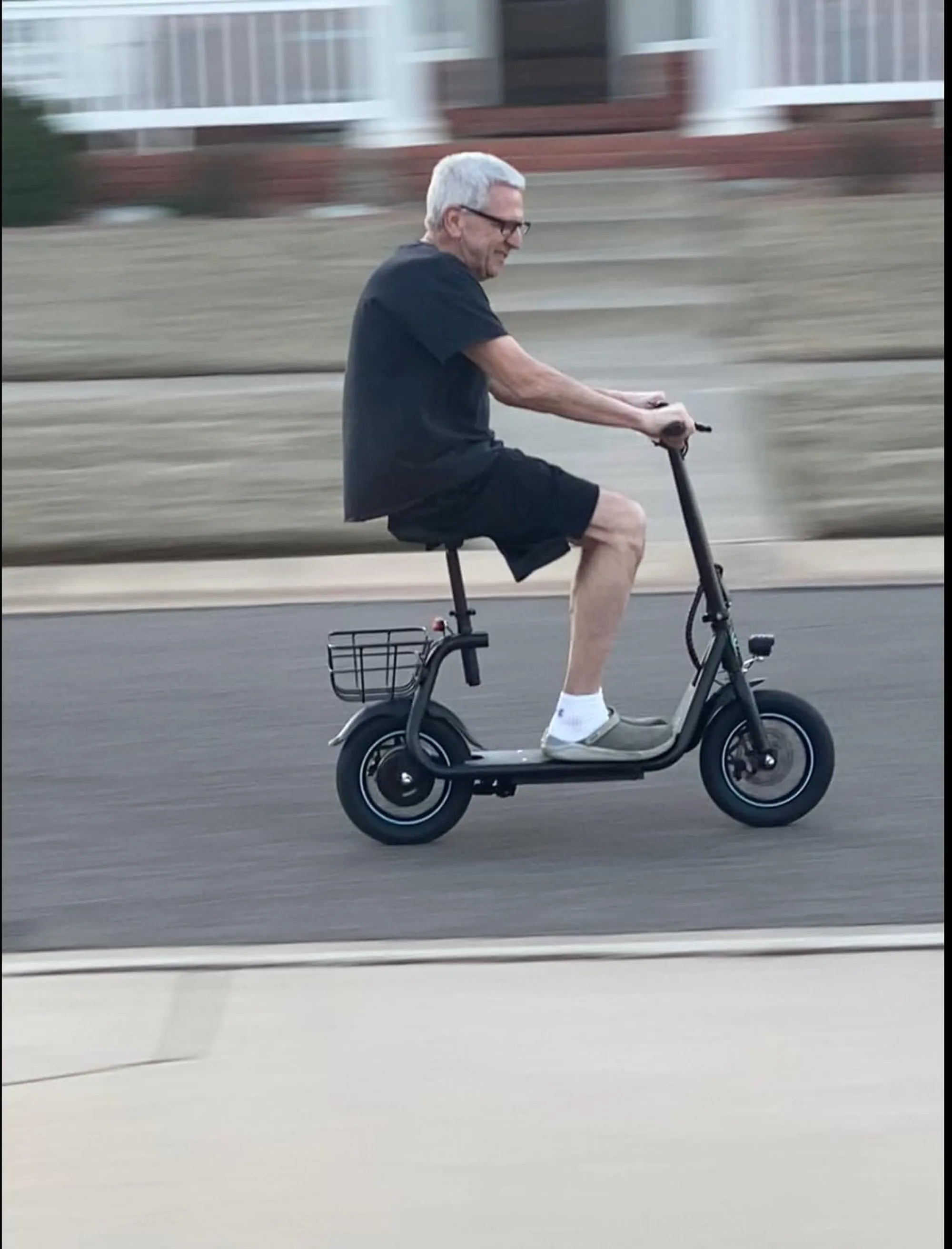
Headlines scream about electric scooter bans, creating confusion for commuters and enthusiasts alike. The truth is far more complex than a simple yes or no. This article cuts through the noise, providing a data-driven analysis of the global regulatory landscape. You will learn where bans are actually in place, the documented safety and urban management concerns prompting them, and most importantly, how to ride responsibly within the law. Understanding this controversy is key to preserving and expanding micro-mobility access.
The Current Legal Landscape: Bans, Restrictions, and Green Lights
The question "have electric scooters been banned?" requires a localized answer. There is no universal federal ban in the United States or blanket prohibition across the European Union. Instead, regulations are a patchwork of municipal and state rules. The legal status of your e-scooter can change at the city limit.
This decentralized approach means some areas fully embrace e-scooters as part of their transit solution, while others impose strict limits or outright bans. The disparity often stems from early experiences with poorly managed shared scooter fleets, which led to public backlash. For private owners, the rules are typically clearer but require diligent research.
Major factors influencing legality include vehicle classification (is it a motor vehicle, a bicycle, or something else?), power output (wattage), and maximum speed. Cities that have developed specific ordinances for "electric stand-up scooters" tend to have the most stable and permissive environments for riders.
Where Are They Banned or Restricted?
Full bans are less common than nuanced restrictions. Key examples include Singapore, which maintains a ban on e-scooters on all public footpaths following safety incidents. In the UK, privately-owned e-scooters remain illegal to use on public roads and sidewalks, though rental trials are ongoing in many cities.
In the US, restrictions are highly localized. For instance, San Francisco famously banned all shared scooters in 2018 before launching a strict permit program. Many college campuses and downtown business districts have designated no-ride or no-parking zones to manage congestion and pedestrian safety.
Common restrictions include prohibitions on sidewalk riding, bans in specific parks or on pedestrian malls, and geofenced slow-speed zones. The core issue behind these rules is not the technology itself, but its interaction with existing public space and safety codes. Understanding these specific restrictions is crucial for legal compliance.
Where Are They Fully Legal and Encouraged?
Many cities have moved past the initial controversy to create clear, legal frameworks. Paris, after a period of regulatory chaos, now has a successful system governing both private and shared scooters. Across Germany, e-scooters meeting certain standards (e.g., max speed 20 km/h) are legal and insured for use in bike lanes.
In the United States, states like California and Texas have passed laws explicitly legalizing e-scooters, preempting local bans and setting baseline rules. Cities such as Austin, TX, and Washington, D.C., have integrated them into their mobility plans with designated parking and lane use.
Corporate and university campuses are often leaders in adoption, providing dedicated charging stations and parking to reduce car traffic. These environments demonstrate that with clear rules and proper infrastructure, e-scooters can thrive as a legitimate first-and-last-mile solution.
Why the Controversy? The Core Issues Driving Regulations
The debate over e-scooters is not arbitrary. It is driven by concrete, documented challenges that emerged rapidly as adoption soared. City planners and safety officials responded to real-world incidents and public complaints, leading to the regulatory landscape we see today.
Data from hospital emergency rooms and traffic safety boards provided the evidence for action. The controversy fundamentally stems from a clash between a new, agile form of transport and urban infrastructures and laws designed for cars, pedestrians, and traditional bicycles.
Addressing these core issues through responsible riding and smart product design is the path to sustainable acceptance. The following sections break down the primary drivers behind the headlines asking have electric scooters been banned in various locales.
Safety and Public Welfare Concerns
Rider and pedestrian safety is the foremost concern. A CDC study of a major shared scooter pilot found a high rate of injuries, with nearly half involving head trauma and only a tiny fraction of riders wearing helmets. This data directly influenced helmet law proposals and speed limit regulations.
Pedestrian collisions, particularly on sidewalks, created significant public backlash. The silent, relatively swift nature of e-scooters can startle walkers, leading to falls and collisions. This concern is a primary reason for sidewalk-riding bans in dense urban areas.
Improper parking of shared scooters created accessibility nightmares, blocking wheelchair ramps, bus stops, and building entrances. While this is less an issue for private owners, it colored the public perception of all e-scooters and prompted strict parking corral requirements in many cities.
Infrastructure and Urban Management Challenges
E-scooters introduced a new vehicle class into a legal system built for cars and bicycles. Questions about insurance, liability, DUI laws, and right-of-way were initially unanswered, creating a regulatory gray zone that many cities chose to halt with a temporary ban or moratorium.
The physical strain on public rights-of-way was immediate. Scooters cluttered sidewalks, and their use in bike lanes sometimes created conflicts with cyclists. Cities had to quickly determine where these devices belonged in the transportation hierarchy.
The nuisance factor of early, poorly managed shared fleets—including vandalism, broken units left strewn about, and reckless riding—led to blanket public complaints. This often resulted in reactive bans that affected private, responsible riders as well. The challenge became one of distinguishing between the vehicle and its misuse.
Responsible Riding: How to Stay on the Right Side of the Law
Compliance is the rider's responsibility. The future of micro-mobility depends on the community's ability to demonstrate that e-scooters can integrate safely and respectfully into urban life. Responsible riding is the most effective advocacy against further bans.
This means proactively knowing and following the rules, which often go beyond just where you can ride. It encompasses how you ride, where you park, and the equipment you use. Setting a positive example helps shift public perception and encourages more permissive regulations.
Know Your Local Laws (A Rider's Checklist)
Before you ride, verify these key points. First, check the minimum age requirement, which is often 16 or 18. Second, understand helmet laws; many jurisdictions mandate them for all riders or those under a certain age, regardless of personal preference.
Third, know where you are allowed to ride: bike lanes, streets with speed limits under a certain threshold (often 25-35 mph), or multi-use paths. Sidewalk riding is frequently prohibited in business districts. Fourth, respect speed limits, which may be capped lower than your scooter's maximum capability.
Fifth, never operate an e-scooter under the influence of alcohol or drugs; DUI laws apply. Sixth, park responsibly—never block pathways, ramps, or building access. Use designated parking when available. A quick check of your city's transportation department website can provide all this information.
Choosing a Commuter-Friendly Scooter: The Gyroor Standard
Your choice of scooter directly impacts safety and compliance. Cities are increasingly attentive to device safety standards. Choosing a reputable brand with certified components is a proactive step toward legitimacy. Gyroor designs its scooters with these regulatory concerns in mind.
All Gyroor models feature UL-certified battery packs, directly addressing a major municipal fear: fire risk from substandard batteries. This certification is a critical safety benchmark. Furthermore, IPX5 water-resistant construction ensures reliable operation in varied weather, reducing the chance of a malfunction in traffic.
Features like bright front and rear lights, electronic and mechanical braking systems, and audible horns or bells are not just conveniences—they are safety essentials that help you comply with vehicle equipment laws. A reliable scooter from a brand trusted by over 100,000 riders across North America and Europe is an investment in safe, uninterrupted commuting.
The Future of Urban Mobility: Regulation Over Prohibition
The trend is clearly moving toward smart, nuanced regulation rather than outright prohibition. Cities are learning that e-scooters, when managed well, offer tangible benefits: reduced traffic congestion, lower emissions, and improved access to public transit. The challenge is integration, not elimination.
Successful models from forward-thinking cities provide a blueprint. The future lies in data-driven policies that prioritize safety and order without stifling innovation. This includes infrastructure adaptations like more protected bike lanes and designated micro-mobility parking.
The Role of Technology and Smart Design
Technology is enabling smarter regulation. Geofencing can create automatic slow zones or no-ride areas in sensitive locations. Speed governors can ensure compliance with local limits. For private scooters, built-in compliance through responsible design is key.
Gyroor integrates features that align with this future. Beyond UL-certified batteries and IPX5 ratings, durable construction minimizes breakdowns and abandonment issues. A reliable 1-year warranty and robust customer support ensure scooters remain operational and safe, addressing the "broken clutter" problem that plagued early shared systems.
What Riders and Advocates Can Do
Individual riders have power. First, always ride as a responsible ambassador. Second, engage with local advocacy groups that work with city councils to shape fair regulations. Third, participate in public comment periods for new transportation plans.
Fourth, report hazardous infrastructure (like potholes in bike lanes) to the city. Fifth, educate other riders on the rules. Collective, responsible behavior is the strongest argument against the question have electric scooters been banned and for their permanent place in our cities.
Comparing Commuter Scooter Types and Regulations
Choosing the right scooter involves matching its specifications to your local laws and commute needs. The table below outlines common scooter classifications and their typical regulatory treatment.
| Scooter Type / Power | Typical Max Speed | Common Legal Classification | Typical Use Case & Restrictions |
|---|---|---|---|
| Under 250W | 15-18 mph | Low-Speed E-Bike / Micromobility Device | Often allowed in bike lanes and on streets. May be subject to age/helmet rules. Common for last-mile commutes. |
| 350W - 500W | 191-25 mph | Electric Stand-Up Scooter (Common Class) | Subject to specific e-scooter ordinances. Often banned on sidewalks. May require rider to be 16+. Popular for urban commuting. |
| 500W+ / Dual Motor | 25+ mph | Motor Vehicle / Moped (in some regions) | Heavily restricted; may require license, registration, insurance. Often prohibited from bike paths. For experienced riders on permitted roads. |
| Shared Fleet Scooter (Example) | Governed to 15 mph | Licensed Commercial Micromobility | Operates under a city permit. Geofenced to specific zones. Highlights the divide between private and commercial rules. |
FAQ: Your Electric Scooter Law Questions, Answered
1. Have electric scooters been banned in all major US cities?
No. There is no nationwide ban. Some cities like San Francisco and New York initially had restrictive policies but have since developed permit systems or legalized private use with specific rules (e.g., NYC now allows certain e-scooters). Many major cities, including Los Angeles, Austin, and Denver, have legal frameworks allowing them.
2. Can I ride my e-scooter on the sidewalk?
This is one of the most common restrictions. In most urban downtowns and business districts, sidewalk riding is prohibited to protect pedestrians. It is often permitted in suburban areas or on streets without bike lanes, but you must always yield to pedestrians and ride at walking speed. Always check your local ordinance.
3. Do I need a license, insurance, or registration for a private e-scooter?
For most stand-up e-scooters under 500W and with speeds below 20-25 mph, no driver's license, vehicle registration, or insurance is typically required in the U.S. However, laws vary by state and city. In some European countries, a minimal insurance plaque is mandatory. Always verify with local authorities.
4. Are Gyroor scooters legal for my commute?
Gyroor scooters are designed to comply with common regulatory standards for private electric scooters, featuring UL-certified batteries and appropriate speed capabilities. Their legality for your specific commute depends on your local laws regarding where e-scooters can be ridden. They are an excellent choice for compliant, reliable commuting where e-scooters are permitted.
5. What is the single most important thing I can do to avoid trouble?
Wear a helmet. It is the simplest, most effective action to protect yourself, and it demonstrates responsible riding. Secondly, never ride on sidewalks in crowded areas. Following these two rules addresses the core safety concerns behind most regulations and significantly improves public perception.
The Path Forward for E-Scooter Commuters
The narrative of bans is a simplification of a complex adjustment period. The truth is that cities are learning to manage a new form of mobility. For the commuter, this means the onus is on informed, responsible use. Understanding the "why" behind regulations empowers you to navigate them successfully.
The future of urban micro-mobility is bright, but it hinges on the partnership between responsible riders, manufacturers committed to safety, and cities willing to adapt infrastructure. By choosing a reliable scooter built to high standards like those from Gyroor, you invest in a vehicle designed for this evolving landscape.
Your daily ride is a statement. Make it one of safety, respect, and compliance. Explore scooters engineered with the features that matter for legal and safe commuting. Browse the full Gyroor collection, featuring UL-certified batteries, IPX5 water-resistant designs, and a reliable 1-year warranty, at gyroorboard.com.
Electric Scooters for Adults Over 100kg Australia: The Ultimate Guide for Power & Safety
Long Range Electric Scooters India: Revolutionizing Urban Mobility