


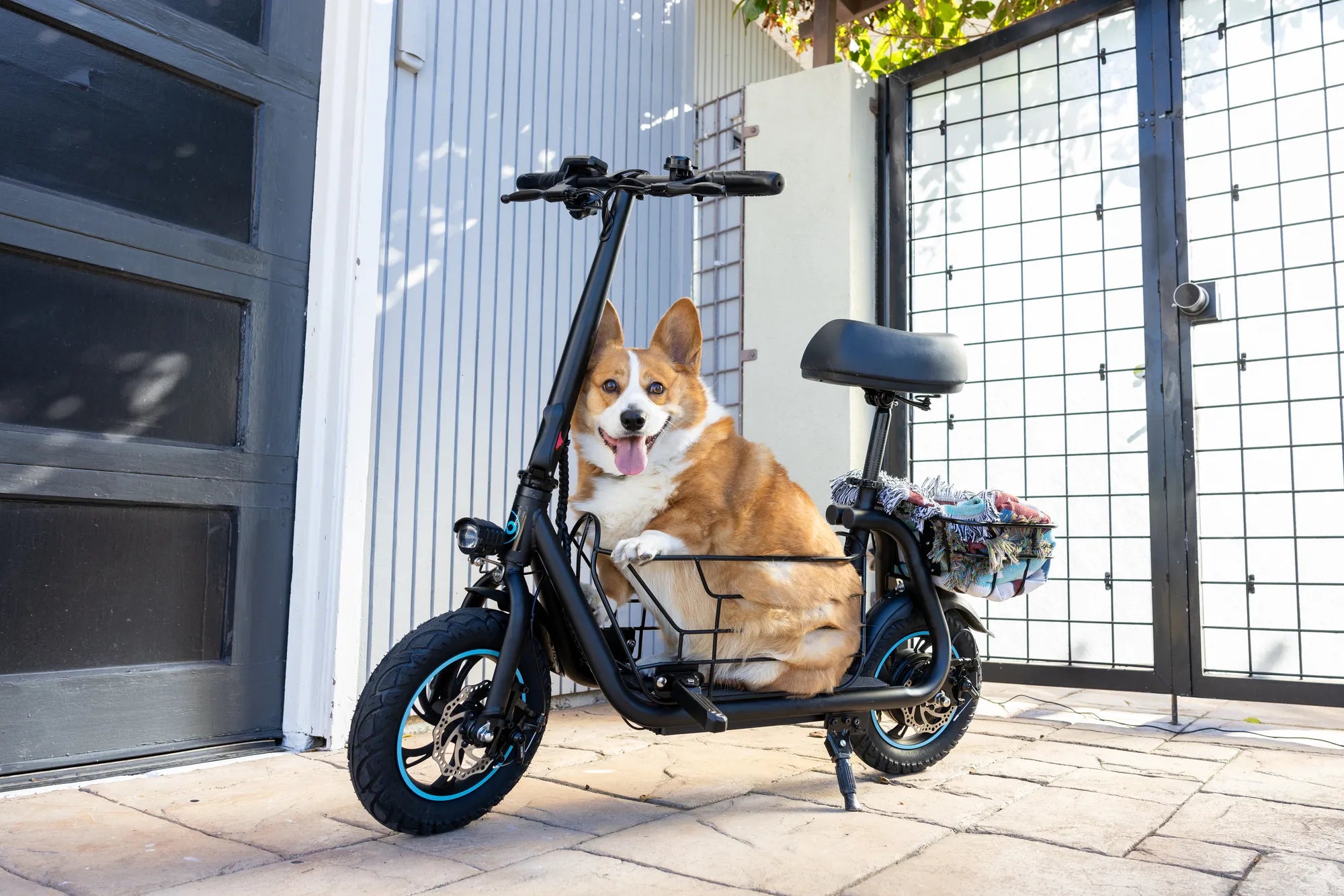
Why a Heavy Duty Scooter Lock is Non-Negotiable
Your electric scooter represents a significant investment in personal mobility, convenience, and freedom. The moment you step off, it transforms into a high-value target for thieves. A heavy duty scooter lock is not merely an accessory; it is the fundamental barrier between your property and loss. For riders of premium brands, where models can represent a considerable financial outlay, relying on flimsy security is an invitation for theft.
The term heavy duty scooter lock signifies a standard of protection designed to deter professional tools and opportunistic criminals alike. It's the difference between a symbolic gesture and a substantive defense. At Gyroor, our commitment extends beyond building robust, UL-certified electric scooters; it includes empowering our community of over 100,000 riders with the knowledge to protect their investments fully.
This guide will move beyond basic advice. We will dissect the engineering behind true heavy-duty security, compare the arsenal of locks available, and build a layered defense strategy. Your peace of mind is the ultimate accessory, and it starts with the right lock.
Decoding "Heavy Duty": The Anatomy of a Secure Lock
What separates a heavy duty scooter lock from a standard one? It's a combination of materials, design, and independent testing. Understanding these components allows you to make an informed choice, not just a hopeful one.
The lock body and shackle (the U-shaped part or chain links) must be constructed from hardened steel, often with alloys like boron carbide. This hardening process increases resistance to cutting, sawing, and leverage attacks. For a U-lock or folding lock, look for a shackle thickness of at least 12mm to 14mm. Thinner shackles are vulnerable to bolt cutters.
The locking mechanism is the brain of the operation. Disc detainer cores, commonly found in high-security locks, are vastly superior to simple pin tumbler mechanisms. They are far more resistant to picking and drilling. A double-bolt locking system (where the shackle locks at both ends into the body) provides significantly more rigidity than a single-bolt design.
Always look for independent security ratings. Sold Secure is a leading UK-based testing house. Their Gold, Silver, and Bronze ratings are based on the time it takes a skilled technician with specific tools to defeat a lock. For a heavy duty scooter lock, a Sold Secure Gold or Silver rating is a strong indicator of reliability.
The Lock Arsenal: Types of Heavy Duty Scooter Locks Compared
Not all heavy duty locks are suited for every scenario. The best choice depends on your riding habits, scooter design, and typical parking environment. Here are the three primary types of locks that meet heavy-duty standards.
U-Locks (D-Locks)
The classic choice for a reason. A high-quality U-lock offers an excellent balance of security and portability. Their rigid, compact design makes them highly resistant to leverage attacks. The best heavy duty scooter lock in the U-lock category will have a thick, hardened steel shackle and a double-locking mechanism.
The main limitation is the fixed shackle size. You must ensure the U-lock is large enough to secure your scooter's frame to a robust anchor point, like a bike rack or street sign, but not so large that it creates space for a jacking tool. They are ideal for urban commuters with regular, fixed parking spots.
Chain Locks
For maximum flexibility, a heavy-duty chain lock is unparalleled. Constructed from hexagonal or square-link hardened steel, often with a fabric sleeve to protect your scooter's finish, they can secure your scooter to a wider variety of objects. Their length allows you to thread the chain through both wheels and the frame for multi-point security.
The trade-off is weight. A truly heavy duty chain lock of sufficient length and thickness (links of 10mm or more) can be very heavy to carry. This makes them best suited for riders who have secure storage at their destination or who use a scooter with ample carrying capacity.
Folding Locks
A modern innovation, folding locks consist of rigid steel bars connected by hardened rivets, which fold neatly into a compact package. They offer good security—often achieving Sold Secure ratings—and are more flexible in use than a U-lock while being easier to carry than a chain.
Their potential weakness lies in the rivet points, though high-quality models use hardened steel throughout. They represent a strong all-rounder choice for the rider seeking a balance of security, portability, and versatility for a heavy duty scooter lock.
| Lock Type | Security Level | Best Use Case | Portability | Key Consideration |
|---|---|---|---|---|
| U-Lock (D-Lock) | Very High | Fixed urban posts, daily commute | Very Good | Check shackle size fits your frame and anchor. |
| Chain Lock | High (depends on thickness) | Irregular objects, multi-point locking | Poor (Heavy) | Weight is the main drawback; look for a carry bag. |
| Folding Lock | High | Versatile all-rounder, mixed environments | Excellent | Ensure rivets and bars are fully hardened. |
Beyond the Lock: Integrated Security for Maximum Protection
A heavy duty scooter lock is your primary layer of defense, but smart riders employ a security strategy. The goal is to increase the time, noise, and effort required to steal your scooter beyond what a thief is willing to risk.
First, location is everything. Always lock your scooter to a solid, immovable object in a well-lit, high-traffic area. A thief is less likely to spend minutes attacking a heavy duty lock where they can be easily seen. Avoid isolated spots, even if they seem convenient.
Second, consider using two different types of locks. A common tactic is to pair a heavy duty U-lock with a secondary cable or chain. This forces a thief to carry and use multiple tools, increasing the complexity of the theft. The U-lock secures the frame to the anchor, while the cable threads through the wheels.
Third, integrate your scooter's built-in features. Some Gyroor models feature electronic alarms that trigger if the scooter is moved while armed. Others have a built-in wheel lock or ignition disable function. Use these in conjunction with your physical heavy duty scooter lock to create a formidable obstacle.
For the ultimate recovery layer, a hidden GPS tracker can be installed. While it won't prevent the initial theft, it dramatically increases the chances of recovery by law enforcement. Think of your security in layers: a heavy duty lock to deter, an alarm to alert, and a tracker to recover.
The Gyroor Rider's Guide to Lock Selection & Usage
Protecting your Gyroor scooter is a practical process. Follow this step-by-step guide to select and use your heavy duty scooter lock effectively.
Step 1: Assess Your Risk. Are you parking in a busy city center or a quiet suburban area? High-theft areas demand the highest security—prioritize Sold Secure Gold-rated locks regardless of type.
Step 2: Match Security to Value. A good rule is to spend 10-20% of your scooter's value on security. Protecting a high-performance Gyroor commuter scooter justifies investment in a top-tier heavy duty scooter lock.
Step 3: Master Locking Technique. Always secure the frame first. If possible, also secure the wheel. The object you lock to should be as strong as your lock. Give the object a solid shake first to ensure it's truly fixed. Position the lock's keyway facing downward to make tampering more difficult.
Step 4: Daily Care. Keep the lock mechanism clean and lightly lubricated with a graphite-based lubricant (not oil, which attracts dirt). If it's a combination lock, shield the dial from prying eyes and weather when inputting your code.
Step 5: Understand Your Coverage. Check if your homeowner's, renter's, or specific scooter insurance policy has requirements for locks (e.g., a specific Sold Secure rating). Using an approved heavy duty lock is often a condition for a successful theft claim.
Heavy Duty Lock Maintenance and Longevity
A heavy duty scooter lock is a durable tool, but it requires basic maintenance to perform at its peak for years. Neglect can lead to a seized mechanism or weakened components just when you need it most.
Regularly inspect your lock for physical damage. Look for fresh scratches, gouges, or deformation on the shackle or body, which could indicate an attempted attack. Check the locking mechanism for smooth operation. A gritty feel or stiffness is a sign that internal components need attention.
Lubrication is critical. Use a dry, graphite-based lock lubricant sprayed directly into the keyway and any moving parts. Avoid wet lubricants like WD-40, as they attract dust and grime that will eventually gum up the mechanism. Perform this lubrication every few months, or more often if you ride in wet or dusty conditions.
Protect your lock from the elements when not in use. If your lock has a fabric sleeve (like many chains), ensure it dries thoroughly if it gets wet to prevent internal rust. For U-locks and folding locks, a simple neoprene cover can protect the finish and keep the mechanism cleaner. Proper care ensures your heavy duty scooter lock remains a reliable guardian.
FAQ: Heavy Duty Scooter Lock Questions Answered
Q: Can any heavy duty scooter lock be cut?
A: Yes, given enough time and the right power tools (like an angle grinder), any physical lock can be defeated. The purpose of a heavy duty lock is not to be impervious, but to require tools that are loud, time-consuming, and conspicuous to use, making the theft attempt too risky for most thieves.
Q: What is the best heavy duty lock for under $100?
A> Several reputable brands offer Sold Secure Silver-rated U-locks or folding locks in this range. Focus on features: minimum 12mm hardened steel shackle, double-bolt locking, and a reputable brand with verified testing. Avoid unknown brands making unrealistic claims.
Q: How do I carry a heavy lock comfortably?
A> For heavy chains, use a dedicated shoulder carry bag. Many U-locks and folding locks come with frame-mounted brackets that attach securely to your scooter's stem or deck. For folding locks, their compact nature often allows them to fit in a backpack or under-deck storage bag easily.
Q: Is a combination or key lock better?
A> Both have merits. Key locks are often simpler and can be more robust. High-quality combination locks eliminate the risk of losing a key. Choose a combination lock with a shrouded dial to prevent bystanders from seeing your code. Whichever you choose, ensure the core mechanism is high-security (e.g., disc detainer).
Q: Does the color or finish of my lock matter?
A> From a pure security standpoint, no. However, a bright, noticeable color (like neon yellow or orange) can act as a visual deterrent, making your scooter look more securely locked from a distance. A black or discreet finish may be less visually obvious but also less of a deterrent.
Your Peace of Mind is the Ultimate Accessory
The true cost of inadequate security is a stolen scooter, the disruption of your daily routine, and the financial loss. A heavy duty scooter lock, selected with knowledge and used correctly as part of a layered system, is the most cost-effective insurance policy you can buy for your electric mobility.
It protects not just a machine, but your independence. When you invest in a reliable, well-engineered scooter from a brand like Gyroor—known for UL-certified safety and robust performance—pairing it with security of equal caliber is the logical next step. Your lock should reflect the same standard of quality and reliability you expect from your ride.
Don't let a moment of convenience compromise your investment. Choose a heavy duty scooter lock that matches your lifestyle and risk, use it diligently, and ride with confidence. Secure your freedom, starting today.
Ready to explore electric scooters built with security and performance in mind? Browse the full Gyroor collection, featuring models with integrated security features and the durability to be your daily companion, at gyroorboard.com.
Can I Drive a Scooter on the Road? A Complete Legal & Safety Guide
Single Speed Mountain Bike Sale: Your Guide to Simplicity, Skill, and Savings