

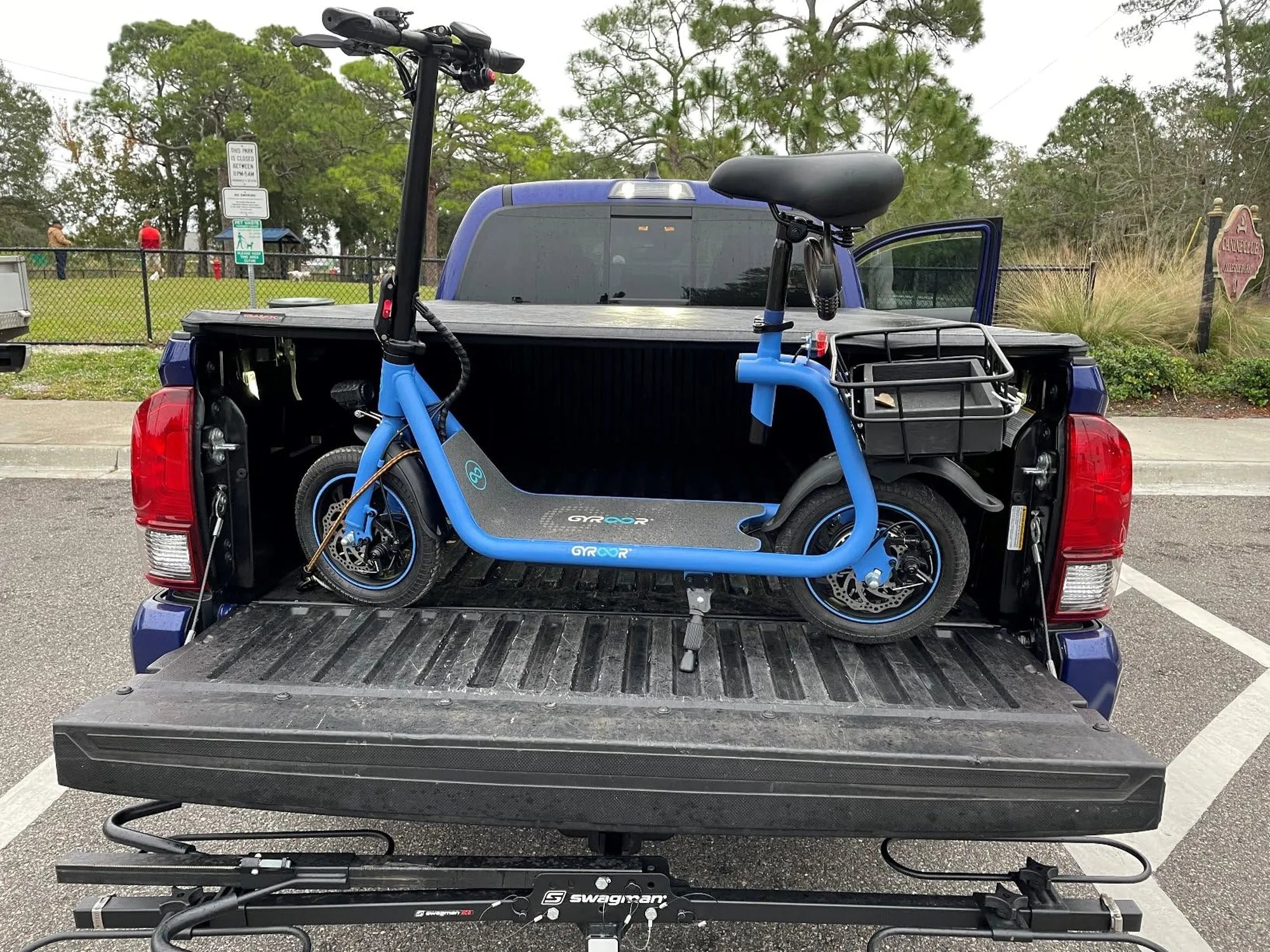
Introduction: Understanding the Heavy Ebike Frame
When you hear the term heavy ebike frame, it typically refers to a bicycle chassis constructed from materials like high-tensile steel or thick-walled aluminum alloys, resulting in a total vehicle weight often between 55 and 75 pounds. This isn't a design flaw; it's a calculated trade-off where increased mass is exchanged for exceptional durability, stability, and load-bearing capacity. For riders who view their e-bike as a primary vehicle for commuting, cargo, or conquering varied terrain, the robust construction of a heavy ebike frame transforms weight from a liability into a core asset for performance and safety.
The modern e-bike market caters to diverse needs, from featherweight carbon fiber models for racing to these stalwart workhorses built for daily punishment. Choosing a frame is about selecting the right tool for your specific job. This guide will dissect every aspect of the heavy ebike frame, from its material science and core advantages to practical considerations on range and handling. We'll provide the data-driven insights you need to make an informed decision, whether you're a daily commuter, a delivery rider, or an adventurer seeking a reliable companion.
The Unmatched Advantages of a Heavy-Duty Frame
The primary benefits of a heavy ebike frame are rooted in physics and material engineering. These frames are built to last and perform under demanding conditions, offering tangible benefits that lightweight frames simply cannot match for certain applications.
Superior Durability and Long-Term Value
A heavy-duty frame is engineered to resist fatigue, flex, and impact damage. The use of thicker gauge tubing and reinforced welding at stress points—such as the head tube, bottom bracket, and rear dropout—means the frame can withstand the repeated stresses of carrying heavy loads, navigating potholes, and general daily use without developing cracks or alignment issues. This translates directly into long-term value and lower total cost of ownership, as the bike is less likely to require major structural repairs. Brands like Gyroor design their frames with this longevity in mind, backing them with comprehensive warranties that reflect confidence in their construction.
Enhanced Stability and Rider Confidence
The added mass of a heavy ebike frame, particularly when combined with a low center of gravity from a downtube-integrated battery, significantly improves stability. This is crucial at higher assisted speeds, when riding in windy conditions, or when the bike is loaded with cargo. The frame exhibits less flex and wobble, providing a planted, confident feel that makes the bike easier to control, especially for new or less-experienced riders. This inherent stability is a key safety feature, reducing the chance of speed wobbles or unpredictable handling.
Exceptional Load-Bearing Capacity
Frame weight is a strong indicator of payload capacity. A robust chassis is the foundation for an e-bike designed to carry more than just the rider. This includes commuters with backpacks and laptops, individuals running errands with groceries, or commercial users like delivery couriers. A heavy ebike frame is often rated for total system weights (rider + cargo) of 300 pounds or more, ensuring safe operation under maximum load. This capacity is explicitly tested and stated in the specifications of quality manufacturers.
Improved Vibration Dampening and Ride Comfort
While suspension systems handle large bumps, the frame itself plays a role in smoothing out high-frequency vibrations from rough pavement. Materials like steel have natural damping properties, and the inherent rigidity of a thick-walled frame can provide a more solid, comfortable platform than a very light frame that might transmit more road chatter to the rider. This results in less fatigue on longer rides, making a heavy ebike frame an excellent choice for urban explorers and distance commuters.
Material Science: What Makes a Frame "Heavy"?
The weight of an e-bike frame is a direct result of the materials used and their application. Understanding these materials is key to evaluating the quality and intended use of the bike.
High-Tensile Steel: The Classic Workhorse
High-tensile (hi-ten) steel is the traditional material for heavy-duty, value-oriented frames. It offers an excellent strength-to-cost ratio, high impact resistance, and good fatigue life. Its natural flex provides notable vibration dampening. The primary downside is weight—it's the heaviest common frame material—and a susceptibility to corrosion if the finish is compromised. For utility e-bikes where ultimate durability and repairability (steel is easy to weld) are priorities, steel remains a compelling choice.
Aluminum Alloys: The Modern Standard
Aluminum alloys, such as 6061 or 7005 series, are the most common materials for modern e-bike frames, including heavier-duty models. Engineers use thicker wall tubes and specific heat treatments (like T6) to achieve the necessary strength without the extreme weight of steel. Aluminum is naturally corrosion-resistant, a critical factor for all-weather riding. A well-designed aluminum heavy ebike frame from a brand like Gyroor strikes a optimal balance, offering robust strength for demanding use while managing weight more effectively than steel, often incorporating reinforced gussets at critical joints.
Advanced Composites: The High-End Exception
Carbon fiber is renowned for being both strong and light. In the context of a heavy ebike frame, carbon is rarely used because the goal is often maximal strength and durability at a reasonable price point, not minimum weight. However, some high-end cargo or performance e-bikes may use carbon or advanced polymers to create a frame that is incredibly strong yet lighter than a comparable aluminum one, but this comes at a significant cost premium and with different concerns regarding impact damage and repairability.
Practical Performance and Trade-Offs
Choosing a bike with a heavy ebike frame has direct implications for its performance and how you interact with it daily. A clear-eyed assessment of these trade-offs is essential.
Impact on Battery Range and Efficiency
The increased mass requires more energy to accelerate and climb hills. While the motor provides the power, the battery supplies the energy. All else being equal (motor power, battery capacity, riding style), a heavier bike may see a 10-20% reduction in per-charge range compared to a significantly lighter model. However, this can be mitigated. Maintaining optimal tire pressure, using lower assist levels on flats, and employing regenerative braking (if available) are effective strategies. For most commutes, the range of a modern e-bike (e.g., 40+ miles) is more than sufficient even with a heavy ebike frame.
Maneuverability and Portability Considerations
This is the most apparent trade-off. A heavier bike is less agile in tight, low-speed maneuvers and requires more effort to handle when not riding, such as wheeling it up a curb or through a crowded bike room. The biggest challenge is often portability: carrying a 70-pound e-bike up a flight of stairs or loading it onto a car rack is a significant task. If your use case involves frequent carrying or storage in a tight apartment, the weight of a heavy ebike frame is a major factor to weigh against its benefits.
Maintenance and Long-Term Care
The robust construction often means components like wheels, forks, and drivetrains are also built to a higher standard to match the frame's capability. This can lead to longer intervals between adjustments. However, all mechanical parts wear, and the added stresses of carrying heavy loads may lead to more frequent brake pad replacement or tire wear. Regular checks of bolt torque, especially on cargo racks mounted to the frame, are crucial. The corrosion resistance of aluminum is a major advantage for long-term maintenance in all climates.
Ideal Use Cases: Who Needs a Heavy Ebike Frame?
The decision ultimately comes down to use case. For these riders, the benefits of a heavy ebike frame far outweigh the drawbacks.
The Daily Urban Commuter: For riders replacing a car or transit for a daily work commute, reliability is paramount. A durable frame handles potholes, curbs, and all weather conditions year after year. The stability is welcome in traffic, and the capacity allows for carrying a change of clothes, lunch, and a laptop securely.
The Cargo & Utility Rider: This is the quintessential application. Whether for grocery runs, taking kids to school, or running small business deliveries, the high payload capacity and stable platform of a heavy ebike frame are non-negotiable. These bikes are designed to be workhorses.
The Heavier or Taller Rider: Riders at or above the average weight limit of standard e-bikes (often 250-275 lbs) will find that a heavy-duty frame provides the necessary margin of safety, confidence, and longevity. The bike is engineered for the system weight, ensuring all components perform as intended.
The Off-Road Path Explorer: While not a full mountain bike, a robust e-bike with a heavy ebike frame is excellent for gravel paths, rail trails, and light off-road use. The frame can handle the bumps and vibrations of unpaved surfaces far better than a delicate, lightweight commuter model.
Gyroor's Engineering Philosophy: Strength Meets Smart Design
As a leading brand trusted by over 100,000 riders, Gyroor approaches the heavy ebike frame with a focus on intelligent engineering that maximizes benefits while mitigating traditional downsides.
Strategic Material and Construction: Gyroor utilizes high-grade aluminum alloys, employing advanced welding techniques and strategic reinforcement at high-stress junctions. This creates a frame that achieves exceptional durability and a high payload capacity without unnecessary weight penalty, focusing strength where it matters most.
Integrated Systems for Stability: The frame is designed as a system. The battery is often integrated into the downtube, lowering the center of gravity to enhance the stable feel inherent to a heavy ebike frame. The geometry is tuned for an upright, comfortable riding position that favors control and visibility in urban environments.
Safety and Reliability as Core Features: The robust frame is the secure housing for Gyroor's UL-certified battery packs, ensuring safety through thousands of charge cycles. This durability is complemented by an IPX5 water-resistant rating, protecting electrical connections from rain and spray, and backed by a reliable 1-year comprehensive warranty supported by U.S.-based customer service. This holistic approach means the frame's strength is matched by dependable electronics and strong post-purchase support.
Heavy vs. Light E-Bike Frames: A Detailed Comparison
| Feature | Heavy Ebike Frame | Light Ebike Frame |
|---|---|---|
| Primary Materials | High-Tensile Steel, Thick-Wall Aluminum Alloys (6061-T6, 7005) | Thin-Wall Aluminum, Carbon Fiber, Advanced Composites |
| Average Weight (Frame Only) | 12 - 20 lbs (5.4 - 9 kg) | 6 - 10 lbs (2.7 - 4.5 kg) |
| Total E-Bike Weight | 55 - 75+ lbs (25 - 34+ kg) | 35 - 50 lbs (16 - 23 kg) |
| Key Advantage | Durability, Stability, Load Capacity (>300 lbs system weight) | Portability, Agility, Maximum Range per Charge |
| Primary Trade-off | Reduced Portability, Slightly Lower Range | Lower Load Capacity, Higher Cost for Durability |
| Ideal Rider | Daily Commuter, Cargo Hauler, Heavier Rider, Off-Path Explorer | Multi-Modal Commuter, Apartment Dweller, Fitness-Focused Rider, Racers |
| Long-Term Value | Very High (Built to Last, Lower Repair Likelihood) | Varies (High if Premium Materials, Lower if Lightness Compromises Durability) |
Frequently Asked Questions (FAQ)
Q: Is a heavy ebike frame worth it for a casual weekend rider?
A: It depends on your priorities. If your rides are short, on paved paths, and you never carry cargo, a lighter bike may be more enjoyable for its nimbleness. However, if you value a rock-solid, stable feel and plan to own the bike for many years, the superior durability of a heavy-duty frame can be a worthwhile investment even for casual use.
Q: How much slower will a heavy frame make my e-bike?
A: The motor's power determines your top assisted speed, which is legally capped (e.g., 20 mph for Class 1/2 in the US). A heavy ebike frame won't make you slower on flat ground at top speed. The difference is in acceleration and hill climbing, where the motor works harder to move the extra mass, potentially reducing your average speed on hilly routes and impacting battery range.
Q: Can I convert my existing heavy bicycle frame into an e-bike?
A: Technically, yes, with conversion kits. However, it is critical to ensure the frame, wheels, and brakes of your existing bike are rated to handle the additional stresses of motor power, higher speeds, and the weight of the battery. A steel mountain bike frame is often a good candidate, but professional assessment is recommended. A purpose-built heavy ebike frame from Gyroor is engineered from the ground up for these forces.
Q: Are heavy e-bike frames less safe in collisions?
A: Not inherently. The increased stability can contribute to accident avoidance. In a collision, the laws of physics apply: a heavier object has more momentum. However, the robust construction may better protect the integrated battery pack. Ultimately, safe riding practices, good brakes, and visibility are the greatest safety factors.
Q: What's the best way to transport an e-bike with a heavy frame?
A: The most common solution is a platform-style hitch rack rated for the bike's weight (often 60+ lbs per bike). Some racks require you to remove the battery to meet the weight limit. For occasional transport, removing the battery (which can shed 7-10 lbs) makes the bike significantly easier to lift. For daily storage, a sturdy kickstand and a ground-level parking spot are ideal.
Making the Right Choice for Your Ride
The decision for or against a heavy ebike frame is a fundamental one that shapes your entire riding experience. It's a choice between prioritizing ultimate portability and maximum range or opting for unwavering durability, confident stability, and serious carrying capacity. For the rider who views their e-bike as a dependable tool for transportation, utility, and adventure, the robust construction of a heavy-duty frame is not a compromise—it's the essential feature that guarantees performance and peace of mind for years to come.
By understanding the material science, acknowledging the practical trade-offs, and honestly assessing your primary use cases, you can select an e-bike that truly fits your life. When you choose a brand like Gyroor, you're not just getting a heavy ebike frame; you're investing in a fully integrated system where the frame's strength is matched by UL-certified battery safety, weather-resistant engineering, and reliable customer support. Evaluate your needs, test ride if possible, and invest in the platform that will reliably carry you to your destination, day after day.
Ready to explore e-bikes built with a focus on durable, stable performance? Discover Gyroor's range of robust electric scooters and e-bikes, engineered for real-world demands and backed by industry-leading safety features. Browse the full Gyroor collection at gyroorboard.com to find your perfect heavy-duty companion.
Can You Ride a Class 2 Ebike on the Sidewalk? Laws, Safety & Best Practices
Cheap 150cc Dirt Bike: The Ultimate Value & Buyer's Guide