



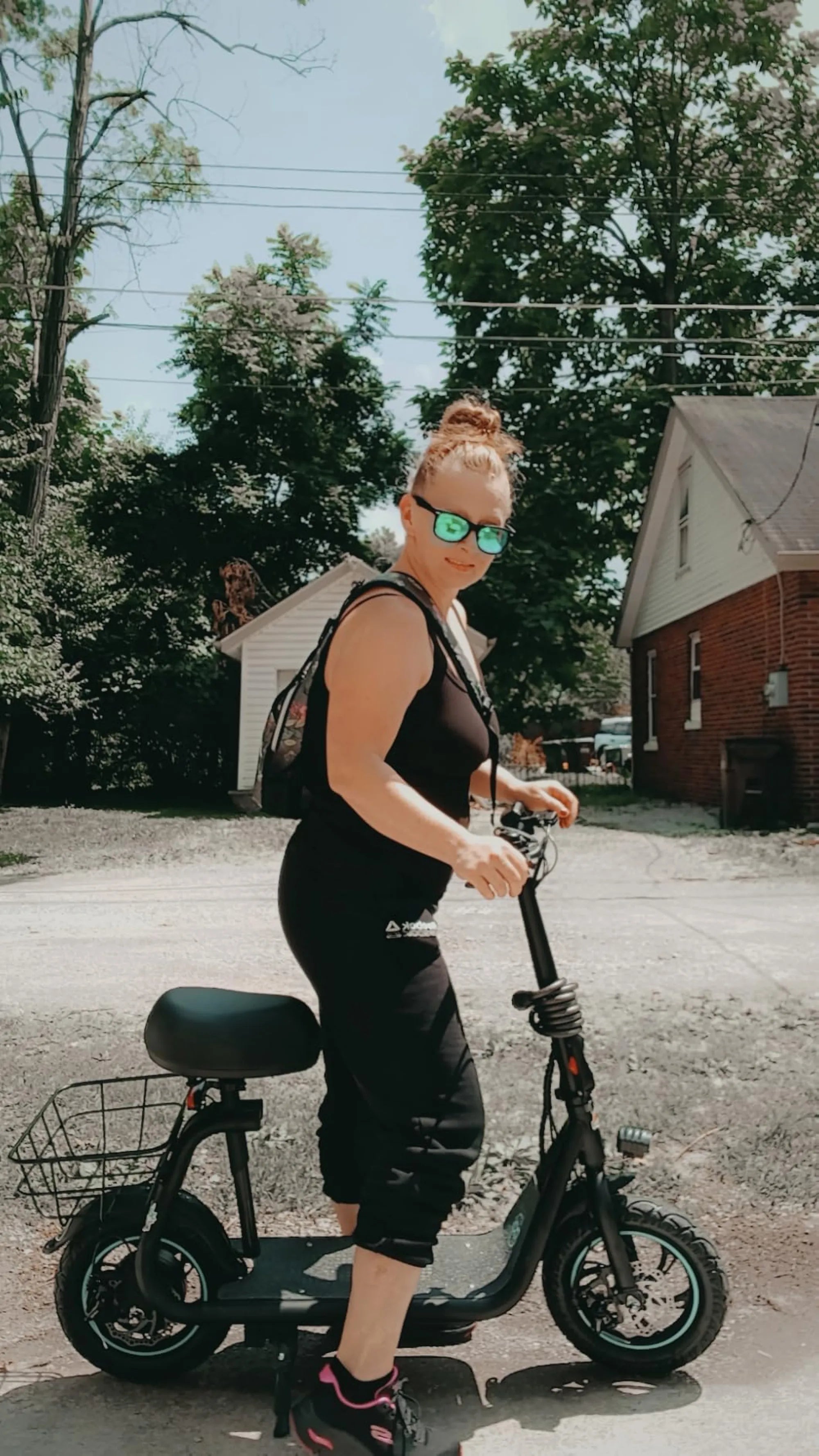
The Non-Negotiable Need for a Proper Helmet for Scooter Riders
Electric scooters have transformed urban mobility, but their convenience comes with distinct risks. A dedicated helmet for scooter riders is not an accessory; it's essential life-saving equipment. This guide provides the data-driven knowledge to choose the right helmet, focusing on the unique dynamics of scooter riding versus cycling or skating.
Understanding the specific injury patterns is crucial. Studies, including one published in the Journal of Trauma and Acute Care Surgery, indicate head injuries account for up to 40% of e-scooter-related trauma, with facial and cranial fractures being common. The lower stance and smaller wheels of a scooter create a different fall trajectory, often resulting in a direct backward or sideways impact.
Choosing any helmet is not enough. The right helmet for scooter riders addresses these specific impact zones and use cases. This article will dissect safety standards, compare helmet types, and provide a framework for selection that prioritizes your protection above all else.
Why Scooter Riding Demands Special Helmet Consideration
The physics of a scooter accident differ significantly from a bicycle crash. On a bicycle, riders are often pitched forward over the handlebars. Scooter riders, however, are more likely to fall directly backward or to the side due to the standing position and central weight distribution.
This makes protection for the back of the head (the occipital lobe) and the temples paramount. A common bike helmet, designed primarily for forward impacts, may leave these critical areas exposed during a typical scooter fall. The urban environment adds layers of risk not always present on bike paths.
Navigating city streets means encountering potholes, curb cuts, wet manhole covers, and sudden pedestrian traffic. These obstacles can cause a high-side or low-side fall in an instant. Furthermore, the average commute speed for many electric scooters, including popular models, sits between 15-20 mph—a speed where impact forces are severe.
Data from city injury reports consistently show that a lack of helmet use is the single greatest correlating factor in severe head injury outcomes from micromobility incidents. For brands like Gyroor, which engineer scooters for reliability and performance, pairing that technology with informed rider safety is the complete package for confident urban exploration.
Decoding Safety Certifications: Your Helmet's Legal Passport
Before considering style or color, verify the certification. This is the baseline of assurance that the helmet has passed standardized impact tests.
CPSC (Consumer Product Safety Commission) - The U.S. Bicycle Standard
The CPSC standard is the mandatory requirement for all bicycle helmets sold in the United States. It tests for impacts on flat and curbed anvils, simulating falls onto pavement and curb edges. A CPSC-certified helmet is a legitimate and safe choice for scooter riding, providing a high level of protection for frontal and side impacts.
ASTM F1492 - The Skateboard & Skate Style Standard
This American standard is specifically designed for skateboarding, which involves frequent backward falls and multiple low-impact hits—a profile closer to scooter dynamics. Helmets certified to ASTM F1492 often have a smoother, rounder shell and extended rear coverage, making them an excellent, often-recommended choice for a helmet for scooter riders.
NTA 8776 - The High-Speed E-Bike & Scooter Standard
Emerging from the Netherlands, the NTA 8776 standard is developed for electric vehicles with assisted speeds up to 28 mph (45 km/h). It mandates more stringent testing for impacts at higher speeds. If you regularly ride a high-performance scooter at its top speed, seeking a helmet with dual CPSC/NTA 8776 certification offers the highest benchmark currently available for urban micromobility.
The key takeaway: Look for the certification label inside the helmet. For most riders, a dual-certified helmet (CPSC & ASTM F1492) offers ideal coverage for the scooter's unique risk profile.
Helmet Types: Matching Style to Your Ride Profile
Not all helmets are created equal. The right choice balances protection, comfort, and suitability for your typical riding environment.
Multi-Sport / Skate-Style Helmets
Characterized by a rounded, smooth exterior and extended coverage over the back of the head, these are a top contender for general scooter use. They are typically certified to the ASTM F1492 skate standard. Their design is ideal for the common backward fall and they often feature a rugged ABS hard shell that can withstand scrapes and multiple minor impacts.
Best for: Casual commuters, riders on shared scooters, and those prioritizing rear-head protection and a versatile style. They pair well with most commuter-focused Gyroor models designed for daily urban travel.
Full-Face Helmets
Offering the maximum possible protection, a full-face helmet includes a chin bar to guard against facial impacts. This is critical for high-speed rides, off-road use, or for riders seeking absolute security.
Best for: Riders using high-performance, off-road, or seated electric scooters capable of sustained speeds above 20 mph. The added protection for the jaw and face is invaluable in a high-energy collision. This is a serious safety consideration for enthusiasts pushing the limits of their vehicle's capability.
Commuter / Urban Cycling Helmets
These are modern, well-ventilated helmets often with integrated visors and sleek designs. While based on bicycle helmet architecture, many now offer improved rear coverage. They excel in ventilation and often incorporate advanced safety tech like MIPS.
Best for: Riders with longer, sweat-inducing commutes who value airflow and modern aesthetics. Ensure the model you choose has ample rear-of-head coverage to compensate for the scooter's fall dynamics.
| Helmet Type | Best For Riding Style | Key Protection Feature | Ideal Gyroor Rider Match |
|---|---|---|---|
| Multi-Sport / Skate | Urban commuting, casual rides | Extended rear head coverage, multi-impact shell | City commuter using standard models |
| Full-Face | High-speed, off-road, performance | Full facial & chin protection | Rider of high-performance or off-road capable models |
| Commuter / Urban | Long-distance, warm-weather commuting | Superior ventilation, often with MIPS | Everyday rider prioritizing comfort on longer trips |
Beyond the Shell: Essential Fit, Comfort & Tech Features
A poorly fitted helmet is a dangerous helmet. It can shift or come off during an impact. The fit must be snug, with the helmet sitting level on your head (not tilted back), covering the forehead. The internal retention system (the dial or strap at the back) should tighten securely without creating pressure points.
Ventilation is a critical comfort and safety feature. Overheating can distract a rider or lead to discomfort on longer journeys. Look for helmets with adequate channeled airflow. For urban riders, visibility is a form of active safety. Helmets in bright colors (white, yellow, orange) or with integrated reflective stickers and—even better—built-in rear LED lights, make you significantly more conspicuous to drivers, especially at dawn, dusk, or night.
Advanced technologies like MIPS (Multi-directional Impact Protection System) are now common in higher-tier helmets. MIPS incorporates a low-friction layer inside the helmet designed to rotate slightly on impact, potentially reducing rotational forces transmitted to the brain during angled impacts. While it adds to cost, it represents a meaningful advancement in protective technology.
Helmet Care, Maintenance, and the Critical Replacement Rule
Your helmet's integrity is paramount. Clean only the outer shell and inner pads with mild soap and water; never use harsh solvents that can degrade the EPS foam liner. Store it in a cool, dry place away from direct sunlight and chemicals (like car exhaust or gasoline fumes).
Never compromise on the replacement rule. A helmet is designed for a single significant impact. Even if no damage is visible, the EPS foam liner may be compromised. Replace your helmet immediately after any crash where an impact occurred. Furthermore, the materials degrade over time.
Most manufacturers and safety organizations recommend replacing your helmet every 3 to 5 years, regardless of use, due to UV exposure and normal wear. It's important to note that while Gyroor provides a robust 1-year warranty covering the electric scooter's components like its UL-certified battery and motor, this does not extend to personal safety gear like helmets, which must be maintained and replaced according to these separate safety guidelines.
Frequently Asked Questions (FAQs)
Q: Is a standard bicycle helmet okay to use for riding an electric scooter?
A: Yes, a CPSC-certified bicycle helmet provides substantial protection and is far better than no helmet. However, for optimal protection tailored to scooter falls, a multi-sport/skate-style helmet (ASTM F1492) or a commuter helmet with enhanced rear coverage is often recommended due to its design for backward and side impacts.
Q: When do I absolutely need a full-face helmet for scooter riding?
A: A full-face helmet is strongly recommended if you regularly ride at sustained speeds over 20 mph, engage in off-road riding on rough terrain, or simply want the maximum possible protection for your face and jaw. It is the definitive choice for aggressive or high-performance riding.
Q: How do I know if my helmet for scooter riders fits correctly?
A: It should sit level on your head, covering your forehead without obstructing vision. It must feel snug all around without uncomfortable pressure points. When you shake your head side-to-side and up-and-down, the helmet should not shift independently. The chin strap should be snug, allowing only one or two fingers to fit between the strap and your chin.
Q: What safety features should I prioritize for night riding?
A: Beyond a properly certified helmet, integrated active lighting is crucial. Prioritize helmets with bright, rear-facing LED lights or at the very least, extensive reflective surfaces. Pair this with reflective clothing and your scooter's own lights to create a 360-degree visibility shield.
Q: Does the Gyroor product warranty cover my helmet if I buy one with my scooter?
A: No. Gyroor's industry-leading 1-year warranty covers the electric scooter or e-bike itself—its UL-certified battery, motor, frame, and electronics against defects. A helmet is considered personal protective equipment (PPE). Its warranty, if any, is provided solely by the helmet manufacturer and is governed by its own care, impact, and replacement policies as outlined in this guide.
Your Safety is the Foundation of the Ride
Selecting the right helmet for scooter riders is the most important decision you make after choosing your electric vehicle. It is an investment in your long-term well-being that enables you to enjoy the freedom and efficiency of personal electric transport with confidence. The data is clear: a certified, well-fitted helmet dramatically reduces the risk of severe head injury.
Just as you would choose a Gyroor scooter for its reliable engineering, UL-certified battery safety, and durable construction, apply the same rigor to choosing your helmet. Let it be the trusted companion that allows every journey, whether a quick errand or an extended exploration, to be undertaken with assurance. Ride smart, ride safe, and make informed protection a non-negotiable part of your routine.
Ready to gear up responsibly? Browse the full Gyroor collection of electric scooters and e-bikes at gyroorboard.com, and remember to pair your new ride with the essential safety gear it deserves.
Best Ebike for City Commuting: The 2024 Data-Driven Buyer's Guide
450 Dirt Bike Speed: The Complete Performance & Safety Guide