

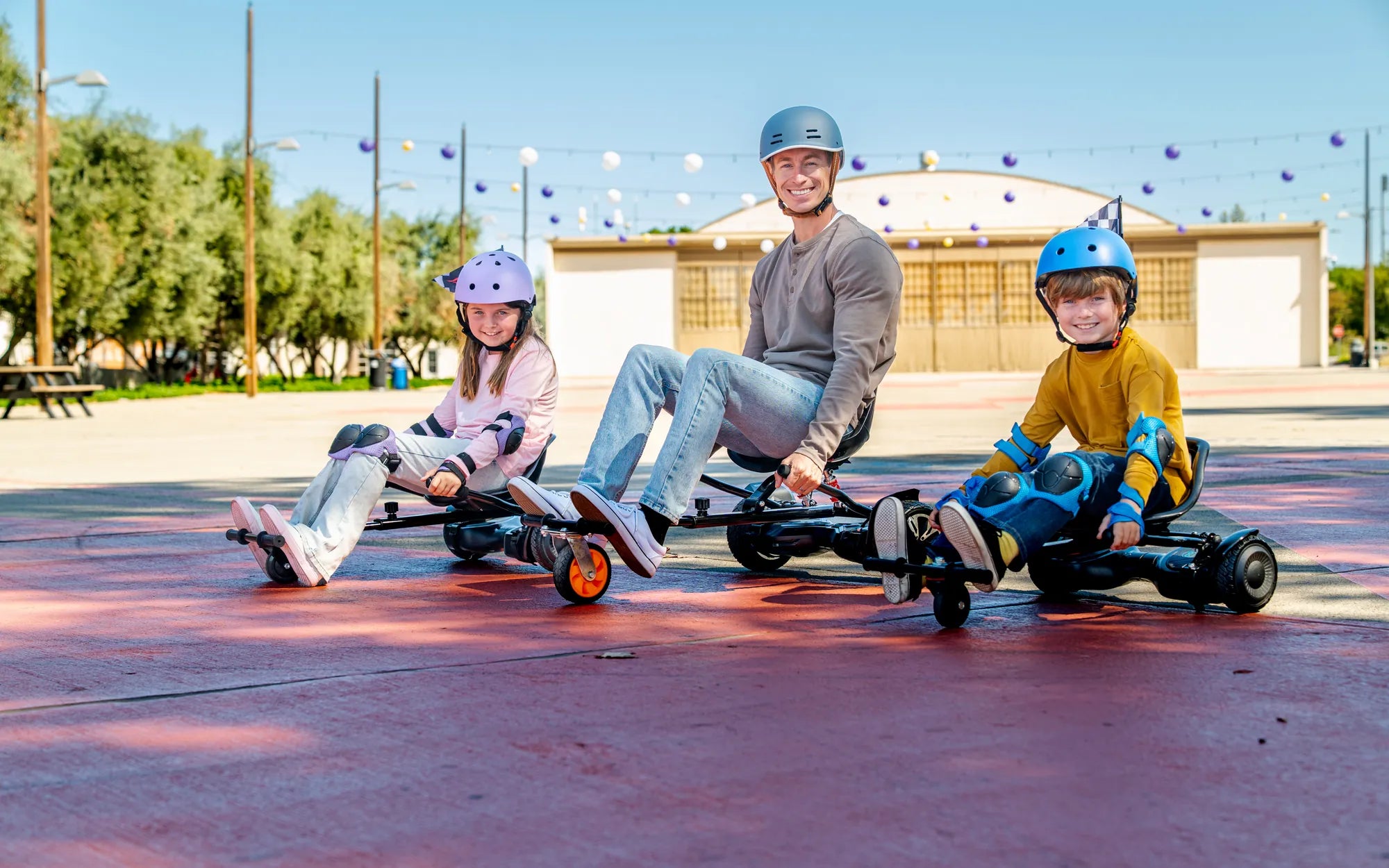
Is your 4-year-old ready to ride a hoverboard? These futuristic gadgets aren't just for older kids and teens—many models are designed specifically for younger riders. But before you let your little one zoom around on one, there's a lot to consider. From safety features to developmental benefits, this guide covers everything parents need to know about hoverboards for 4-year-olds.
Are Hoverboards Safe for 4-Year-Olds?
Safety should always come first when introducing any wheeled toy to young children. While hoverboards can be safe for 4-year-olds, they require proper supervision and the right equipment. Look for models with:
- Speed limiters (typically under 6 mph)
- Training modes for beginners
- Wide, stable bases
- Non-slip foot pads
- LED lights for visibility
Always pair the hoverboard with proper safety gear including a helmet, knee pads, and elbow pads designed for young children. The American Academy of Pediatrics recommends helmets for any wheeled activity.
Developmental Benefits of Hoverboards for Young Children
Beyond being fun toys, hoverboards can actually support your child's physical and cognitive development:
Balance and Coordination
Riding a hoverboard requires constant micro-adjustments to maintain balance, which helps develop core strength and proprioception (awareness of body position).
Confidence Building
Mastering a new skill gives children a tremendous sense of accomplishment. Starting with a slow-speed hoverboard allows them to build confidence gradually.
Spatial Awareness
Navigating around obstacles and judging distances helps develop important spatial reasoning skills that translate to other areas of learning.
Choosing the Right Hoverboard for a 4-Year-Old
Not all hoverboards are created equal when it comes to young riders. Here's what to look for:
| Feature | Why It Matters |
|---|---|
| Weight Limit | Should accommodate your child's current weight with room to grow |
| Wheel Size | Larger wheels (6.5"+) handle bumps and uneven surfaces better |
| Battery Life | 30-60 minutes is plenty for young children |
| Charging Time | Faster charging means less waiting between rides |
Teaching Your 4-Year-Old to Ride Safely
Proper instruction is crucial for safe hoverboard use. Follow these steps:
- Start indoors on carpet to reduce speed
- Hold your child's hands as they first mount the board
- Practice mounting and dismounting repeatedly
- Move to smooth outdoor surfaces once they're comfortable
- Set clear boundaries about where they can ride
Most 4-year-olds will need several short practice sessions over multiple days before they feel confident riding independently.
Common Concerns About Hoverboards for Young Children
Many parents understandably have questions about these devices:
Are they too advanced for preschoolers?
While hoverboards do require some coordination, many 4-year-olds pick up the basics surprisingly quickly with proper instruction.
What about the risk of falls?
Falls are inevitable, which is why proper safety gear and supervision are non-negotiable. Consider it similar to learning to ride a bike.
Will my child outgrow it too quickly?
Many hoverboards have weight limits up to 120 lbs, meaning your child can enjoy it for several years.
Alternatives to Traditional Hoverboards
If you're not quite ready for a full hoverboard, consider these stepping stones:
- Balance boards (stationary training devices)
- Three-wheeled hoverboards with extra stability
- Ride-on toys with similar controls
These can help build the foundational skills needed for a standard hoverboard.
Creating Safe Riding Environments
Where your child rides is just as important as what they ride. Ideal locations include:
- Smooth, paved driveways
- Empty tennis courts
- Basketball courts
- Indoor play areas with hard floors
Avoid areas with traffic, steep hills, or lots of pedestrians until your child demonstrates excellent control.
The Social Benefits of Hoverboards
Beyond physical development, hoverboards can help children socially:
- Shared activity with siblings or friends
- Conversation starter at parks and playgrounds
- Opportunity to learn about taking turns
- Bonding time with parents during practice sessions
Many parents report that hoverboard time becomes a cherished family activity.
Maintenance and Care Tips
To keep your child's hoverboard in top condition:
- Store indoors away from extreme temperatures
- Charge the battery regularly, even when not in use
- Wipe down with a damp cloth after outdoor use
- Check tire pressure monthly if applicable
- Inspect for loose parts before each ride
Proper maintenance ensures safety and extends the life of the device.
When to Upgrade to a More Advanced Model
You'll know it's time for a more capable hoverboard when:
- Your child consistently rides at the maximum speed
- They've mastered all basic maneuvers
- The weight limit is approaching
- They express interest in more challenging terrain
Most children can use a beginner hoverboard for 2-3 years before needing an upgrade.
Watching your 4-year-old master their first hoverboard is an unforgettable experience—those wide eyes when they first find their balance, the proud grin as they zoom across the driveway. With the right model, proper safety gear, and patient instruction, a hoverboard can provide years of active fun while building important physical and cognitive skills. Just be prepared—you might find yourself wanting to try it next!
Are Self Balancing Scooters Dangerous? The Truth Behind the Hype
Hoverboard Black Friday Deals 2025: The Ultimate Guide to Scoring the Best Discounts