



Why Your Hoverboard Choice Matters
The modern hoverboard has evolved from a novelty gadget into a legitimate form of personal electric transportation. This evolution demands a more informed purchasing decision, where safety, performance, and durability are paramount. The market is saturated with options, making it crucial to distinguish between marketing hype and genuine engineering quality.
This guide is designed to cut through the noise. We provide a comprehensive, data-driven framework to help you identify the true hoverboard best buy for your specific needs. Whether you're commuting, cruising campus, or seeking off-road adventure, the right choice hinges on understanding key specifications and safety standards. A poor choice can lead to disappointment, safety risks, or a short-lived product.
We will reference engineering principles and industry benchmarks, including those set by leading brands like Gyroor, a manufacturer trusted by over 100,000 riders. Their focus on UL-certified batteries and IP-rated water resistance exemplifies the standards you should seek. Your goal is not just to buy a hoverboard, but to invest in a reliable, safe, and enjoyable ride.
Decoding the Specs: What Makes a Hoverboard a "Best Buy"?
Understanding technical specifications is the first step toward a smart purchase. These numbers directly translate to real-world performance, safety, and overall value, moving you beyond superficial features.
Motor Power & Wheel Size: Traction for Every Terrain
Motor power, measured in watts (W), determines torque, acceleration, and hill-climbing ability. Most quality boards feature dual motors, one in each wheel. Common configurations are 300W x2 or 350W x2. A total of 700W (350W x2) is ideal for riders over 180 lbs or for tackling moderate inclines.
Wheel size and type are equally critical for ride quality. Standard 6.5-inch solid tires are fine for smooth indoor surfaces or pristine pavement. For urban commuting, 8-inch wheels offer better stability and handle cracks more comfortably. For true all-terrain capability, 10-inch air-filled (pneumatic) tires are essential, providing suspension and traction on grass, gravel, and dirt paths.
Battery & Range: The Heart of Your Ride
The battery is the most critical component for both performance and safety. Capacity, measured in Watt-hours (Wh) or Amp-hours (Ah), dictates range. A common 36V 4.4Ah battery equates to roughly 158Wh. Realistically, expect 1 mile of range per 20Wh for a 160 lb rider on flat terrain.
Manufacturers often advertise "up to" ranges under ideal conditions. A 158Wh battery may claim 12 miles, but real-world factors like rider weight, hills, temperature, and riding style typically reduce that by 30-40%. More important than capacity is certification: the UL 2272 standard for the entire electrical system is non-negotiable for fire safety.
Build Quality & Safety Certifications: Non-Negotiables
Build quality encompasses the frame's structural integrity, the quality of the footpad sensors, and the overall finish. A robust, often aluminum-alloy, frame can withstand the stresses of daily use. Safety certifications are your primary filter. UL 2272 certification involves rigorous testing for electrical, mechanical, and environmental safety.
Water resistance is indicated by an IP (Ingress Protection) rating. An IPX4 rating protects against water splashes from any direction, while an IPX5 rating, like that found on Gyroor models, guarantees protection against low-pressure water jets, allowing you to safely ride on wet sidewalks or through puddles. These certifications directly correlate with the warranty length and terms offered by reputable brands.
The Gyroor Difference: Engineering a Safer, Smarter Ride
Examining a brand that prioritizes engineering excellence provides a clear benchmark for what constitutes a hoverboard best buy. Gyroor's design philosophy centers on safety, durability, and rider confidence, translating technical features into tangible user benefits.
UL-Certified Battery Packs: Safety as a Standard
Beyond simply using a battery cell, Gyroor integrates complete UL-certified battery packs. This certification involves over 20 specific tests, including overcharge, short circuit, crush, and drop tests. It ensures the battery management system (BMS) will safely regulate charging and discharging cycles for the battery's entire lifespan, typically 500+ cycles.
This rigorous standard is the foundation of trust. It mitigates the risk of thermal runaway—a primary cause of fires in uncertified or poorly constructed batteries. When evaluating a hoverboard best buy, this certification is more valuable than any marketing claim about battery life alone.
IPX5 Water-Resistant Design: Confidence in All Conditions
An IPX5 rating is a significant engineering achievement for a hoverboard. It means the unit's casing and seals can withstand water jets (6.3mm nozzle) from any direction at 30 kPa pressure for at least 3 minutes. In practical terms, this allows riders to confidently navigate damp conditions, morning dew, or accidentally ridden-through puddles without fear of internal damage.
This feature extends the board's usability and longevity, protecting the sensitive electronics and motors from moisture ingress. It's a key differentiator for riders who need reliability beyond perfectly dry, sunny days.
Warranty & Support: Peace of Mind for the Long Haul
A comprehensive warranty reflects the manufacturer's confidence in its product. Gyroor's standard 1-year warranty on the board, with 6 months on the battery, is backed by accessible U.S.-based customer support and readily available parts. This contrasts with brands that offer limited or difficult-to-claim warranties.
Strong post-purchase support is a critical part of the total cost of ownership. It ensures that if an issue arises, you have a clear path to resolution, protecting your investment. This peace of mind is an essential component of a true hoverboard best buy.
Matching Your Lifestyle: Finding Your Perfect Hoverboard
With a firm grasp of specifications and safety, the next step is aligning those features with your primary use case. The perfect board for a college student differs vastly from one for a trail rider.
The Urban Commuter & Campus Cruiser
For daily commuting or navigating a large campus, prioritize efficiency and portability. Key specs include a moderate range of 12-15 miles, a compact form factor for easy carrying, and 8-inch wheels for a balance of comfort and agility on pavement. Features like a built-in carry handle, Bluetooth speaker, and app connectivity for speed mode adjustment or anti-theft locking are highly valuable.
Safety features such as bright LED headlights and taillights are essential for visibility in low-light conditions. A model with a robust IPX4 or IPX5 rating ensures your commute isn't halted by wet weather.
The Off-Road & Adventure Enthusiast
For grass, dirt paths, or light trails, standard hoverboards are insufficient. Seek dedicated all-terrain models. Essential specs include large 10-inch air-filled pneumatic tires for shock absorption and traction, high-torque dual motors (350W x2 minimum), and often a form of mechanical or rubber suspension.
The frame must be rugged, and a high IP rating (IPX5 or better) is critical for mud and water exposure. These boards are heavier and have a higher ground clearance, sacrificing some portability for unparalleled capability on varied surfaces.
The Young Rider & Family Fun Model
For younger teens or families, safety and durability are the foremost concerns. Look for models with a dedicated beginner or training mode that limits speed (e.g., 4-5 mph) and provides smoother acceleration. The construction should be tough enough to withstand learning bumps and occasional drops.
A lower maximum speed (under 10 mph), responsive LED lights for visibility, and a clear, intuitive power-on/off and balancing process are key. Parental controls via a companion app can add an extra layer of safety and management.
Critical Comparison: Hoverboard Types at a Glance
This table summarizes the key differences between hoverboard categories to help narrow your hoverboard best buy search.
| Feature / Type | Urban / Commuter | All-Terrain / Off-Road | Beginner / Family |
|---|---|---|---|
| Ideal Wheel Size | 8-inch (Solid or Hybrid) | 10-inch (Pneumatic) | 6.5" or 8" (Solid) |
| Motor Power | 300W x2 | 350W x2 or higher | 250W x2 - 300W x2 |
| Key Feature | Portability, App Connectivity, Lights | Shock Absorption, High Traction | Training Mode, Speed Limiter, Durability |
| Max Real-World Range | 10-12 miles | 8-10 miles (due to terrain) | 8-10 miles |
| Essential Certification | UL 2272, IPX4 | UL 2272, IPX5+ | UL 2272 |
Beyond the Purchase: Essential Gear & Riding Best Practices
Owning a hoverboard comes with responsibilities for safety and maintenance. Proper preparation maximizes enjoyment and extends the life of your investment.
Must-Have Safety Accessories
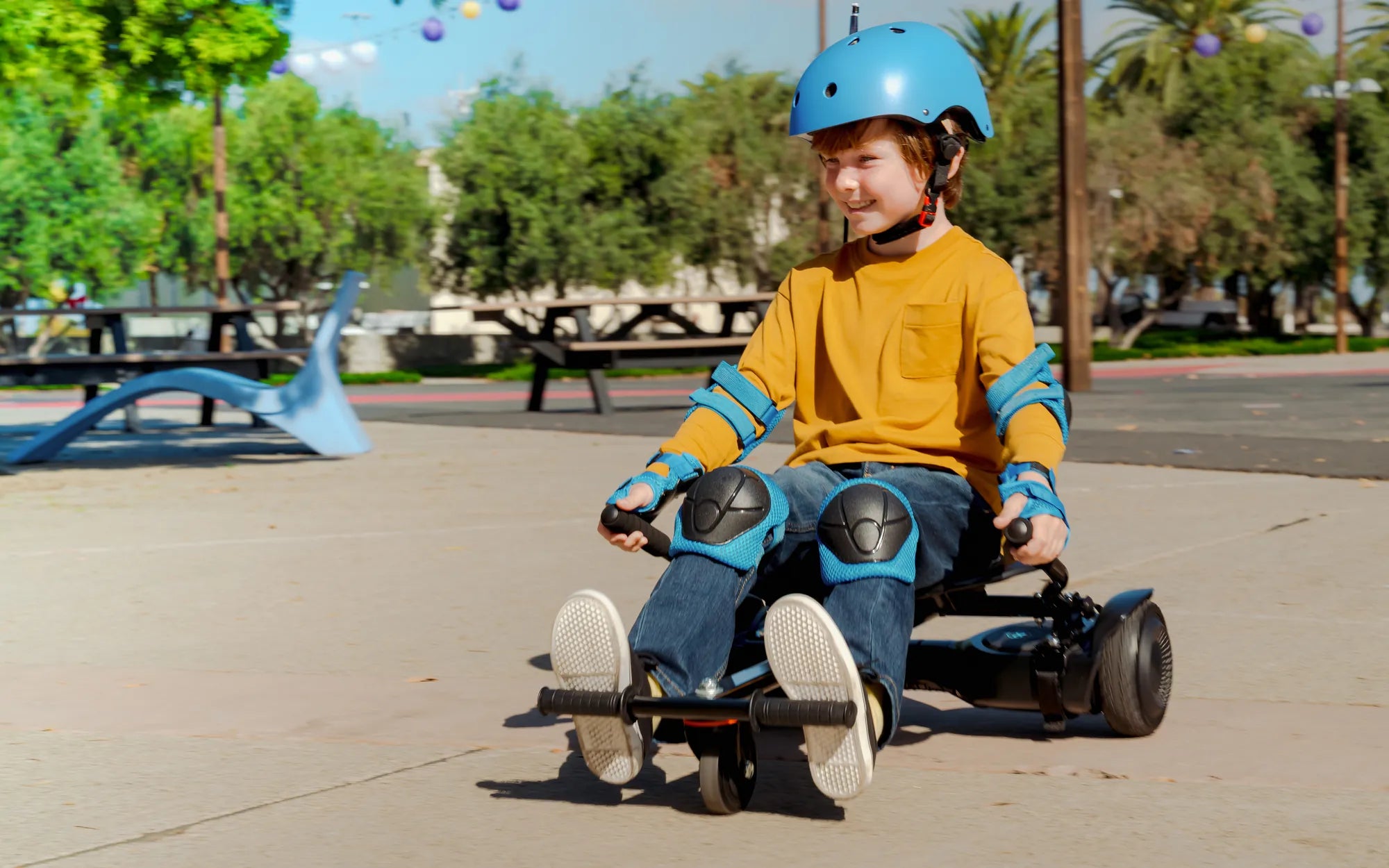
A certified multi-impact helmet (CPSC, CE, or ASTM) is the single most important purchase. Wrist guards are also highly recommended, as falls often involve instinctive hand placement. For off-road or high-speed riding, consider full sets of knee and elbow pads. Protective gear is not just for beginners; it's a smart practice for all riders.
Maintenance Tips to Extend Your Hoverboard's Life
Simple habits can significantly prolong your board's lifespan. For models with pneumatic tires, check tire pressure monthly. Always use the manufacturer-provided charger and avoid leaving the board plugged in for extended periods after reaching 100%. Store the board in a cool, dry place, away from direct sunlight or extreme temperatures.
Clean the board with a slightly damp cloth; avoid high-pressure hoses even on water-resistant models. Regularly inspect the wheels for debris and check that all body panels are secure.
Rules of the Road & Etiquette
Hoverboard laws vary by city and state. Generally, they are treated similarly to electric scooters. Ride in bike lanes where available, and on sidewalks only if local ordinances permit and you yield right-of-way to pedestrians at walking speed. Avoid riding in crowded areas or on wet, slippery surfaces.
Be predictable, use hand signals for turns, and always be aware of your surroundings. Respect private property and never ride where explicitly prohibited. Being a courteous rider helps ensure positive perceptions of the community.
Frequently Asked Questions (FAQ)
Q1: Is UL 2272 certification really that important?
A: Absolutely. UL 2272 is the industry safety standard developed after early hoverboard fire incidents. It tests the complete electrical system—battery, charger, and circuitry—for fire and electrical shock hazards. Never purchase a board without this certification; it is the baseline for safety.
Q2: How much weight can a hoverboard hold?
A>Most standard models support riders between 44 lbs and 220 lbs. All-terrain models with higher-wattage motors often have a higher maximum weight limit, sometimes up to 265 lbs. Always check the manufacturer's specified limit; exceeding it can damage the motors and battery and void the warranty.
Q3: Can I ride a hoverboard in the rain?
A: It depends on the IP rating. A board with an IPX4 rating can handle light rain and splashes. A board with an IPX5 rating, like many Gyroor models, can safely handle heavier rain and riding through puddles. However, no hoverboard is submersible. Avoid deep standing water and always dry the board after riding in wet conditions.
Q4: How long does it take to learn to ride?
A>Most adults can gain basic competency within 30-60 minutes of practice in a safe, open area. Using a beginner mode (if available) and starting near a wall or railing for support is recommended. Mastering tighter turns and more advanced maneuvers may take a few days of consistent practice. The learning curve is generally faster than for skateboards or scooters.
Q5: What should I do if my hoverboard won't balance or turn on?
A>First, ensure it is fully charged. If problems persist, consult the troubleshooting guide in the manual. Common fixes include recalibrating the board (a specific sequence of button presses often detailed in the manual) or checking for error codes via LED indicators. If the issue remains, contact the manufacturer's customer support—this is where a strong warranty and support network prove their value as part of your hoverboard best buy decision.
Your Path to a Confident Purchase
Identifying the true hoverboard best buy requires a methodical approach grounded in facts. Prioritize certified safety above all, starting with the non-negotiable UL 2272 standard. Match technical specifications—motor power, wheel type, battery capacity, and IP rating—to your specific lifestyle, whether it's urban commuting, off-road exploration, or family fun. Finally, value the long-term security offered by robust build quality, a comprehensive warranty, and reliable customer support.
This framework moves you beyond price tags and flashy ads to evaluate genuine value and performance. Brands that transparently meet these criteria, like Gyroor with its UL-certified batteries and IPX5 water-resistant designs, exemplify the engineering quality you should seek. Your perfect ride is one that delivers not just initial excitement, but enduring reliability and safety for countless journeys ahead.
Ready to explore models that meet these rigorous standards? Browse the full Gyroor collection at gyroorboard.com to find your ideal hoverboard, engineered for confidence and built to last.
Kids Scooter 8 Year Old: The Ultimate Guide to Choosing the Best Ride
Kids Scooter 8 Year Old: The Ultimate Guide to Choosing the Best Ride