



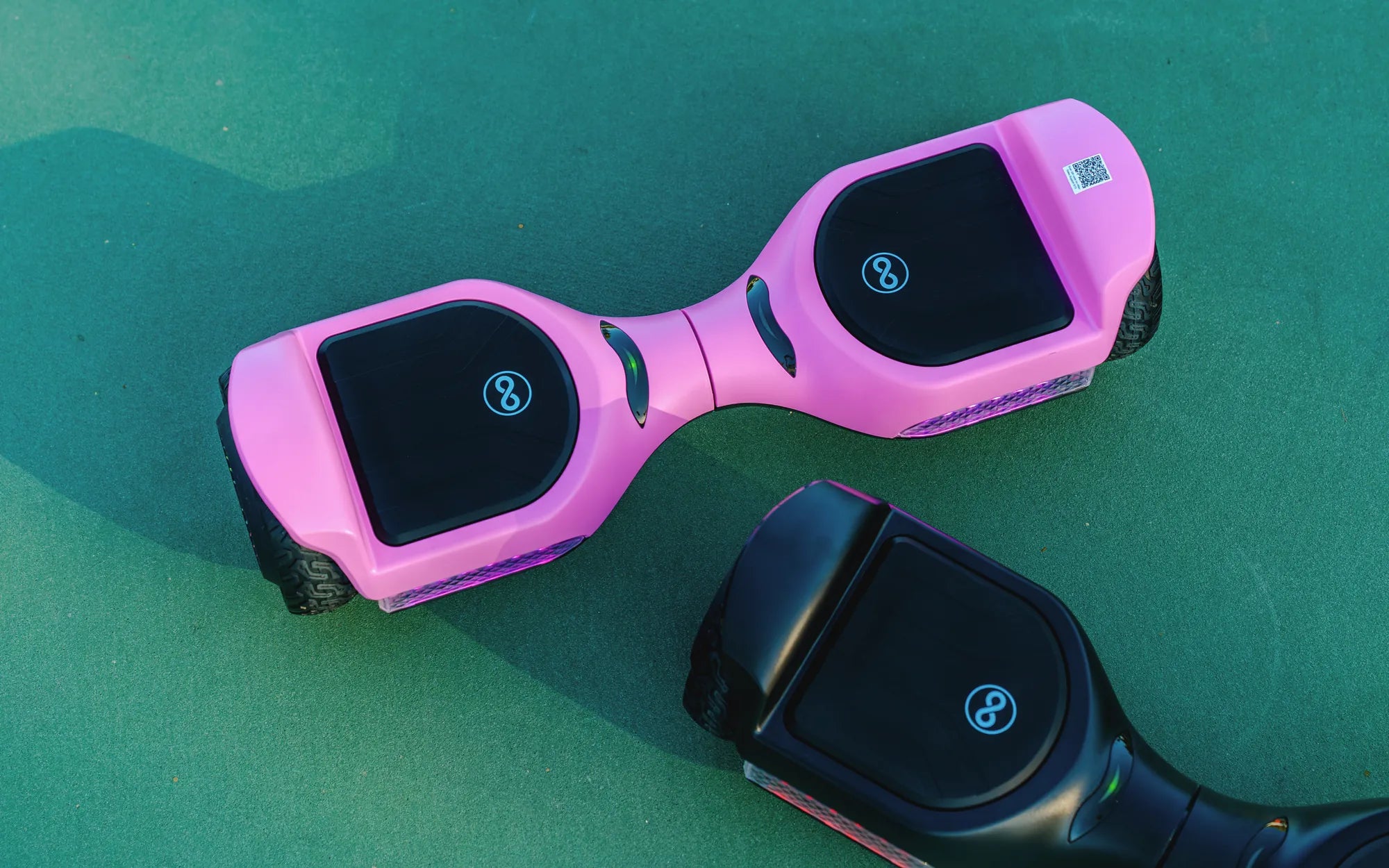
Hoverboards have become a popular mode of transportation and entertainment, but their performance and safety heavily depend on using the right charger. Knowing the hoverboard charger specs is essential to avoid damage, ensure longevity, and keep your device running smoothly. Let’s dive into the key specifications you need to consider.
Voltage: The Backbone of Charging
Voltage is one of the most critical hoverboard charger specs. Most hoverboards operate on a 36V or 42V battery system, and the charger must match this voltage. Using a charger with the wrong voltage can lead to overcharging, undercharging, or even battery failure. Always check your hoverboard’s manual or label to confirm the correct voltage before purchasing a charger.
Amperage: The Speed of Charging
Amperage, or current, determines how quickly your hoverboard charges. Common hoverboard chargers range from 1.5A to 2A. A higher amperage charger will charge your device faster, but it’s crucial to ensure your hoverboard’s battery can handle the increased current. Using a charger with too high amperage can overheat the battery, reducing its lifespan or causing safety hazards.
Connector Types: Ensuring Compatibility
Hoverboard chargers come with various connector types, such as barrel connectors or proprietary plugs. Mismatched connectors can prevent charging or damage the charging port. Always verify the connector type and size before buying a replacement charger. Some hoverboards also feature magnetic connectors for added safety and convenience.
Charging Time: Balancing Speed and Safety
The charging time of a hoverboard depends on its battery capacity and the charger’s amperage. A standard 4400mAh battery with a 2A charger typically takes 2-3 hours to fully charge. Avoid leaving your hoverboard plugged in for extended periods, as overcharging can degrade the battery and pose fire risks.
Safety Features: Protecting Your Investment
Look for chargers with built-in safety features like overcharge protection, short-circuit prevention, and temperature control. These features help safeguard your hoverboard’s battery and reduce the risk of accidents. Cheap, uncertified chargers may lack these protections, so investing in a quality charger is worth the extra cost.
Certifications and Standards
Always choose chargers that meet industry standards, such as UL, CE, or RoHS certifications. These certifications ensure the charger has undergone rigorous testing for safety and performance. Avoid uncertified chargers, as they may not adhere to safety protocols and could damage your hoverboard.
Replacement Chargers: What to Look For
If you need a replacement charger, ensure it matches the original hoverboard charger specs. Check the voltage, amperage, connector type, and safety features. Using an incompatible charger can void your warranty or cause irreversible damage to your hoverboard.
Tips for Prolonging Battery Life
To extend your hoverboard’s battery life, avoid charging it immediately after use. Let the battery cool down first. Also, store your hoverboard in a cool, dry place and avoid fully discharging the battery before recharging. These practices help maintain battery health and performance.
Choosing the right hoverboard charger specs is not just about convenience—it’s about safety and longevity. By understanding voltage, amperage, connectors, and safety features, you can ensure your hoverboard stays charged and ready for adventure. Don’t compromise on quality; your hoverboard’s performance and your safety depend on it.
Go Board Hoverboard for Sale: The Ultimate Guide to Buying the Best Ride
Best Offroad Hoverboards: The Ultimate Guide for Adventure Seekers