

Introduction: Why a Hoverboard is the Ultimate Gift for Fun and Freedom
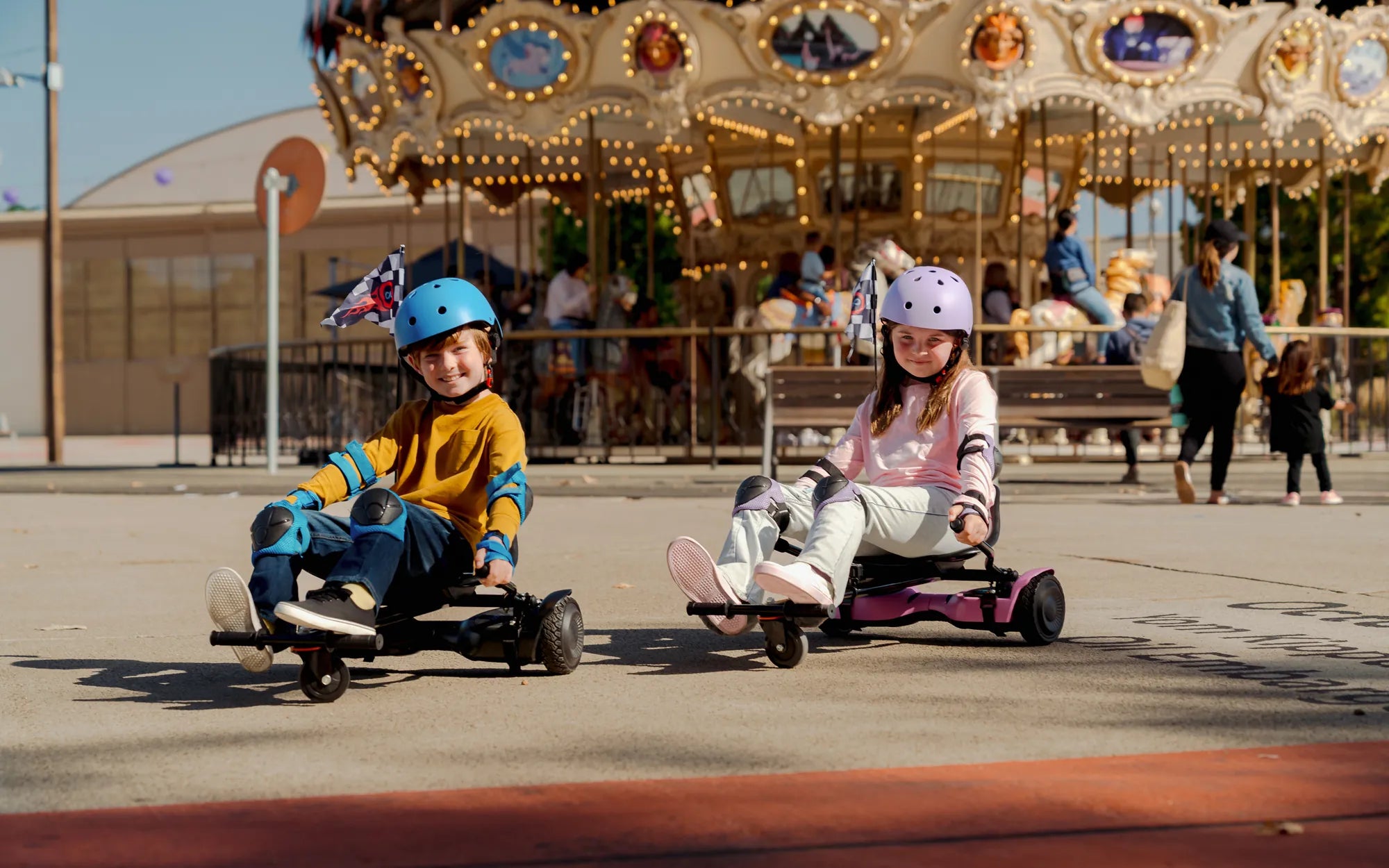
Watching a child master a hoverboard captures a unique blend of joy, balance, and newfound independence. It’s more than just a toy; it's a tool for developing coordination, encouraging outdoor play, and building confidence. For parents seeking a gift that combines excitement with skill development, a hoverboard for kids girls stands out as a premier choice.
However, the market is flooded with options, making the selection process daunting. Safety concerns, particularly around battery fires and build quality, are paramount. This guide exists to cut through the noise. We will provide a detailed, data-driven roadmap to selecting a hoverboard that prioritizes safety without compromising on fun, referencing the engineering standards of leading brands like Gyroor, trusted by over 100,000 riders.
You will learn how to identify non-negotiable safety certifications, match features to your child's age and environment, and implement essential riding protocols. Our goal is to equip you with the knowledge to make an informed decision, ensuring countless hours of secure, exhilarating fun. Let's begin by dismantling the biggest myth surrounding these popular devices.
What Makes a Hoverboard "Girl-Friendly"? Focusing on Features, Not Stereotypes
The term "girl-friendly" often leads to a narrow focus on color palettes like pink or purple. While aesthetic appeal is valid, it should not be the primary purchasing criterion. A truly suitable hoverboard for kids girls is defined by universal performance and safety features that ensure a positive riding experience for any child, regardless of gender.
Key factors include an appropriate weight capacity, manageable size for easier control, and a design that supports the rider's skill level. Brands like Gyroor offer a range of color options, from vibrant blues to classic blacks and pinks, understanding that preference is personal. The core differentiator is the engineering behind the shell.
Focusing solely on gendered marketing can lead parents to overlook critical technical specifications. A hoverboard's safety, battery life, motor power, and wheel construction are what truly determine its suitability. These elements contribute directly to stability, range, and durability—factors that impact fun and safety far more than color.
When evaluating a hoverboard for kids girls, shift the question from "What color does she like?" to "Does this model have the right features for her weight, our local terrain, and the necessary safety certifications?" This pragmatic approach ensures the gift is both delightful and dependable for years to come.
Key Safety Features You Must Look For: The Non-Negotiables
Safety is the absolute foundation of a good hoverboard experience. Compromising on core safety features is not an option. When selecting a hoverboard for kids girls, parents must become experts in identifying specific certifications and build qualities that separate reputable products from hazardous ones.
The benchmark for safety is set by brands that prioritize engineering integrity. For instance, Gyroor designs its hoverboards with UL-certified battery packs tested for over 500 charge cycles, IPX5 water-resistant construction, and robust battery housing. These features prevent overheating, protect against everyday splashes, and ensure structural safety.
Other critical elements include non-slip, textured foot pads to provide secure footing, bright LED headlights and taillights for visibility during dusk rides, and a well-balanced frame that prevents tipping. A reliable 1-year warranty also acts as a manufacturer's vote of confidence in their product's durability and safety over time.
Ignoring these features in favor of a lower price point carries significant risk. The following sections break down the two most crucial safety specifications you must verify before any purchase.
Understanding UL2272 Certification: Your Primary Firewall
The UL2272 certification is not a mere suggestion; it is a mandatory safety standard established by Underwriters Laboratories. This certification is the single most important factor in preventing battery fires and electrical malfunctions, which have been a historical concern with hoverboards.
A UL2272-certified hoverboard has undergone rigorous testing of its entire electrical system. This includes the battery pack, charger, and motor circuitry. Tests evaluate the unit's resilience to overcharging, short circuits, vibration, impact, and extreme temperatures. Only products that pass all tests earn the certification.
When shopping, always look for the official UL2272 mark on the product packaging or in the online specification sheet. Reputable brands like Gyroor build every model to this standard. Never purchase a hoverboard that lacks this certification, as it indicates untested and potentially dangerous electrical components.
This certification provides peace of mind, ensuring that the lithium-ion battery powering the device is housed and managed with the highest safety protocols. It is the essential first filter in your search for a safe hoverboard for kids girls.
The Importance of IP Ratings: Defining Water Resistance
Hoverboards are for outdoor adventure, which inevitably involves puddles, damp grass, or light rain. An Ingress Protection (IP) rating tells you exactly what a hoverboard can handle. Understanding this rating prevents damage and maintains safety.
An IP rating consists of two digits (e.g., IPX5). The first digit rates protection against solid particles (like dust), often omitted as "X." The second digit rates protection against liquids. For hoverboards, an IPX4 or IPX5 rating is standard for quality models. IPX4 protects against water splashes from any direction, while IPX5 can withstand low-pressure water jets from a nozzle.
In practical terms, an IPX5-rated hoverboard, like those from Gyroor, is splash-proof and puddle-proof. It can safely ride through wet conditions you'd encounter on a sidewalk after rain. However, it is not waterproof. It should never be submerged, ridden through deep standing water, or pressure-washed.
Checking the IP rating manages expectations and protects your investment. It ensures the hoverboard's internal electronics are sealed against everyday moisture, significantly extending its lifespan and maintaining operational safety during typical kids' play.
Choosing the Right Model: A Data-Driven Comparison for Parents
With safety fundamentals established, the next step is matching technical specifications to your child's needs and your local environment. The right combination of wheel size, motor power, and weight capacity creates a tailored, enjoyable experience. Here is a practical comparison to guide your decision.
| Feature | 6.5" Wheel Model | 8.5" Wheel Model | Key Consideration |
|---|---|---|---|
| Best For Terrain | Very smooth, flat surfaces: indoor, driveway, smooth concrete. | Outdoor use: sidewalks, park paths, slightly rough pavement. | Larger wheels handle bumps and cracks better. |
| Ride Comfort & Stability | Agile and responsive; can feel bumps more. | More stable; air-filled tires absorb vibrations. | Better stability aids beginner confidence. |
| Typical Motor Power | Dual 250W motors common. | Dual 300W or 350W motors common. | Higher wattage improves hill-climbing ability. |
| Age & Weight Suitability | Often for lighter riders, ~44-165 lbs. | Often for broader range, ~44-220 lbs. | Always check manufacturer's min/max weight. |
| Ideal Use Case | Controlled environments, first-time riders on perfect pavement. | General outdoor adventure, commuting on neighborhood paths. | Most versatile choice for varied use. |
This table highlights that an 8.5" wheel model is generally the more versatile and beginner-friendly choice for outdoor use, offering greater comfort and obstacle negotiation. Brands like Gyroor offer models in both categories, ensuring there's a fit for specific needs while maintaining all core safety features.
Wheel Size and Terrain: Matching the Board to the Ground
Wheel size is the most direct factor influencing where a hoverboard can comfortably and safely be ridden. It determines stability, comfort, and the types of surfaces the device can traverse without jarring the rider or causing a loss of control.
Smaller wheels (typically 6.5 inches in diameter) are made of solid rubber. They provide low rolling resistance on perfectly smooth surfaces like indoor floors, polished concrete, or new driveways. However, they transmit every pebble and crack directly to the rider's feet, making for a less comfortable ride on typical sidewalks and offering less traction.
Larger wheels (8.5 inches or more) are often air-filled, similar to bicycle tires. They have a larger contact patch with the ground, providing better grip. Their increased diameter allows them to roll over small obstacles like sidewalk cracks, gravel, and grass more easily, absorbing bumps for a smoother ride. This inherent stability is crucial for building a beginner's confidence.
For a hoverboard for kids girls intended for general neighborhood use, larger wheels are almost always the recommended choice. They expand the play area from just the driveway to the entire park path, making the investment more versatile and the riding experience more enjoyable.
Speed Modes and Beginner Settings: The Pathway to Confidence
A hoverboard that only has one, high-speed setting can be intimidating and dangerous for a new rider. Adjustable speed modes are a critical feature that allows skill to progress safely. They act as a digital training wheel system.
Quality hoverboards feature at least two speed modes, often accessible via a companion mobile app or a button sequence. The beginner mode typically limits the top speed to 5-7 mph (8-11 km/h). This allows the child to focus entirely on mastering balance, leaning for direction, and gentle stopping without the fear of sudden, uncontrollable acceleration.
Once the rider demonstrates consistent control and comfort, a parent can unlock a standard mode, which may offer speeds up to 9-10 mph. Some advanced models have a third, higher-speed mode. This graduated approach builds muscle memory and confidence in stages, significantly reducing the risk of falls caused by panic or over-acceleration.
When evaluating a hoverboard for kids girls, verify that it has a dedicated beginner or training mode. This feature is a hallmark of a brand that thoughtfully considers the user experience from day one, prioritizing safe skill acquisition over raw performance.
Essential Safety Gear and Smart Riding Etiquette
Even the safest hoverboard requires the rider to be properly equipped and to follow sensible rules. Safety gear is non-negotiable, and establishing clear riding etiquette from the start fosters responsible habits that last a lifetime.
The Mandatory Gear Checklist:
- Helmet: A properly fitted, CPSC-certified bicycle or multi-sport helmet is essential for every ride. It protects against the most serious head injuries in case of a fall.
- Wrist Guards: These are arguably the second most important piece of gear. Falls often happen with outstretched hands; wrist guards prevent sprains and fractures.
- Knee and Elbow Pads: These protect joints from scrapes and impact, especially valuable during the learning phase.
- Closed-Toe Shoes: Sturdy sneakers provide ankle support and protect toes.
Fundamental Riding Rules:
- Practice in a Safe Zone: Start in a flat, open, smooth area free of traffic, obstacles, and slopes. An empty tennis court, basketball court, or smooth driveway is ideal.
- Supervision is Key: Especially for younger riders, an adult should be present to assist, enforce rules, and handle emergencies.
- Avoid Public Roads: Hoverboards are not designed for streets with car traffic. Stick to sidewalks, bike paths, and parks where local laws permit.
- Respect Pedestrians: Slow down and give ample space when passing people walking. The hoverboard rider must yield.
- Check the Environment: Scan the path ahead for potholes, gravel, sand, or wet leaves, which can cause slips or loss of control.
Making this gear and these rules a non-negotiable part of hoverboard use instills a culture of safety that makes the activity more sustainable and worry-free for parents.
Maintenance and Care: Maximizing Lifespan and Performance
Proper maintenance ensures your hoverboard remains safe, reliable, and fun for its entire lifespan. Simple, regular checks can prevent most common issues and are an excellent way to involve your child in caring for their equipment.
Battery Care: Always use the manufacturer-provided charger. Avoid leaving the hoverboard plugged in for extended periods after it reaches 100%. Store the device in a cool, dry place, away from direct sunlight or extreme temperatures. If not using for a long time, store it with a 50-70% charge.
Tire Care: For models with air-filled tires, check the tire pressure monthly with a small gauge. Maintain the PSI recommended in the manual. Under-inflated tires reduce range and strain the motors; over-inflated tires make the ride harsh and reduce traction. Inspect tires regularly for wear or embedded debris.
Cleaning and Storage: Wipe down the hoverboard with a slightly damp cloth to remove dirt. Never use a hose or high-pressure spray. Ensure the charging port is dry before plugging in. Store the hoverboard upright on a stable surface to prevent accidental rolling.
Pre-Ride Check: Before each use, do a quick visual inspection. Ensure the foot pads are clean and dry, the body has no new cracks or damage, the tires look intact, and the lights are functioning. Listen for any unusual grinding or clicking noises when powered on. This 30-second habit can catch small issues before they become big problems.
Parent's FAQ: Your Top Questions Answered
Q1: What is the right age for a hoverboard?
Most manufacturers recommend a minimum age of 8 years old. This is less about the number and more about the child's physical coordination, ability to follow safety rules, and weight (they must meet the model's minimum weight requirement, often around 44 lbs). A child should be able to understand cause-and-effect and have decent balance.
Q2: How long does the battery last on a single charge?
Average range is between 7 and 12 miles (11-19 km) on a full charge, depending on the battery capacity (measured in Watt-hours), rider weight, terrain, and speed. Lighter riders on flat, smooth paths will achieve the maximum range. Brands like Gyroor use high-quality, UL-certified cells to provide consistent performance throughout the battery's life.
Q3: Can it handle hills?
Hoverboard motor power, measured in watts (e.g., dual 300W), determines hill-climbing ability. Most quality models can handle moderate slopes of 10-15 degrees. Steeper hills may cause the board to slow significantly or overheat the motors. Always check the manufacturer's specified hill grade and start with gentle slopes.
Q4: How long does it take to learn?
Most kids pick up the basics within 30-60 minutes of practice in a safe area. Mastering smooth turns, stopping, and navigating slight bumps may take a few days of consistent practice. Using the beginner speed mode dramatically shortens the learning curve and builds confidence safely.
Q5: Are replacement parts available?
Yes, for reputable brands. Common wear-and-tear parts like tires, inner tubes, and foot pad grips are typically available for purchase. This is a key reason to choose an established brand with a track record of customer support, like Gyroor, which offers a reliable 1-year warranty and accessible parts for its models.
Smart Fun Starts with Smart Choices
Choosing the perfect hoverboard for kids girls is a balance between unlocking exhilarating fun and enforcing unwavering safety standards. The journey begins with understanding non-negotiable certifications like UL2272, interpreting practical features like IPX5 water resistance and 8.5" all-terrain wheels, and committing to full protective gear. This guide has provided the framework to evaluate any model against these critical benchmarks.
By prioritizing engineering integrity from trusted brands, you invest in more than a device; you invest in peace of mind. Brands that build with UL-certified batteries, robust frames, and beginner-friendly speed modes demonstrate a commitment to the rider's long-term experience. This approach ensures the hoverboard is a source of confidence-building joy, not anxiety.
The result is a gift that keeps giving: the thrill of mastering a new skill, the freedom of exploring the neighborhood, and the pride of responsible ownership. Empower your child with an adventure that is as safe as it is exciting, setting the stage for countless memorable rides.
Ready to explore a range of hoverboards engineered with these safety and performance principles at their core? Browse the full, certified Gyroor collection at gyroorboard.com to find the perfect model that matches your child's spirit for adventure and your standards for safety.
Mini Smart Self Balancing Electric Scooter: The Future of Urban Mobility
What Is the Difference Between a Hoverboard and a Self Balancing Scooter?