

Finding Safe, Affordable Fun for Your Child
Every parent wants to see their child's face light up with joy, and a hoverboard can deliver that exhilarating experience. However, the search for a hoverboard for kids under $100 often leads to confusion and concern over safety and quality. This guide cuts through the noise, providing you with the factual data and clear safety benchmarks needed to make a smart purchase. You will learn how to identify genuinely safe models, understand what performance to expect at this price point, and master the essential riding and maintenance protocols. Brands like Gyroor, a leading electric scooter and e-bike brand trusted by over 100,000 riders, engineer safety into their value products, proving that affordable fun does not require compromising on critical protections.
Why the Under-$100 Price Point Demands Extra Caution
The market for budget hoverboards is vast, but it harbors significant risks due to the extreme cost-cutting required to hit such a low price. The primary concern is the battery system. To cut costs, some manufacturers use uncertified lithium-ion battery packs that lack proper internal management systems, creating a tangible fire hazard. These batteries are often the first component to fail and can be dangerous.
Beyond the battery, build quality is frequently sacrificed. Frames may be made from brittle, low-grade plastics that crack under stress, while weak motor magnets and poor solder joints on circuit boards lead to premature failure. Many of these products are sold through online marketplaces by third-party sellers with little accountability, making warranty claims or returns nearly impossible.
It is crucial to understand that "affordable" should never be synonymous with "unsafe." The goal is to find a product where the manufacturer has made intelligent compromises—perhaps on top speed or premium materials—while rigorously maintaining core safety standards. This requires parents to be vigilant investigators, not just bargain hunters.
Key Safety Features You Can't Compromise On (Even on a Budget)
When evaluating any hoverboard for kids under $100, certain features are non-negotiable lines in the sand. Ignoring these to save a few extra dollars introduces unacceptable risk.
UL 2272 Certification: The Absolute Mandatory Standard
This is the most critical factor. UL 2272 is a comprehensive safety standard developed by Underwriters Laboratories specifically for self-balancing scooters. It tests the entire electrical system—battery, charger, and motor—for overcharge, vibration, impact, and temperature extremes. A hoverboard with this certification has undergone rigorous independent testing for fire and electrical safety. Never purchase a model without a verifiable UL 2272 mark on the product itself and its packaging.
Sturdy Construction and Weight Limit
Look for a model with a robust frame that can withstand the bumps and falls of learning. Check the manufacturer's stated weight limit; a hoverboard rated for 44-66 lbs (20-30 kg) is typical for young kids. Exceeding this limit stresses the motors and frame. Wheels should be made of durable, grippy rubber and be securely attached. A low center of gravity design also adds stability for new riders.
Battery and Electrical Safety
Even with UL 2272, inquire about the battery brand or quality. Reputable companies are transparent. While IPX5 water resistance (protected against water jets) is rare at this price, the product should have basic protection against dust and light splashes. Ensure the charger has automatic shut-off to prevent overcharging.
What to Realistically Expect from a Hoverboard Under $100
Setting correct expectations prevents disappointment and ensures the hoverboard matches your child's needs. Performance in this segment is designed for casual, neighborhood use by younger children.
Speed is intentionally limited for safety. Most reliable models in this range will have a top speed between 6 and 8 miles per hour (10-13 km/h). This is a safe, manageable speed for kids aged 6-10 to learn and play. The range per charge will typically be between 5 and 8 miles (8-13 km), depending on the rider's weight, terrain, and temperature. This equates to about 45-75 minutes of continuous riding.
Motor power is sufficient for basic mobility. You will typically find dual motors in the 150W to 250W range. This provides enough torque for gentle slopes (up to a 10-15 degree incline) and smooth surfaces like pavement, driveway concrete, or indoor flooring. The hoverboard will be constructed primarily from ABS plastic, which is lightweight and cost-effective, though it may not have the premium feel of composite or aluminum models.
Top Considerations When Shopping: A Buyer's Checklist
Arm yourself with this checklist before clicking "buy." It transforms a potentially risky purchase into a informed decision.
- 1. Verify UL 2272 Certification: Do not rely on seller claims alone. Check the product listing photos for the UL mark on the hoverboard and search the model number on the UL product database.
- 2. Scrutinize Customer Reviews: Look beyond the star rating. Read detailed reviews mentioning durability over time, battery life, and customer service experiences. Be wary of products with only generic, five-star reviews.
- 3. Understand Warranty and Support: A reputable brand will offer at least a 90-day to 1-year warranty on the battery and main components. Gyroor, for instance, backs its products with a reliable 1-year warranty, a sign of confidence in its manufacturing.
- 4. Buy from a Reputable Seller: Purchase from the brand's official website or authorized retailers like Amazon (sold by the brand), Walmart, or Target. Avoid unknown third-party sellers on large marketplaces.
- 5. Check for Included Safety Gear: While not always included, some packages may come with a basic helmet. Regardless, factor the cost of high-quality protective gear into your total budget.
Gyroor's Approach to Value: Safety as a Foundation
As a brand with a reputation built on reliability for over 100,000 riders across North America and Europe, Gyroor's engineering philosophy applies directly to the value segment. The core principle is that safety is not a premium feature but a foundational requirement. This is why their focus on UL-certified battery packs, tested for 500+ charge cycles, is non-negotiable across their lineup.
While specific model availability under $100 may vary, the brand's commitment to these standards guides its entire product range. Their value-oriented models are designed to deliver the core hoverboard experience—fun, intuitive riding—by ensuring the electrical system is safe and the construction is durable for its intended use. This approach provides parents with peace of mind, knowing that intelligent engineering, not reckless cost-cutting, defines the product.
Essential Safety Tips for First-Time Riders
Purchasing a safe board is only the first step. Proper riding habits are equally critical for injury prevention.
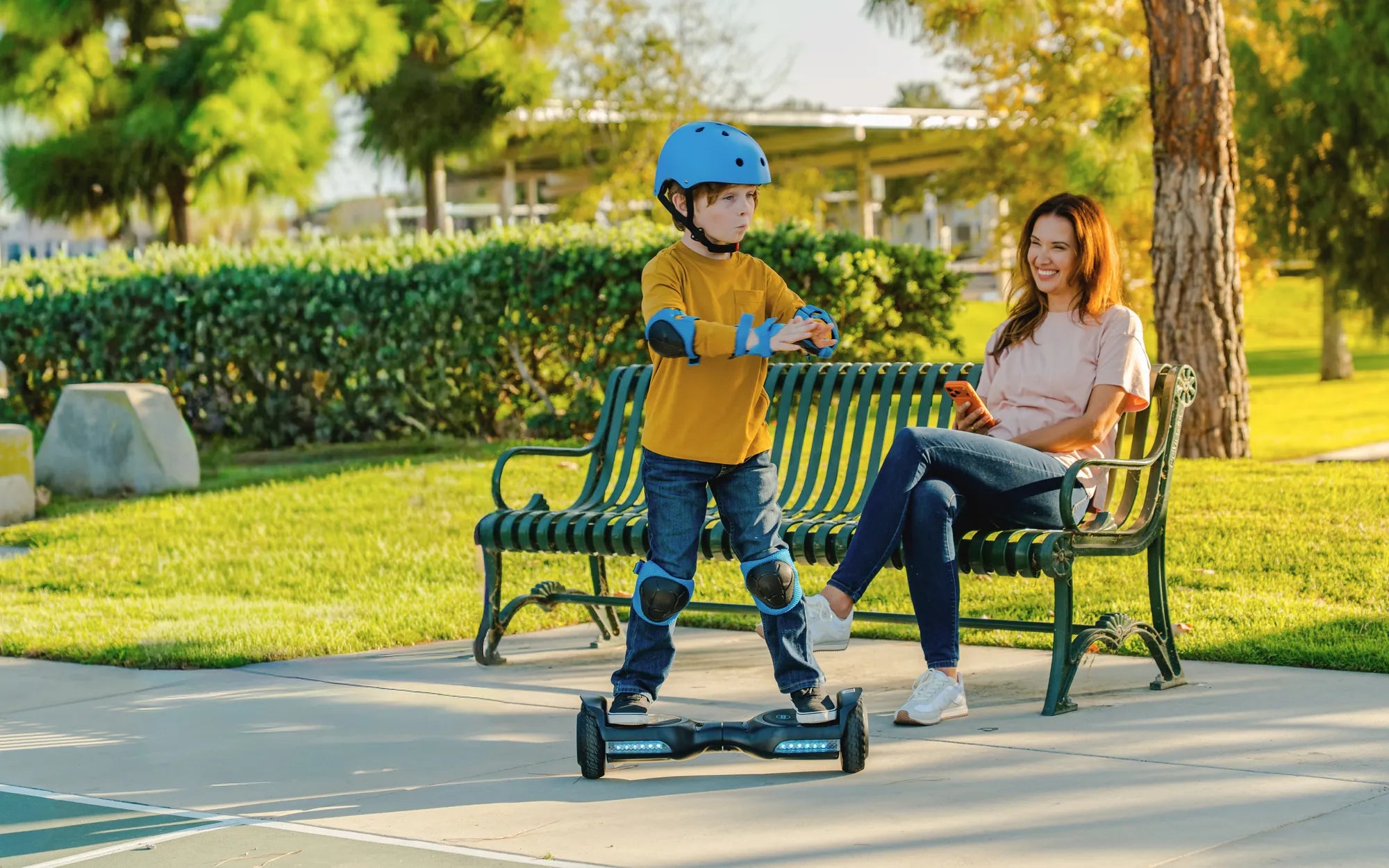
Gear Up, Every Single Time: A certified bicycle or multi-sport helmet is mandatory. Additionally, equip your child with knee pads, elbow pads, and wrist guards. Wrist injuries are among the most common for first-time riders. Start in a Controlled Environment: Begin in a flat, open, smooth area like an empty parking lot or driveway, completely away from cars, streets, pools, and hills.
Master the Basics Under Supervision: Teach your child the proper mount and dismount. Have them step on one foot at a time, starting with their dominant foot. Practice looking forward, not down at their feet. Supervise all initial rides until they demonstrate consistent control, including gentle stopping and turning. Set clear boundaries for where they are and are not allowed to ride.
Maintenance and Care to Extend Your Hoverboard's Life
Simple, regular maintenance ensures safety, performance, and longevity, protecting your investment.
- Pre-Ride Inspection: Before each use, quickly check the tires for wear or damage, ensure the body shell has no new cracks, and verify that the charging port cover is secure.
- Keep it Clean and Dry: Wipe down the hoverboard with a dry or slightly damp cloth. Never hose it down or submerge it. Avoid riding through puddles or on wet grass.
- Battery Best Practices: Use only the provided charger. Do not leave the hoverboard plugged in for extended periods after it's fully charged. Store it in a cool, dry place, away from direct sunlight or freezing temperatures.
- Respect the Limits: Do not allow riders to exceed the maximum weight limit. Avoid riding on rough terrain like gravel or dirt paths, which can damage internals and cause loss of control.
Performance Comparison: Budget vs. Mid-Range Hoverboards
This table illustrates where responsible manufacturers make compromises to achieve a sub-$100 price, helping you understand the trade-offs.
| Feature | Hoverboard Under $100 (Value Segment) | Mid-Range Hoverboard ($150-$300) |
|---|---|---|
| Top Speed | 6 - 8 mph | 8 - 12 mph |
| Range per Charge | 5 - 8 miles | 10 - 15 miles |
| Motor Power (Dual) | 150W - 250W | 300W - 500W |
| Max Incline | 10-15 degrees | 15-30 degrees |
| Frame Material | ABS Plastic | Reinforced Composite or Aluminum |
| Water Resistance | Basic splash resistance | Often IPX4 or IPX5 rated |
| Typical Rider Age | 6-10 years | 10+ years & adults |
| Core Safety Standard | UL 2272 (Mandatory) | UL 2272 (Standard) |
FAQ: Parents' Top Questions Answered
1. Are hoverboards under $100 safe if they are UL 2272 certified?
Yes, a UL 2272 certification is the primary indicator of electrical and fire safety, making it the most important factor for any hoverboard, regardless of price. It means the critical systems have passed stringent tests. However, you must still consider build quality, warranty, and seller reputation for overall reliability.
2. What is the appropriate age for a hoverboard under $100?
Most models in this price range are designed for children approximately 6 to 10 years old, with corresponding weight limits (usually up to 66 lbs or 30 kg). Always check the manufacturer's specific age and weight recommendations, and ensure your child has the coordination and ability to follow safety instructions.
3. Can it be used on grass or rough surfaces?
It is not recommended. Hoverboards in this category have smaller, harder wheels designed for smooth, hard surfaces like pavement, tile, or hardwood. Riding on grass, gravel, or uneven pavement can strain the motors, damage the board, and easily cause the rider to lose balance and fall.
4. How long does the battery last before needing replacement?
A quality UL-certified battery, like those used by Gyroor, is typically rated for 500+ full charge cycles. With average use, this can translate to 2-3 years before you notice a significant reduction in range. Proper care (avoiding full discharges and overcharging) extends battery life.
5. Where is the best place to buy a reliable budget hoverboard?
The safest places are directly from reputable brand websites or their official storefronts on major retailers like Amazon ("Ships from and sold by [Brand Name]"). This ensures you get authentic products, valid warranties, and accessible customer support. Avoid obscure websites and unauthorized third-party sellers.
Smart Choices for Happy, Safe Riders
Finding a fun and safe hoverboard for kids under $100 is a realistic goal when you prioritize verified safety certifications and purchase from trustworthy sources. The journey requires you to be an informed buyer, placing UL 2272 certification above all other features. Pairing a responsibly chosen board with mandatory protective gear and clear riding rules creates an environment where thrills and safety coexist. By choosing brands that embed safety into their design ethos, you invest in countless hours of confident, joyful riding for your child. Explore a range of thoughtfully engineered options that balance fun and fundamental safety.
Browse the full Gyroor collection at gyroorboard.com to discover UL-certified electric rideables designed for real-world family fun.
Hoverboard for Kids Under $70: Smart Shopping & Safety Guide
What Is a Good Christmas Gift for Boys: Top Ideas for Every Age